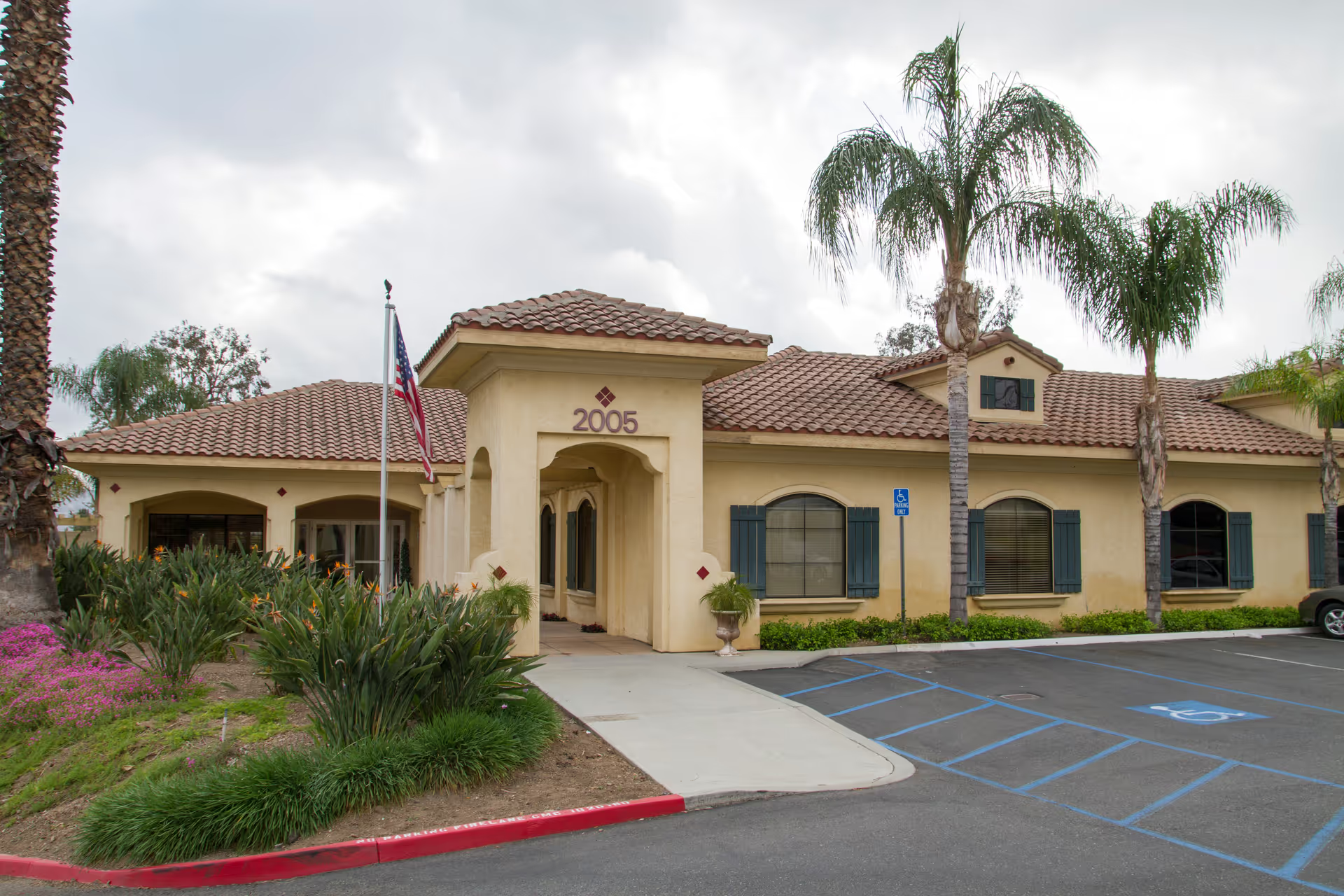
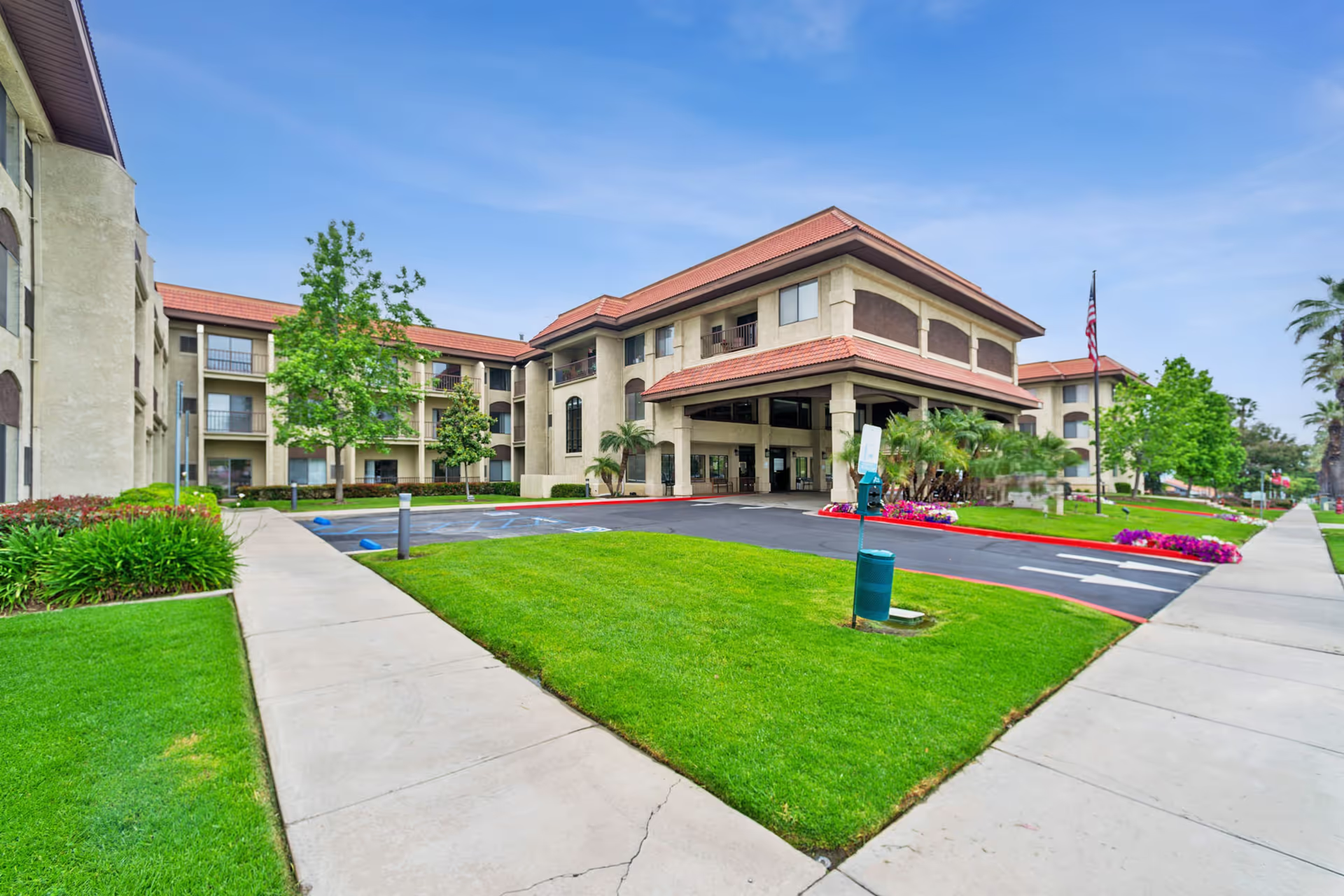
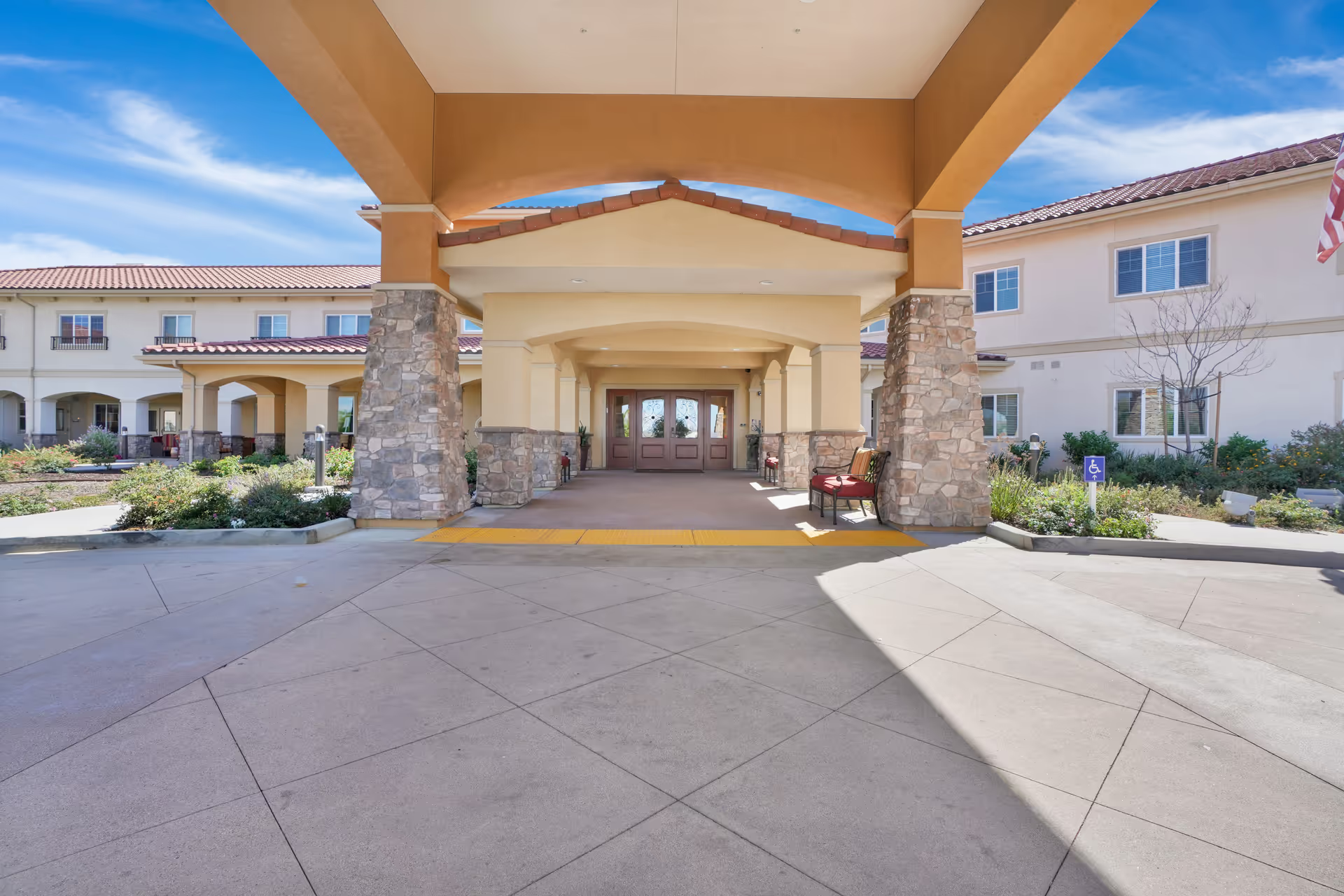
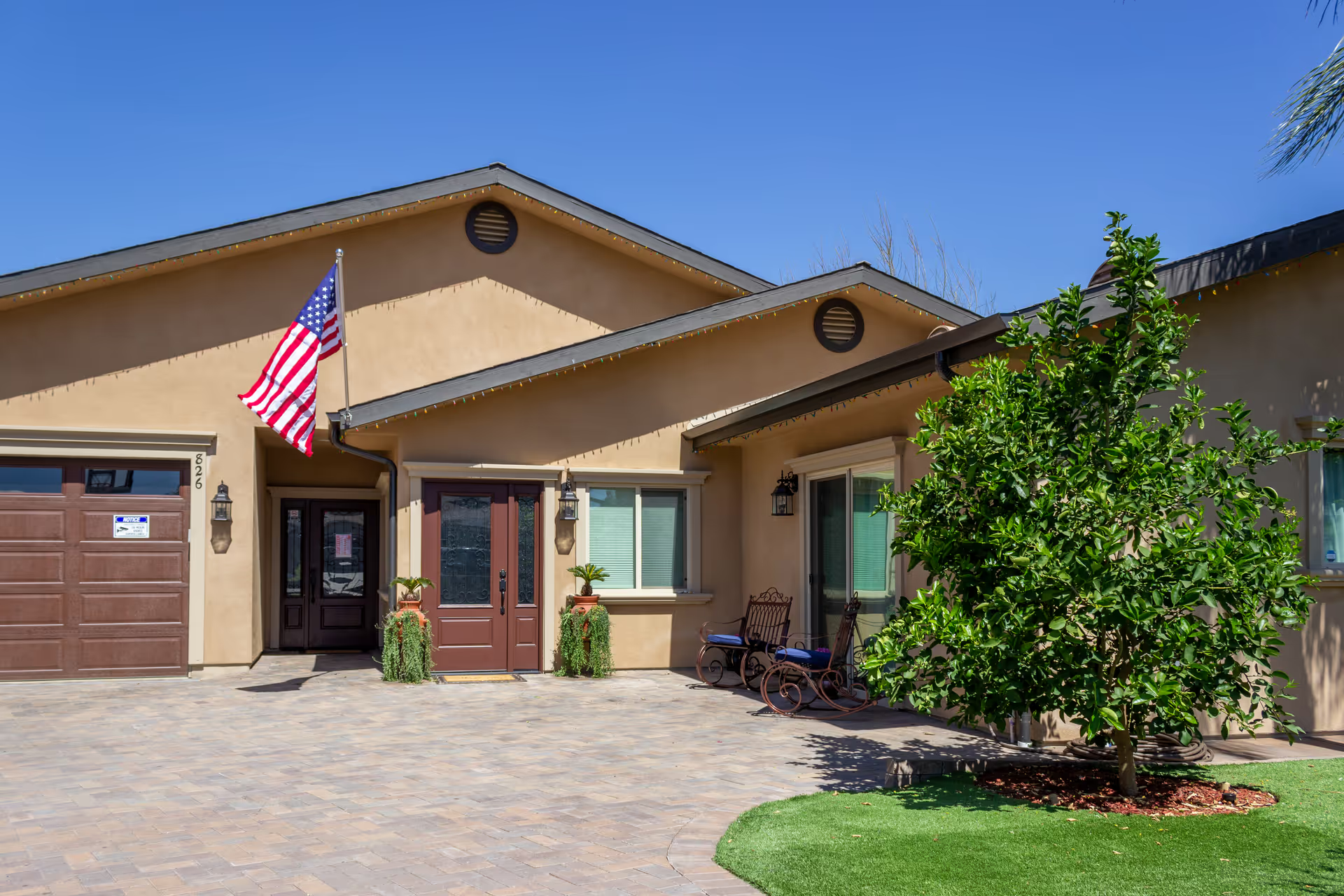
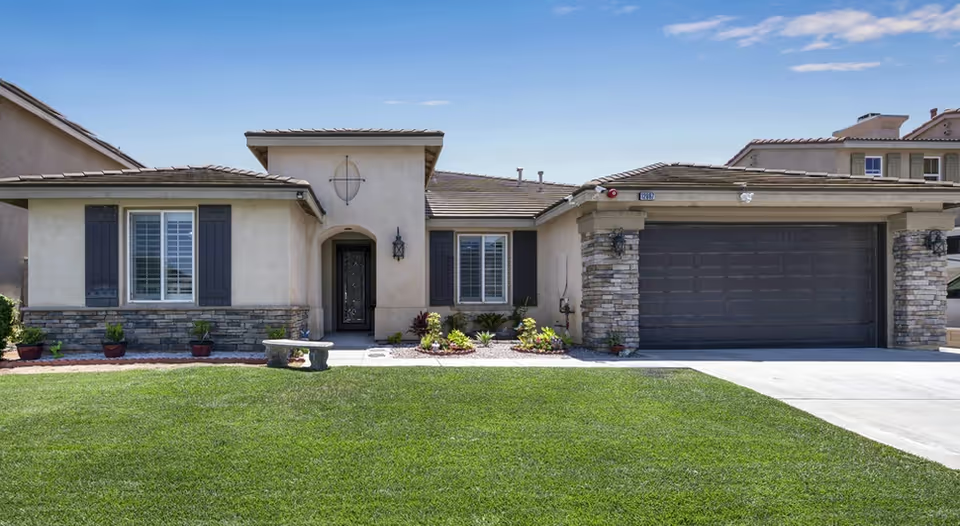
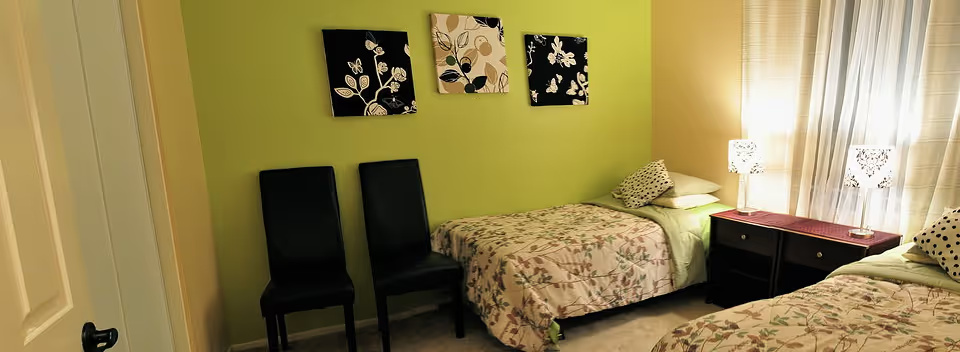
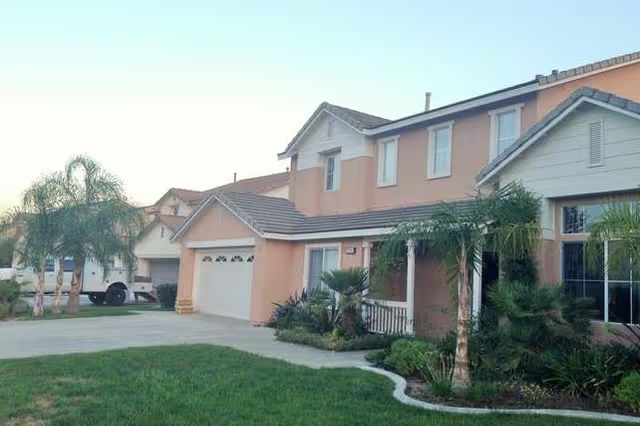
Valencia Terrace presents as a well-appointed, resort-style senior living community with consistently praised staff, grounds, amenities, and an active social program. Reviewers repeatedly highlight the facility’s clean, modern interiors, landscaped gardens, heated salt-water pool and spa, multiple dining venues (main dining room, bistro, Sunday brunch), and a broad set of on-site amenities such as a fitness center, theater, salon, library, and activity rooms. Independent- and assisted-living neighborhoods are described as distinct yet connected, and many families note a smooth transition process supported by ambassadors, move-in assistance and clear communication channels.
Staffing and care are central strengths in most accounts: staff are described as warm, professional, and responsive, with frequent reference to individualized attention, friendly front-desk teams, and engaged activity staff. At the same time, multiple accounts imply operational limits when residents require higher levels of hands-on care. Specific patterns include limited mealtime supervision and reports of insufficient assistance for residents with greater dependency, suggesting the community is best suited to ambulatory or lower-dependency residents rather than those needing intensive daily personal care.
Dining and activities are prominent positives. The culinary program and service are frequently praised for variety, presentation, and attentive servers, and the activity calendar is broad — exercise classes, arts and crafts, chair volleyball, religious services, outings, and regular entertainment. However, dining quality is not uniformly consistent in every account; some families describe occasional lapses in menu execution or preparation that contrast with other highly favorable dining comments.
Operational issues and patterns to weigh include cost and availability, administrative delays, and security/process concerns. The community is commonly described as premium-priced with wait lists or limited unit availability; several reviews cite affordability as a barrier. Administrative friction appears most visible at move-in, during sign-in/sign-out, or when scheduling appointments. A number of reviewers also raised concerns about security procedures and missing personal items; these items, together with comments about staff turnover or variable management responsiveness, indicate unevenness in operational reliability for some families. There are also repeated notes that on-site clinical resources are limited (no attending physician), which reinforces the view that higher-acuity clinical needs may require outside providers or transfer to higher-level care.
Overall, Valencia Terrace is portrayed as a vibrant, well-maintained community with strong social programming, appealing amenities, and a staff culture that many families find caring and supportive. Prospective residents and families should balance those strengths against the facility’s higher price point, potential variability in dining and administrative responsiveness, and the community’s limited capacity for high-acuity or constant hands-on clinical care. Finally, while the majority of feedback is positive, a small number of serious concerns — including allegations around security and post–infection-control-period care — were raised; families pursuing residency are advised to review staffing ratios for their level of need, clarify clinical services and supervision during meals, verify security protocols, and confirm financial and move-in timelines before committing.