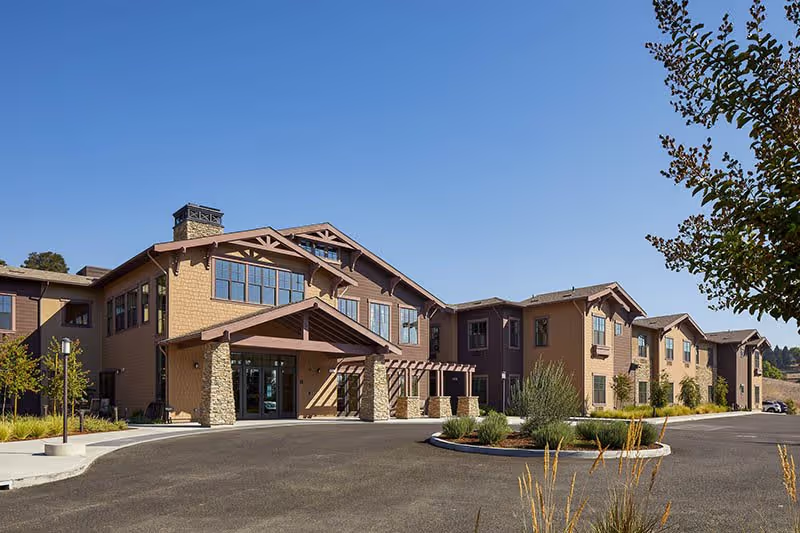
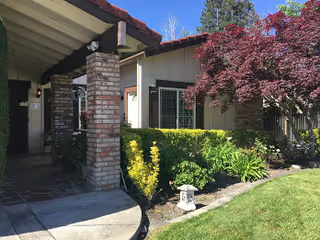
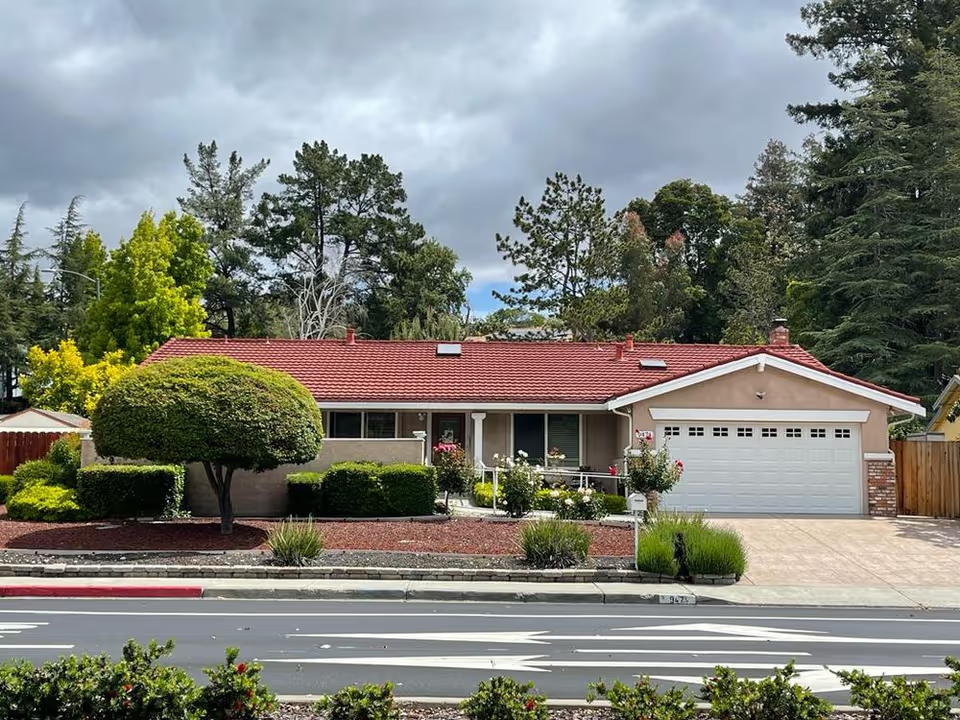
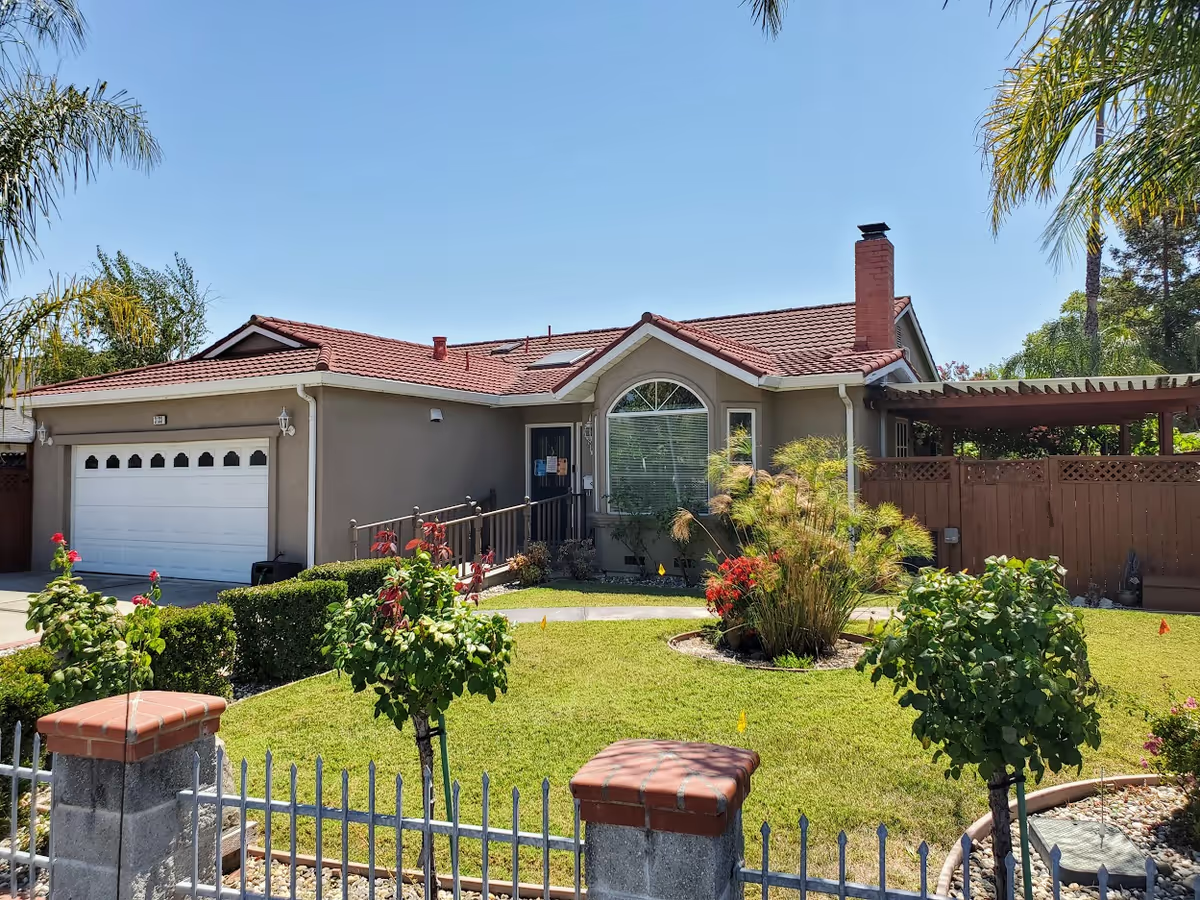
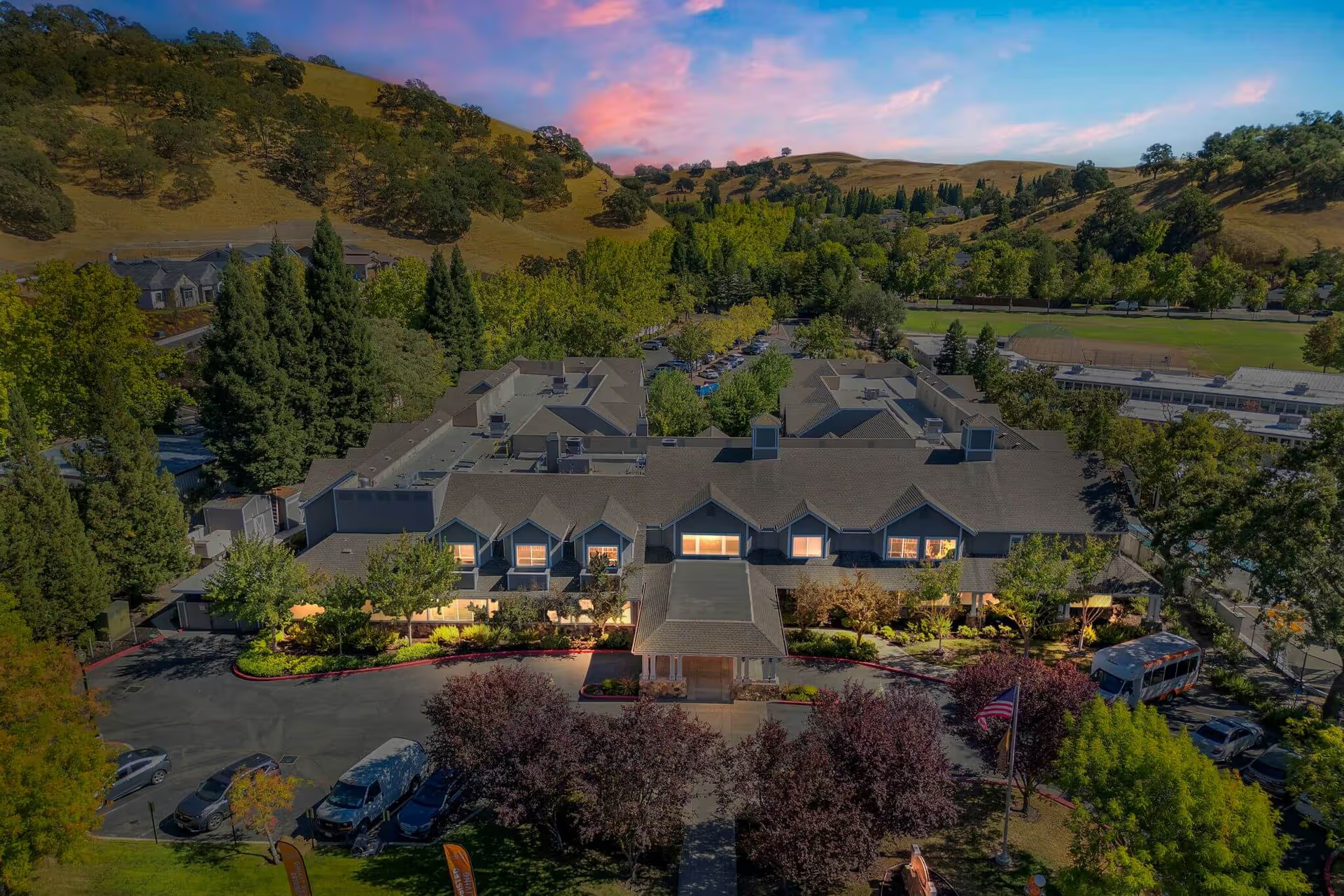
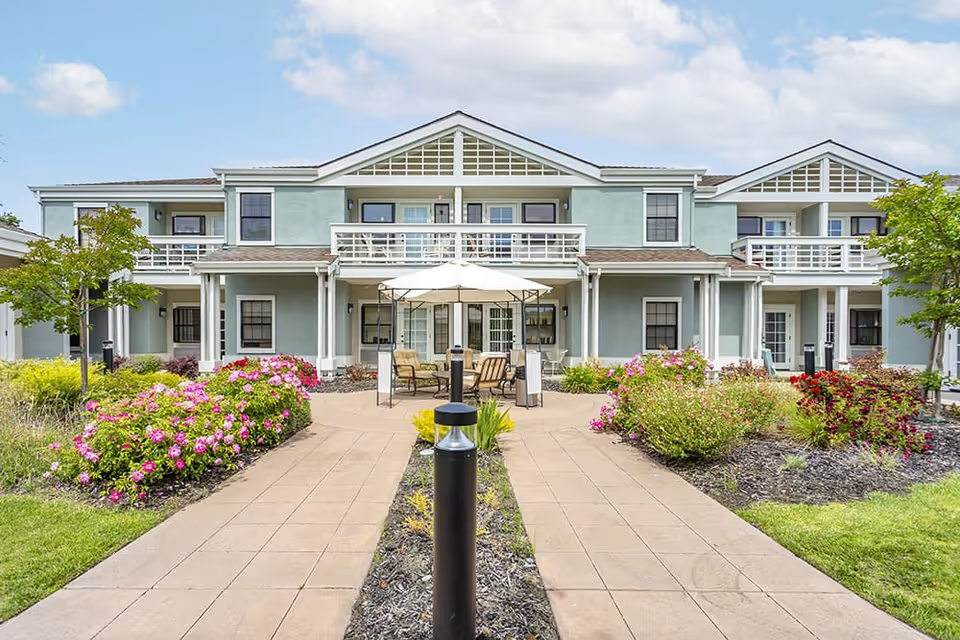
The Reutlinger Community is consistently described as a well-appointed, culturally focused senior-living campus with strong Jewish programming. Strengths include a visible resident art program, an on-site synagogue and rabbi, and an engaging calendar of social, musical, and arts activities that spans independent, assisted, and memory-care units. The building and common areas are frequently characterized as modern, attractive, and well maintained; reviewers also note in-house physical therapy and rehabilitation services and the availability of skilled nursing with registered nurses on staff.
Direct-care staff receive frequent praise for compassion and professionalism. Many families described staff members who are attentive and enjoy working with residents; specific positive mentions include dedicated activities directors and caregivers who facilitate cross-unit participation. Clinically, the presence of RNs in the skilled unit and on-site therapy services are noted as strengths, and the facility’s dining program is often commended for offering kosher meals alongside non-kosher options, a salad bar on non-meat days, and an attentive dining-room environment.
However, a pattern of operational weaknesses emerges across reviews. Staffing levels are inconsistent — reviewers raised concerns about night-shift coverage, overall staffing shortages, and high turnover — which reviewers linked to slower responses, perceived safety vulnerabilities at night, and increased reliance on privately hired caregivers. Relatedly, reviewers pointed to gaps in dementia-focused training and clinical processes that can affect care continuity. Several families described cases that highlighted weaknesses in discharge and transition planning and in medication or incident-response processes; these indicate unevenness in clinical oversight and follow-up rather than uniform clinical failure.
Dining and hospitality show both strengths and inconsistencies. While the kosher program, desserts, and some meals are praised, others described lukewarm plates, a fish-heavy menu, and occasional late or incorrect meals. Laundry and supply management (for items such as pads and bibs) and occasional logistical issues with meal delivery or temperature control were also cited, suggesting operational supply-chain or workflow shortfalls rather than a uniformly poor dining program.
Activities and community life are consistently strong: an active art department, music, dancing, resident engagement, and on-site religious services contribute to a lively atmosphere and social stimulation for residents. The facility’s design and amenities support socialization, although the interior layout can be confusing to newcomers; staff help with navigation but wayfinding signage or orientation could be improved.
Management and administrative themes recur. Reviewers expressed concerns about interdepartmental communication, inconsistent family notification and follow-up, and perceived prioritization of appearance or décor in tension with direct-care resourcing. Cost is another recurring theme: the community is viewed as relatively expensive, and some families felt compelled to pay for private caregivers to ensure adequate care. These patterns suggest the facility offers many high-quality services and a strong cultural environment but has operational variability that families should evaluate.
Recommendation: The Reutlinger Community may be a strong fit for prospective residents seeking a culturally specific, activity-rich environment with well-maintained facilities and visible clinical resources. Families considering placement should assess current staffing levels (particularly night coverage), dementia-care training, discharge-planning processes, meal accommodation options, and contractual expectations about private-pay caregivers. Visiting during mealtimes, attending an activity, and asking for recent staffing and incident-response metrics will help clarify whether the operational variability described aligns with an individual resident’s needs and risk profile.