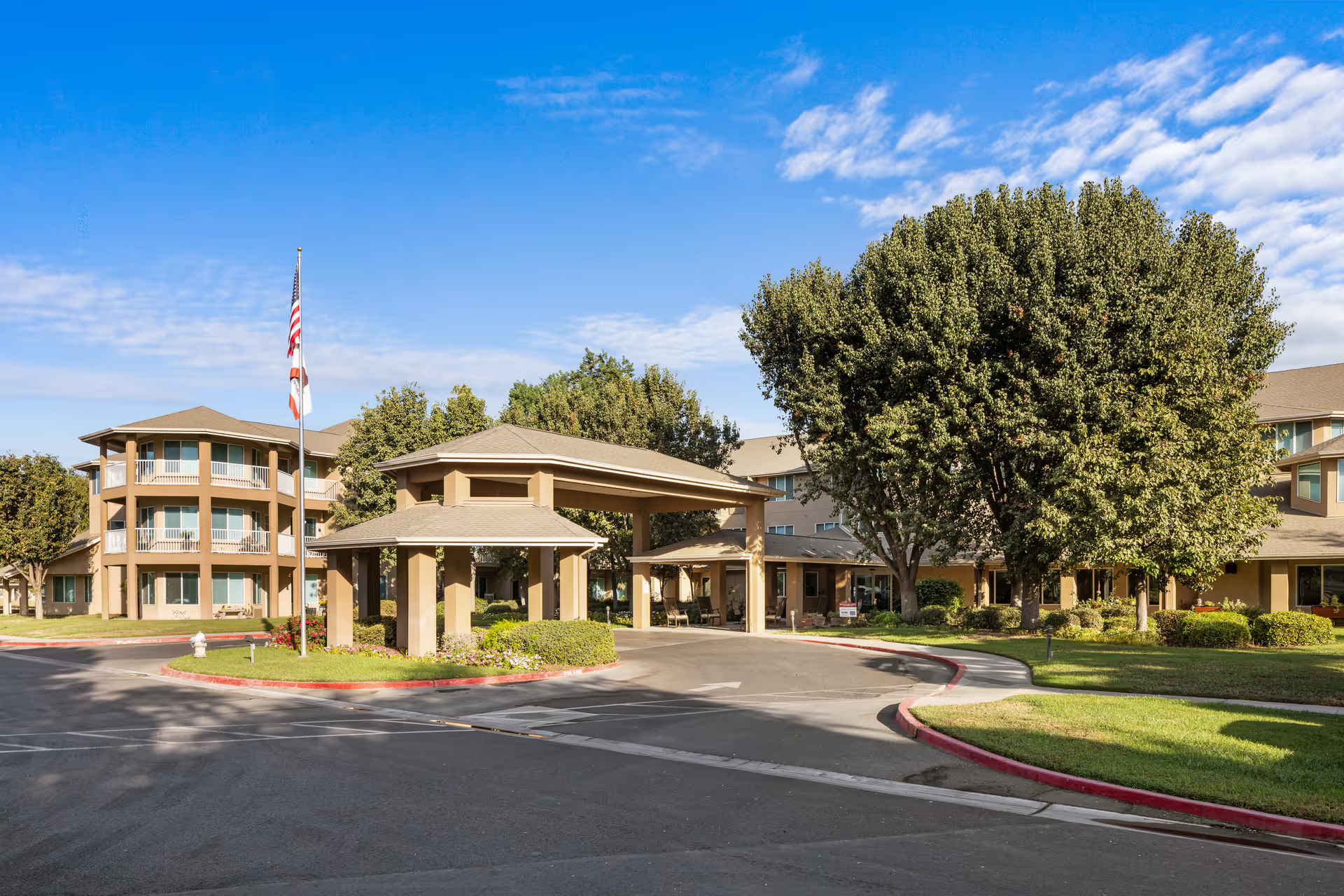
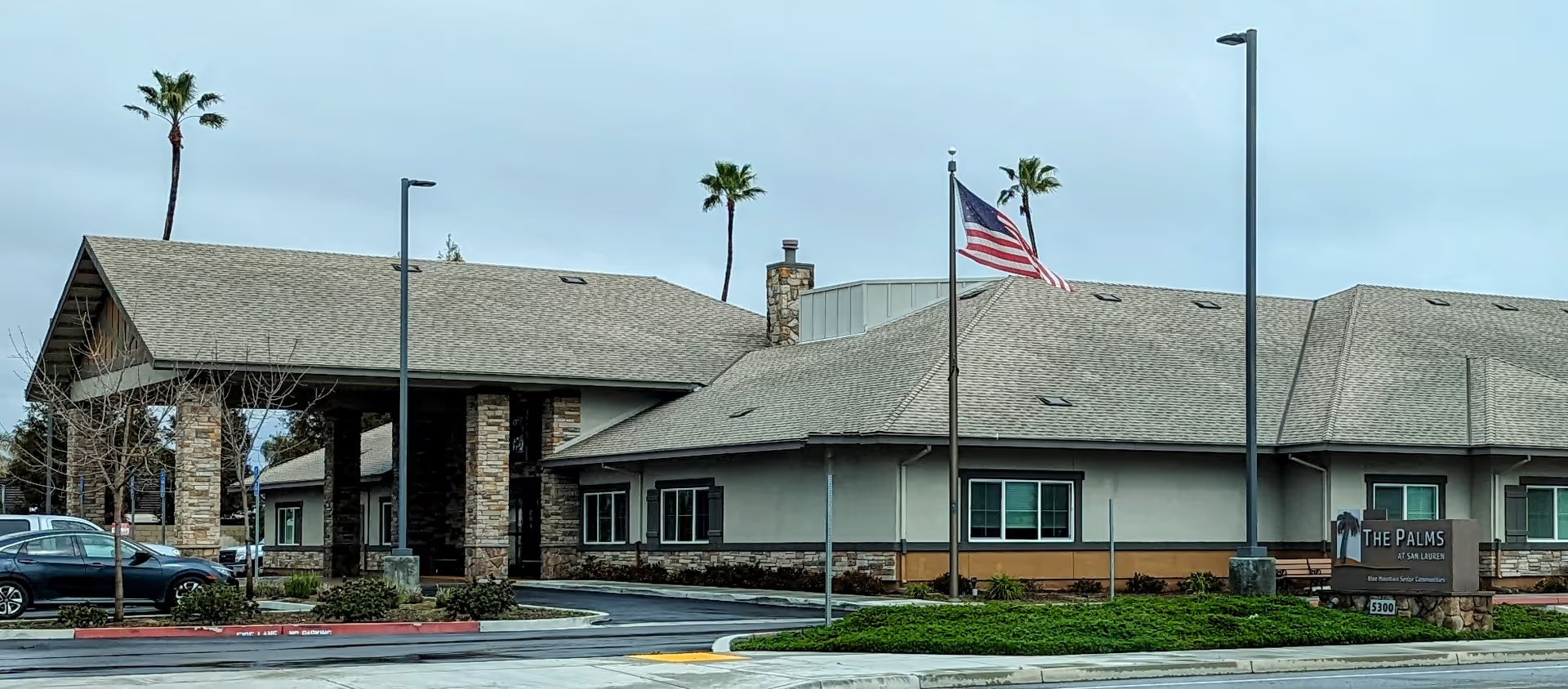
Delano District Skilled Nursing receives predominantly positive feedback for its everyday atmosphere and interpersonal care. Many visitors and family members describe a clean, odor-free facility with an approachable reception team and an organized check-in process. The building has benefited from recent cosmetic updates and a facelift that reviewers say improves navigability and first impressions. Activity programming—ranging from cultural events to dance entertainment—appears robust and contributes to a lively, home-like environment that families find comforting.
Clinical care and staffing elicit mixed but informative perspectives. A substantial portion of comments praise compassionate, attentive nursing staff, clear care plans, and staff who prioritize residents’ dignity and quality of life. Several accounts specifically note helpful night-shift personnel and proactive coordination of medical appointments. At the same time, there are recurring operational concerns: inconsistent staffing levels and gaps in responsiveness during certain shifts, especially overnight, which can create delays in attention for some residents. There are also concerns framed around medication management and the potential impact on resident alertness; these comments suggest the facility would benefit from clearer medication oversight and family communication around pharmacologic plans.
Facilities and environmental maintenance are generally viewed positively, with praise for cleanliness, renovated public areas, and effective visitor screening. However, reviewers also point to areas needing attention: variable sanitation standards between units, some rooms that would benefit from cosmetic refurbishment, and specific maintenance items such as floor waxing and missing handrails. Temperature control in parts of the building was raised as an operational comfort issue in a number of comments.
Management and operations show both strengths and opportunities. Families frequently acknowledge good communication channels and individualized care planning; these operational strengths support resident-centered care. Conversely, there are signs of organizational inconsistency—scheduling, staffing distribution, and on-shift prioritization appear uneven at times. Addressing these workflow and staffing patterns, and strengthening medication-management oversight and unit-level sanitation consistency, would help resolve the most substantive concerns raised.
Overall, the facility’s strengths lie in its interpersonal culture, visible cleanliness, activity programming, and welcoming reception. Prospective residents and families should weigh these positive patterns against operational caveats: variability in staffing responsiveness, some maintenance and temperature-control issues, and questions about medication management. For families, recommended next steps would be an in-person tour focusing on room condition, a conversation with clinical leadership about medication oversight and staffing patterns, and observation of activity programming and mealtime or evening staffing to assess responsiveness during different shifts.