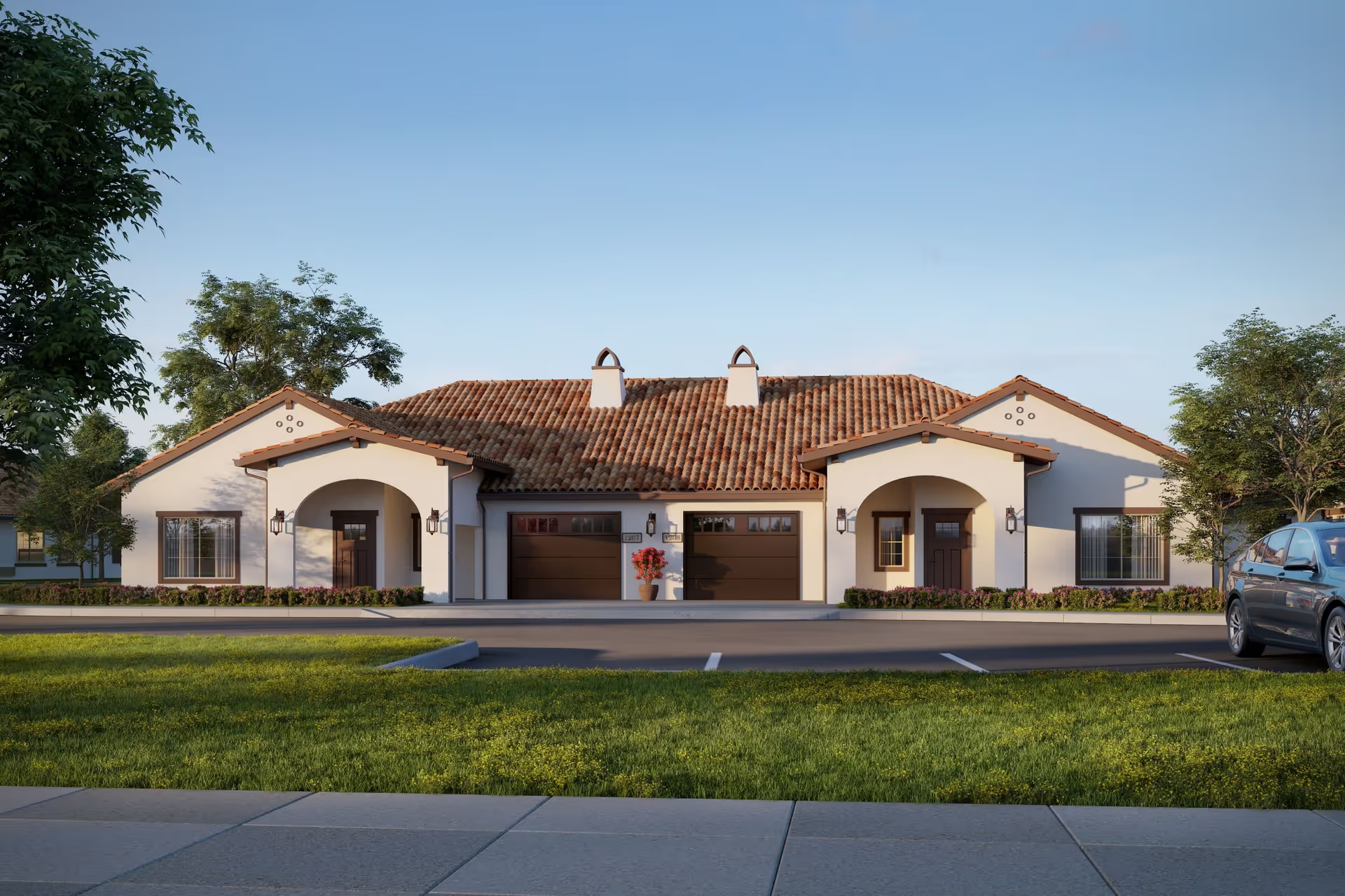
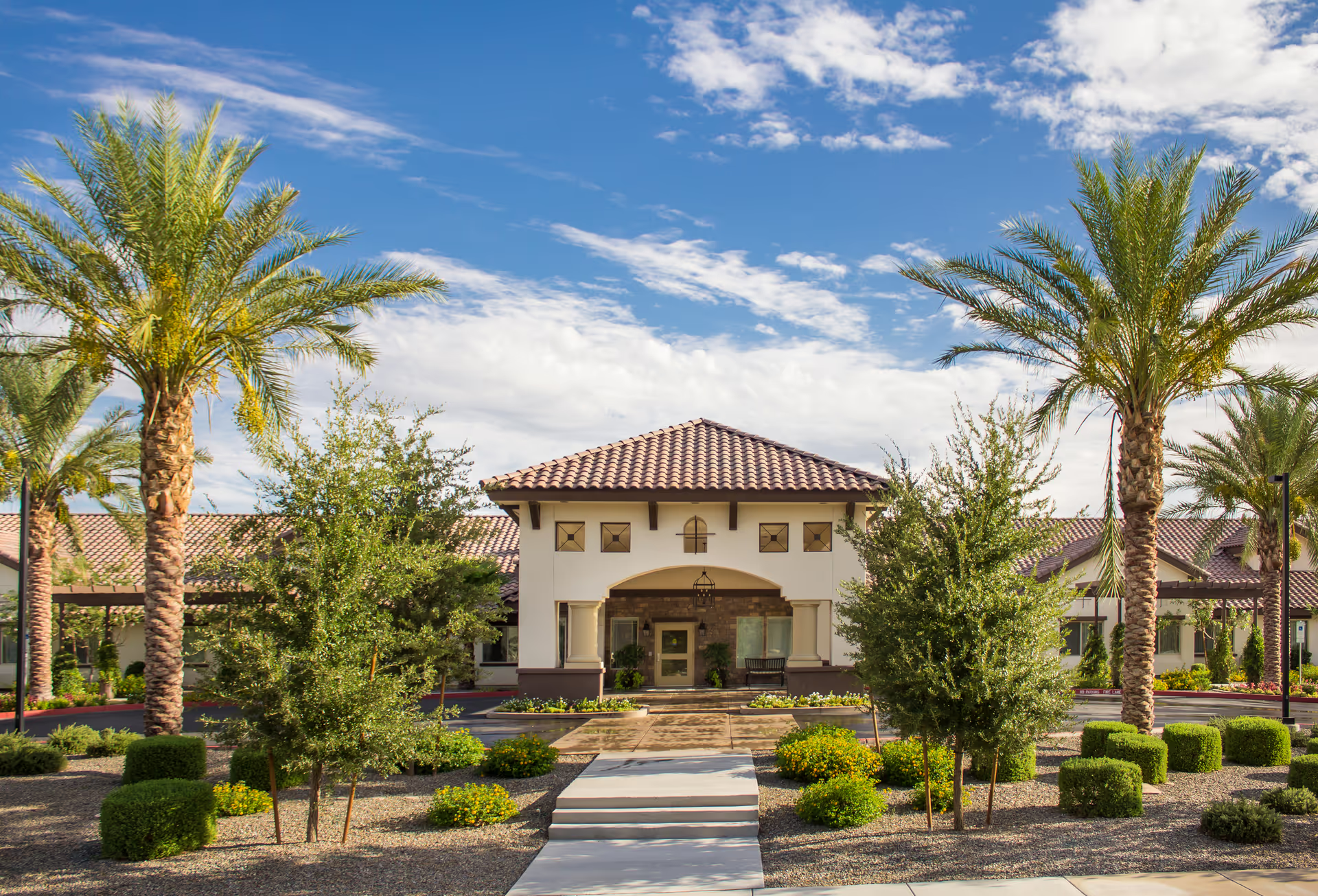
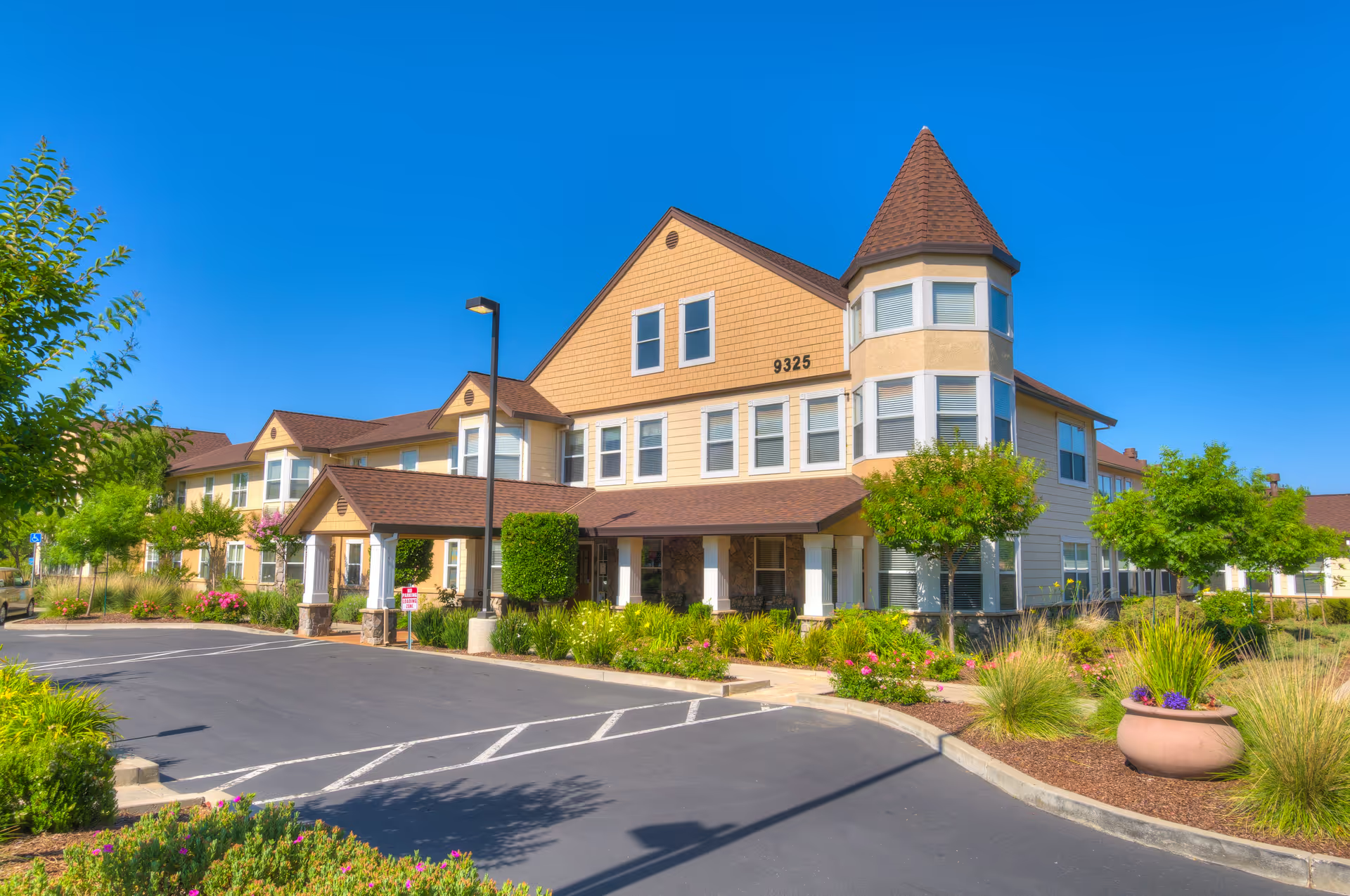
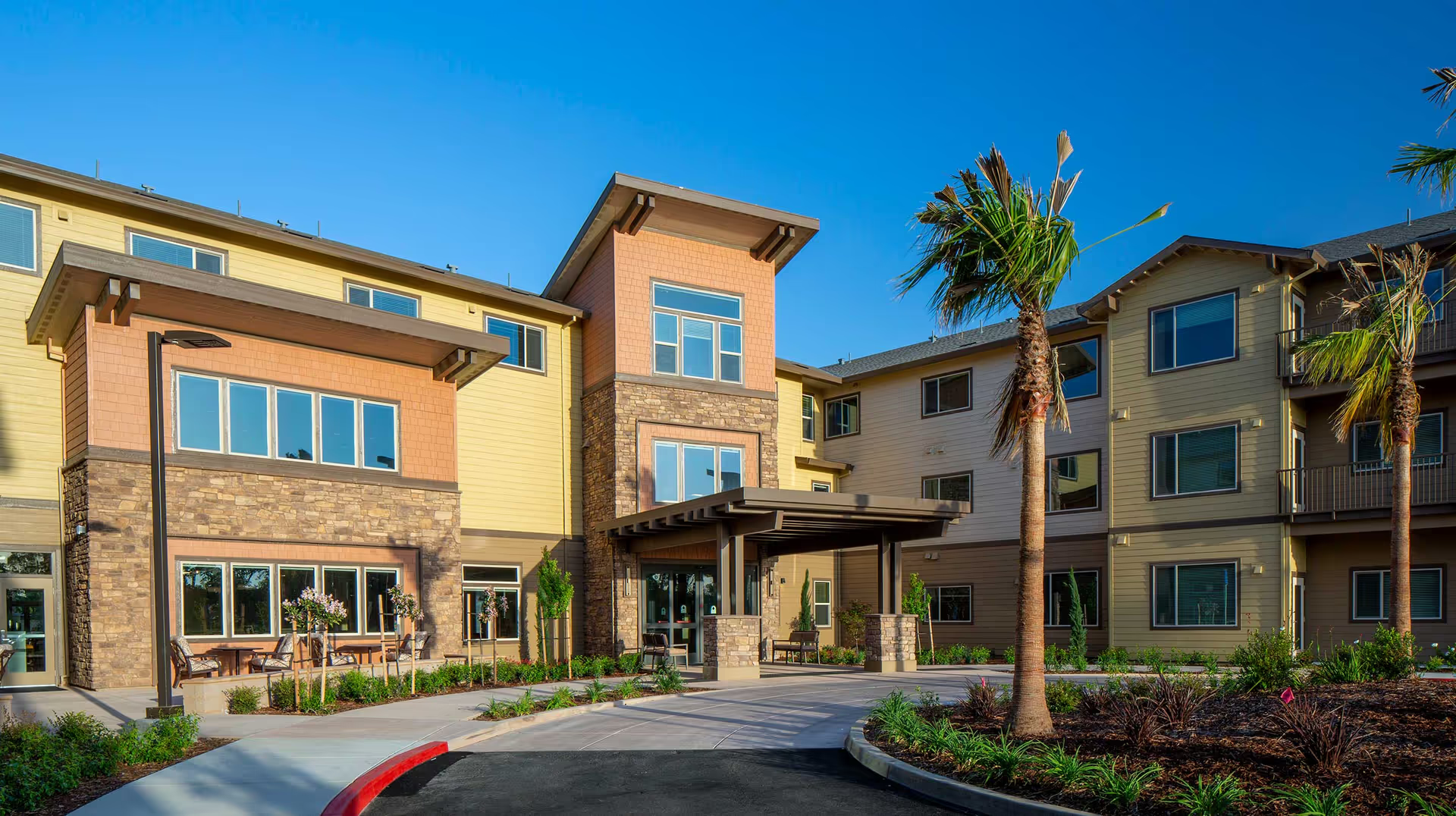
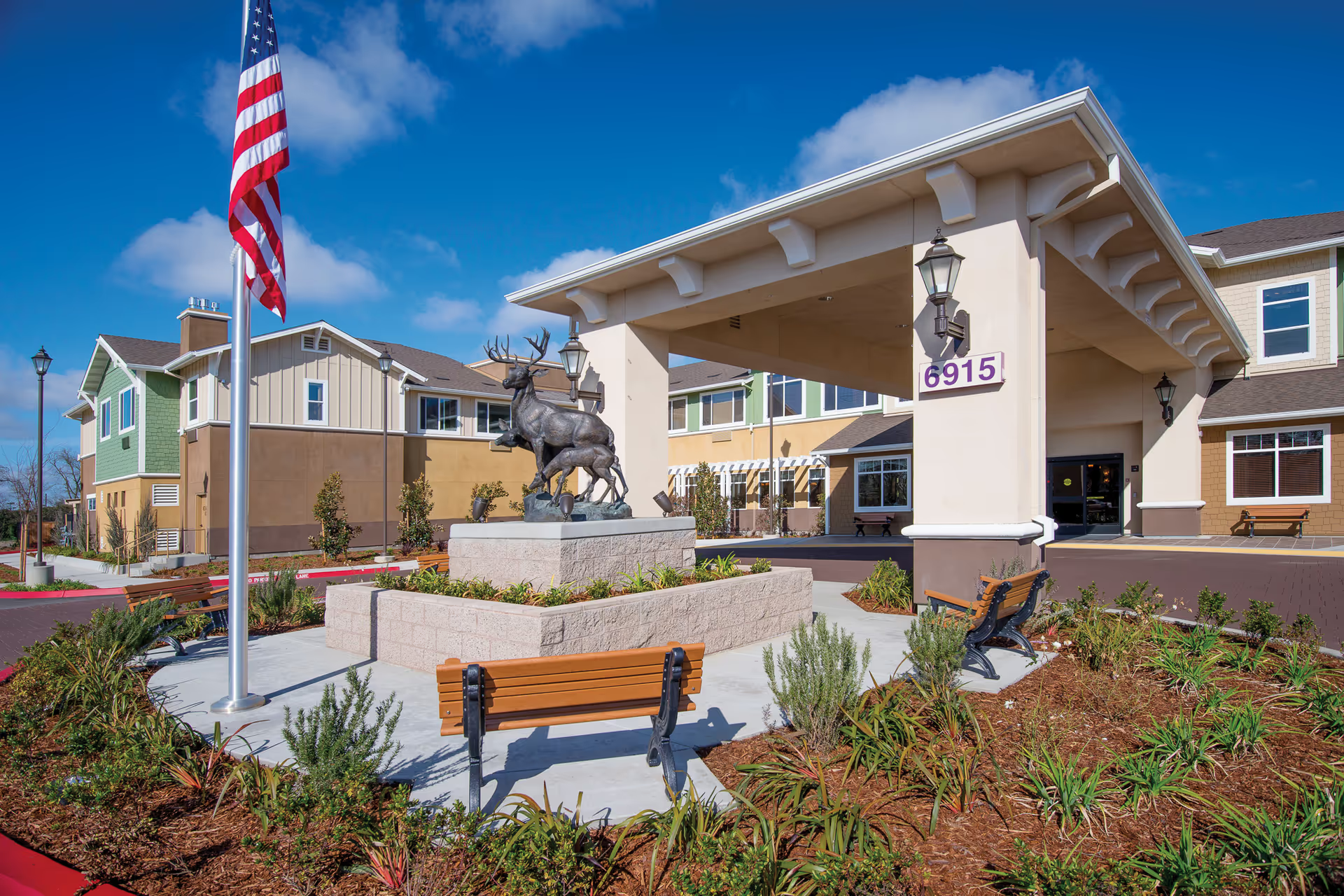
Overall impression: The Commons at Elk Grove is consistently described as a clean, well‑appointed community with an emphasis on hospitality and resident engagement. Reviewers frequently praised the facility’s bright, modern aesthetic, extensive common areas and resort‑style amenities such as a salon, movie theater, library, fitness area, bistro and outdoor putting green. Housekeeping, maintenance and visible sanitation practices receive regular positive mention, and the campus includes both renovated and newer construction elements that contribute to a generally fresh, welcoming appearance.
Care and staff: Staffing and day‑to‑day caregiving are commonly framed as a core strength. Families and residents describe caregivers, nurses and management as compassionate, approachable and responsive. Management availability and staff knowledge are repeatedly noted, and many reviewers observed proactive check‑ins, good medication management in routine situations, and an overall resident‑first culture. However, there is a recurring pattern of variability: several accounts point to inconsistent staffing levels (especially on weekends or nights), occasional turnover, and uneven responsiveness within the memory‑care unit. Those operational gaps have been significant for a subset of families and are an important area to clarify during a tour or admission discussion.
Dining and nutrition: Dining is presented as a strong element of the community, with a chef‑driven program, restaurant‑style dining rooms, bistro options and accommodating meal flexibility. Many reviewers praised menu variety, special events and chef willingness to adapt meals. At the same time, taste and quality are subjective: some families found meals excellent while others described the food as mediocre or not to their preference. The community appears responsive to feedback about menu options, but prospective residents should sample meals and review dining policies and hours to match expectations.
Activities and social life: The Commons offers an extensive activities calendar — exercise classes (including chair‑based programs), music nights, bingo, arts, movie nights, field trips and social events like ice cream socials and family days. Memory‑care programming includes structured engagement and a secure, circular floor plan designed to reduce disorientation. Most reviewers report active, engaged residents and a robust social environment; a minority noted fewer activities or occasional quiet periods, which suggests activity levels can vary by resident cohort and time (for example, during pandemic restrictions or staffing transitions).
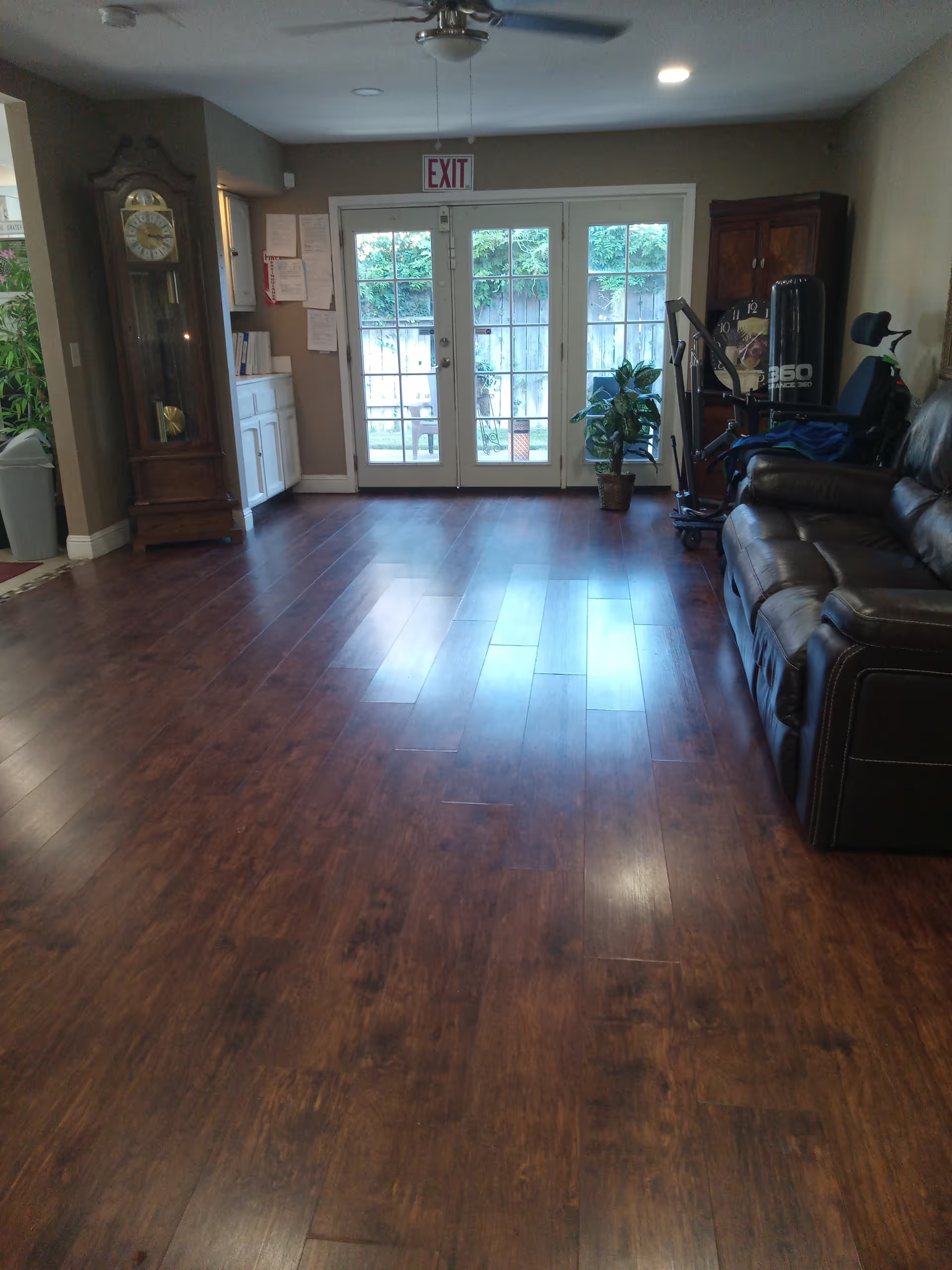
Facilities and safety: Physical features are often described positively: wide halls, secure memory‑care design, multiple elevators, apartment‑style units with kitchenettes in many rooms, locks/peepholes for security and plenty of communal seating. Outdoor gathering opportunities exist but are more limited than indoor amenities, and some reviewers found the overall floorplan confusing for first‑time visitors. A number of families highlighted the community’s clean, home‑like atmosphere, while others noted differences between older renovated sections and newer wings — overall upkeep is generally well regarded.
Management, billing and admissions: Management accessibility and follow‑up are strengths cited by many families, and tours are typically thorough and informative. That said, there are patterns of concern around billing transparency and extra‑care charges: reviewers expressed uncertainty about gray‑area fees and additional services that may not be included in base rates. A few admissions experiences revealed operational gaps — for example, issues with medication authorization or documentation during intake — suggesting prospective residents should review contract language, ask for a clear breakdown of ancillary charges, and clarify medication/medical‑authorization requirements before move‑in.
Notable patterns for prospective families: The dominant positive theme is an engaged, compassionate staff and a broad amenity set that supports social, recreational and clinical needs across levels of care. Key operational cautions are high cost relative to some alternatives, occasional variability in memory‑care staffing and responsiveness, potential billing opacity for extra services, and a floorplan that can feel disjointed to visitors. Prospective residents should schedule a meal sampling, inquire specifically about memory‑care staffing patterns and weekend coverage, request a sample monthly statement detailing common ancillary charges, and observe daily activity schedules to ensure alignment with personal preferences.