The Tahoe presents as a small, home-like assisted living provider with consistently positive feedback about day-to-day caregiving and social engagement. Families and visitors frequently describe staff as warm, patient, and attentive; caregivers are noted to personalize support, adjust care plans when requested, and maintain regular communication with relatives. The facility reports a dementia-focused orientation and an emphasis on maintaining resident dignity through one-on-one engagement and family-inclusive activities, which contributes to high overall satisfaction among occupants and their families.
Clinical care and staff responsiveness are strengths in this setting. Reviewers highlight proactive clinician involvement, willingness to alter care when needed, and a pattern of clear communication between staff and families. These elements support a perception of a high level of care. That said, there are operational patterns that prospective families should monitor: some described challenges coordinating medical care during the initial move-in or transition periods, indicating potential gaps in handoffs or onboarding processes that can temporarily affect continuity of care.
Dining and programming are prominent positives. Meals are described as home-cooked, well-proportioned, and healthy, with alternatives available and regular snacks between formal meals. Activity programming is active and varied—music sessions, group exercises, outdoor walks, and family events such as block parties and themed gatherings—supporting social stimulation and a lively communal atmosphere. The small community size is consistently framed as a benefit for individualized attention and a less institutional feel.
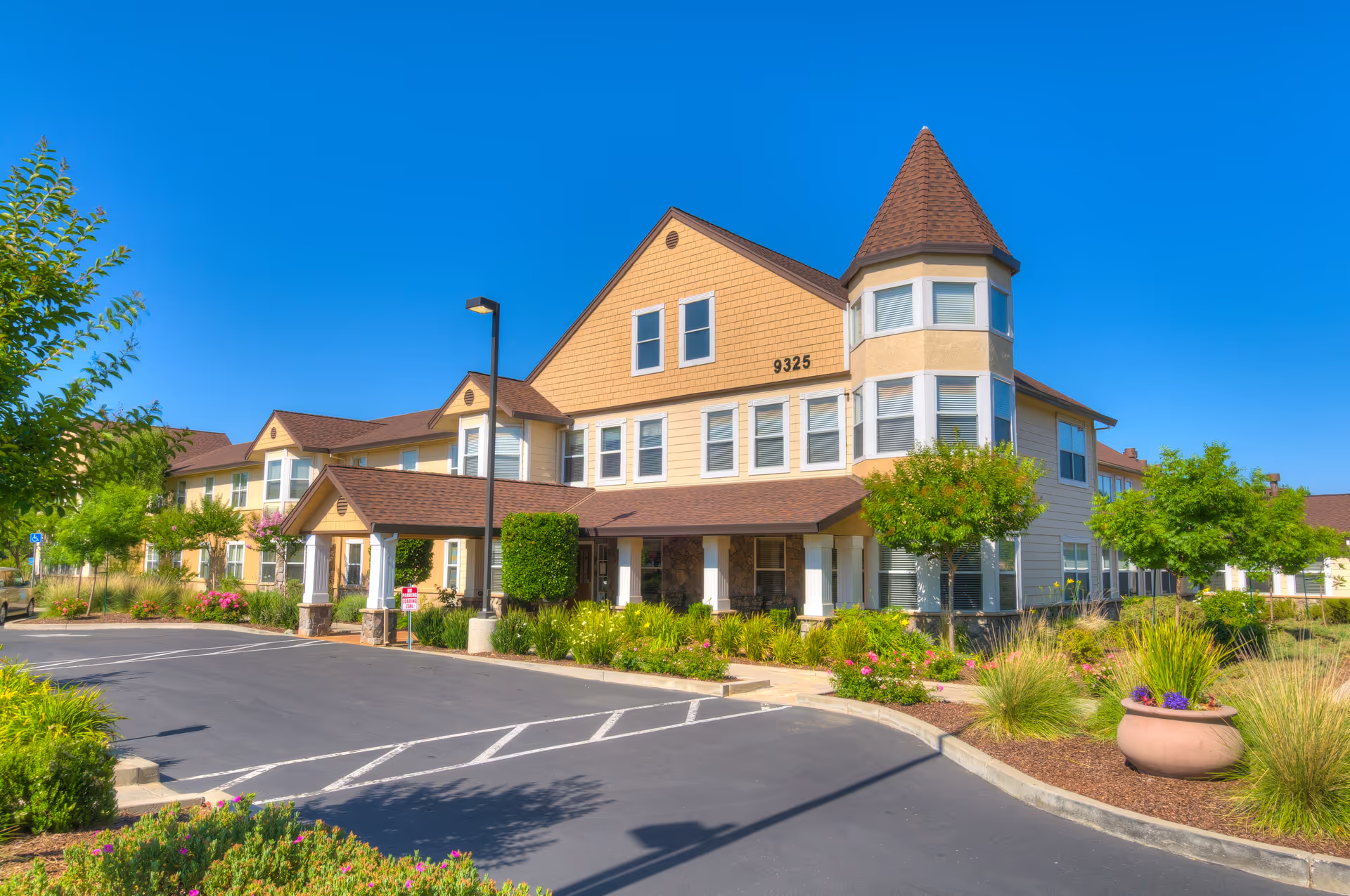
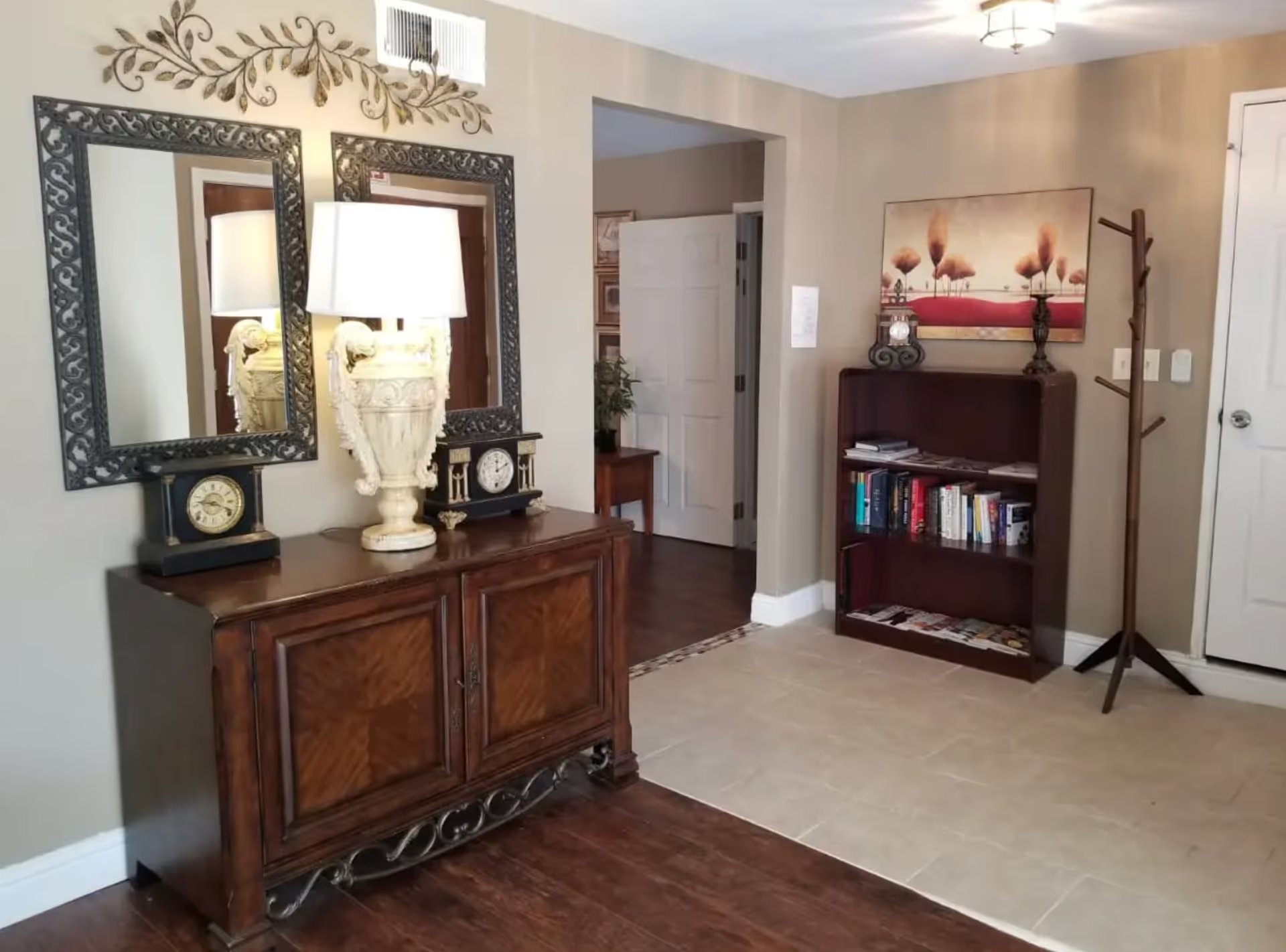
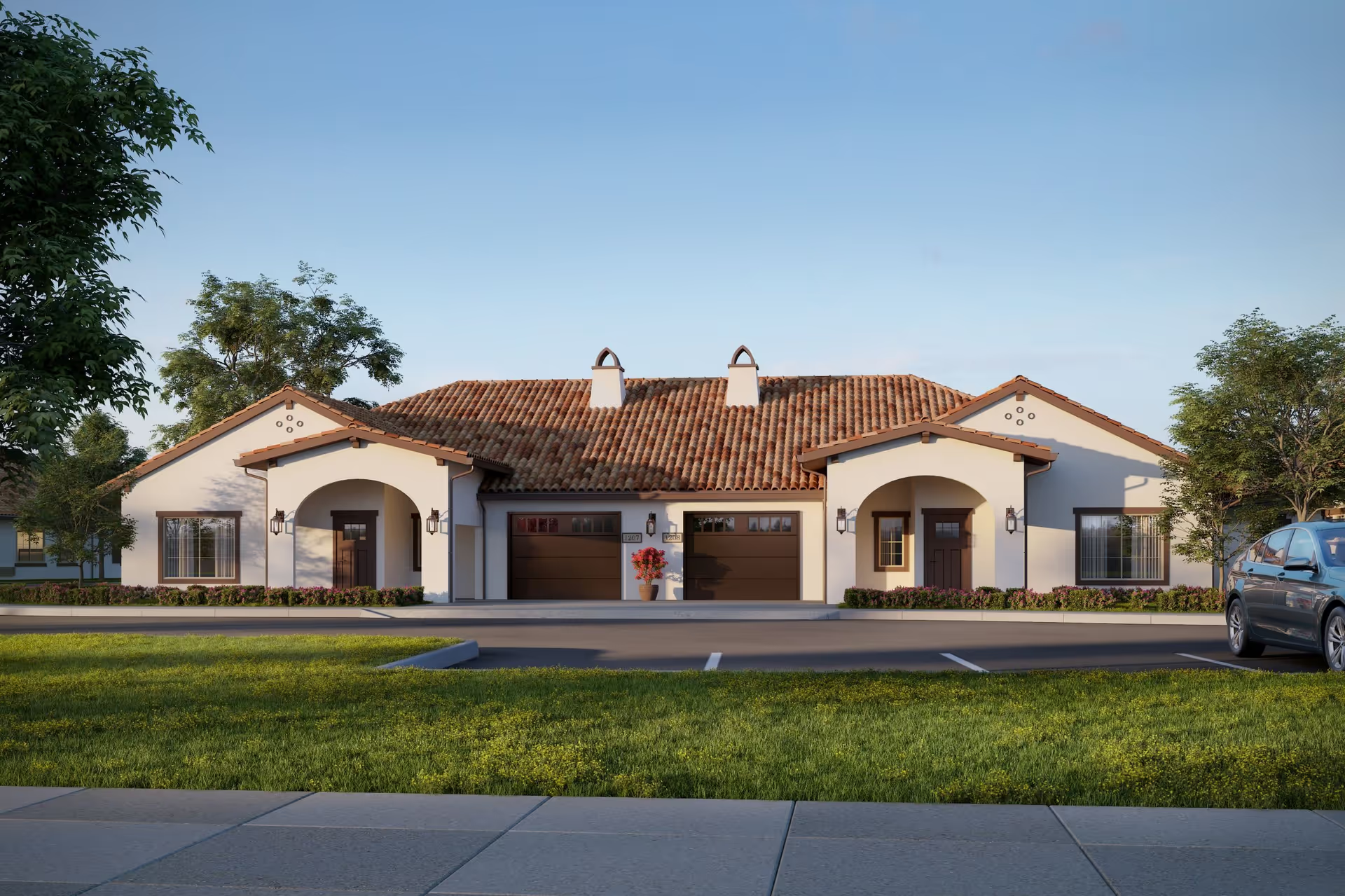
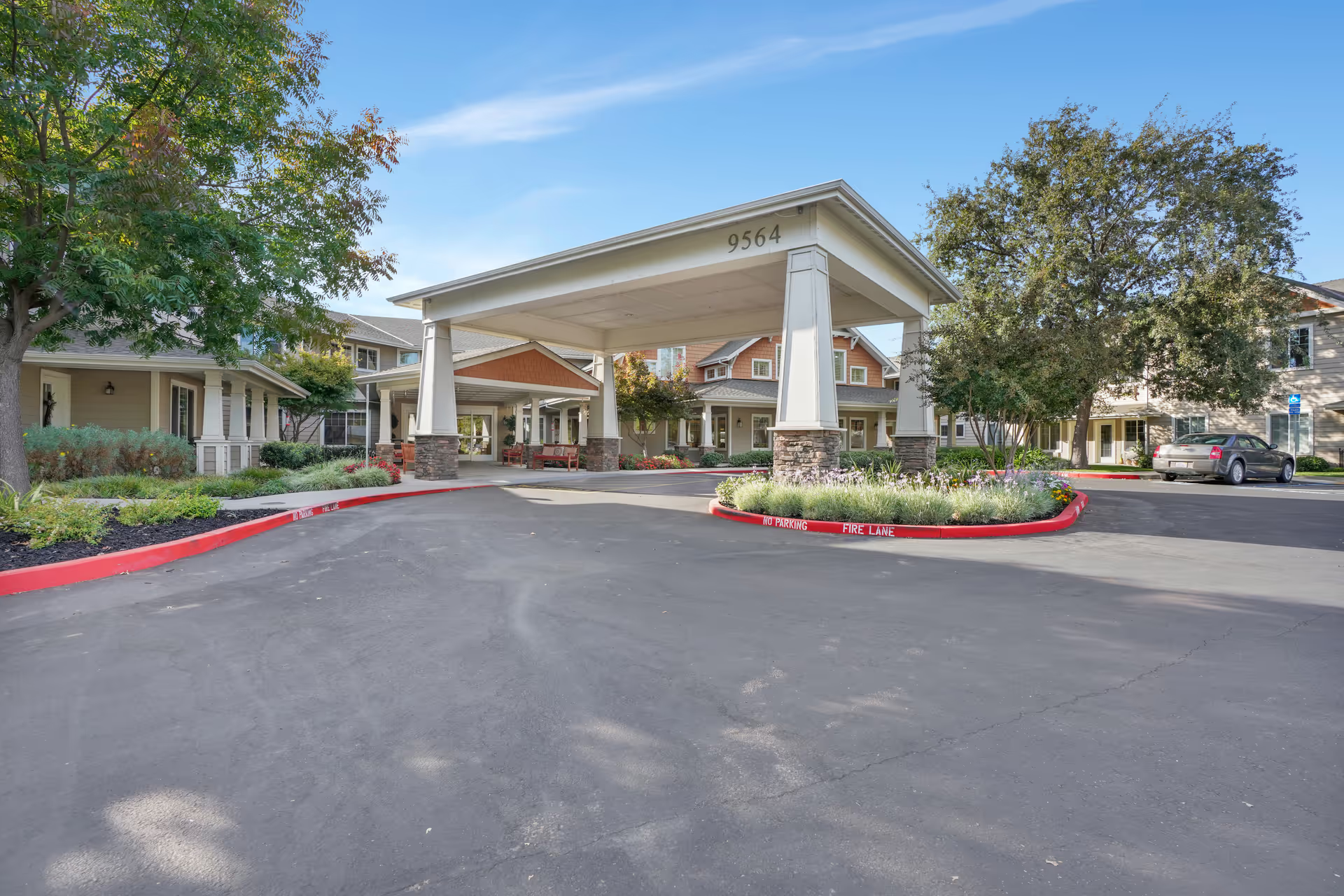
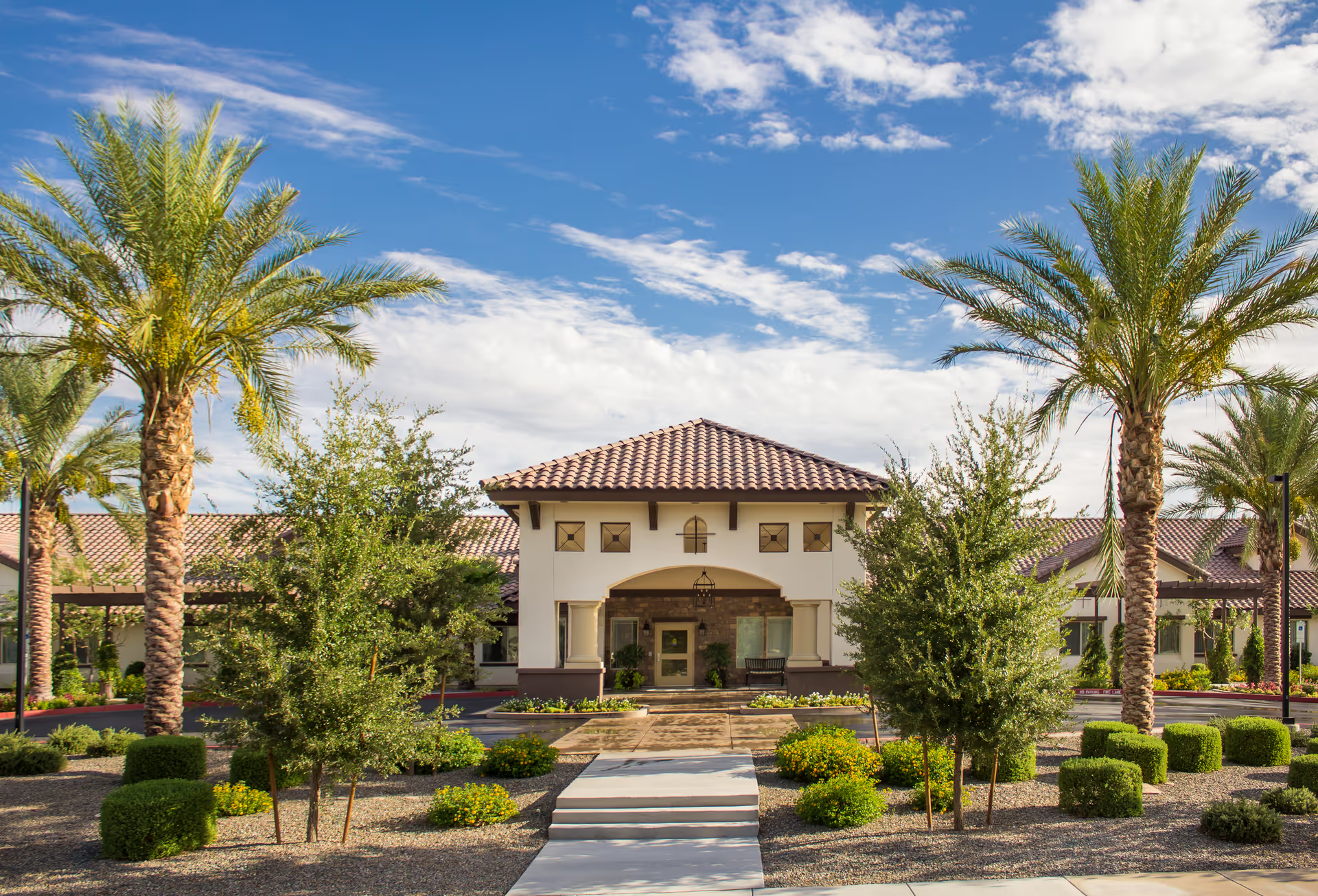
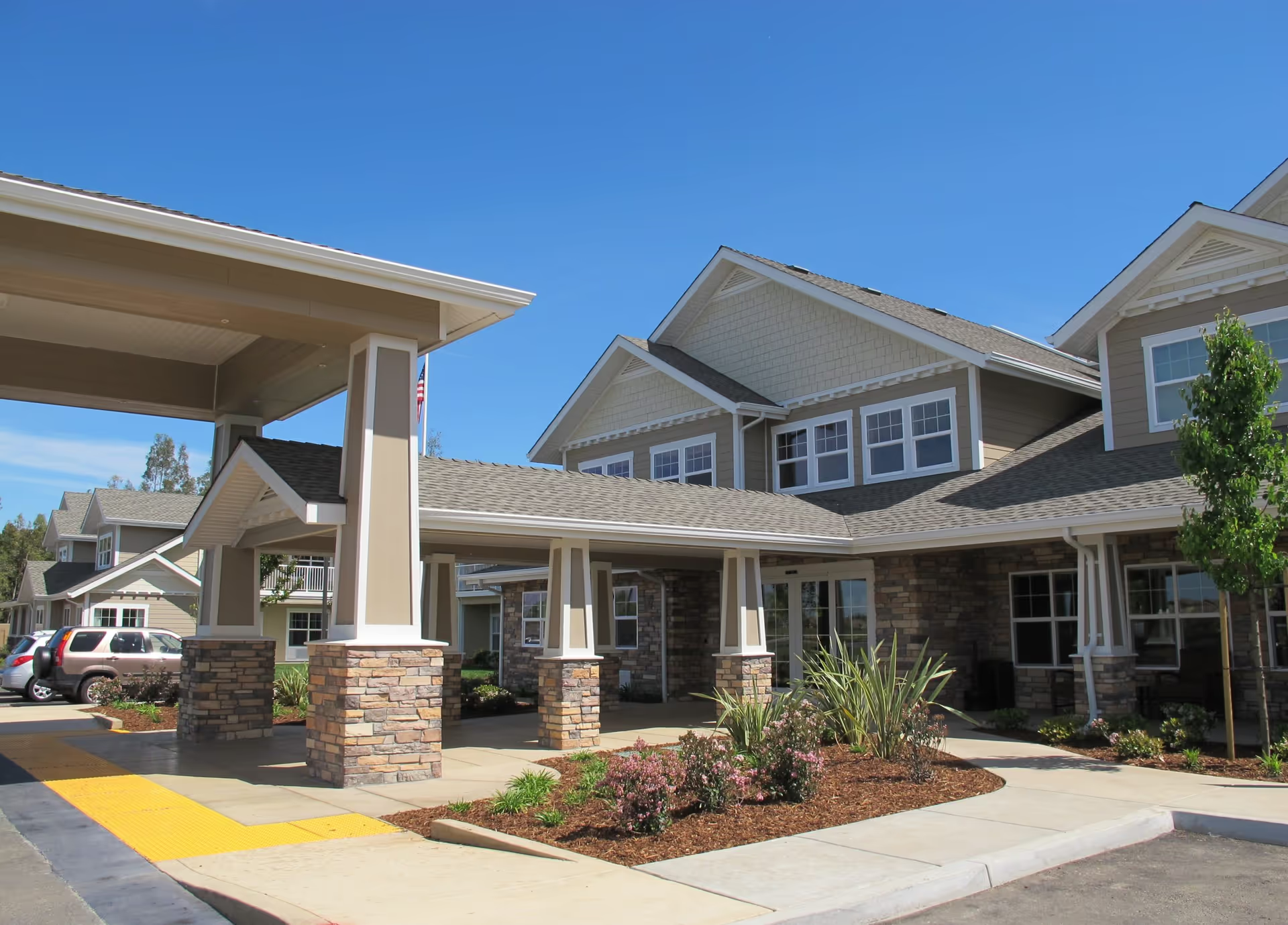
The physical environment is generally regarded as comfortable and clean, with bright common spaces, large windows, and a backyard that supports outdoor time. At the same time, reviewers note that parts of the facility could benefit from maintenance or cosmetic updating to match contemporary expectations. Operationally, some families experienced inflexibility around move-in furnishing requirements, and a few described inconsistent adherence to personal grooming schedules (for example, bathing/hair care timing), which points to variability in routine personal-care practices.
Overall, The Tahoe appears to deliver strong, person-centered caregiving within a small, family-oriented setting, with notable strengths in staff responsiveness, dementia-focused activities, and meal quality. Prospective residents and families should weigh these strengths against the need for periodic facility updates and ask specific questions about transition processes, grooming routines, and move-in expectations to ensure alignment with their needs.