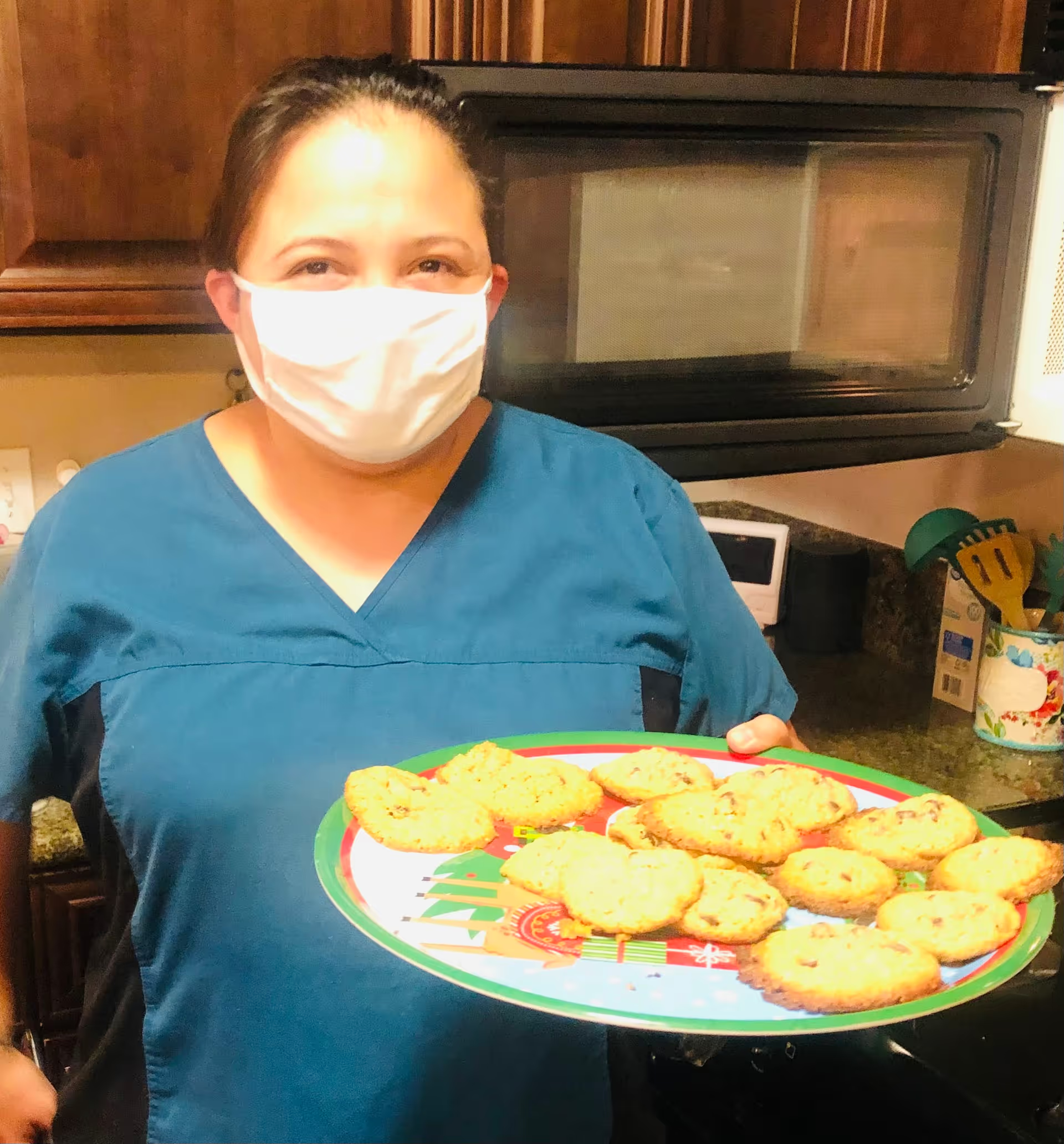
Sunrise of Fair Oaks is consistently described as a warm, home-like assisted living community with a strong emphasis on personalized caregiving and resident engagement. The most frequently cited strengths are the frontline staff — described as compassionate, attentive, and relationship-oriented — and a generally clean, well-maintained interior with bright, roomy apartments that feature large windows and natural light. Families note staff continuity among caregivers, individualized attention, and engaged executive leadership who are often accessible to discuss care. Memory-care programming, spa-like bathing and grooming services, and coordinated move-in transitions are additional care-area strengths cited by reviewers.
Dining and activities are prominent features. The community offers a restaurant-style dining program, an on-site menu with in-room dining options, and a wide range of scheduled activities including exercise groups, games, outings, live music, church services, and social events. Transportation for excursions and a multi-area activity offering (movie room, library, recreation room) support social engagement. Reviewers generally praise the quality of meals and the variety of programming, though there are repeated comments indicating variability between the advertised dining experience and the day-to-day implementation.
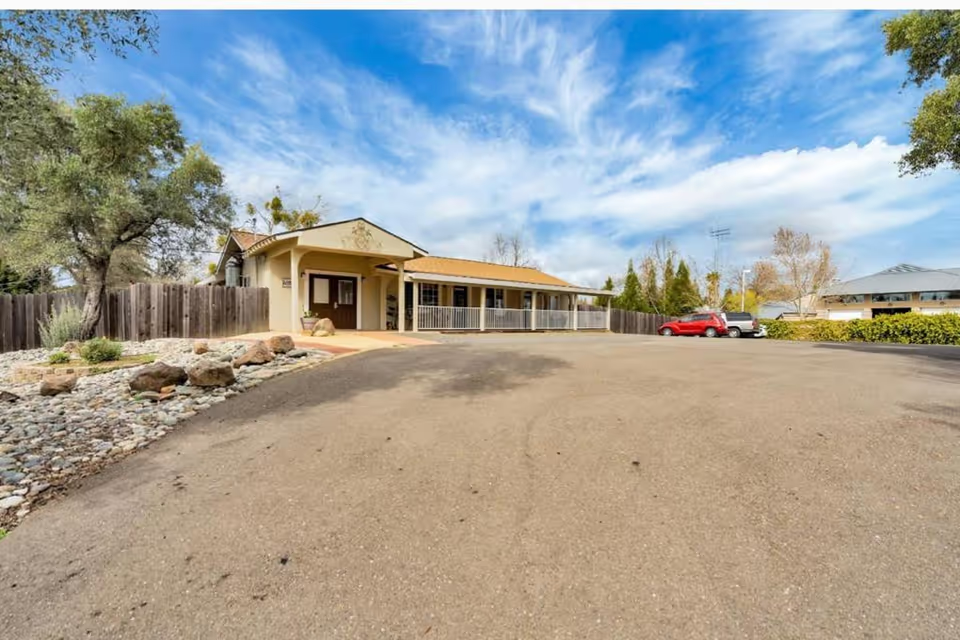
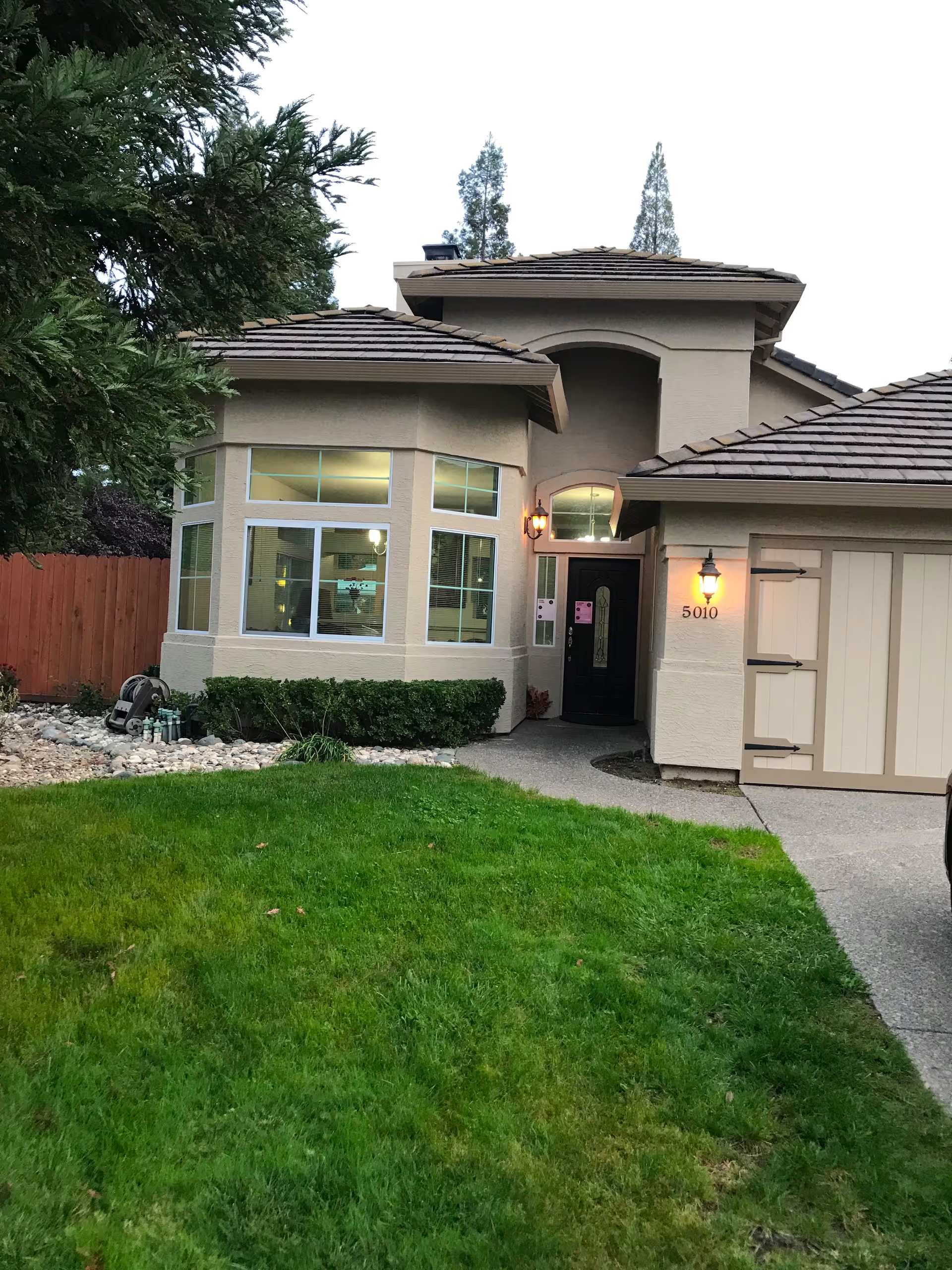
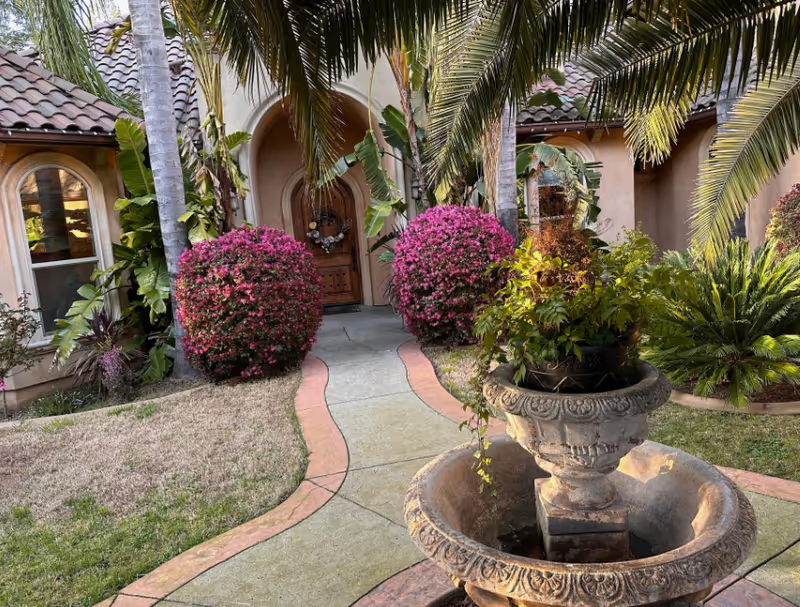
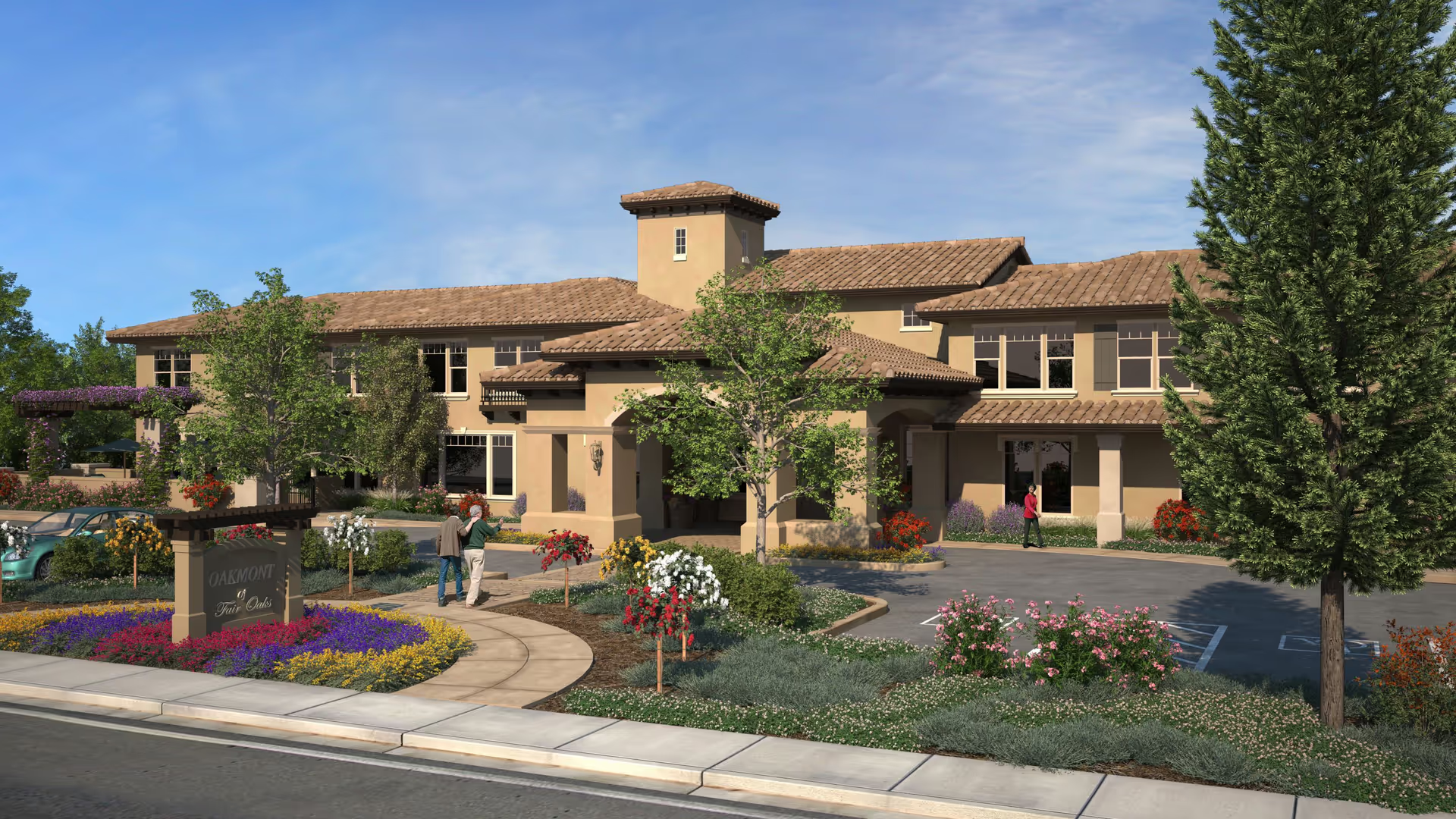
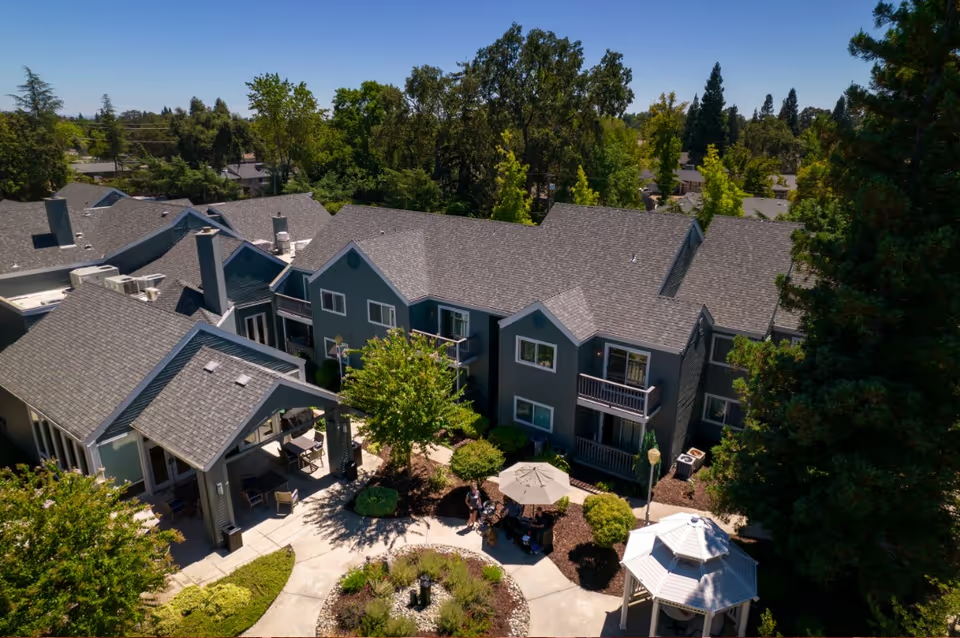
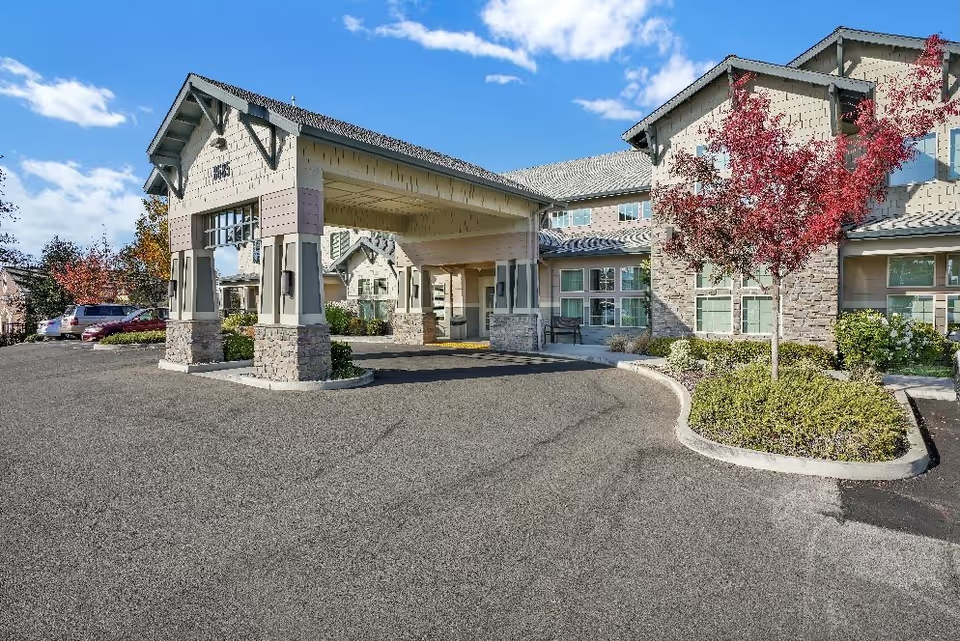
Facility and amenity observations are mixed. Many reviewers describe the interior as bright, comfortable, and well-kept with attractive common areas, gardens, and pet-friendly policies. At the same time, others note an aging exterior, ongoing renovations that have taken longer than anticipated, limited outdoor walking space, and constrained common-area sizing. Practical constraints such as limited parking and occasional layout-related accessibility challenges (for example, routes to dining areas) were also mentioned.
Operational and management patterns are an important nuance. While numerous families praise responsive leadership and a residents-first culture, several reviews identify issues with managerial continuity (leadership turnover), intermittent gaps in clinical documentation and care-plan adherence, and inconsistent communication among staff and with families. Clinical coverage is another recurring theme: some families experienced limitations in nursing hours or scope of clinical services, and there are occasional discrepancies between advertised clinical resources and what was available in practice. These operational inconsistencies can translate into uneven execution of activities, meal service, and clinical follow-up in specific cases.
Overall impression: Sunrise of Fair Oaks appears to deliver high-quality, relationship-centered assisted living for many residents, with notable strengths in staff–resident rapport, cleanliness, programming variety, and comfortable living spaces. Concurrently, prospective residents and families should be aware of operational trade-offs — especially around managerial continuity, nursing coverage, communication/documentation practices, and certain facility constraints — and verify those operational details that matter most to their care needs during tours and meetings with leadership.