The reviews present a mixed picture of care at this facility. Positive comments emphasize a core of compassionate, attentive caregivers — particularly certain licensed nurses and CNAs — who create a welcoming atmosphere and make residents feel comfortable. Several family members praised coordinated admissions and transition processes, and some noted a positive shift under newer management and an administrator who facilitated smooth moves from home to facility. Where staffing and leadership align, reviewers describe professional, supportive interactions and individualized attention.
At the same time, multiple operational weaknesses emerge across the feedback. The most consistent concerns are inconsistent responsiveness and communication from staff and administration, which families linked to delays in clinical attention and difficulties getting clear updates. Language barriers among staff were identified as a barrier to efficient care coordination in some interactions. There are also recurring clinical-practice issues cited, including problems with catheter care and emergency-response handling; a few accounts described situations that ultimately required emergency-room evaluation. Equipment reliability — notably call-button function and patient monitoring — was mentioned as contributing to delayed responses.
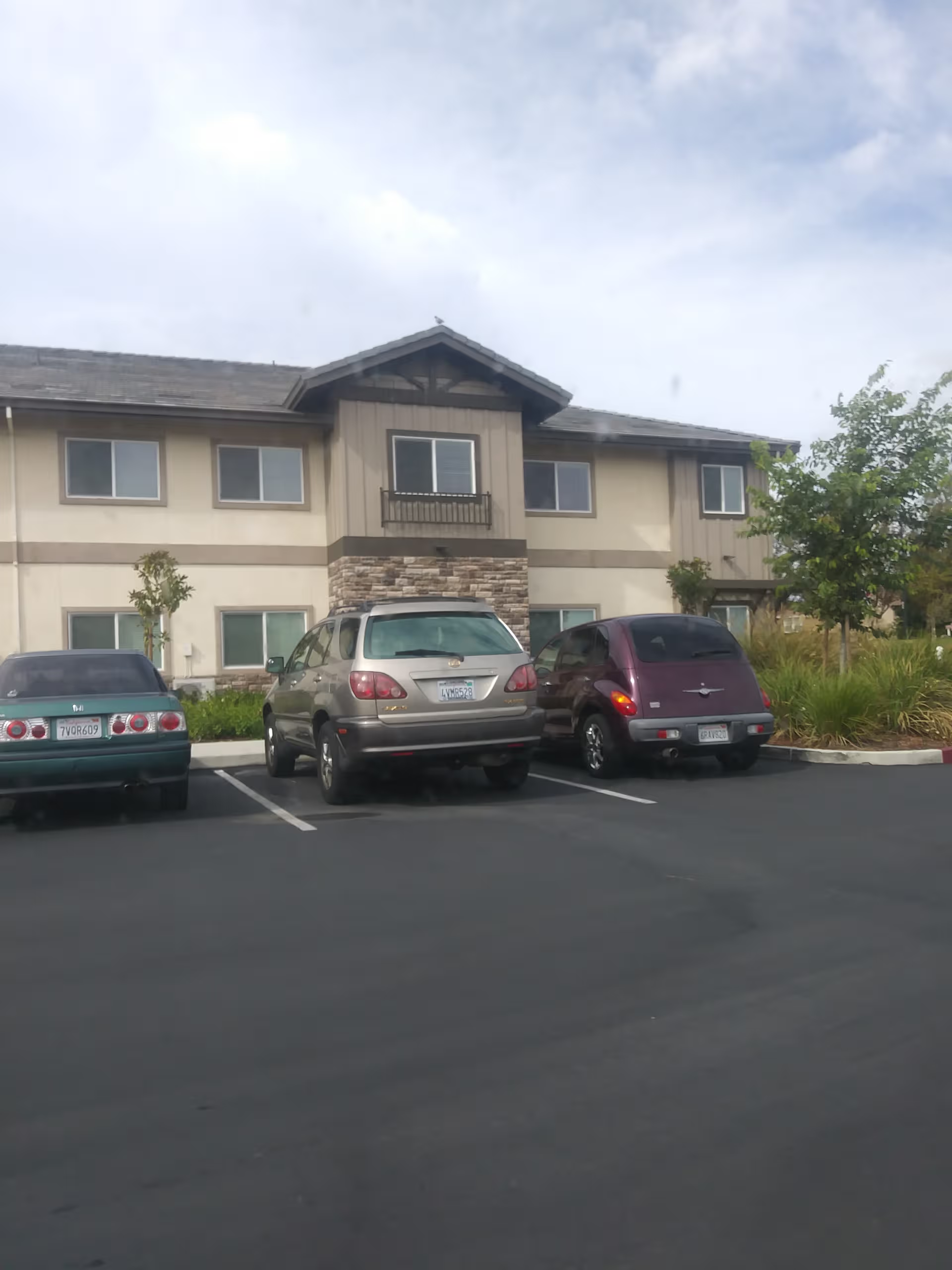
Facility condition and safety were additional areas of concern. Reviewers described an aging building that would benefit from renovation, with maintenance needs and odor or cleanliness issues cited in some common areas. Several comments raised safety-related observations such as resident wandering and limited supervision at certain times. Operational factors like parking constraints and general infrastructure deficits were also noted and can affect family visits and accessibility.
Management impressions are polarized: some families commended a proactive administrator and improved coordination under new leadership, while others experienced unresponsiveness from administrative staff. Staff engagement appears variable across shifts and units — many caregivers are praised for going above and beyond, yet other comments describe low morale or disengagement that correlates with inconsistent care experiences. Dining and activity programs received little specific feedback; the prevalent themes are daily personal care and interpersonal interactions rather than structured programming details.
For prospective residents and families, the pattern suggests that quality may depend on unit, shift, or recent management changes. When evaluating the facility in person, prioritize direct observation of staff–resident interactions, test call-button responsiveness, review clinical protocols for catheter and emergency care, and inspect resident areas for cleanliness and odors. Asking management about language coverage, staff training schedules, supervision practices, and recent corrective actions can help clarify whether strengths cited by many families are broadly consistent across the facility.