Overall impression: Reviewers describe Regency Fallbrook as a smaller, boutique assisted‑living community with a strong emphasis on attentive, personalized caregiving and hospitality‑style services. Clinical supports, including around‑the‑clock nursing and a personalized care‑plan approach, are highlighted alongside long‑tenured staff who are characterized as caring and responsive. Families commonly cite a feeling of safety and peace of mind after transition, and several comments single out hands‑on leadership as a stabilizing influence.
Staff and care quality: The staff are consistently described as compassionate, knowledgeable, and familiar with residents by name. The combination of dedicated caregivers, active nursing presence, and individualized care plans contributes to high satisfaction with daily care and clinical support. There are references to good medical oversight and attentive medication and nursing response; however, reviewers also note occasional gaps in communication and responsiveness that families should monitor during tours and admissions discussions.
Dining and culinary services: Dining is a prominent strength. The community is regularly praised for high‑quality meals, multiple chefs, an open kitchen concept, all‑day dining options, and private dining for family events. The activities of the culinary team and the restaurant‑style dining room contribute to the community’s hospitality feel. That said, a minority of comments indicate inconsistency in meal quality, portioning, or timing (for example, breakfast service delays), suggesting variability that prospective residents may want to sample during a visit.
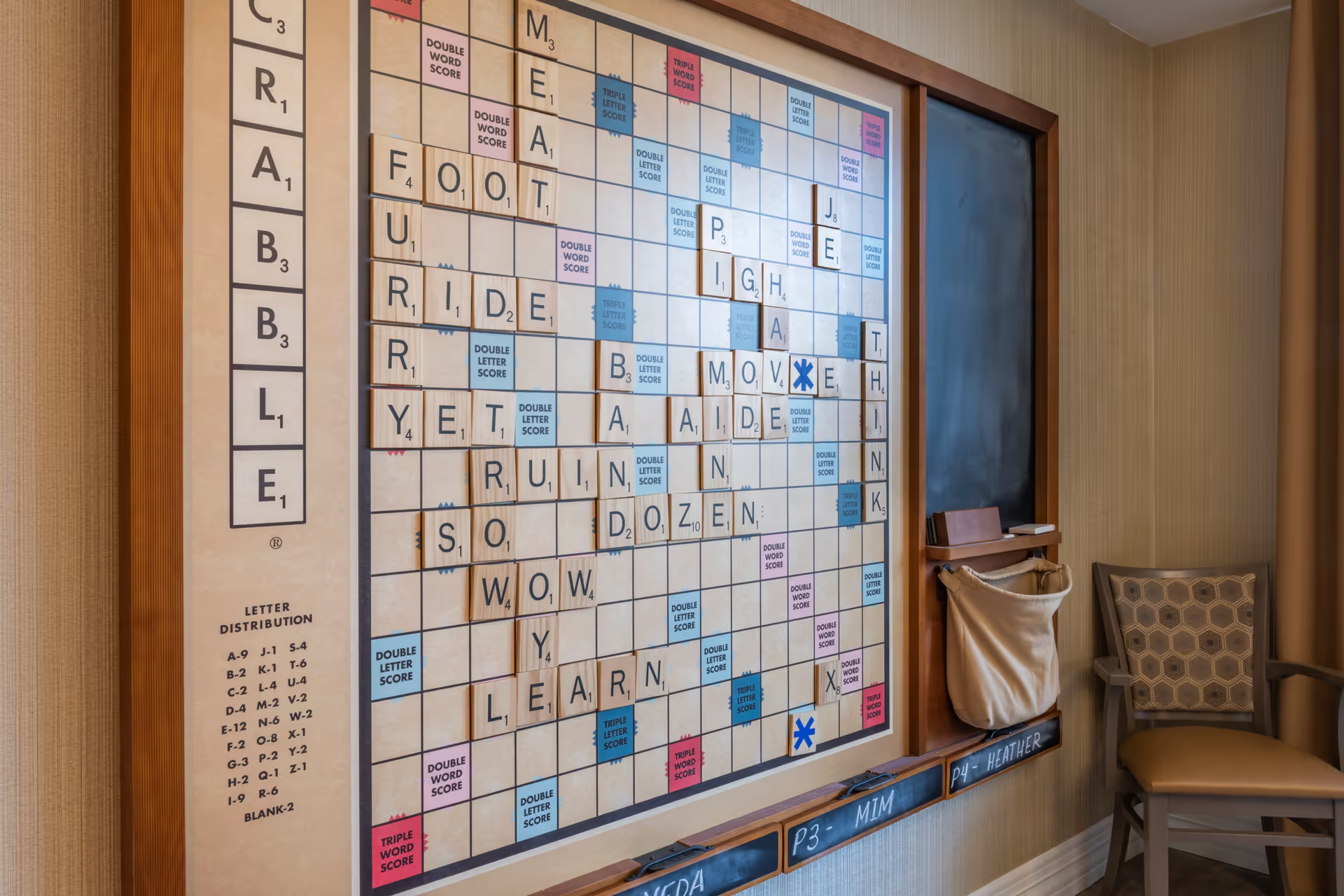
Activities and social life: The activity program is robust and frequently noted as a major positive. An active activities director, daily exercise classes, crafts, group outings (movies, zoos, scenic drives), and frequent offsite excursions are recurring themes. The smaller resident population appears to support social bonding and frequent interpersonal engagement. During infection‑control periods some reviewers experienced a reduced level of group activity; this indicates that programming may contract under certain health precautions.
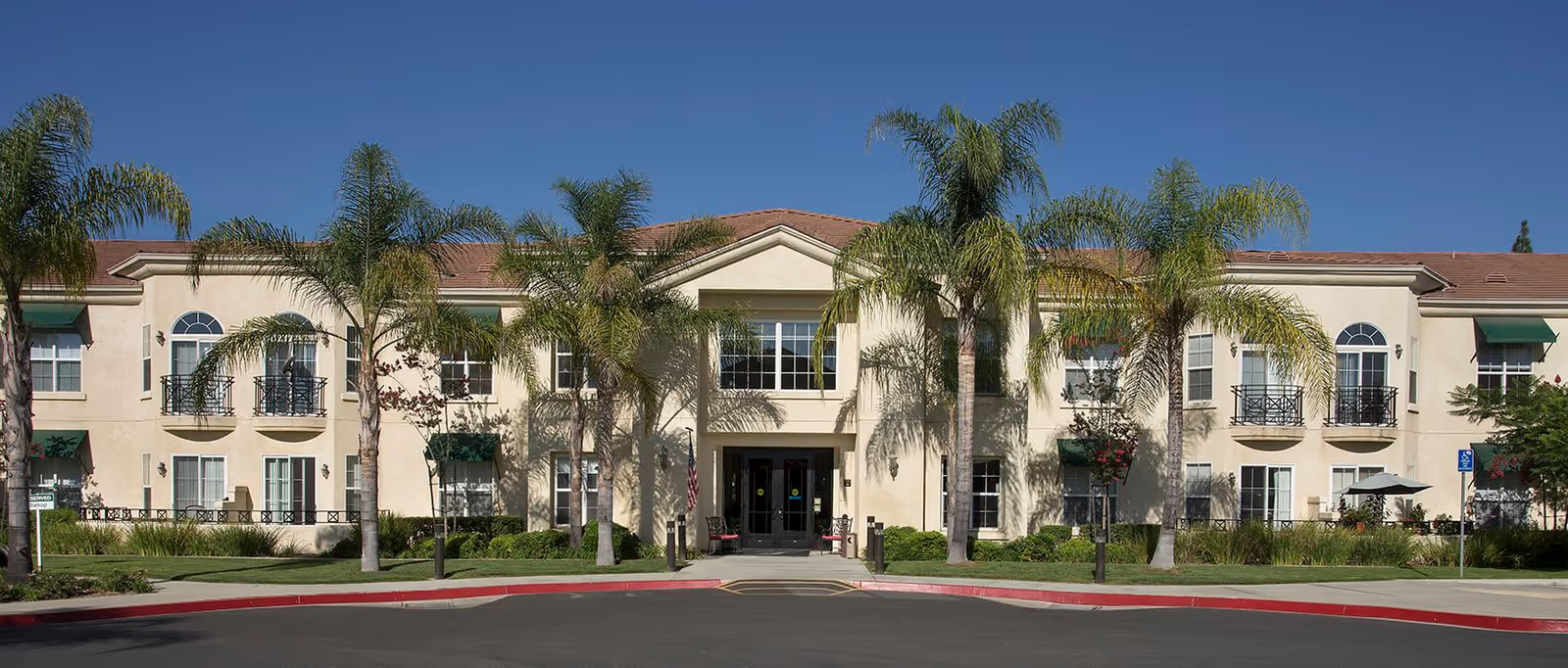
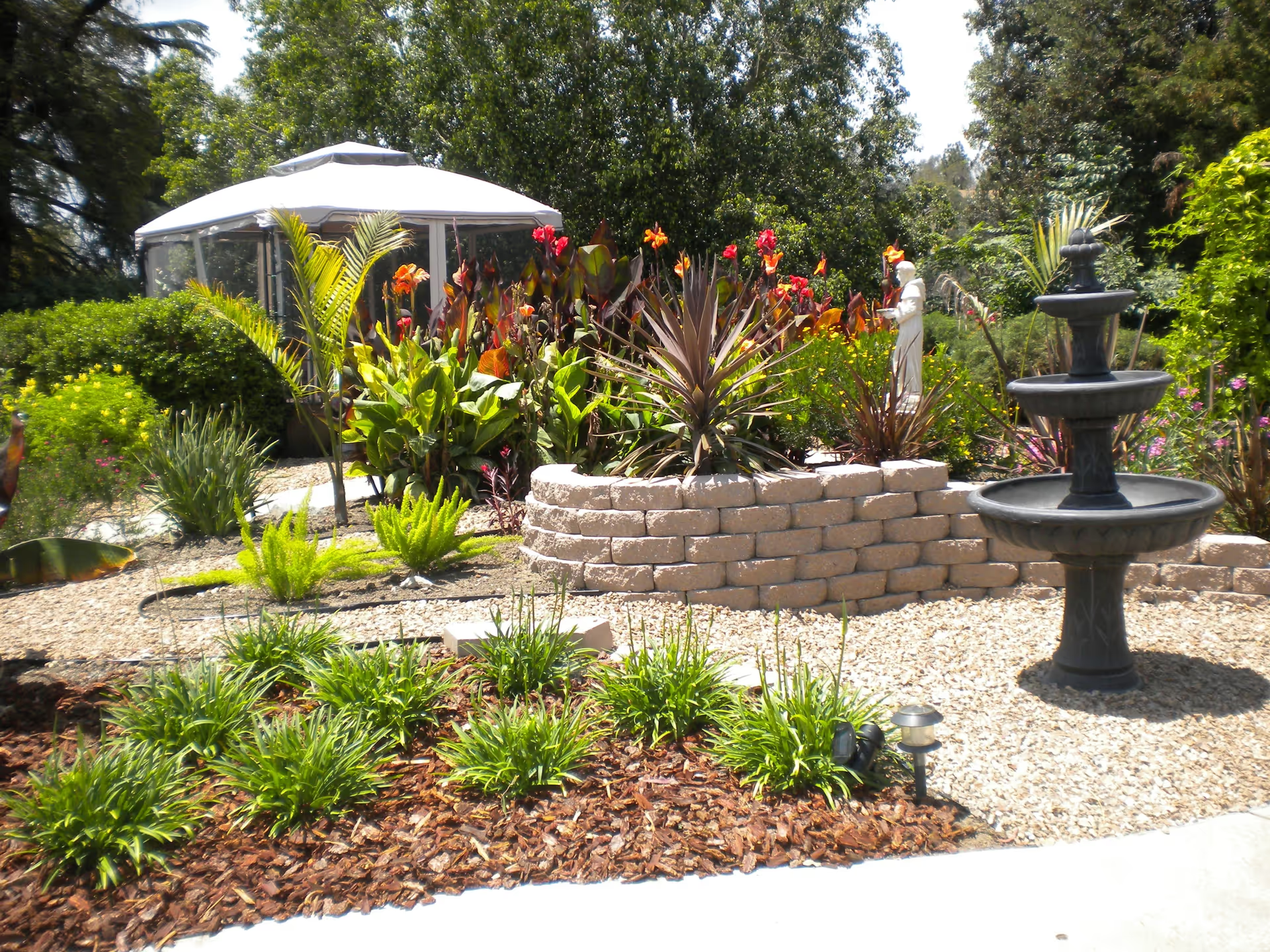
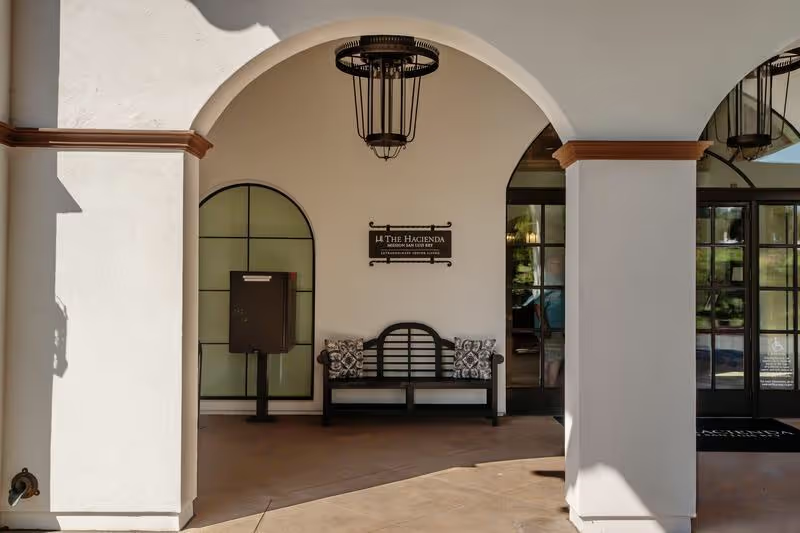
Facilities and apartments: Physical facilities are generally described as clean, attractive, and well maintained, with courtyard and patio spaces, wheelchair‑friendly circulation, and apartment options that include kitchenettes. The boutique scale aids community cohesion but may limit some amenities—reviewers noted no pool and fewer large‑scale facilities compared with bigger campuses. A few commenters noted cosmetic maintenance needs in areas (repainting, carpet replacement) and limited availability of certain apartment configurations such as first‑floor studios.
Management, value and notable patterns: Management and leadership receive positive comments for accessibility and problem resolution, contributing to families’ sense of reassurance. Price is a clear pattern: the community is perceived as higher cost, and several reviewers identified affordability and pricing transparency as concerns. Sales‑process clarity and initial pricing offers were occasionally characterized as inconsistent; prospective residents should request detailed fee schedules and amenity selection options. Overall, the dominant themes are strong caregiving, excellent dining and active programming, and a small‑community atmosphere, balanced against higher cost, occasional operational variability, and limited apartment/amenity options.