Overall impression: Rancho Vista Senior Living is repeatedly characterized by strong caregiving and a robust clinical presence. Reviewers consistently cite compassionate, resident-focused staff and a 24/7 nursing/on-site medical team supported by on-site physical therapy. Long-tenured employees and staff who learn residents’ names and preferences are a recurring strength, and many families describe individualized attention, frequent updates, and staff members who facilitate family communication through text, FaceTime and photos.
Care and staff: The facility’s culture appears staff-driven. Numerous comments highlight attentive caregiving, respectful interactions, and staff who ‘‘go above and beyond’’ for residents. Memory care is described as renovated and secure, and several reviewers specifically praised the memory-care team and the medical director for proactive outreach. That said, there are recurring operational concerns: some reviewers described slow call responses, occasional understaffing, uneven communication tone from clinical staff, and variable clinical-family update practices. These indicate inconsistent execution of family communication and response-time expectations across shifts.
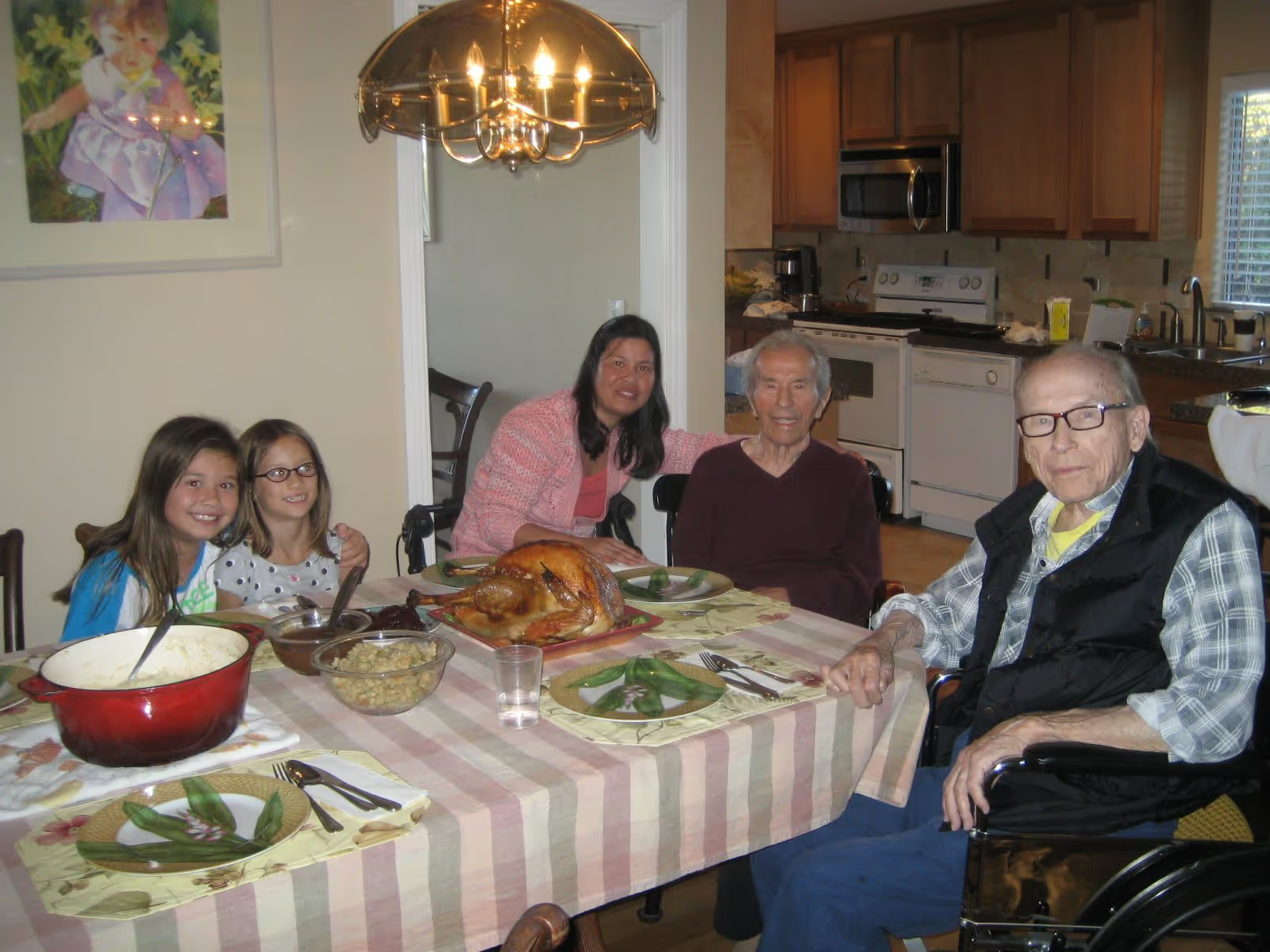
Dining and nutrition: Dining is a clear central feature of the community. Many reviews praise a restaurant-style skylight dining room, a capable chef, varied menus, and flexible, all-day dining with in-room service when needed. Snack and coffee stations, specialty events and an upcoming salad bar were also noted. A minority of comments point to variability in meal quality—some residents loved the food while others found portions of the menu bland or inconsistent—suggesting menu execution can vary by day or by unit.
Activities and social life: Rancho Vista offers a broad, active calendar: arts and crafts, music, bingo, bridge, Bible study, outings, bus tours, exercise classes, and frequent social events. Transportation for appointments and religious services is available. High participation in activities and reports of residents ‘‘thriving’’ socially are common. Activity offerings extend into memory care and independent living, supporting a range of resident interests.
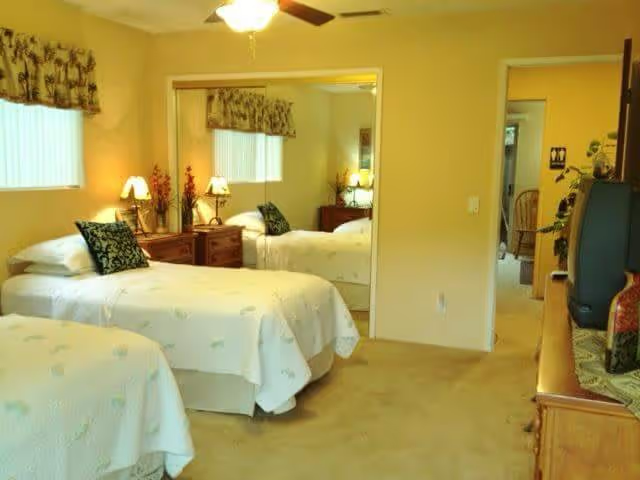
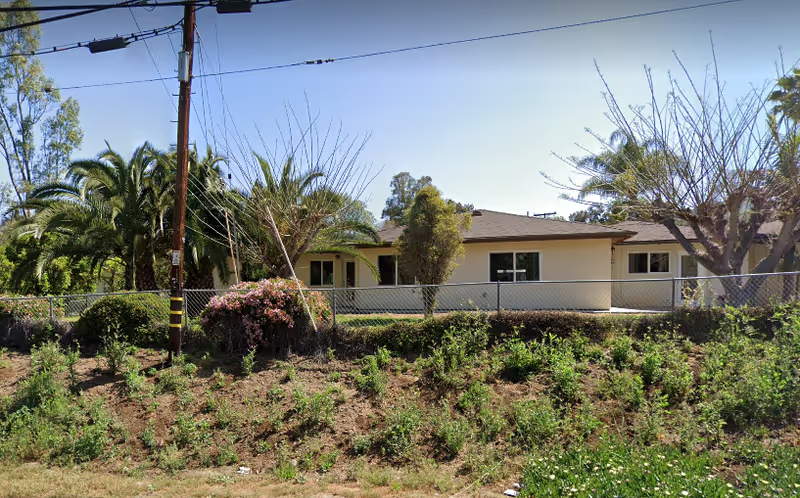
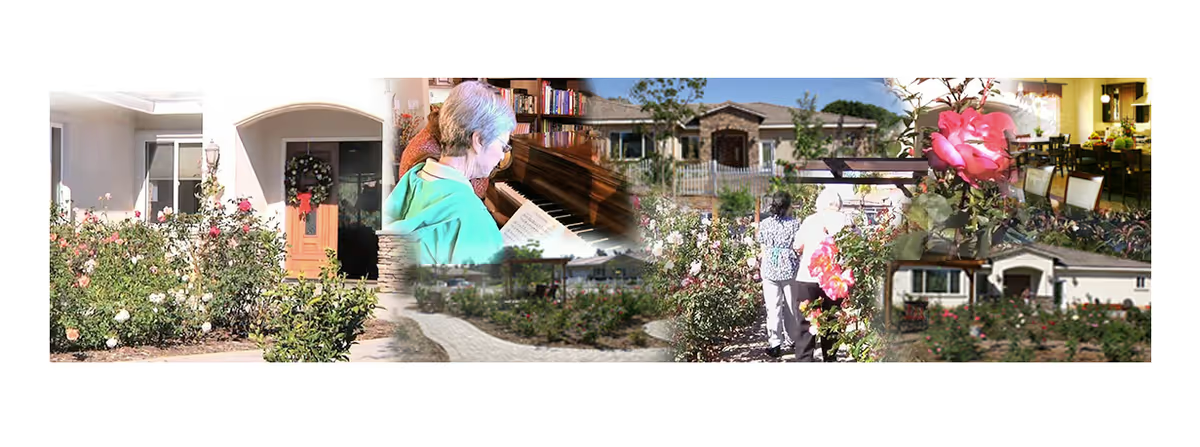
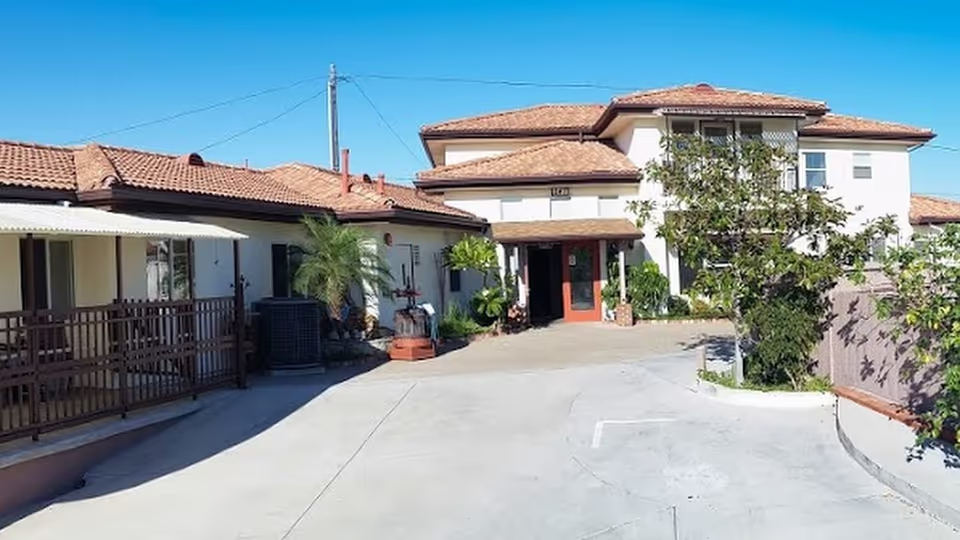
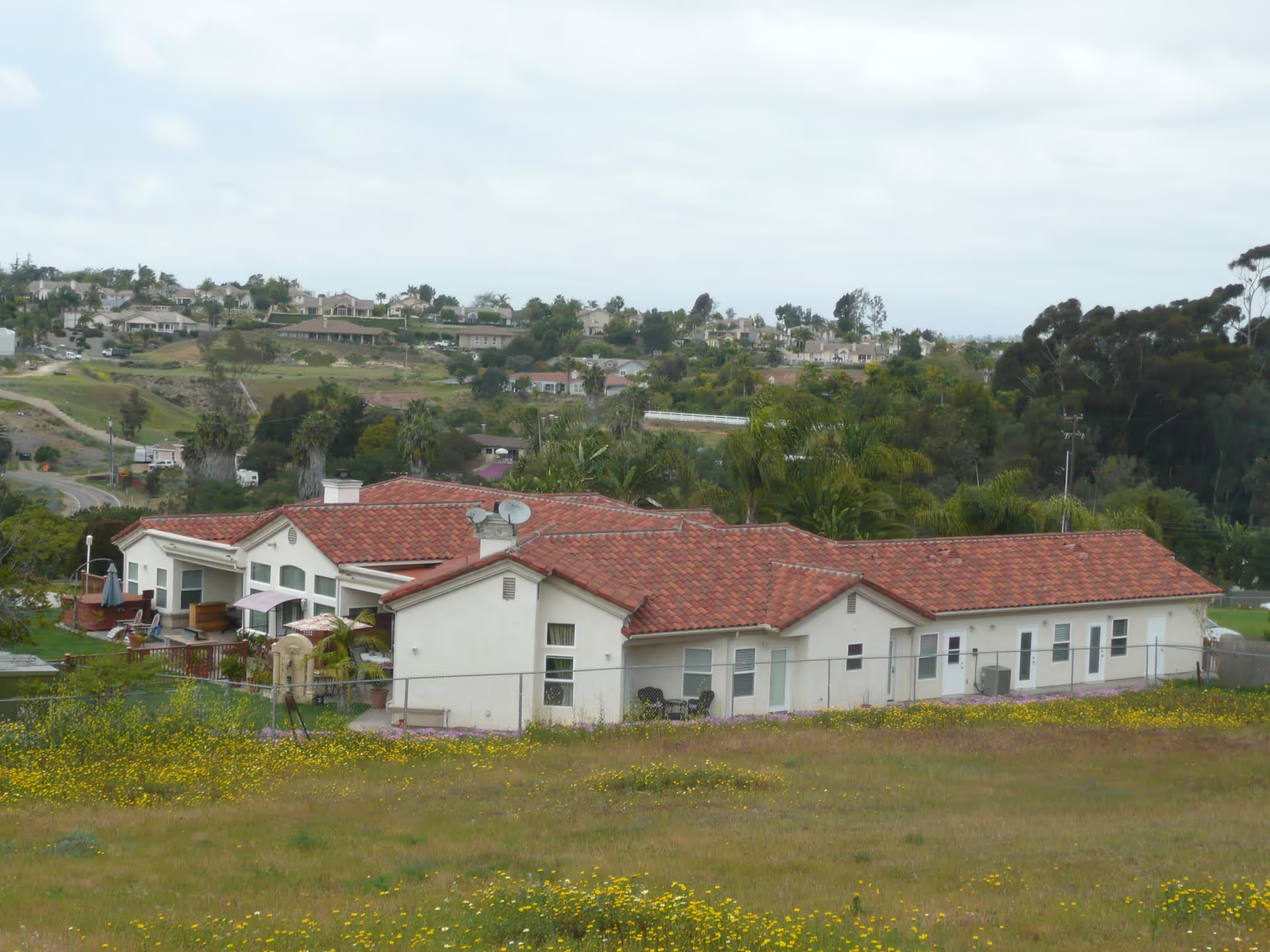
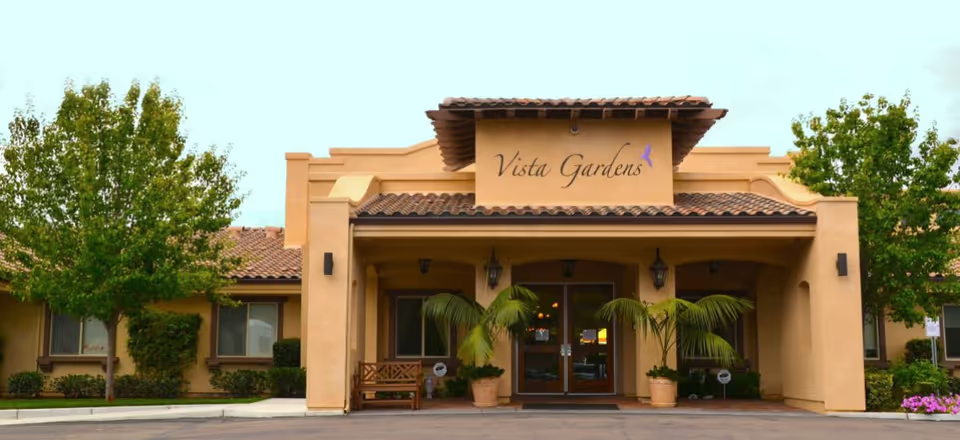
Facilities and amenities: The campus includes recently renovated interiors, bright common areas, a library, movie room, salon, and patios; villa options provide full kitchens, in-unit laundry, and private yards for some units. Safety features in bathrooms and accessible fixtures are present in many apartments. The community is pet-friendly. Physical limitations were noted: some areas have limited exterior walking grounds, multi-building layouts can create access challenges (hills, ramps, and distances between villas and the main building), and some unit types have smaller closets or limited square footage.
Management and operations: Many reviewers praised responsive managers who follow up directly (even via personal cell), smooth move-in support, and a collaborative staff culture. However, recurring operational weaknesses emerged: pricing transparency concerns (unexpected fee increases and inconsistent quoting), onboarding and billing coordination gaps, intermittent leadership turnover or changes, and uneven responsiveness from specific administrative roles. Several reviewers also described stricter visitor and phone policies during infection-control periods that were difficult for families; this points to a facility tendency toward conservative infection-control practice that can feel restrictive to visitors.
Notable patterns and guidance for prospective families: Strengths center on caregiving quality, an on-site clinical team, active programming, and appealing dining and common spaces—attributes that suit families prioritizing clinical availability and social engagement. Areas for careful pre-admission inquiry include pricing structure and escalation policies, current staff-to-resident ratios and average response times on clinical calls, specific floorplan dimensions and accessibility between buildings, sample weekly menus, and the facility’s visitor policies during infectious outbreaks. Asking for written clarification on onboarding/billing procedures, staffing levels for the unit of interest, and recent turnover in leadership can help families weigh the consistently highlighted strengths against the operational inconsistencies noted by reviewers.