Overall impression The reviews portray a consistently positive picture of a small, family-run residential care home that emphasizes a home-like atmosphere and individualized attention. The facility is repeatedly described as owner-operated, with hands-on involvement from the proprietors and a caregiving team that cultivates close social ties among residents. This model appears to produce continuity of care and long resident stays, which families identify as a stabilizing factor.
Care quality and staff Care is characterized as attentive, respectful, and clinically attentive in a home-care context. Reviewers highlight routine health monitoring (including vital-sign checks), staff observant of changes in condition, and strong communication with families. Several accounts emphasize bedside presence and coordinated end-of-life care with hospice, indicating the staff are experienced supporting advanced-care needs in a noninstitutional setting. Grooming, nutrition, and dignity-preserving assistance are described as consistent priorities.
Dining and activities Dining receives frequent praise: meals are homemade, described as nutritious and appealing to residents, and the program includes holiday and comfort foods. Activity offerings are oriented toward familiar, social engagement rather than institutional programming — examples include board games, live piano, old-film showings with popcorn, and a wide selection of television channels. The garden and backyard provide outdoor access and opportunities for informal socializing. These elements together support a nurturing, family-centered daily routine.
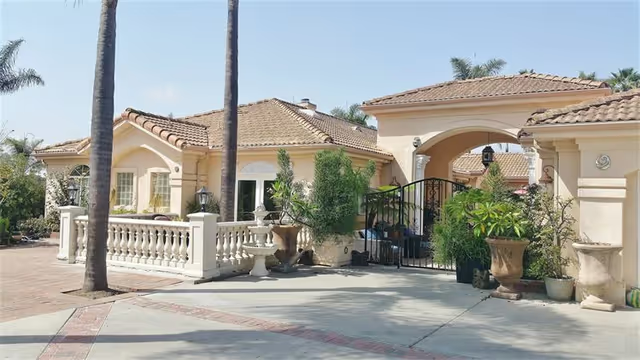
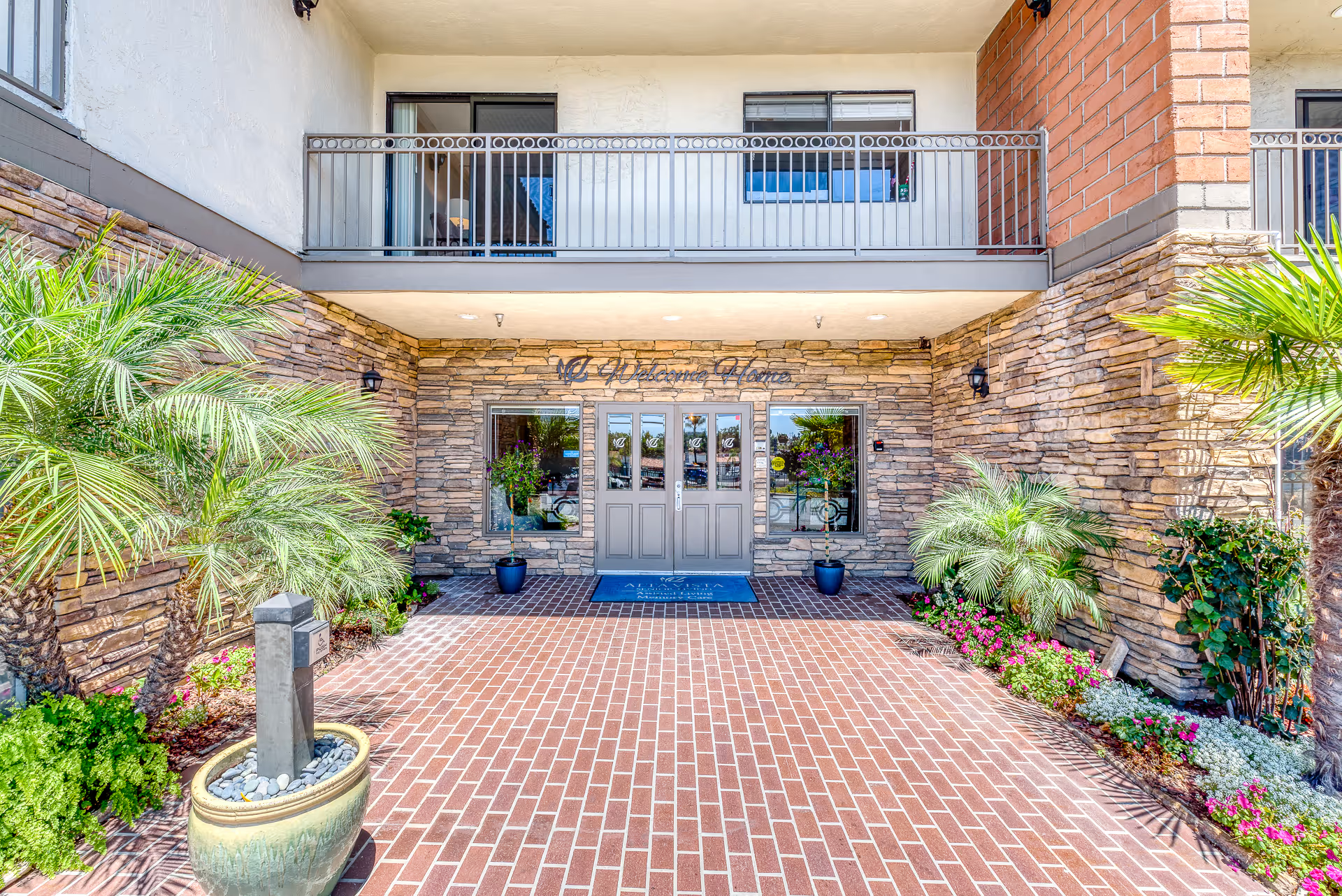
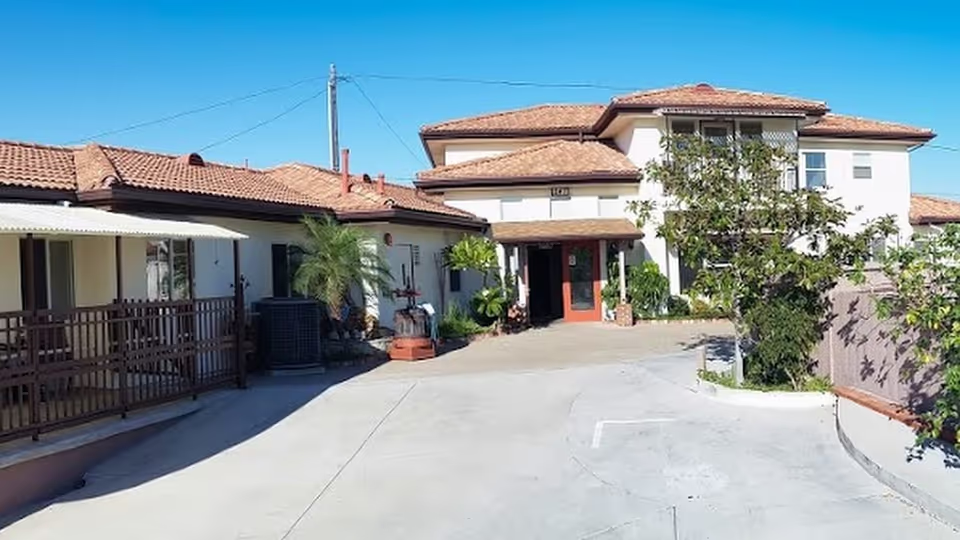
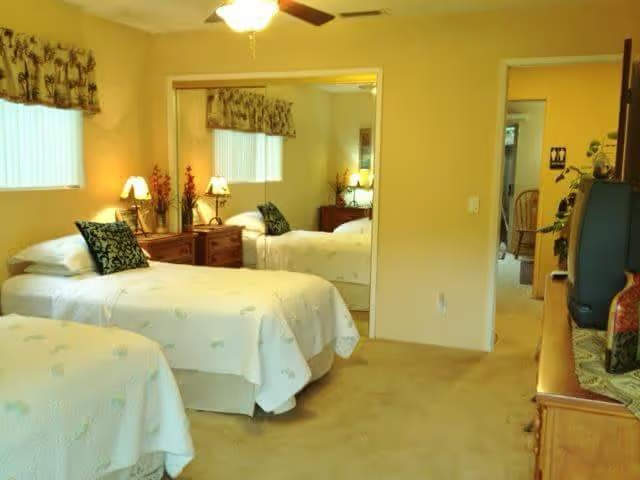
Facilities and management The physical setting is small, tidy, and described as clean and well-maintained, with private rooms and a pleasant backyard. Management is described as accessible, problem-solving, and communicative; the husband-and-wife ownership model is cited as a reason families felt trust and continuity. Testimonials from professionals in hospice and from multiple families reinforce a perception of dependable, compassionate leadership and operational responsiveness.
Notable patterns and cautions The most consistent cautionary themes stem from the facility’s small size. Limited bed capacity and shared bathroom arrangements can affect privacy and comfort for some residents, and at least one reviewer cited discomfort with roommate composition. Prospective families should confirm bathroom availability and rooming arrangements during a visit. The small-home model also means fewer on-site clinical resources than larger assisted-living or skilled-nursing facilities; while reviewers describe good health monitoring and hospice coordination, families with high-acuity medical needs should clarify clinical capabilities and transfer protocols. Finally, a few comments imply the location may require a significant drive for some relatives, so geographic convenience is worth verifying.
Bottom line This facility presents as a high-touch, family-centered option that emphasizes personalized care, home-cooked meals, meaningful activity, and strong end-of-life support. It is particularly well suited to individuals who benefit from a quiet, homelike environment and close family-style caregiving. Families considering placement should weigh those strengths against the operational constraints of a very small home—especially bathroom arrangements, roommate fit, and clinical-resource limits—and confirm those details during a tour and discussion with management.