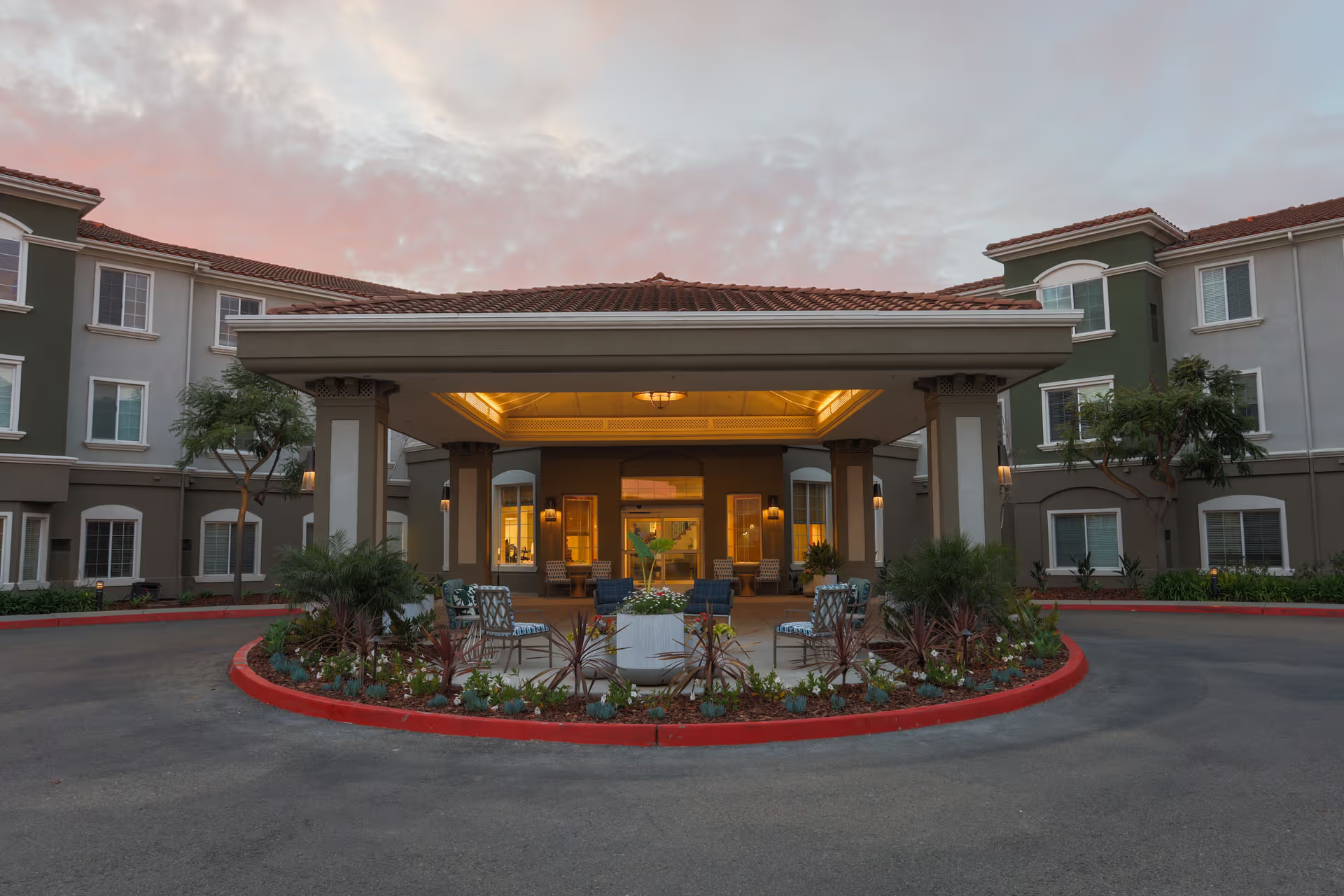
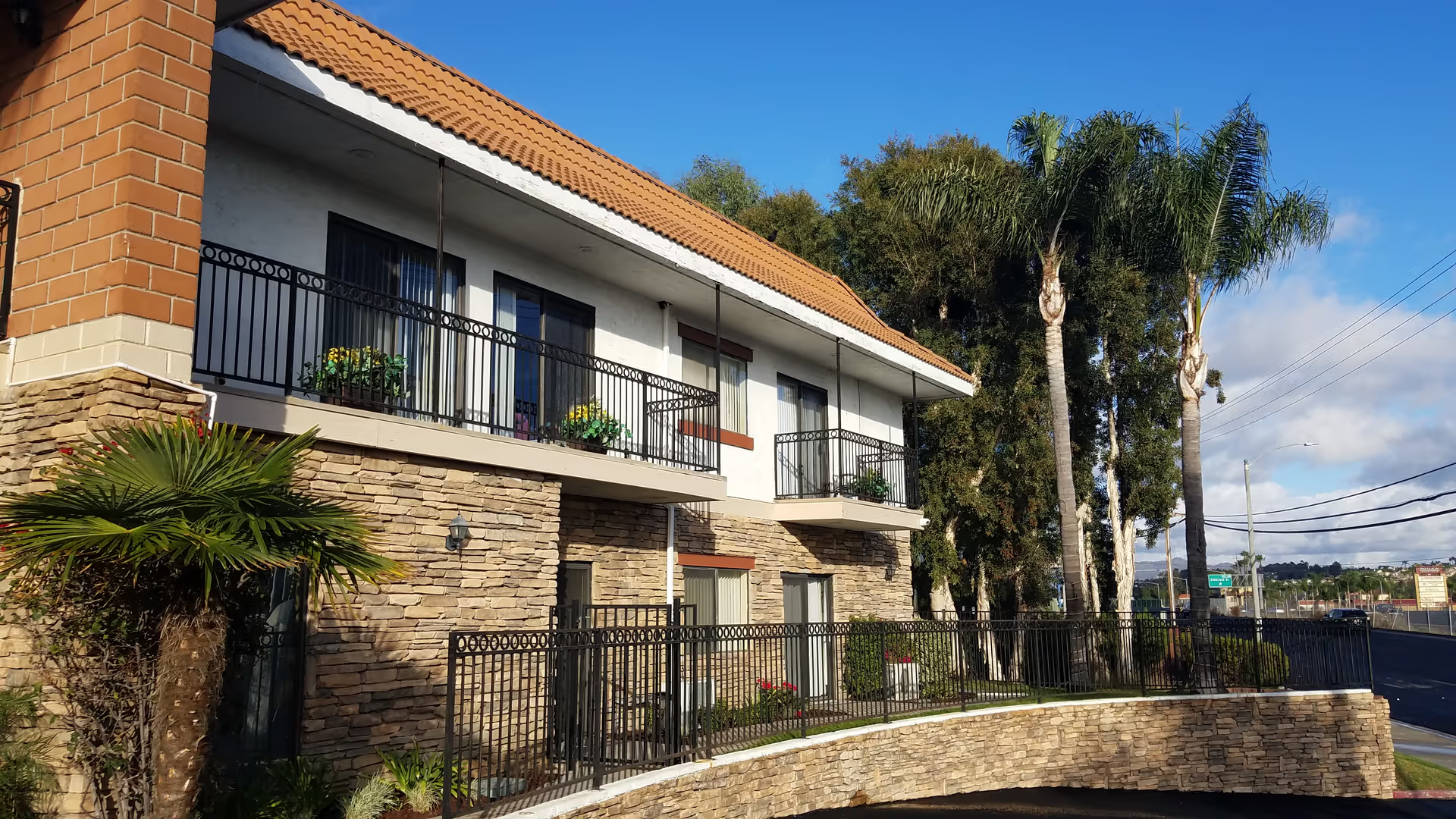
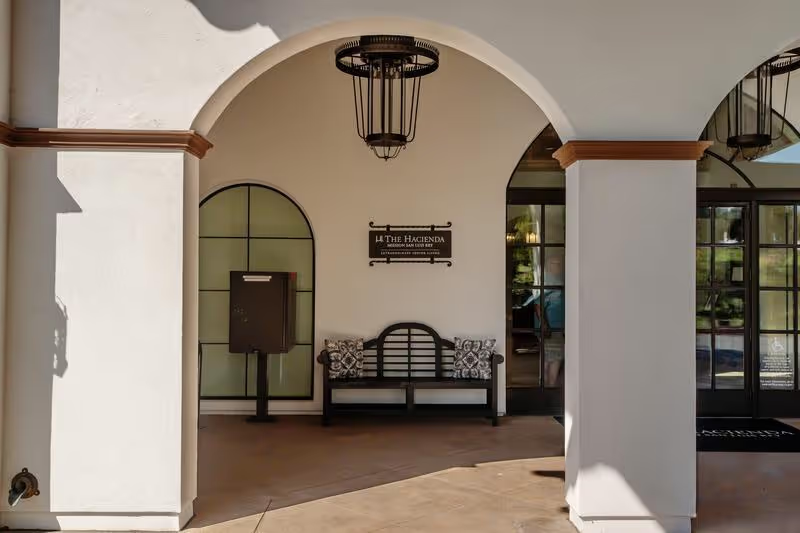
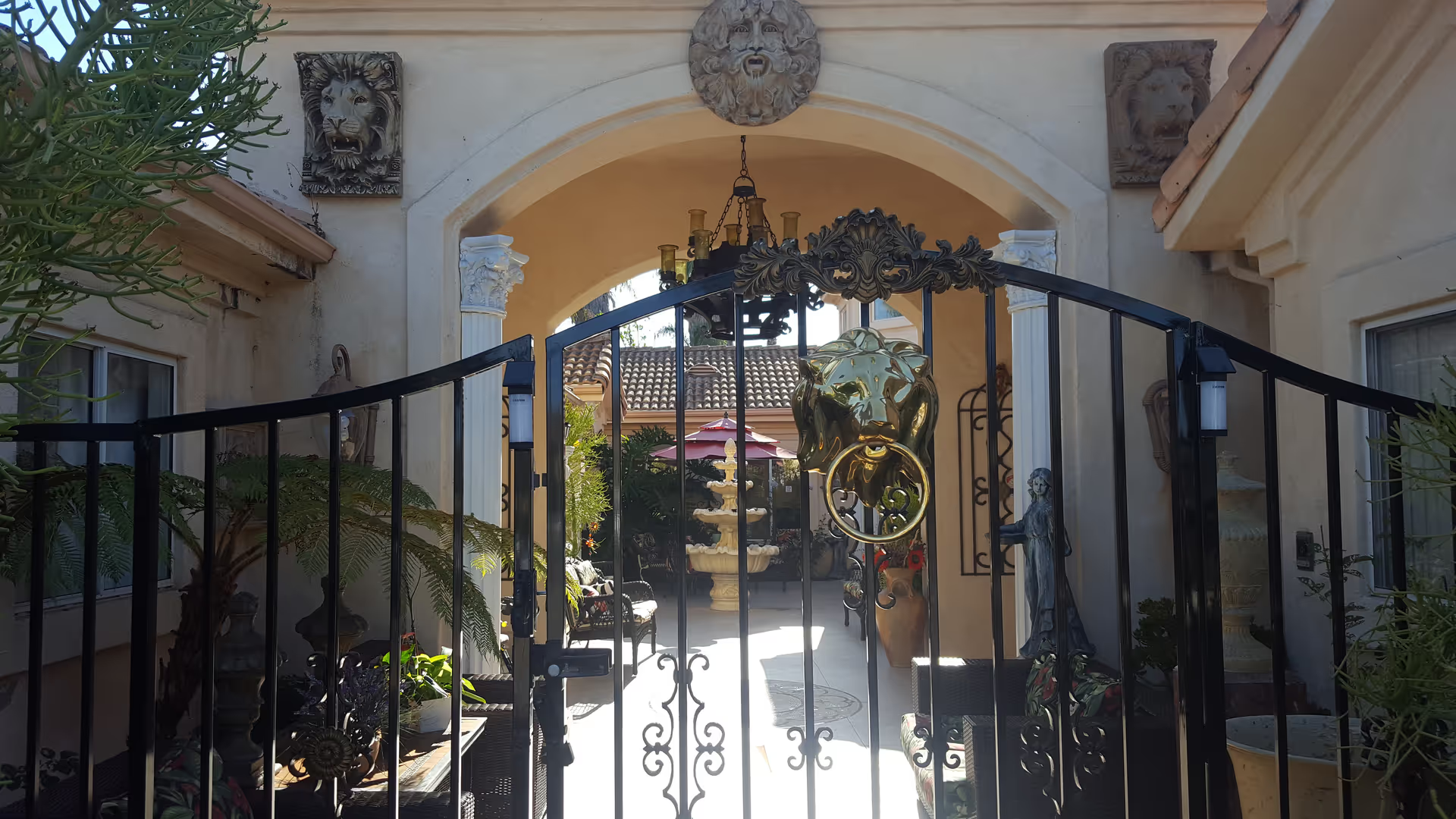
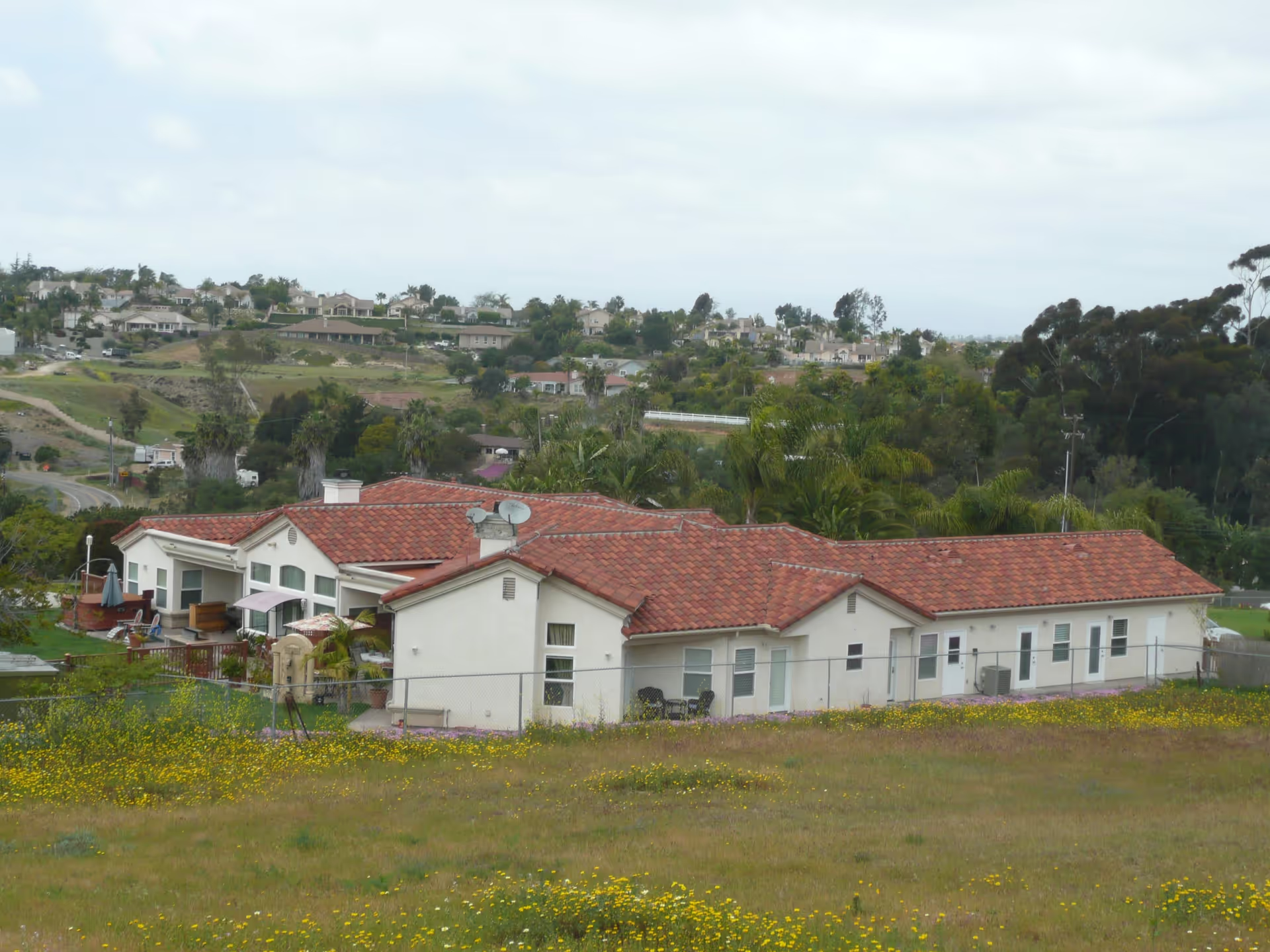
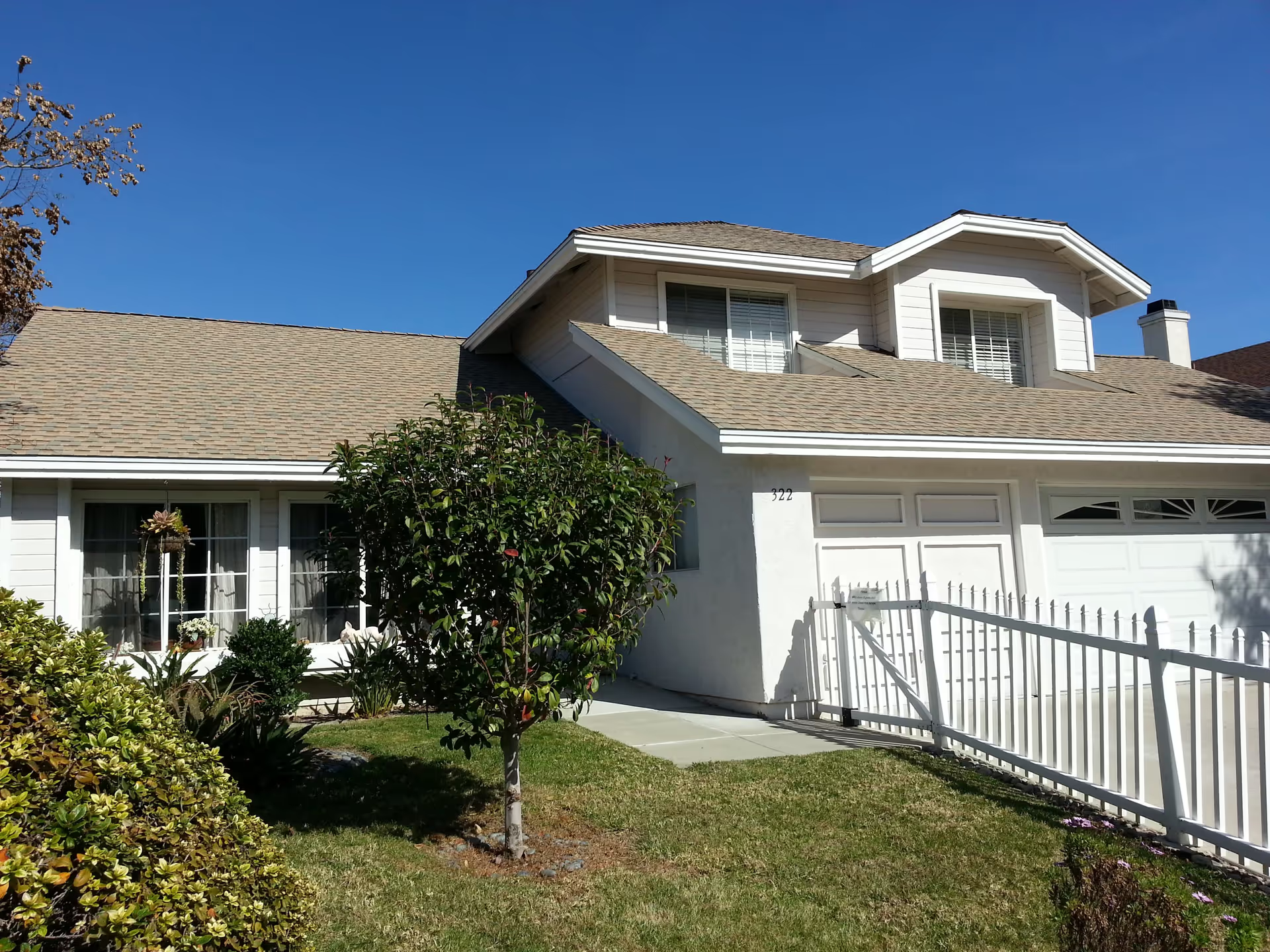
Ocean Hills Independent Living is consistently described as a socially active, well-kept independent-living community with staff who are personable and familiar with residents. Reviewers emphasize a warm, community-oriented atmosphere: residents form friendships readily, staff are frequently characterized as friendly and helpful, and the layout supports socializing, dining, fitness and outdoor time. Maintenance responsiveness and a visible facilities team contribute to perceptions of a well-managed campus.
The activity program and social calendar are recurring strengths. Several reviewers described a broad range of activities and fitness opportunities that keep days engaging. Dining receives positive comments for quality and appeal, and common areas and outdoor spaces are described as clean, updated, and inviting—supporting both casual interaction and organized programming.
Care-related comments reflect the facility’s independent-living focus. Staff–resident interactions are consistently portrayed as respectful and informative, and families note clear communication from staff. As an independent-living setting, Garden-level clinical and memory-care services are not emphasized in these accounts; prospective residents should confirm the availability and scope of medical or higher-acuity supports if those are required or likely to be needed in the future.
A notable pattern across the material is a contrast between strongly positive firsthand impressions and a low aggregate online rating. This suggests variability in satisfaction or a mismatch between anecdotal experiences and whatever factors drive the overall score. Prospective residents and families would benefit from an in-person visit, direct conversations with staff and residents, and a review of the community’s published ratings and third-party inspection records to reconcile those differences.
Overall, Ocean Hills projects strengths in social programming, dining, facility upkeep and a resident-centered staff culture. Key due-diligence items for visitors are clarification of on-site clinical service limits and an inquiry into the source of any low aggregate ratings to understand whether they reflect isolated incidents, differences in expectations, or broader operational issues.