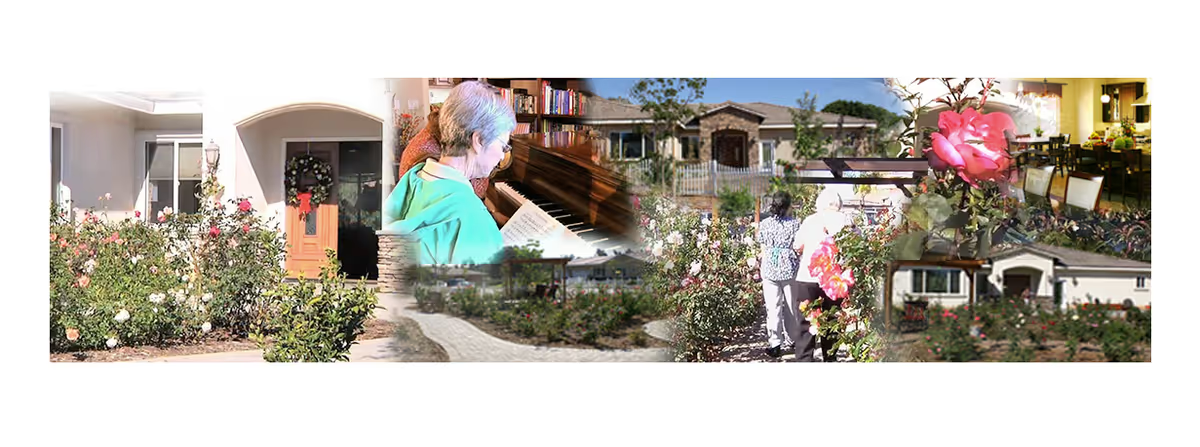
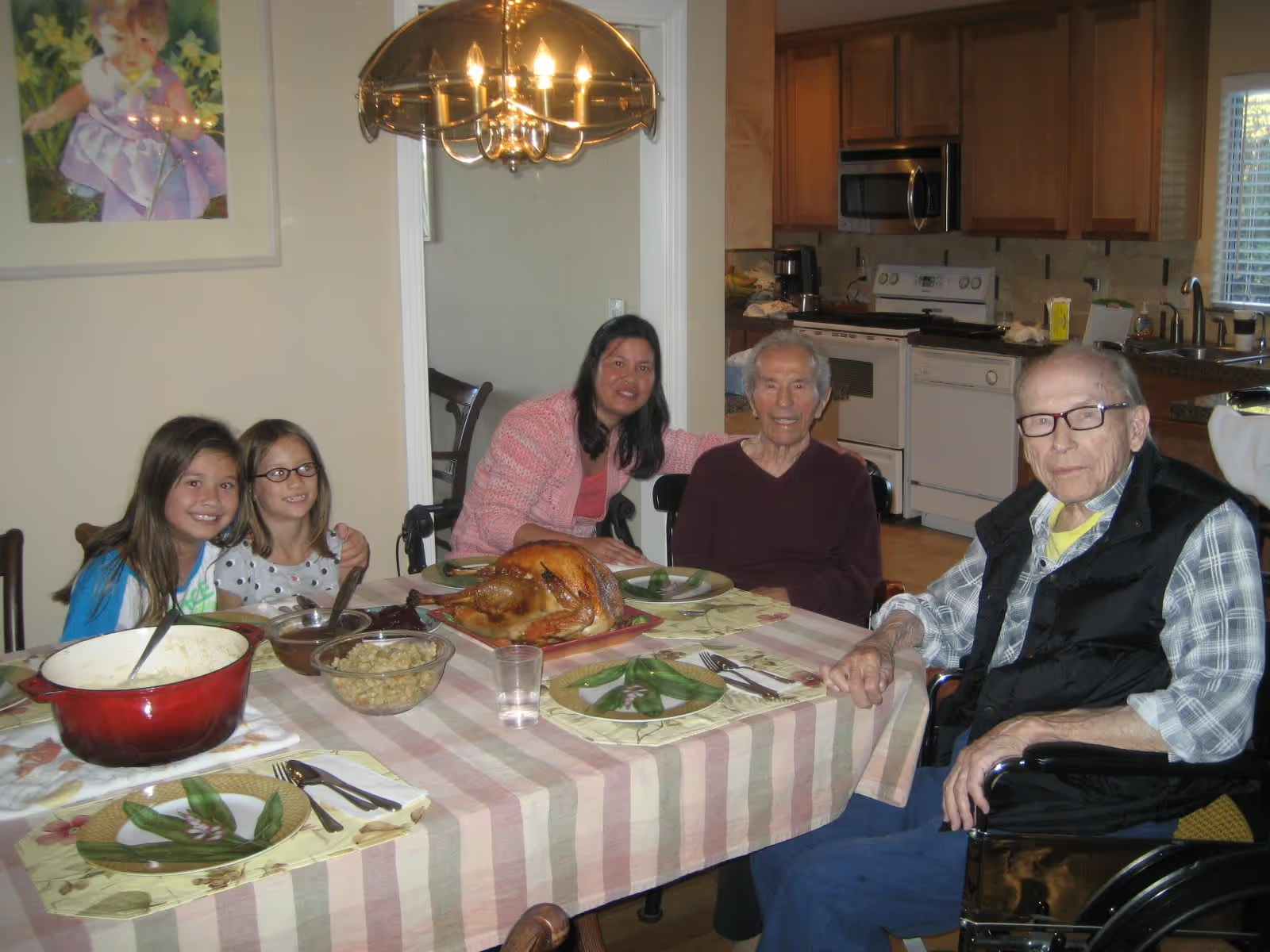
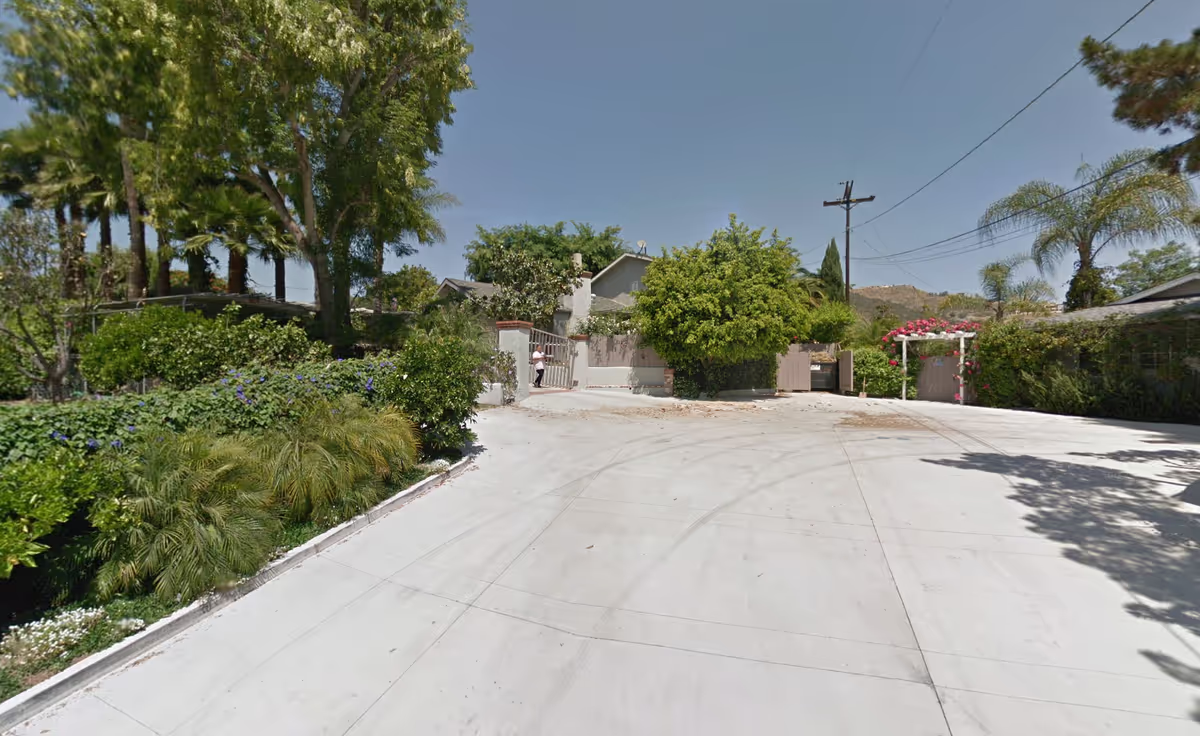
The reviews present Golden Retreat Senior as a small, family-style memory-care community with consistently positive remarks about daily care, hospitality, and cleanliness. Families emphasize strong, compassionate interactions between staff and residents, with repeated references to attentive assistance, real rapport, and an environment described as comfortable and homelike. The facility's small size appears to support personalized attention and close monitoring of resident needs.
Clinical and caregiving strengths include a focus on memory care, proactive health monitoring, and timely communication with families. Reviewers highlight coordination with hospice services and end-of-life support where needed, as well as staff attentiveness to dietary and medical issues. The pattern of remarks suggests a staffing model that emphasizes relationship-based care and responsiveness to changes in residents' conditions.
Dining and nutrition are noted as clear strengths: an on-staff dietitian develops menus, meals are prepared on-site, and reviewers describe food that residents enjoy, including accommodations for diabetic needs and individualized meal or beverage preferences. This focus on nutrition is reinforced by praise for attentive staff who monitor eating and adapt offerings when necessary.
Activity programming and ancillary services are consistently mentioned. The community offers a range of engagement options — live music, pet and bird therapy, outdoor time on a patio deck, and van outings — along with practical services such as barber visits and scheduled physician check-ins. These elements contribute to a sense of normalcy and social engagement for residents.
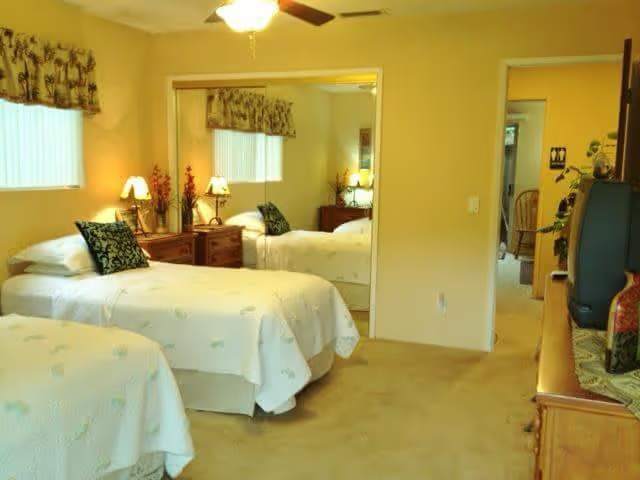
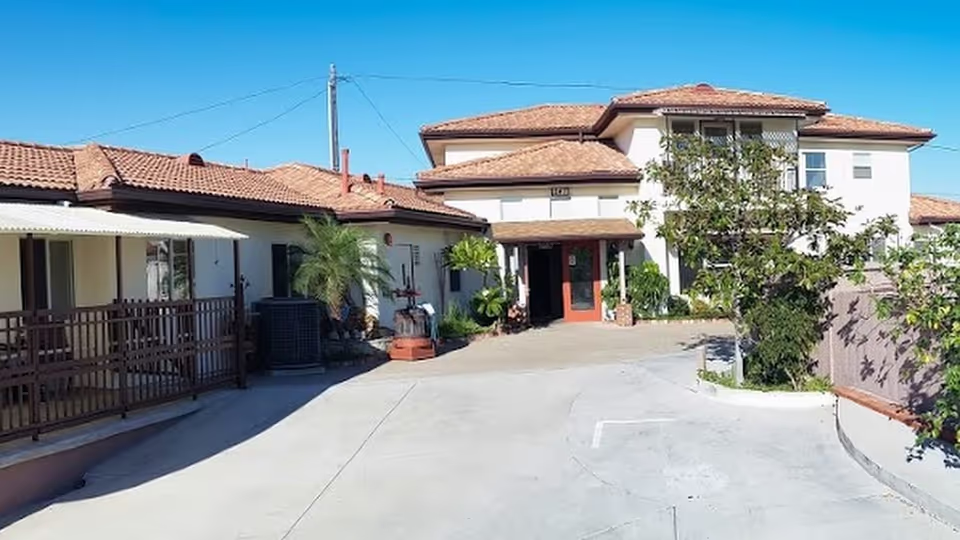
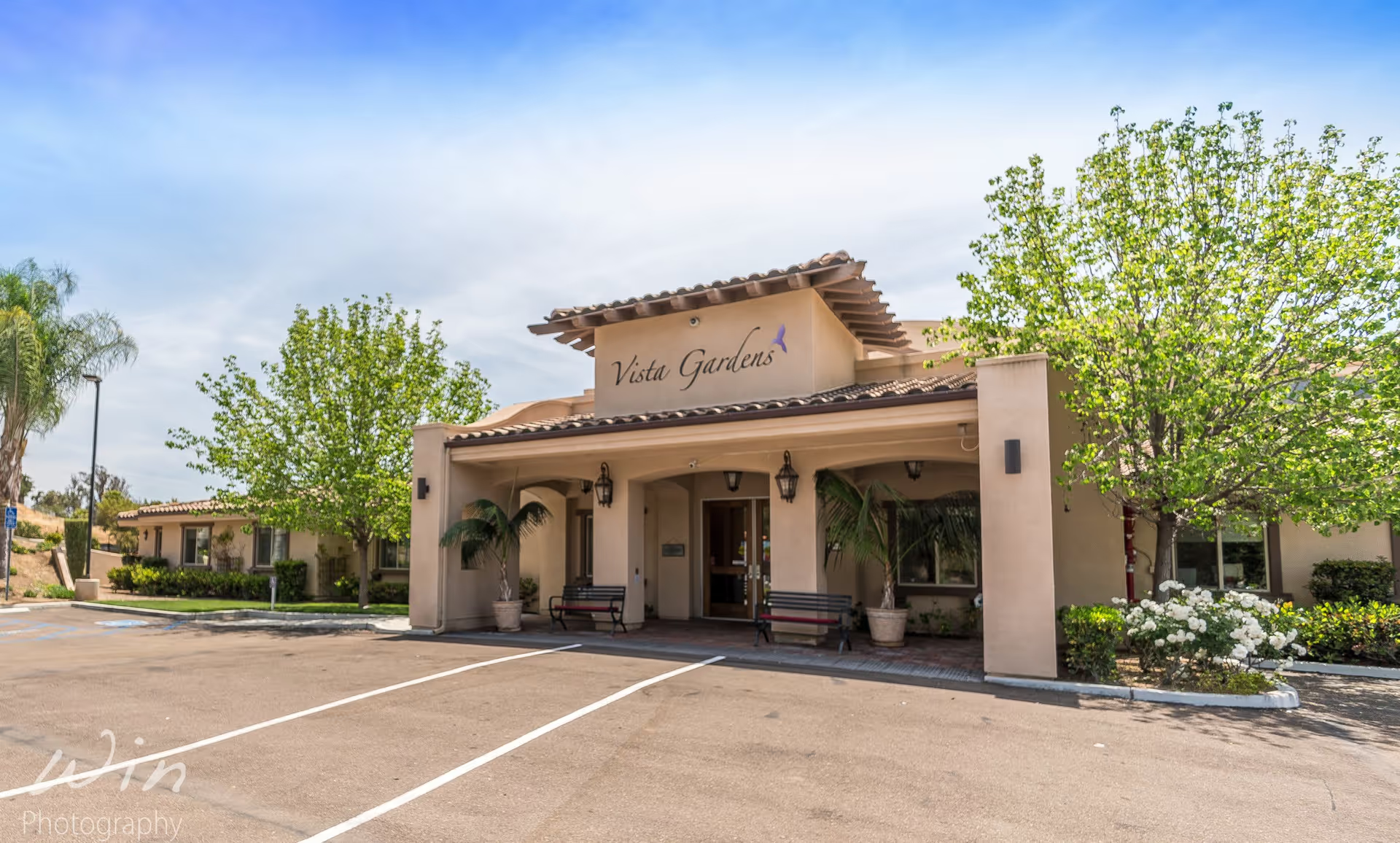
Facility upkeep and management receive positive comments: reviewers note very clean spaces, a welcoming aesthetic, private rooms, and an approachable owner who facilitates a smooth admission process. The overall impression is of a small, well-run home where management is accessible and families feel included.
Notable patterns and cautions: the community's small census is a double-edged characteristic. It supports individualized, relationship-based care but also implies limited bed capacity and fewer on-site advanced clinical resources compared with larger facilities. Several comments that single out specific staff and managers as central to the resident experience suggest potential operational vulnerability to staff turnover. Prospective families should weigh the benefits of personalized attention and a home-like setting against possible constraints on immediate availability and high-acuity medical services.