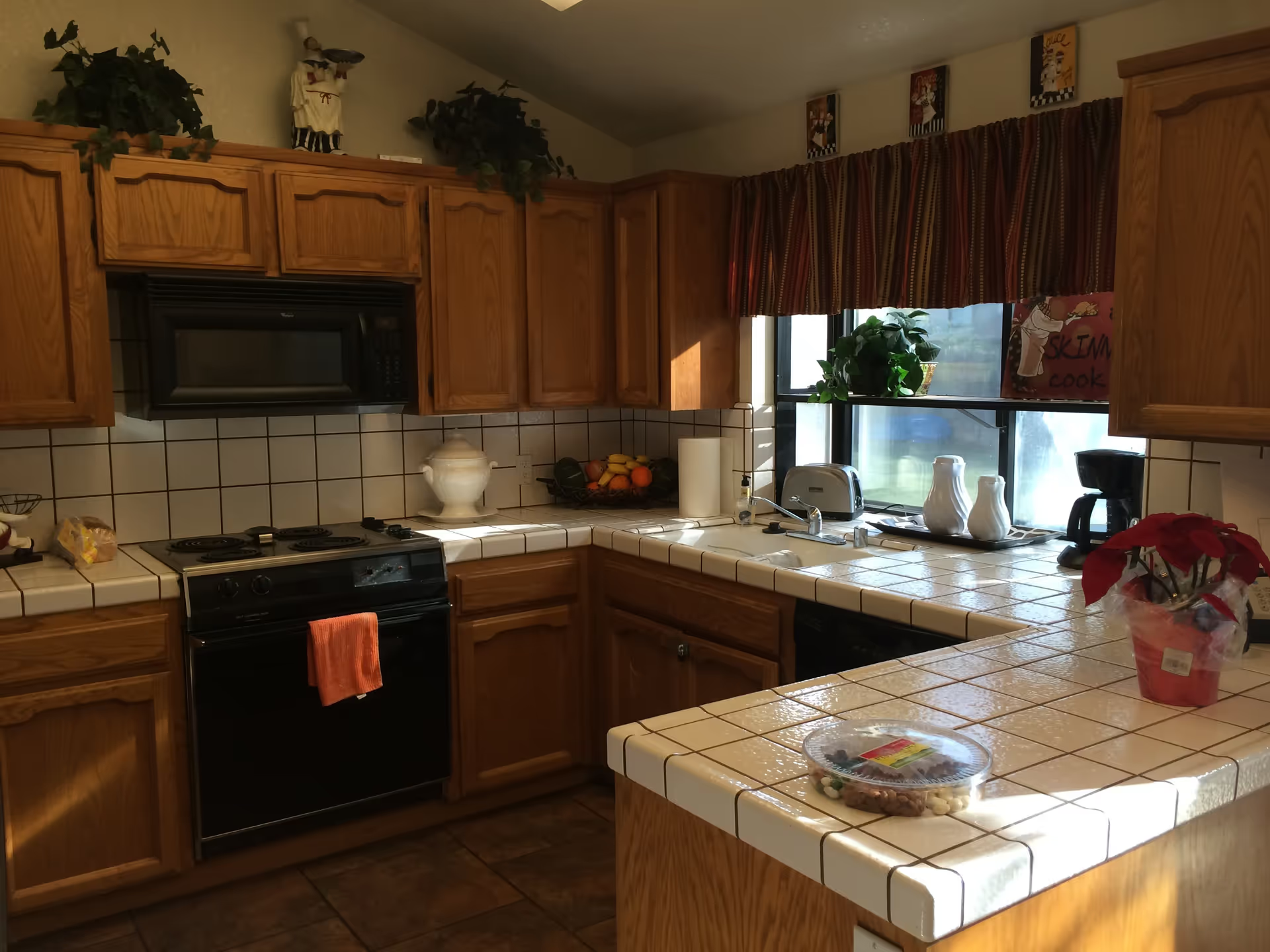
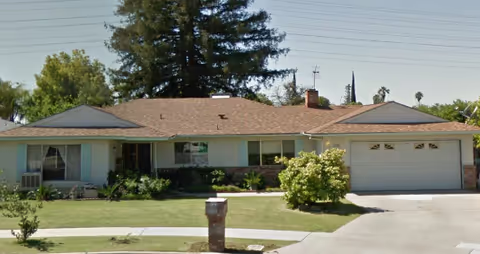
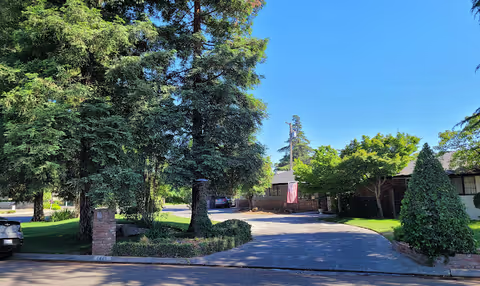
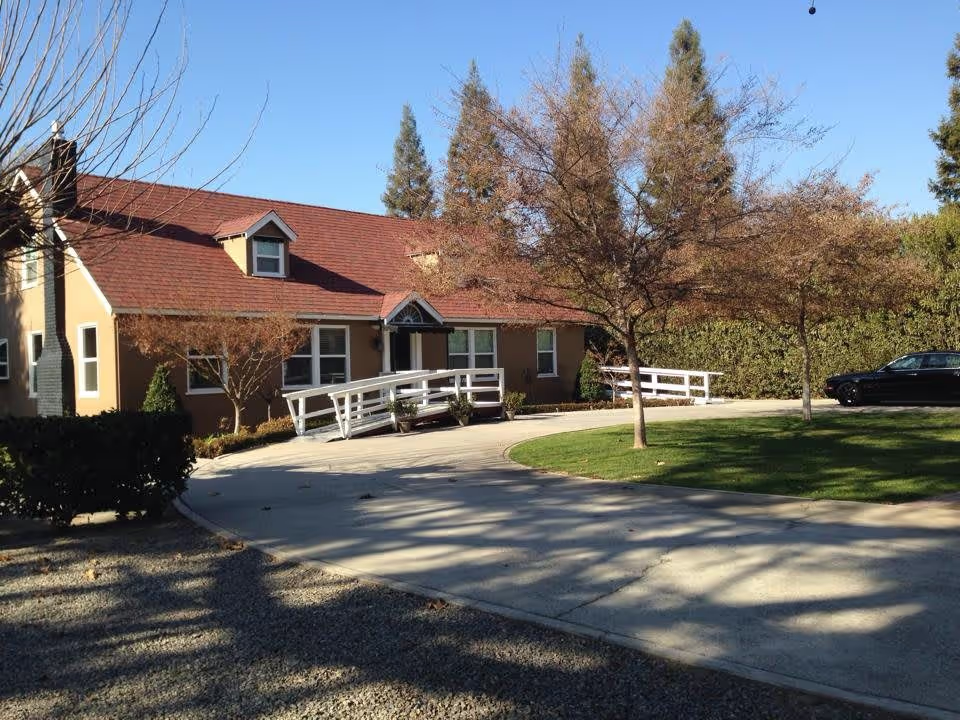
Overall assessment: River Bluffs Memory Care is described by many families as a home-like memory-care setting with a strong emphasis on dementia-aware, person-centered caregiving. Positive comments concentrate on staff compassion, clinical knowledge, and continuity of care: reviewers frequently note nursing oversight, advocacy with physicians, hospice support when needed, and long-tenured caregivers who learn residents’ preferences. The physical setting — bright common areas, an open kitchen/dining arrangement, comfortable rooms, and a well-maintained enclosed garden and patio — is consistently presented as contributing to residents’ quality of life. Dining and activity programming (painting, cooking, music, banquet-style meals) are commonly cited as meaningful daily supports that families appreciate.
Care and staff patterns: Many families describe attentive, engaged staff who foster a family atmosphere and encourage visits. Reviewers highlight strengths such as individualized care plans, proactive coordination for medical appointments, and staff who know residents’ routines and preferences. Hospice and end-of-life care are reported as handled with dignity by the team. At the same time, there are recurring operational concerns: some accounts describe inconsistent supervision (particularly overnight), variability in responsiveness across shifts, and specific lapses in personal-care follow-through. These lapses are characterized as delays or inconsistencies in continence-related care, laundering and clothing management, and occasional issues handling residents’ personal items or assistive devices.
Clinical, sanitation, and administrative concerns: Several families raised issues that point to gaps in clinical incident response and documentation; examples include delayed identification or follow-up on infections and swelling. There are also isolated sanitation-concern episodes described in connection with specific care situations. Administrative issues are a notable theme: a number of reviewers reported disputes about billing, refunds, and charge reconciliations, with at least one account escalating to arbitration. These operational weaknesses coexist with many positive testimonies about communication, but the variability suggests that administrative and night-shift practices can differ from daytime norms.
What prospective families should evaluate: River Bluffs appears well suited to families seeking an affordable, home-like memory-care community with active programming and hands-on staff who know residents by name. Prospective families should verify operational details during a tour and intake, including overnight staffing and supervision policies, medication and personal-item handling protocols, laundering and incontinence-care procedures, clinical incident reporting and family notification practices, infection-control measures, and the facility’s billing/refund policies. Asking for references, reviewing any ombudsman or complaint history, and observing different shifts can help clarify whether the facility’s strengths align with a particular resident’s needs.