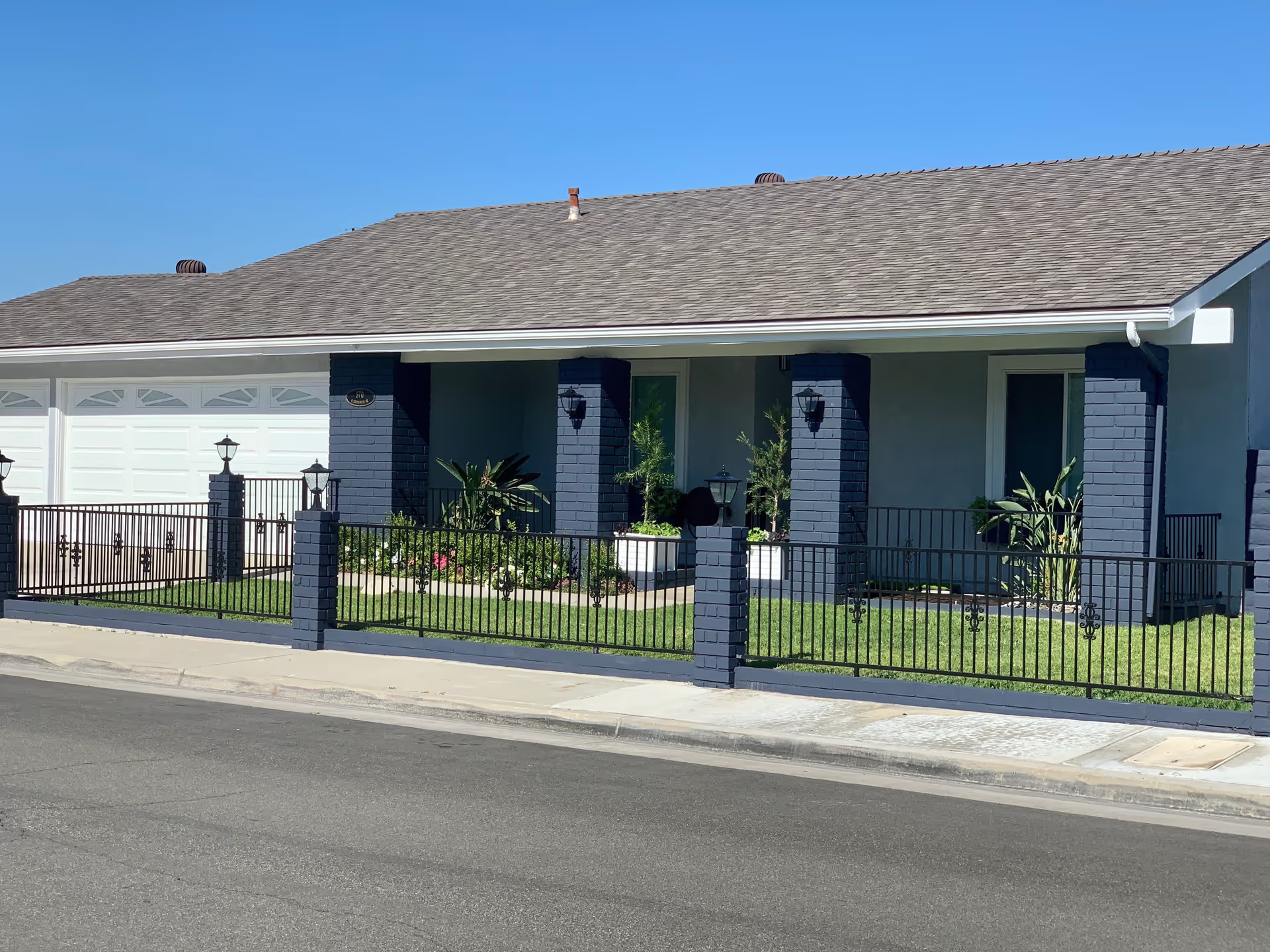
Gordon Lane Care Center elicits strongly mixed impressions. Many families and residents describe genuine compassion from nursing assistants, nurses, therapists and social-work staff; praise focuses on individualized rehabilitation, attentive wound care, and proactive therapy teams that contribute to measurable clinical improvements. Positive accounts repeatedly highlight a supportive administrative presence, helpful social workers, multilingual staff support, and a robust activities program that promotes social engagement. In those cases families cited clean common areas, timely medications, and coordinated discharge planning as contributors to a positive stay.
At the same time, a substantial set of concerns appears across reviews that point to inconsistent operational performance. Clinical-process issues include uneven medication-administration controls, variable physician involvement, and unreliable bedside communication systems (call lights or room phones). These operational gaps have been linked in some accounts to delays in personal-care tasks such as bathing and toileting assistance, and to inconsistent linen and clothing handling. Several reviews describe infection-control and sanitation issues that families found serious; these accounts suggest the need for careful verification of outbreaks or regulatory actions through official channels.
Dining and nutrition receive mixed evaluations. Some families praised the facility dietician and individualized meal plans for dietary restrictions, and noted efforts to encourage eating. Other families described repetitive, carbohydrate-heavy menus and dissatisfaction with meal quality or timeliness, and raised specific concerns about diabetic meal accommodations. The center’s therapy and rehab services are a consistent strength in many reports — physical, occupational and speech therapy teams are credited with improving function — but the quality and intensity of therapy appear to vary between stays.
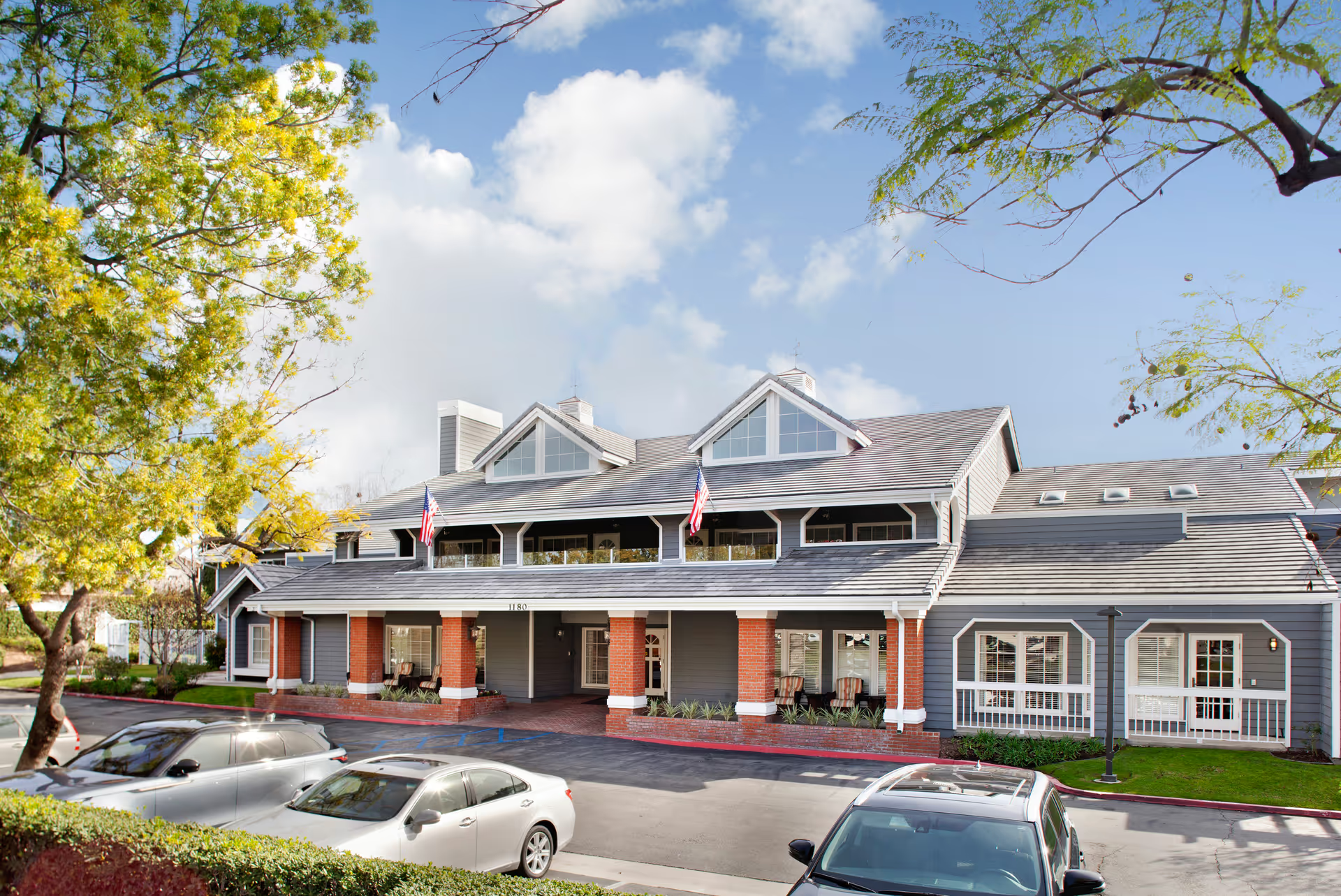
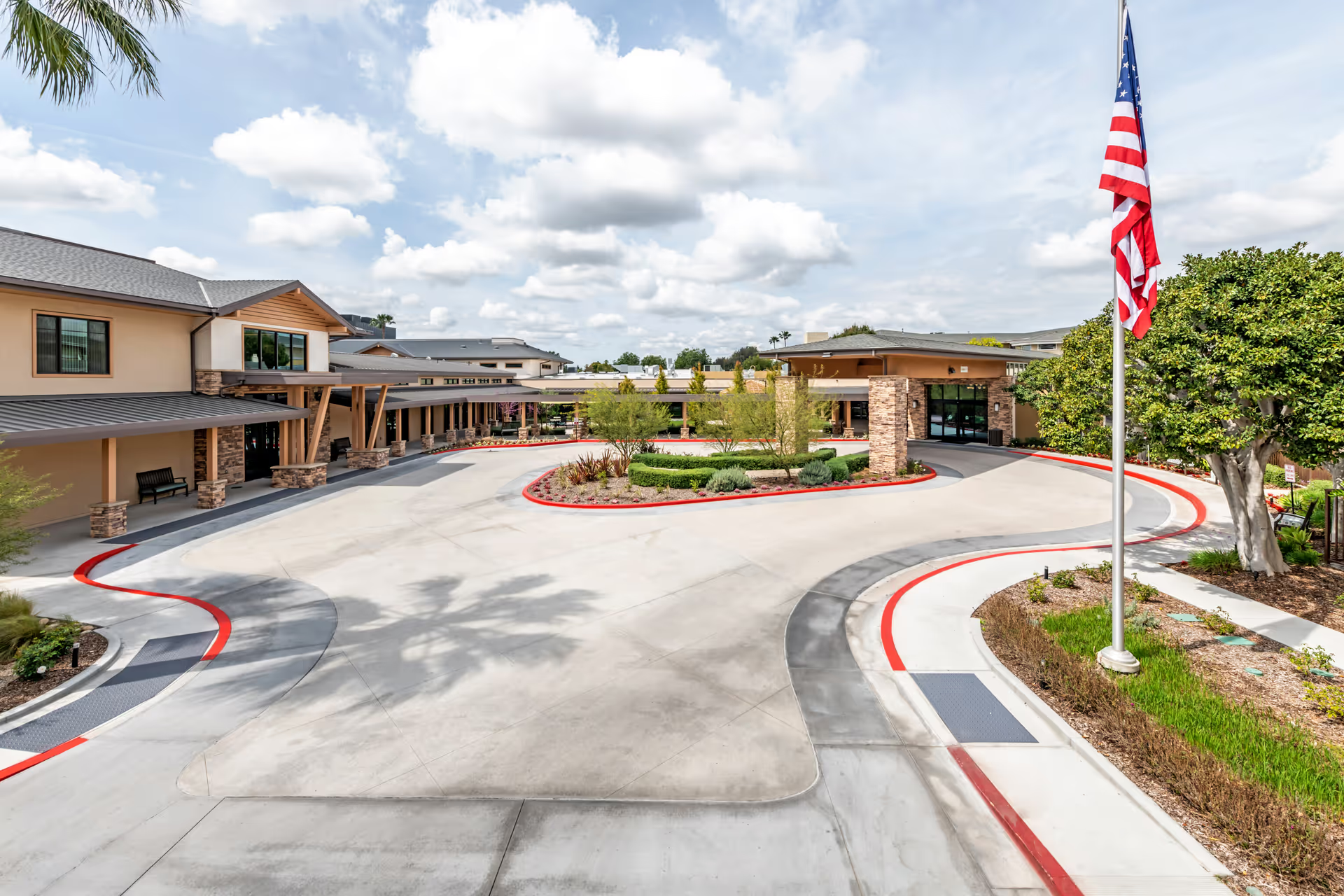
Facility and environment issues are a recurring theme. Positive comments describe a bright interior, activity areas, outdoor patio and generally clean communal spaces. Contrasting comments raise concerns about triple-occupancy rooms, limited privacy due to thin dividers, aging infrastructure (air conditioning, outlets, bed wiring), and maintenance lapses. Laundry and personal-property management problems, including missing items and delayed delivery of belongings, appear frequently enough to be an operational weakness families should confirm during a visit.
Management and communication are described in polarized terms. Multiple families named specific administrators and staff favorably for responsiveness and advocacy; others describe episodes where financial or insurance disputes affected perceived willingness to provide timely care. This pattern suggests variability in family experience depending on circumstance and point of contact. Several reviewers emphasized that active family advocacy improved outcomes, which indicates that proactive communication and escalation may be necessary for some cases.
Overall, the facility has documented strengths in compassionate frontline caregiving, purposeful rehab services, and engaged ancillary staff (nutrition, social work, activities). However, the recurring themes of inconsistent clinical processes, sanitation and infection-control concerns, room crowding and privacy limitations, and variable responsiveness to hygiene and property-management tasks are important operational weaknesses. Prospective families should tour the center, ask about staffing ratios, medication administration protocols, infection-control procedures, call-light functionality, room occupancy options, dietary accommodations for chronic conditions, and property-handling policies. Confirming current regulatory status and speaking directly with the therapy and nursing leadership can help reconcile the divergent experiences reflected in these reviews.