Most accounts describe Dreier’s as a welcoming nursing and rehabilitation center where residents receive kind, respectful attention. Families and residents praise the nursing and caregiving teams for patience, attentiveness, and a personal approach. Reviewers describe support for dementia, stroke recovery, orthopedic rehabilitation, spinal-surgery recovery, wound care, and diabetes management. Several accounts also emphasize family communication, evolving care plans, and help from social services. One temporary resident noted that the nursing-home level of care was more than their relative needed, so prospective residents may want to confirm that the facility’s services fit their individual care requirements.
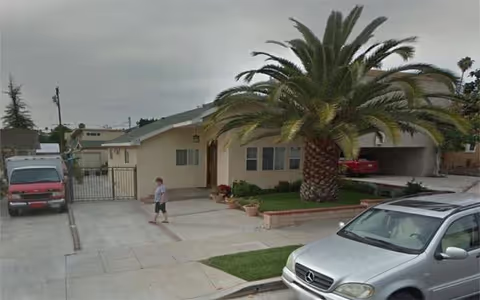
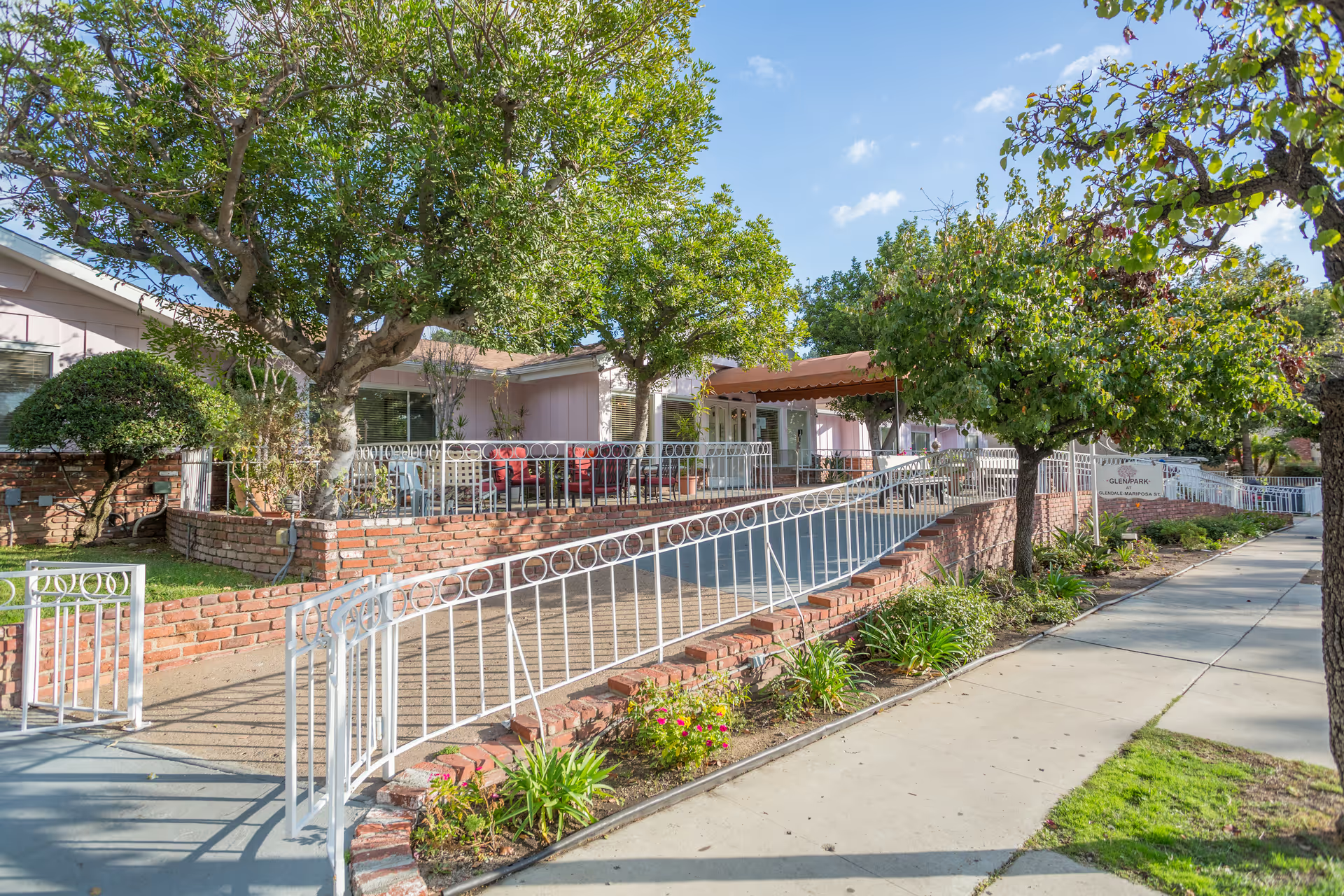
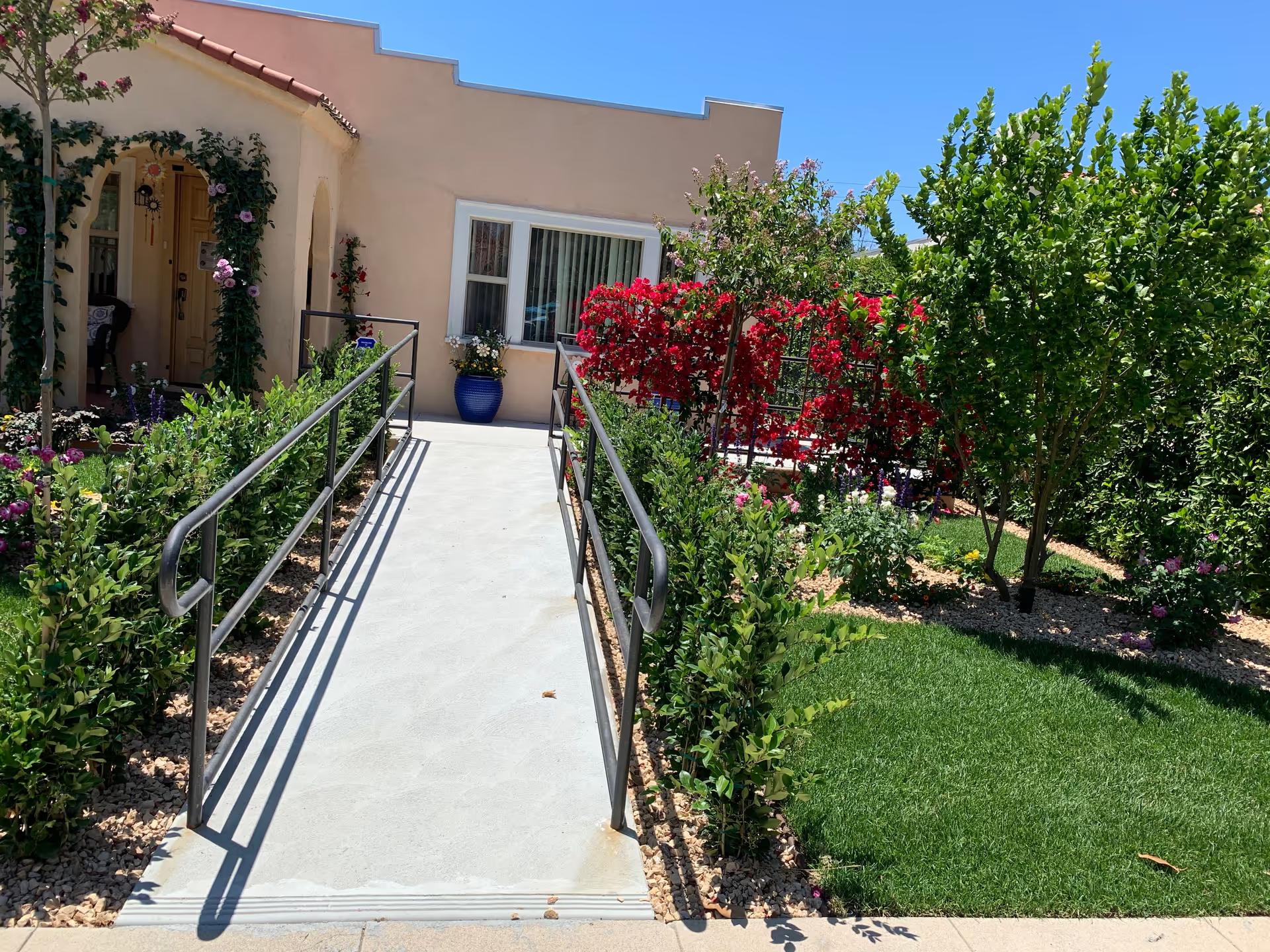
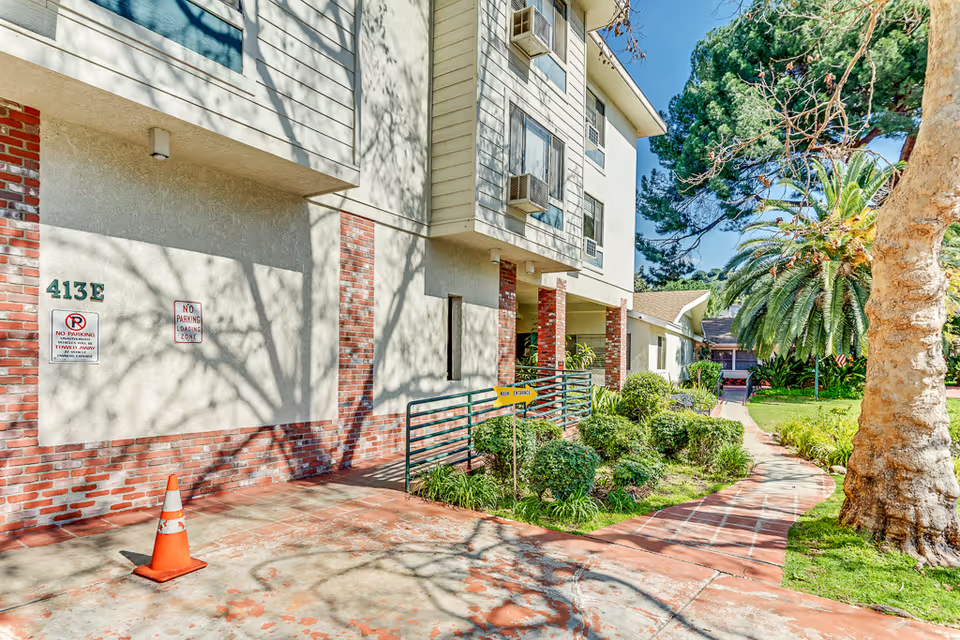
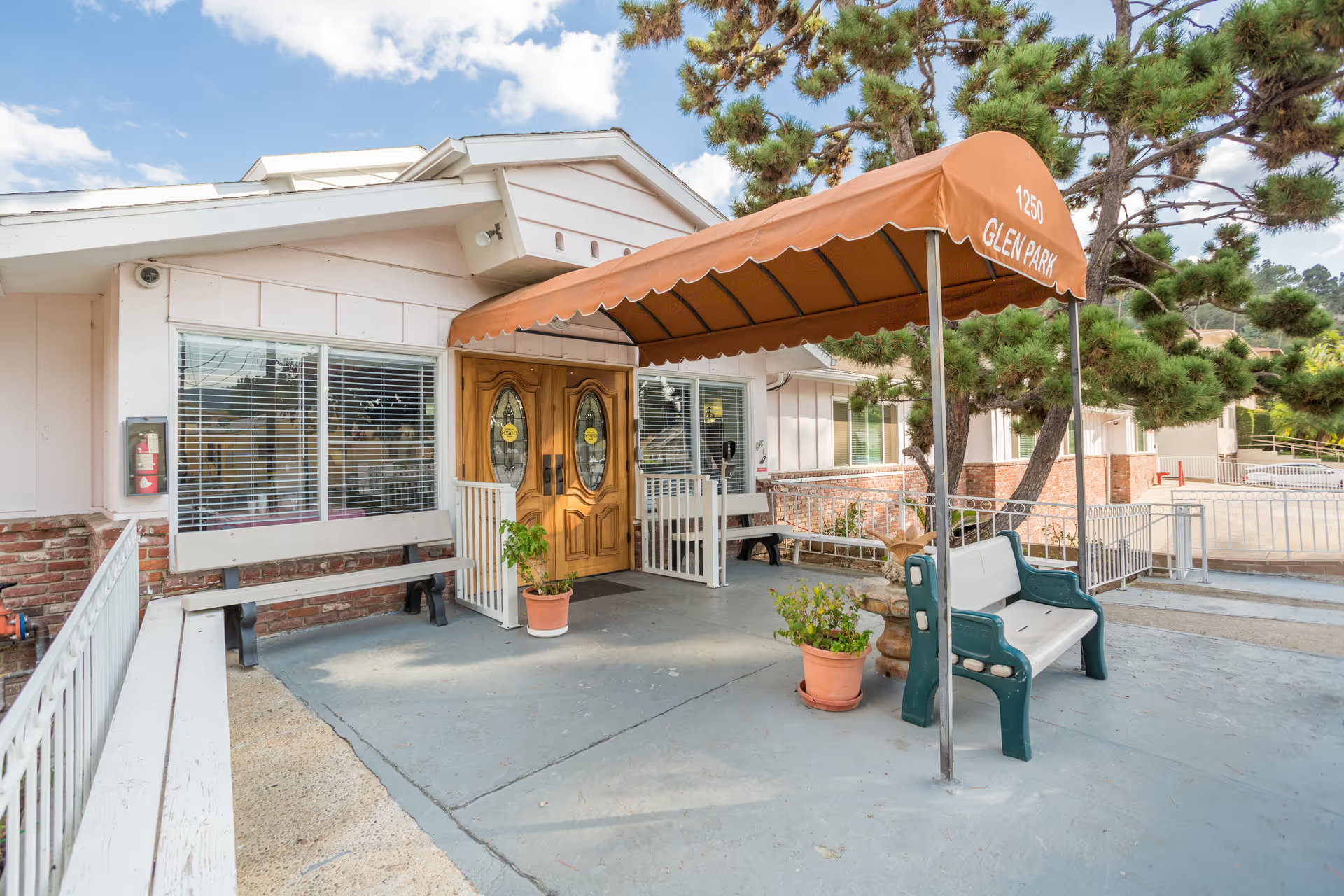
Dining is a recurring strength: reviewers praise the food and mention dietary accommodations, assistance with eating, and meals or sandwiches available on request. Activities are described as frequent and engaging, with individualized options such as adapted hobbies. One family describes dementia-focused spaces and activities, including areas for art, gardening, and practicing everyday tasks. The facility is generally characterized as clean, well-maintained, comfortable, and home-like, with inviting common areas and relaxing patios. Reviewers also commend the administrator’s involvement and the support provided by social services.
Experiences are not uniformly positive. One family reported concerns about clinical follow-through and communication after a relative developed a suspected skin condition, along with unexplained bruising and room-cleanliness and linen-handling issues. The family said the diagnosis was disputed at the facility and that treatment was later obtained from an outside clinician; they also said their complaint did not resolve their concerns. This is a serious individual account that contrasts with the many favorable descriptions of care and cleanliness, and the reviews provided do not establish how representative it is. Overall, the feedback is strongly positive about staff, rehabilitation, meals, activities, and the environment, while families may wish to ask specific questions about clinical escalation, skin-condition protocols, and how concerns are communicated and addressed.