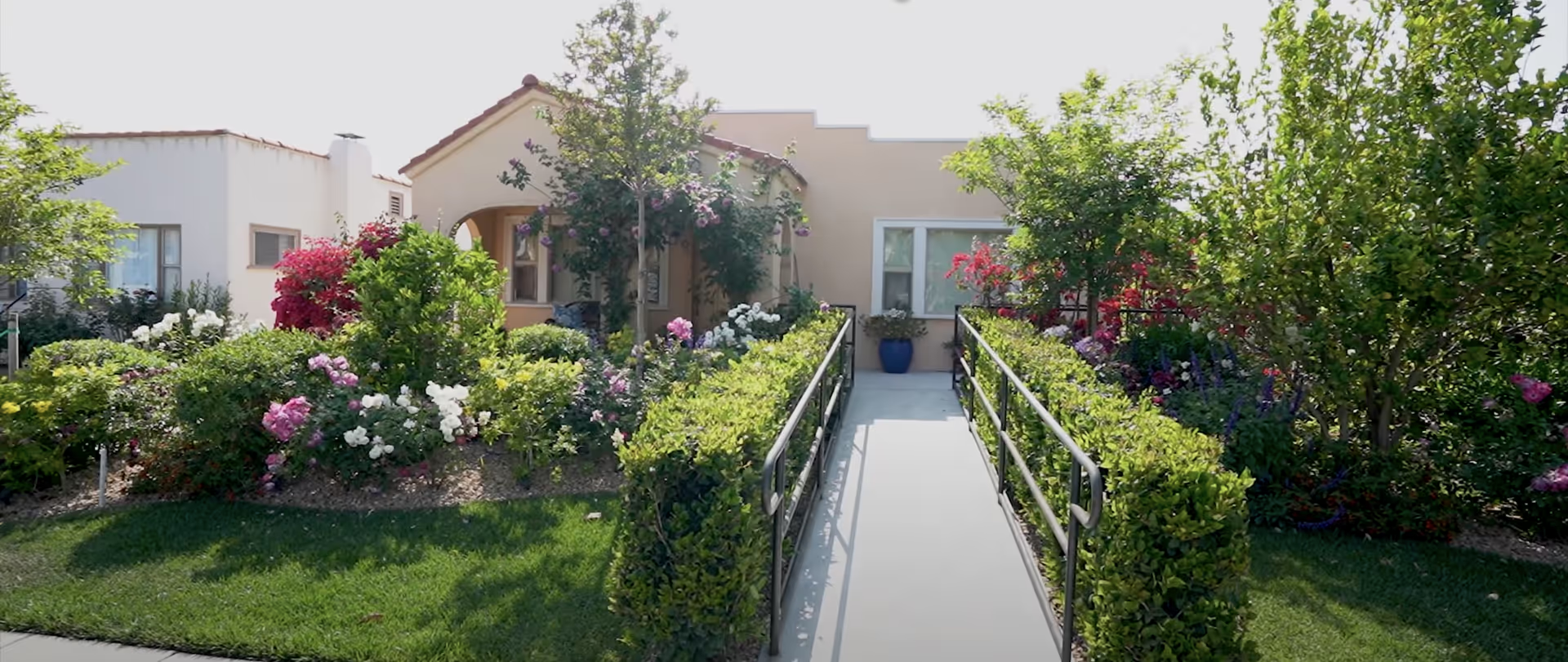
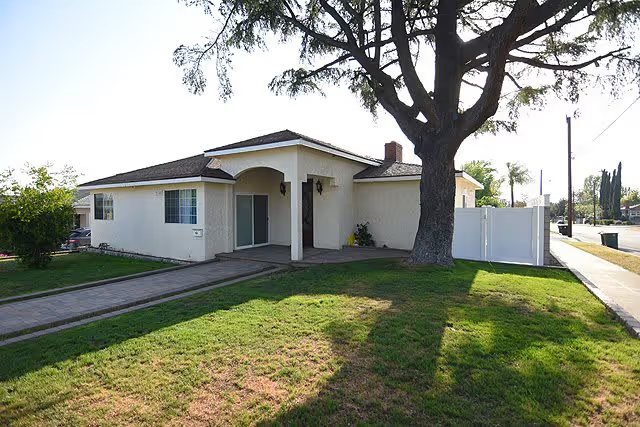
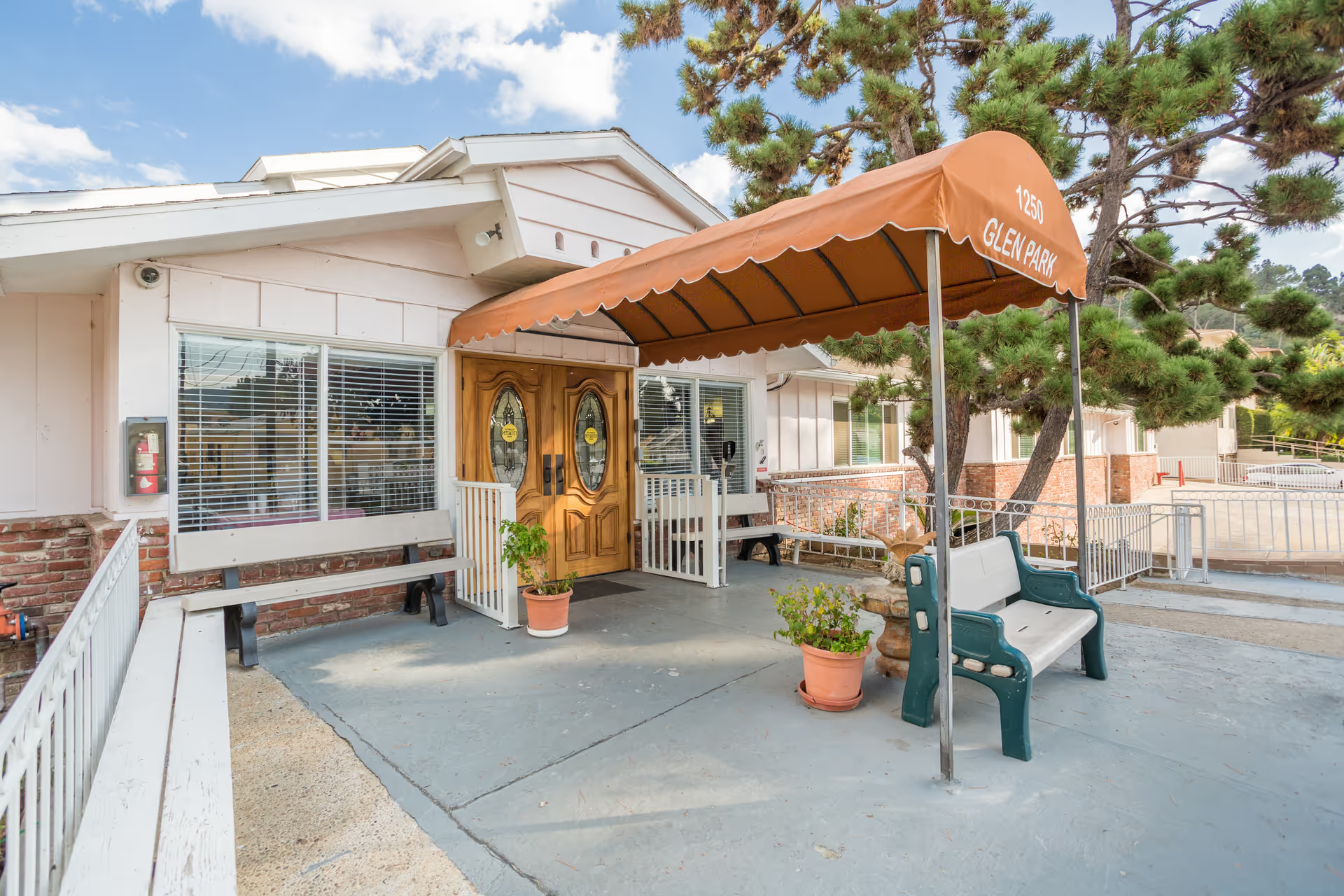
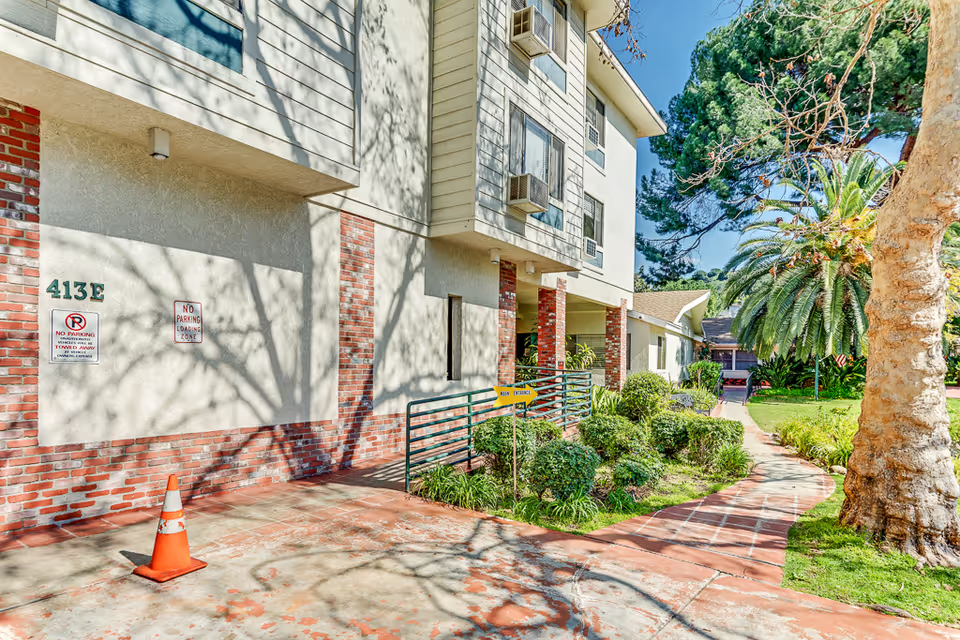
Twelve Oaks is consistently described as a tranquil, park-like campus with extensive mature oak trees and roughly five acres of landscaped grounds. Reviewers highlight recently renovated buildings, upgraded dining rooms, cottages and lodge-style units, and a range of housing options that include private balconies and walk-in showers. The property offers multiple hospitality-style amenities — an on-site hair salon, library, indoor lounges, and accessible outdoor seating and walking paths — which contribute to a resort-like, small-community feel. Many families and residents note the facility feels homier than institutional, with a warm, intimate atmosphere.
Dining and activities are notable strengths. The community provides three restaurant-style meals daily, prepared from scratch with garden vegetables and themed holiday menus; volunteers have contributed celebratory baked goods. Activity programming is varied and community-oriented, including gardening projects, games, outings, puppy parties, socials, and transportation to local events. Staff and residents are often described as close-knit and engaged, which supports a lively social environment for residents who are fairly independent.
Care and staffing impressions are mixed. Several reviewers praise caring, compassionate staff and the presence of on-site nursing and 24-hour staffing; others describe delays in staff responsiveness to clinical needs and slower-than-expected emergency response. These descriptions point to operational inconsistencies in clinical response and incident handling rather than uniform performance. The memory-care offering is limited in size and amenities: the memory-care dining/activity area is reported as small with few windows, and families indicated the space can feel cramped and may not suit individuals with advanced dementia.
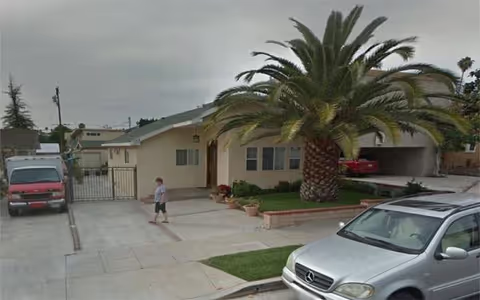
Facility and accessibility issues reflect the property's age and layout. While many buildings have been renovated, legacy features remain: some rooms are small or oddly shaped with limited closet space, doors and fixtures that require maintenance, and exterior walkways and thresholds that are uneven or more difficult to navigate in wet conditions. Certain residential bungalows are physically separated from main dining and activity spaces, which may reduce convenience for some residents. Site parking is limited in places and can rely on street parking.
Management and communication present a recurring pattern of concern. Some families describe positive interactions with front-line staff and new management initiatives since the facility reopened, while others cite slow responses to questions, locked offices or unavailable personnel, and tensions around administrative decisions. There are also references to more serious governance concerns and contested financial or trust matters; these are framed by reviewers as allegations and suggest families should review current ownership, billing, and grievance procedures during tours.
Overall, Twelve Oaks offers an appealing physical setting, renovated living spaces, strong dining, and active community life that suits relatively independent seniors seeking a small, communal environment. Prospective residents and family members should weigh those strengths against reported variability in clinical responsiveness, the limited scale of memory-care spaces, and administrative/communication inconsistencies. A thorough tour that inspects memory-care areas, unit storage and accessibility, emergency-response protocols, current management structure, and contractual billing/notice terms is advisable prior to placement.