Overall impression: Reviews describe a facility with strong strengths in person-centered culture, engagement, and environment alongside recurring operational weaknesses. Many families describe warm, caring staff, a lively activities program, attractive grounds and common spaces, and an active culinary program that residents enjoy. At the same time, a pattern of inconsistent care processes and staffing instability creates variability in day-to-day resident experiences.
Care and clinical oversight: The facility is frequently praised for compassionate caregiving and dementia-focused approaches; reviewers highlight caregivers who are attentive and knowledgeable about memory-care needs. However, persistent staffing shortfalls and turnover have been linked to variability in assistance with activities of daily living (bathing, dressing, timely toileting assistance) and occasional delays in attending to resident needs. Several accounts single out improvements after leadership changes (a new executive director and a registered nurse), suggesting that clinical oversight and workflow have the potential to improve when staffing and supervision are stabilized.
Staff and management: Staffing is a central theme. Many families commend individual staff members and cite strong team interactions, while others raise concerns about reliance on temporary/agency staff and uneven training or supervision. Where management is described as active and responsive, reviewers report smoother move-ins, quicker resolution of issues, and visible improvements in resident mood. Conversely, gaps in consistent clinical leadership, nursing oversight, and communication with families about care and billing contribute to distrust among some families.
Dining and nutrition: Dining is commonly noted as a strength—residents and families praise chef-driven meals, customized dietary options, and engaging food-related activities. At the same time, there are operational concerns about meal-time supervision and meal-service continuity (for example, limited staff available to assist or monitor multiple residents during meals), which families link to weight loss or decreased intake in some cases.
Activities and community life: Activity programming is a clear asset. Reviewers describe a wide range of on- and off-site activities, including arts, games, themed events, outings on a motor bus, and family celebrations. The activities director and service coordinators are frequently mentioned by name as energetic and effective in keeping residents engaged. Family-inclusive events and support offerings (virtual contact options, coffee chats, support groups) further support social connection.
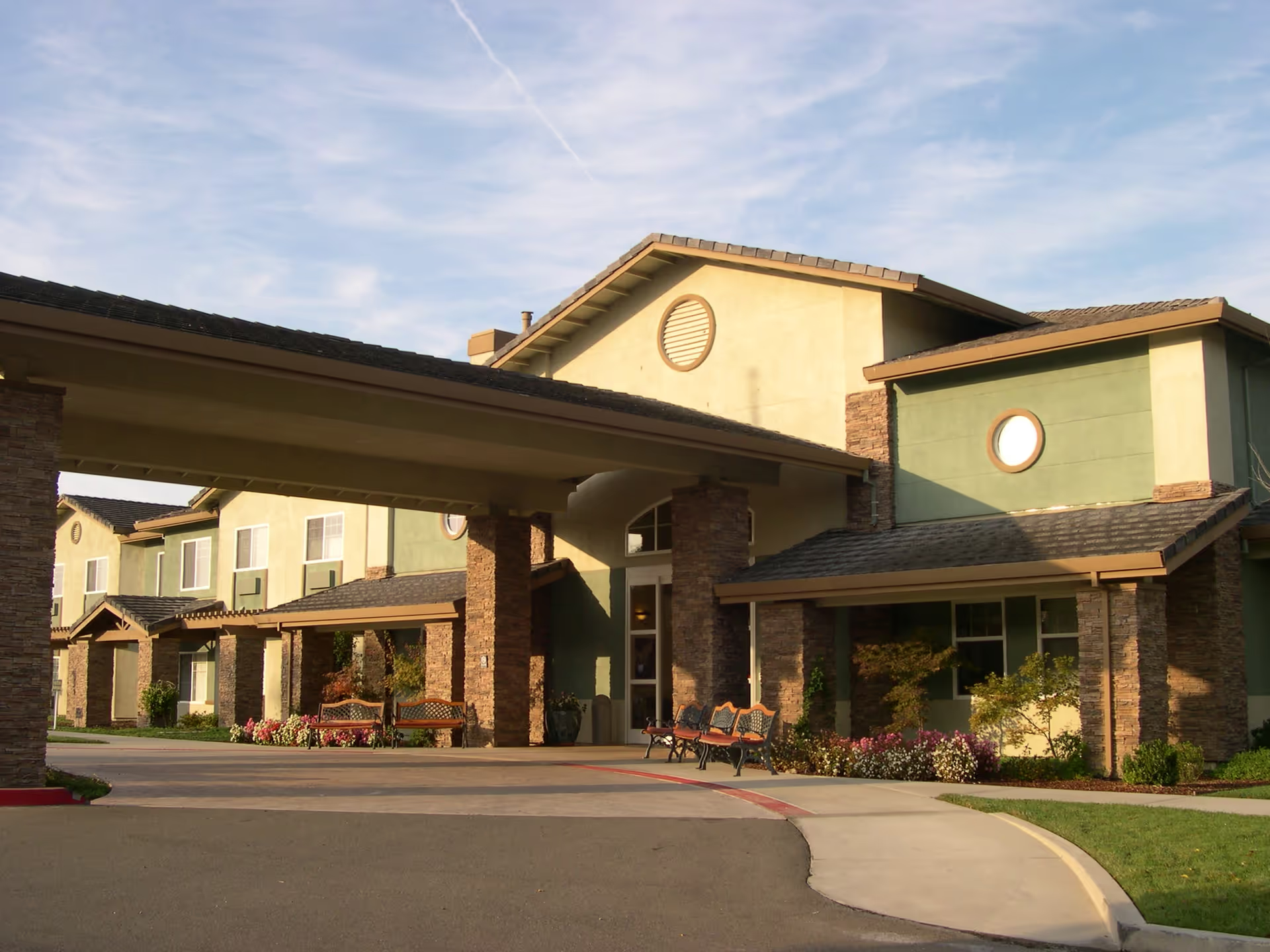
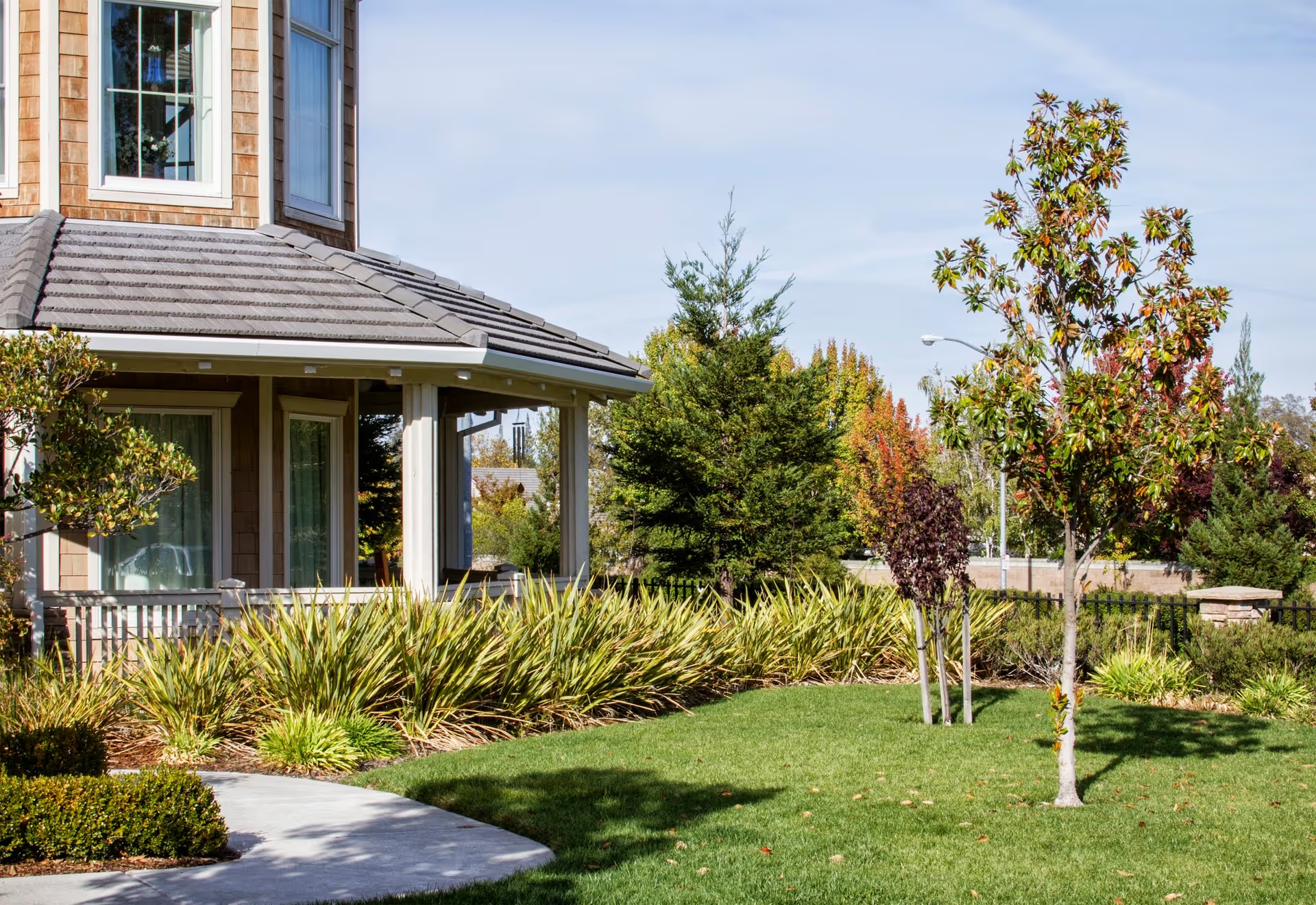
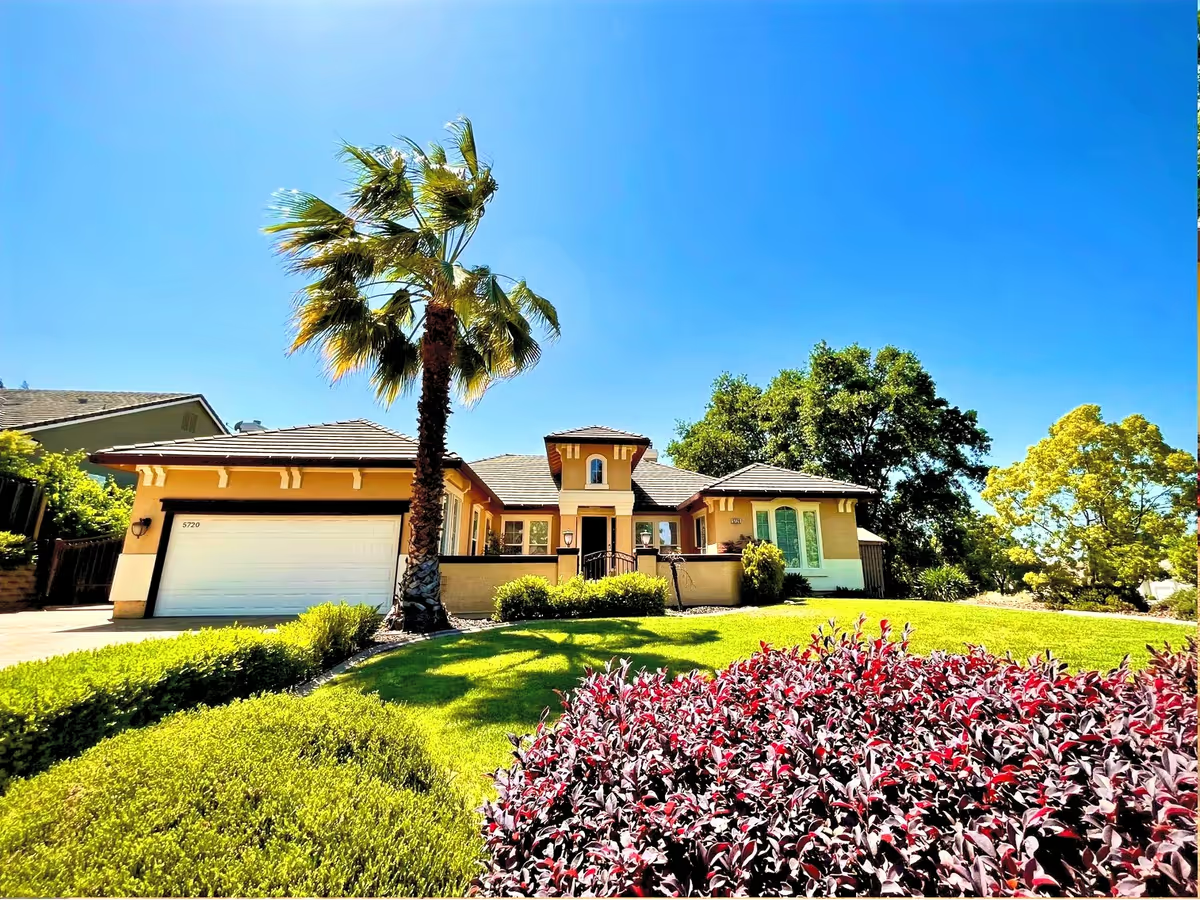
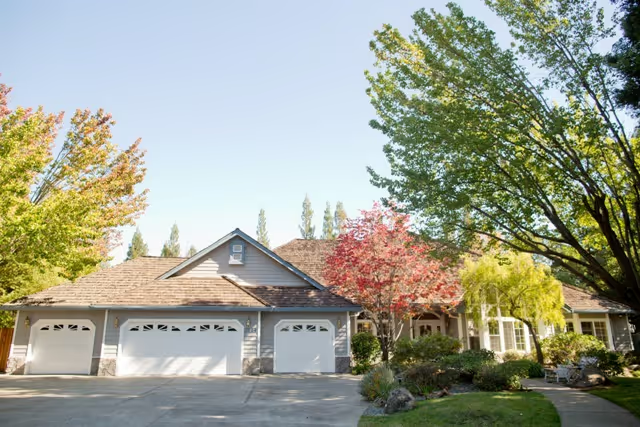
Facilities and housekeeping: The physical environment receives consistently positive comments—well-maintained grounds, pleasant patios, secure layouts, and newer single-occupancy rooms in parts of the facility. Nonetheless, there are recurring sanitation concerns in some resident rooms and bathrooms and reports of inconsistent housekeeping schedules. These issues, coupled with isolated accounts of missing personal items, point to operational areas that require attention.
Notable patterns and recommendations: The reviews present a polarized picture: families who experienced stable staffing and active leadership describe clearly improved resident well-being, while families affected by turnover or gaps in supervision report significant distress and even relocation. Prospective residents and families should clarify current staffing ratios, agency-staff usage, housekeeping and sanitation protocols, meal supervision practices, property-safeguarding measures, and transportation options. Ask management for recent staffing stability metrics, examples of staff training, and written protocols for ADL assistance, meal monitoring, and handling of resident belongings. Observing a mealtime and meeting with nursing leadership and the activities director can help assess whether recent improvements have been sustained.