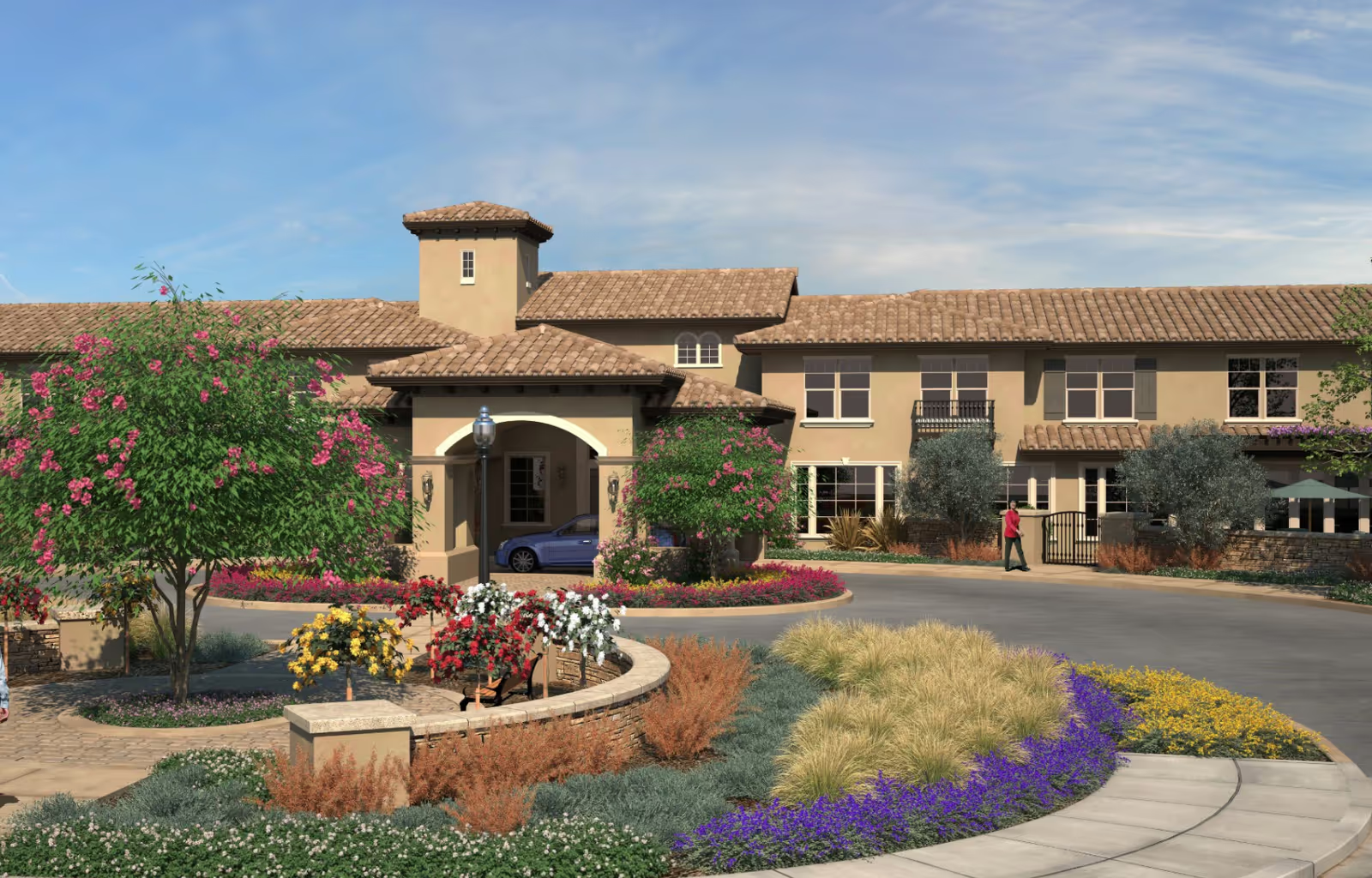
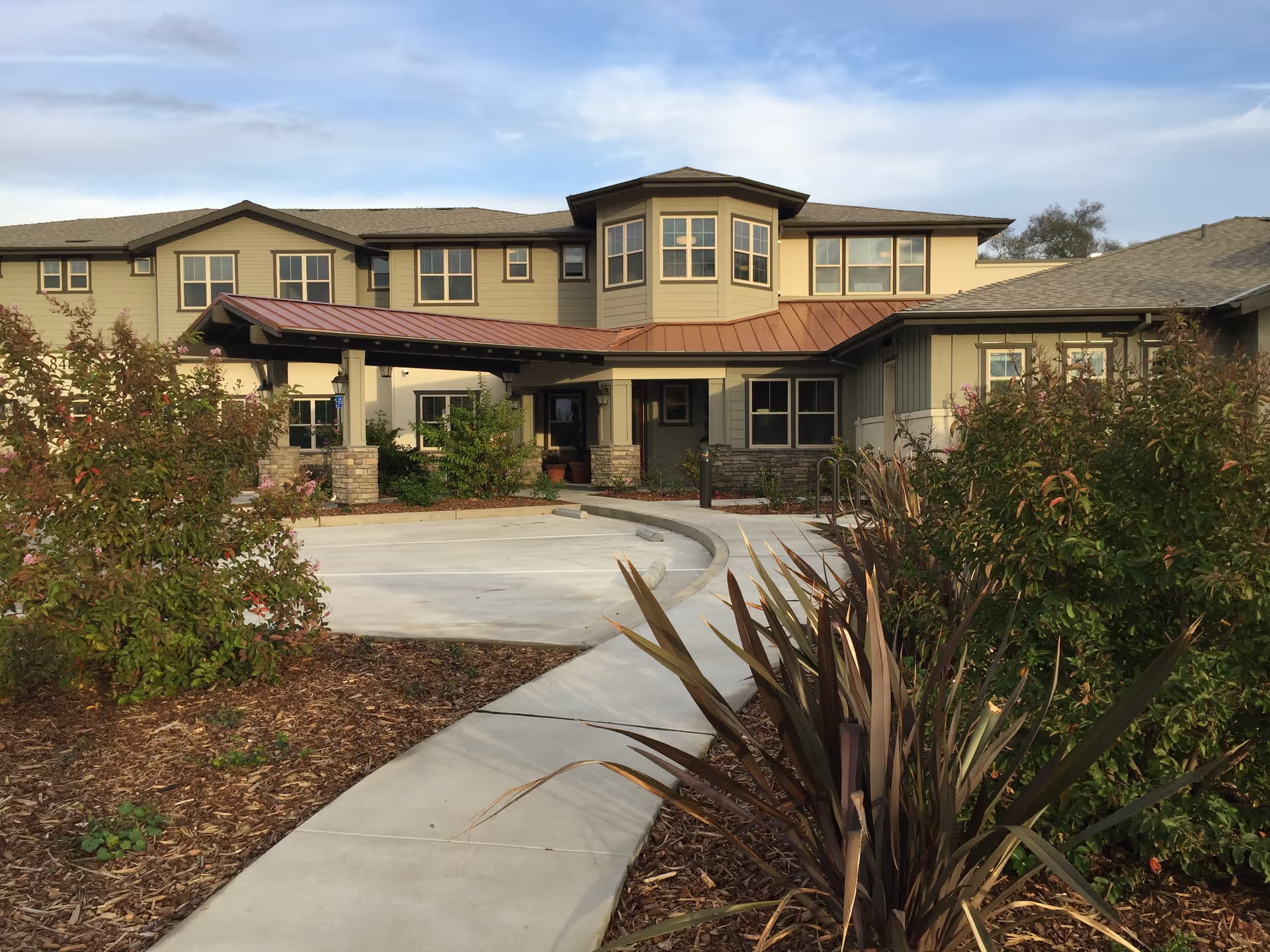
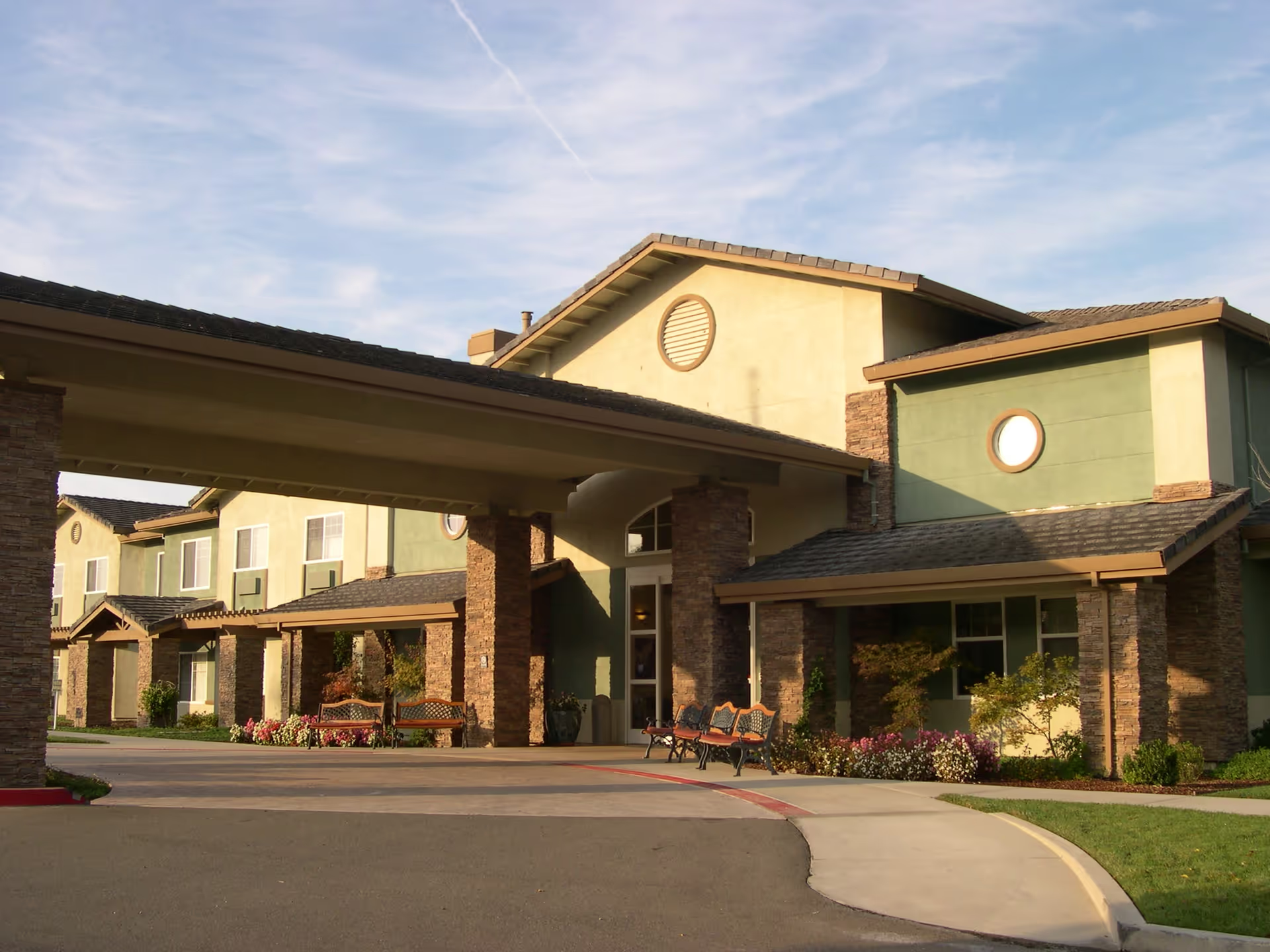
Sunrise of Rocklin presents a mixed but distinctive profile: many families and visitors praise the community’s hospitality, culinary program, and social offerings, while others raise operational concerns that affect the consistency of day-to-day care. The facility is often described as resort-like and well kept, with attractive public spaces, gardens, a salon, exercise areas, and a variety of apartment styles. Dining receives frequent positive remarks — chef-led menus, plated restaurant-style service, and accommodations for dietary needs are highlighted. The activity program is robust, with frequent live music, outings (including memory-care excursions), and a wide range of on-site events that contribute to an engaged resident culture.
Care and staffing are the most polarizing areas. Many reviewers emphasize compassionate, attentive caregivers, knowledgeable nursing staff, assigned caregivers, and regular family updates that provide reassurance. Conversely, a consistent pattern across reviews points to staffing shortages, turnover, and delays in responding to resident needs. Several accounts suggest lapses in medication administration and gaps in clinical coordination; these are operational concerns that prospective families should validate during a tour and pre-move discussions. Memory care is described as secure and active, but some families find the access/escort policies restrictive and express concerns about the unit’s dementia-specific expertise and fall-prevention practices.
Housekeeping and facility maintenance are generally seen as strengths — the campus is often called clean and well maintained — but there are also reports indicating inconsistent housekeeping follow-through and isolated sanitation or odor concerns in certain areas. Amenities are plentiful, though some practical limitations appear: cable and WiFi are not universally available in all rooms, dining hours are relatively fixed, and parking/lighting in some corridors and exterior areas were noted as less favorable.
Management impressions are mixed. Several reviewers praise proactive leadership, responsive administrators, and visible program directors; others describe poor internal communication, scheduling problems for tours or appointments, and a perception of management not addressing complaints promptly. Pricing is another recurring theme: the community commands a premium relative to alternatives, and several families raised concerns about recent price increases and unclear extra charges. High occupancy and a waiting list indicate strong demand, but they also reinforce the need for careful contractual review around fees and care guarantees.
Notable patterns: experiences appear variable by unit and shift — strong, individualized care is frequently reported, but inconsistency tied to staffing levels and internal communication is a recurring theme. For families prioritizing culinary quality, social programming, and a resort-like environment, Sunrise of Rocklin often aligns well with those expectations. For families where continuous clinical reliability, transparent pricing, and dementia-specialized staffing are the highest priorities, it is advisable to probe staffing ratios, medication administration protocols, fall-prevention practices, memory-care clinical training, and documentation of fee structures during a visit.
Practical next steps for prospective residents and families: observe multiple shifts if possible, request recent staffing and turnover metrics, ask for a written medication-management and incident-communication policy, verify internet/cable availability for specific units, and obtain a clear fee schedule that includes escalation/notice terms. These checks will help reconcile the facility’s strong lifestyle and dining offerings with the operational consistency needed for ongoing clinical care.