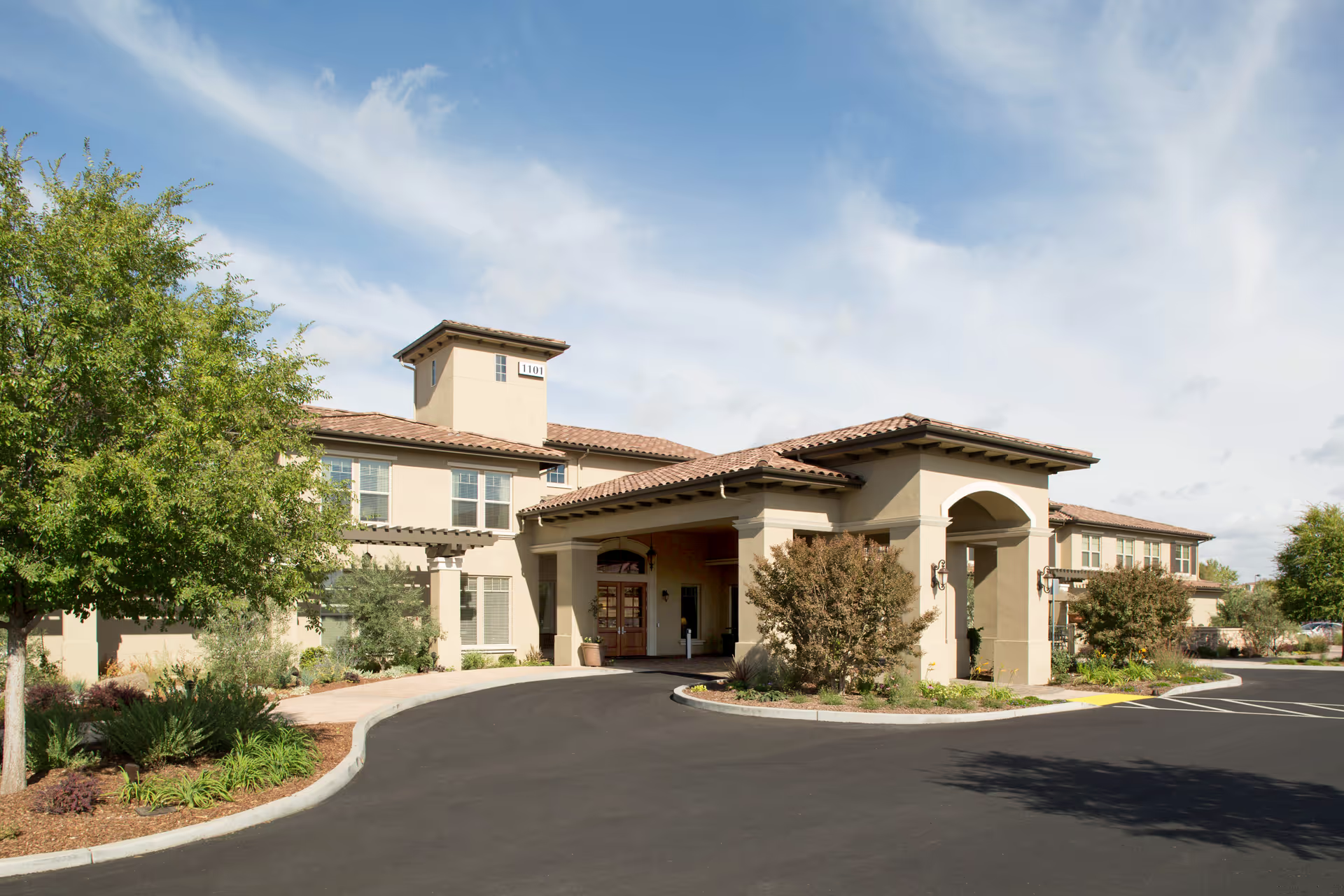
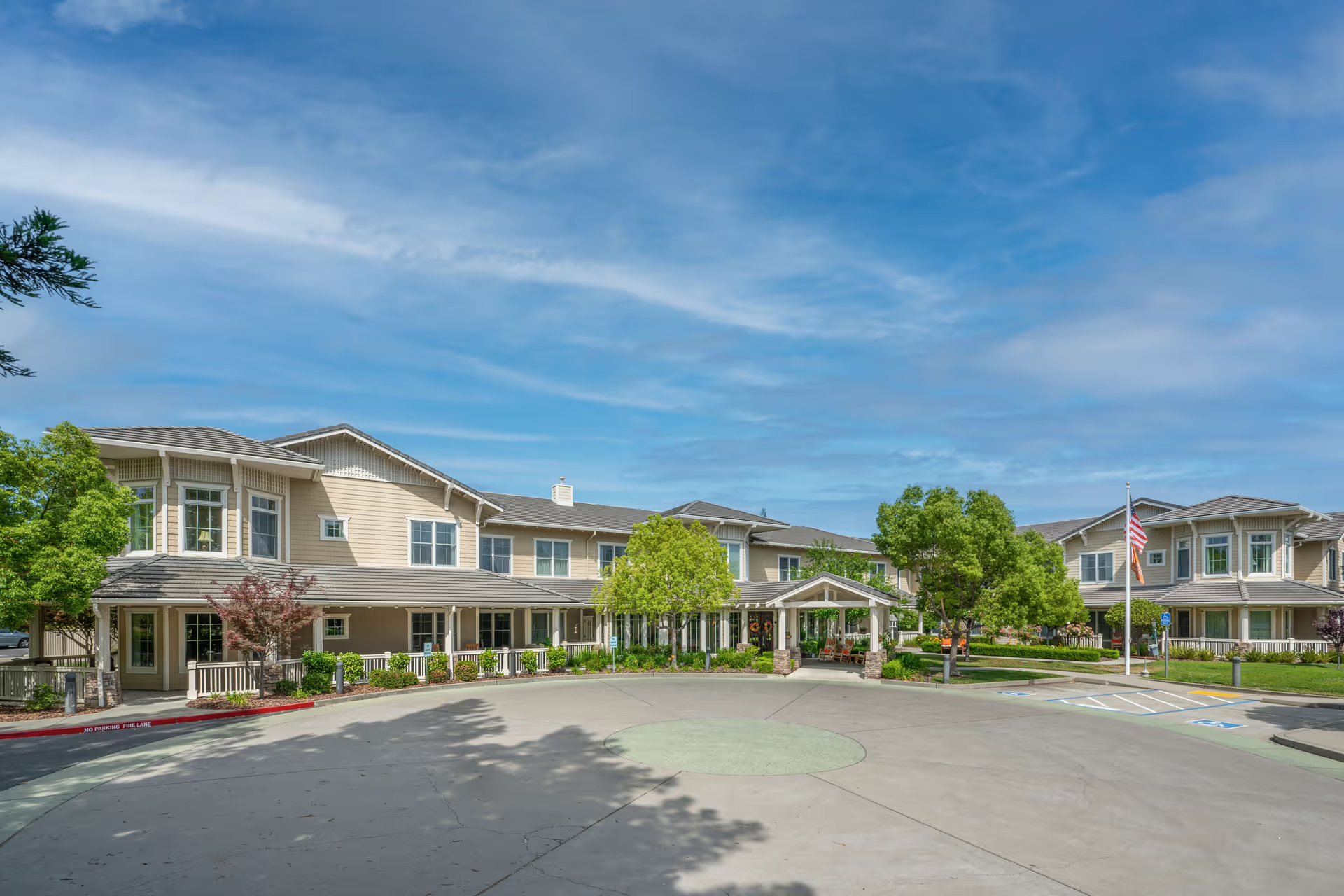
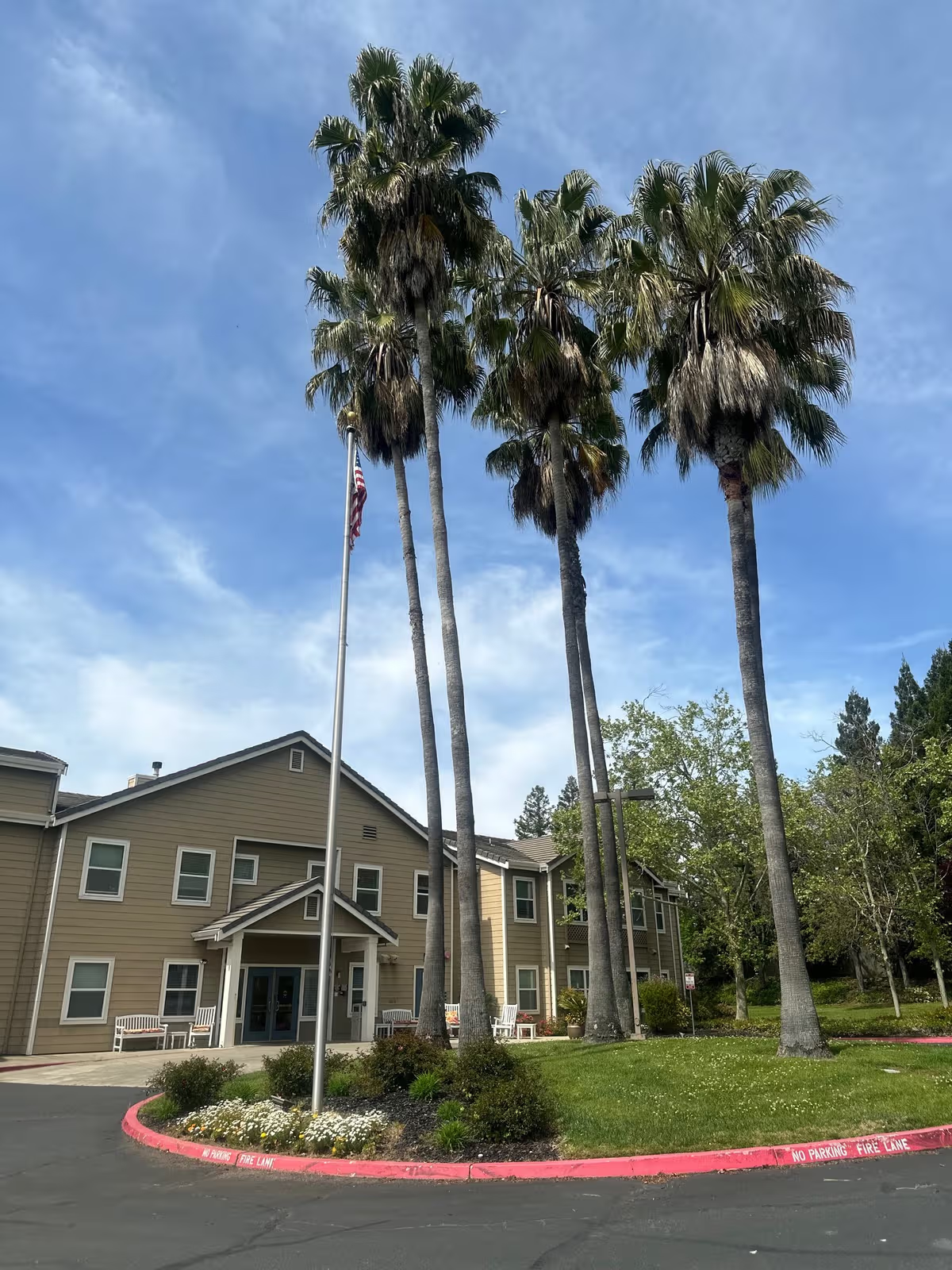
Overall assessment Amethyst Grove of Rocklin receives substantial positive feedback for the quality of everyday caregiving. Multiple accounts emphasize a compassionate, family-like approach from staff, individualized care plans, and attentive, communicative nurses and aides. Families frequently described staff as professional, dedicated, and effective at helping residents settle in; this consistent interpersonal support appears to be a core strength of the community.
Care, staff, and management The caregiving team is repeatedly characterized as attentive, kind, and committed, and families cite reassurance from staff as an important factor in their decision to place loved ones at the facility. There is an emphasis on personalized care planning and follow-through, and many reviewers described strong, trusting relationships with specific caregivers. At the same time, reviewers indicate variability in staff conduct and professionalism; while many interactions are described positively, there are instances that point to gaps in staff training, de-escalation, or supervisory follow-up. These patterns suggest that overall staffing culture is a strength but that consistency across all employees and shifts could be improved through targeted management action.
Dining, activities, and environment Dining services are frequently praised: meals are described as plentiful, appealing, and accommodating of special orders. The facility’s social programming and celebrations contribute to a warm, home-like atmosphere that families appreciate. Such activities and communal events appear to support resident engagement and a sense of community, reinforcing positive reports about residents “settling in” and enjoying daily life.
Safety, conduct, and communication patterns There are notable concerns about staff conduct in specific instances, including culturally insensitive remarks and interactions described as rude or aggressive. Those incidents, while not described as the norm, were significant enough in individual cases to prompt family concern and, in at least one situation, relocation. These accounts point to broader operational issues: inconsistent professionalism across staff, potential weaknesses in incident-response procedures, and opportunities to improve transparency and communication with families after adverse events. Addressing these areas through clearer accountability, consistent training on cultural sensitivity and de-escalation, and strengthened incident-response protocols would help reconcile the facility’s generally strong caregiving reputation with the sporadic serious concerns.
Guidance for prospective families Prospective residents and families should weigh the facility’s strong points—compassionate staff, personalized care plans, robust dining and social programming—against the possibility of variability in staff behavior. When touring the community, ask about staff training (particularly on cultural sensitivity and conflict resolution), incident reporting and response procedures, staffing patterns across shifts, and how the care team communicates with families after concerns arise. Those steps will help determine whether the facility’s positive practices align with your expectations for consistent conduct and safety oversight.