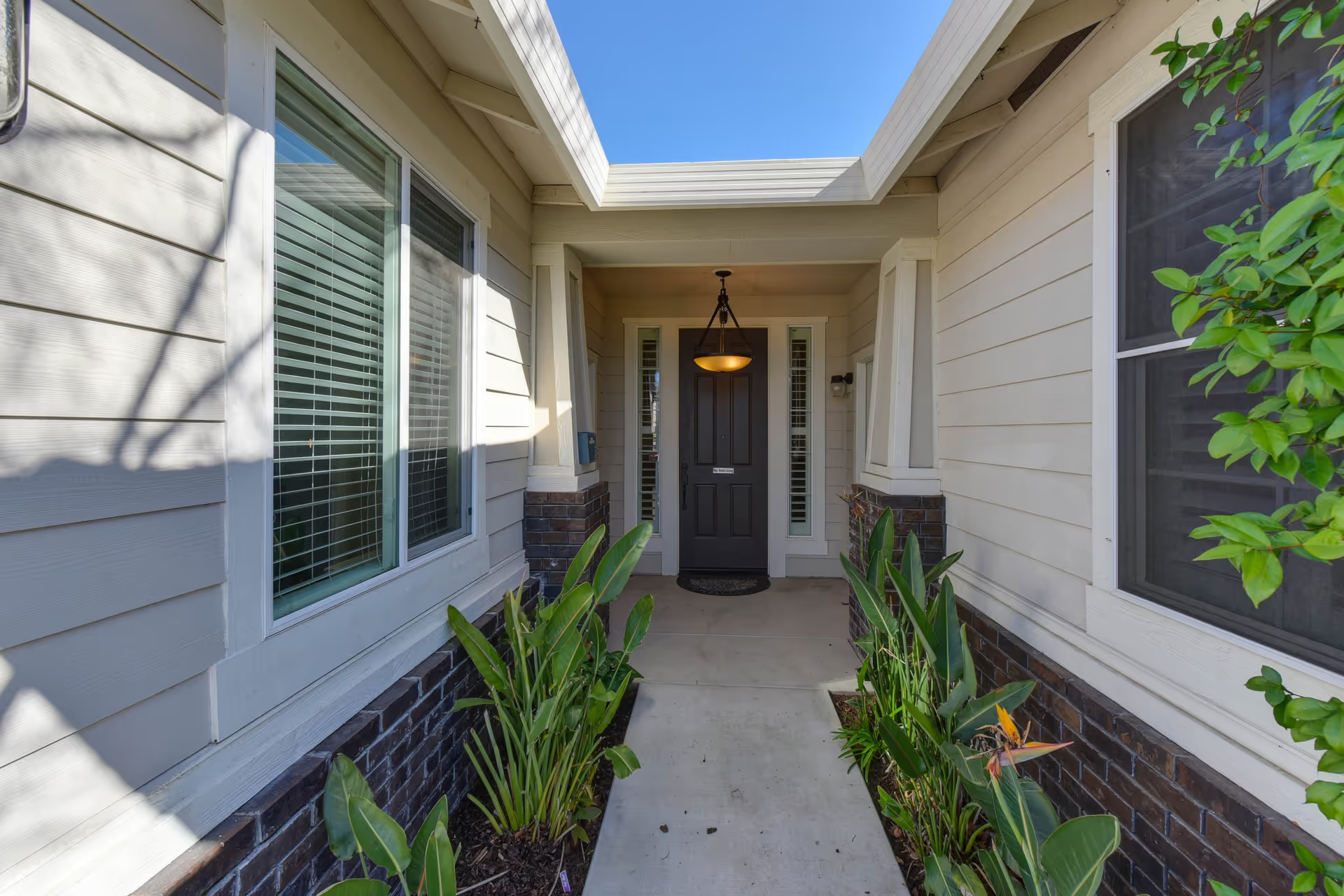
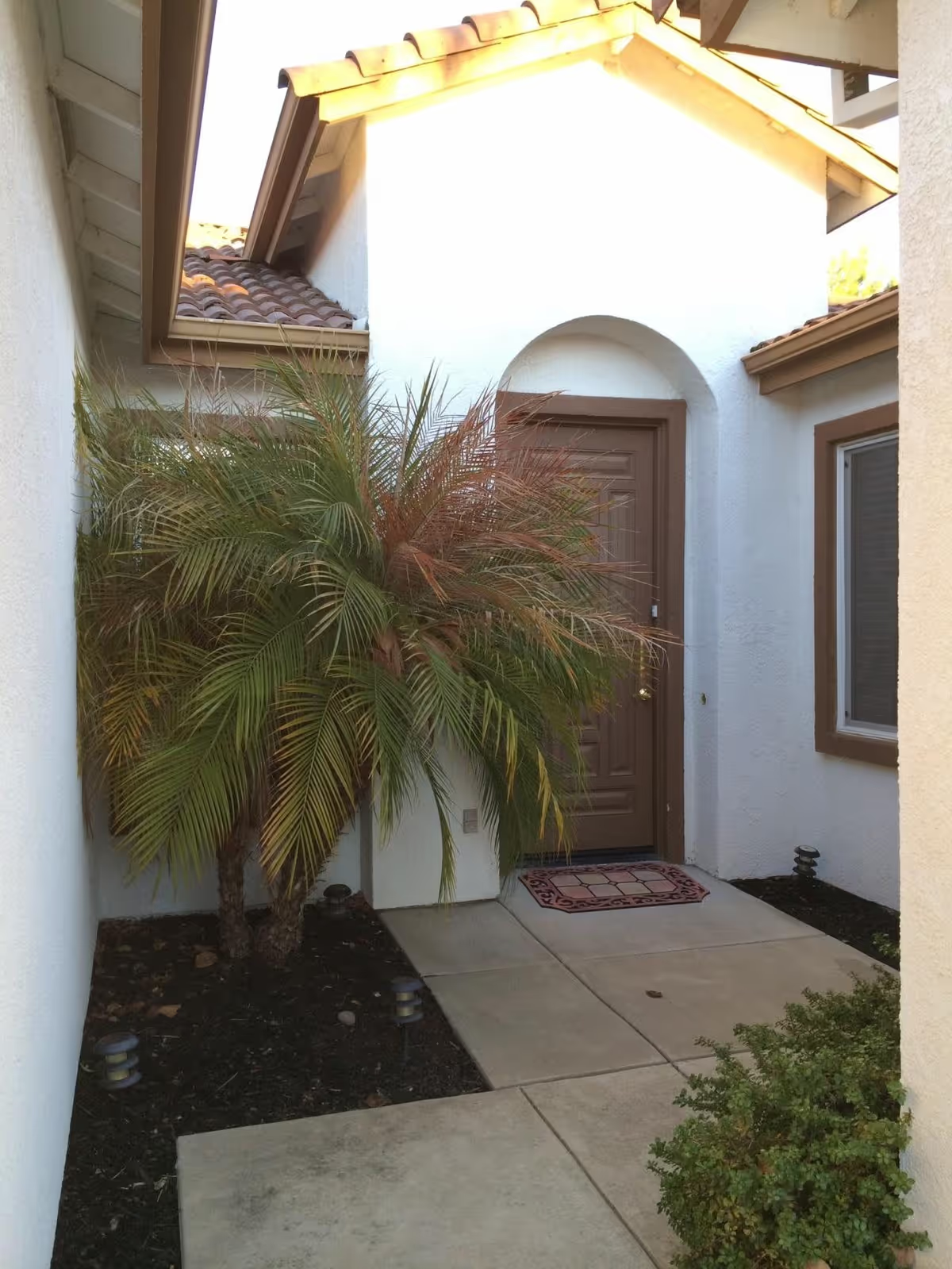
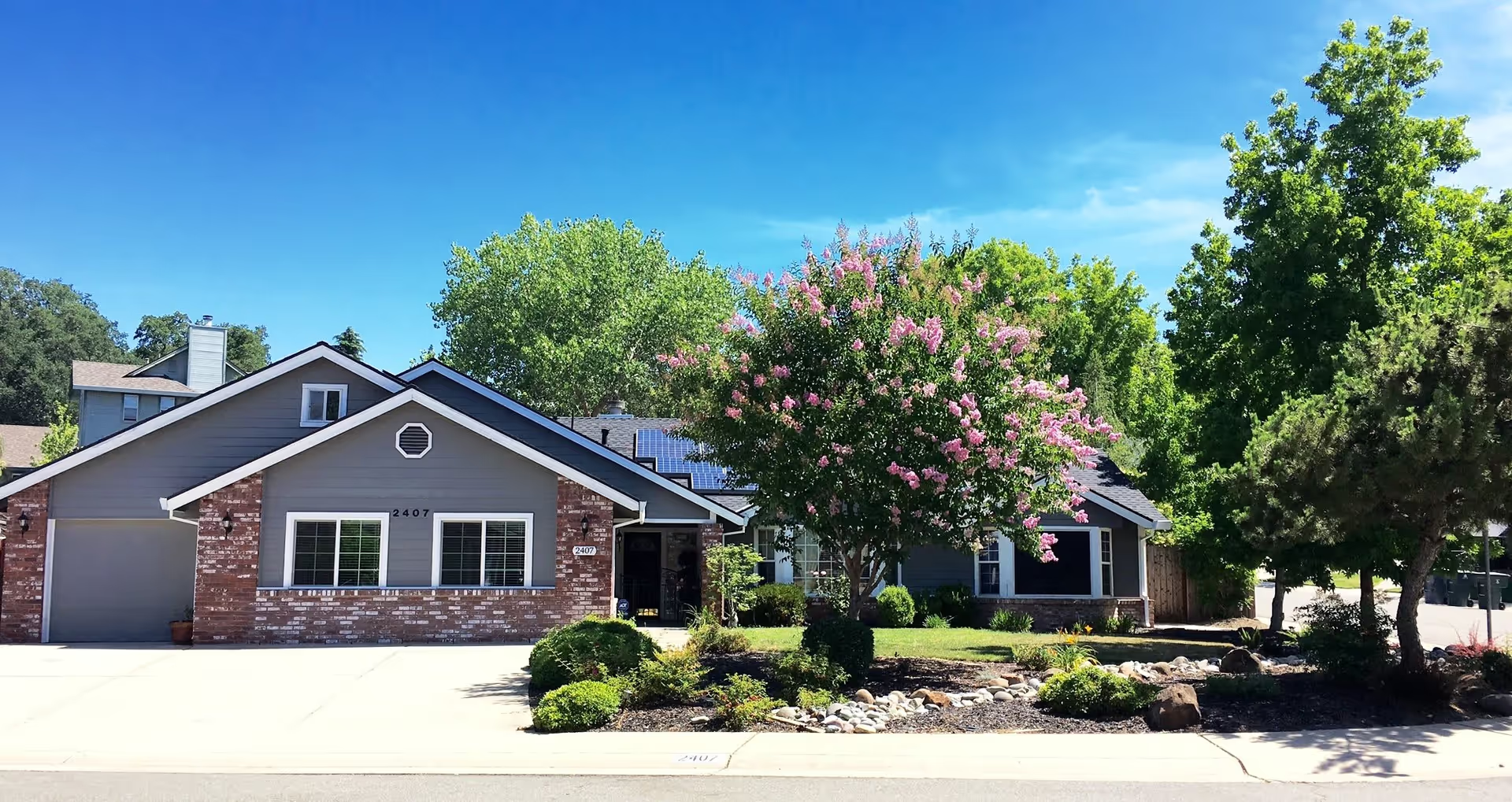
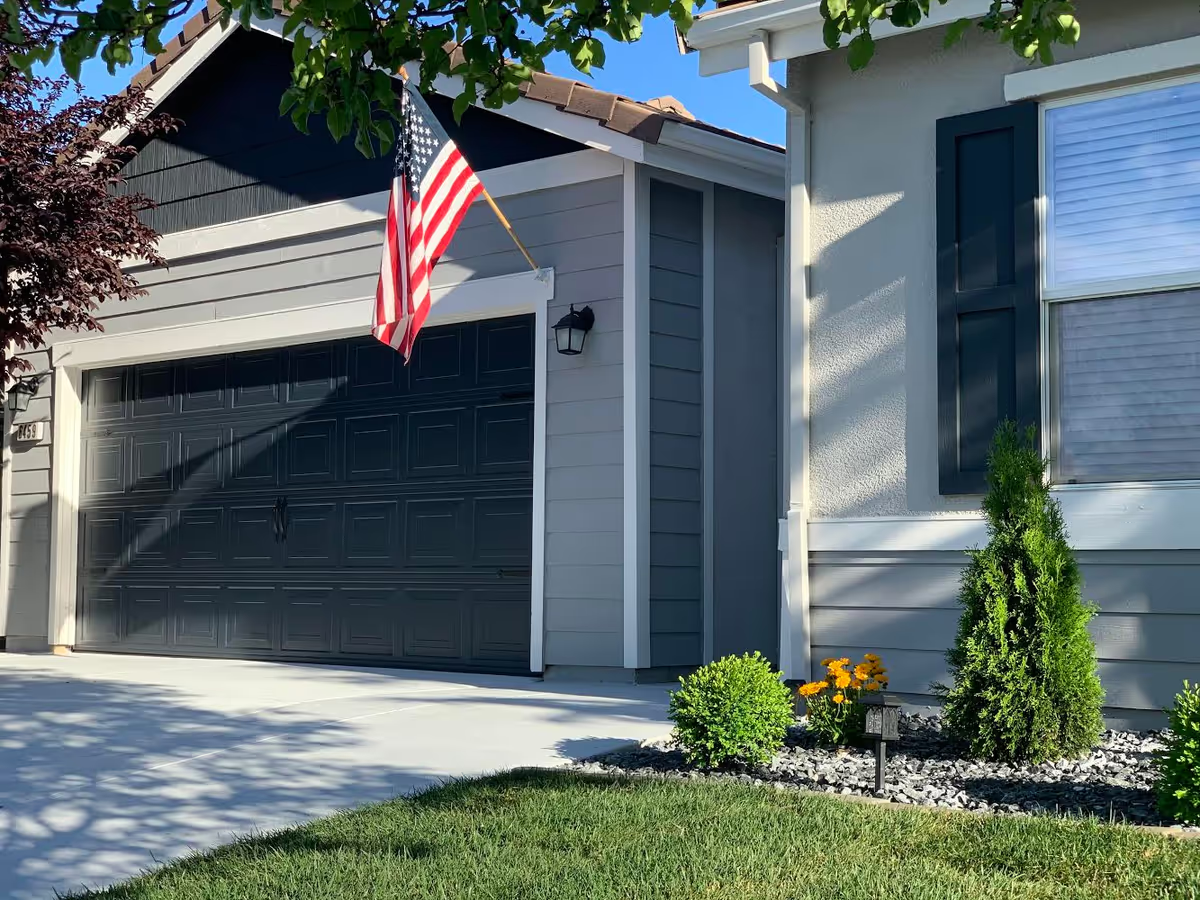
Aunt Dottie's Place is consistently described as a small, home-like board-and-care with a strong emphasis on personalized, family-style attention. Reviewers emphasize a residential atmosphere and small census (noted as about six residents in one account), which appears to facilitate individualized care plans, dementia-friendly approaches, and dignity-preserving interactions. Many families cite long-term stays and transitions from less-successful placements to stability and satisfaction at this facility.
Care quality and staffing are frequent strengths in the reviews. Staff are characterized as attentive, compassionate, respectful, and responsive; several accounts highlight staff patience, clinically attentive hospice support, and good medication-management practices. Ownership and administration are frequently visible and engaged—specific mention is made of the owner (Debi) helping with doctor appointments and family communication—which reviewers report reduces family burden and provides reassurance. That said, one recurring operational concern is short staffing, which some reviews flag as creating coverage pressure; this appears to be an intermittent operational strain rather than a universal characterization.
Dining and programming receive positive notes. Meals are described as fresh, homemade, and adaptable to residents' preferences, with overall satisfaction reported for nutrition and portioning. Activities are varied and aimed at social engagement: organized crafts, music and sing-along sessions, live entertainment, BBQs, and outdoor family events are all highlighted. The setting—quiet residential neighborhood with a backyard and occasional pool access—supports family visits and outdoor socialization.
Facility condition and management practices are also strong points. Multiple reviews describe the home as immaculate and well-maintained, with a welcoming interior and safe, supportive environment. Communication with families is described as consistent and comforting; reviewers cite frequent updates and accessibility of administrative staff. The small scale and hands-on ownership model contribute to a sense of community and close oversight, though they also imply operational dependencies on a few key people.
Notable patterns and limitations: the facility’s small size and residential model are central to its appeal but also limit capacity and the range of on-site clinical specialties. Families who require frequent specialist-level services should verify how those needs are managed externally. Short-staffing is the primary operational drawback mentioned; prospective families may wish to ask about current staffing ratios, contingency plans for coverage, and how clinical needs are handled during staffing fluctuations. Overall, reviews portray Aunt Dottie’s Place as a well-kept, community-oriented home that emphasizes personalized attention, consistent family communication, and engaging social programming, with manageable trade-offs typical of a small, owner-run residential care setting.