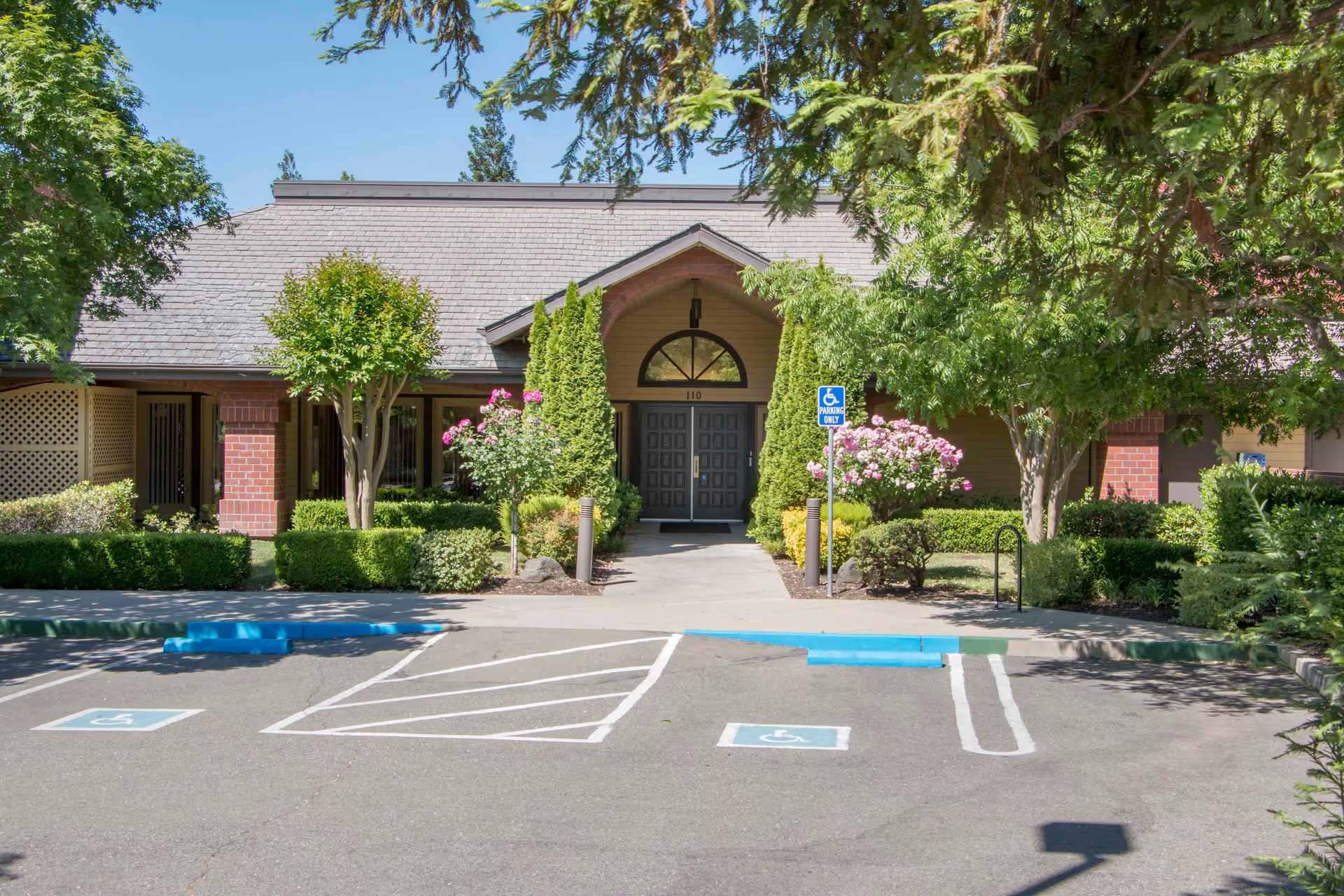
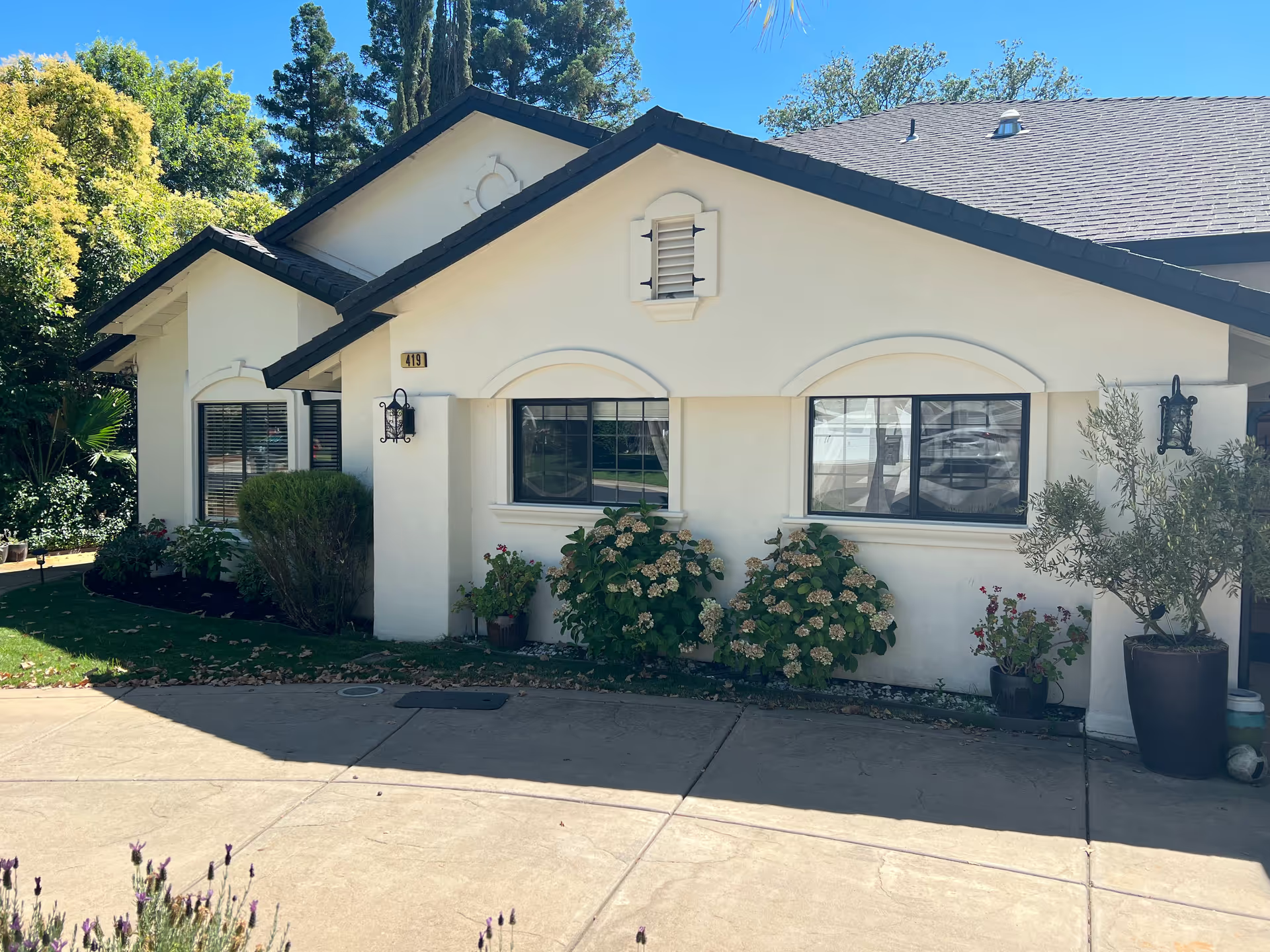
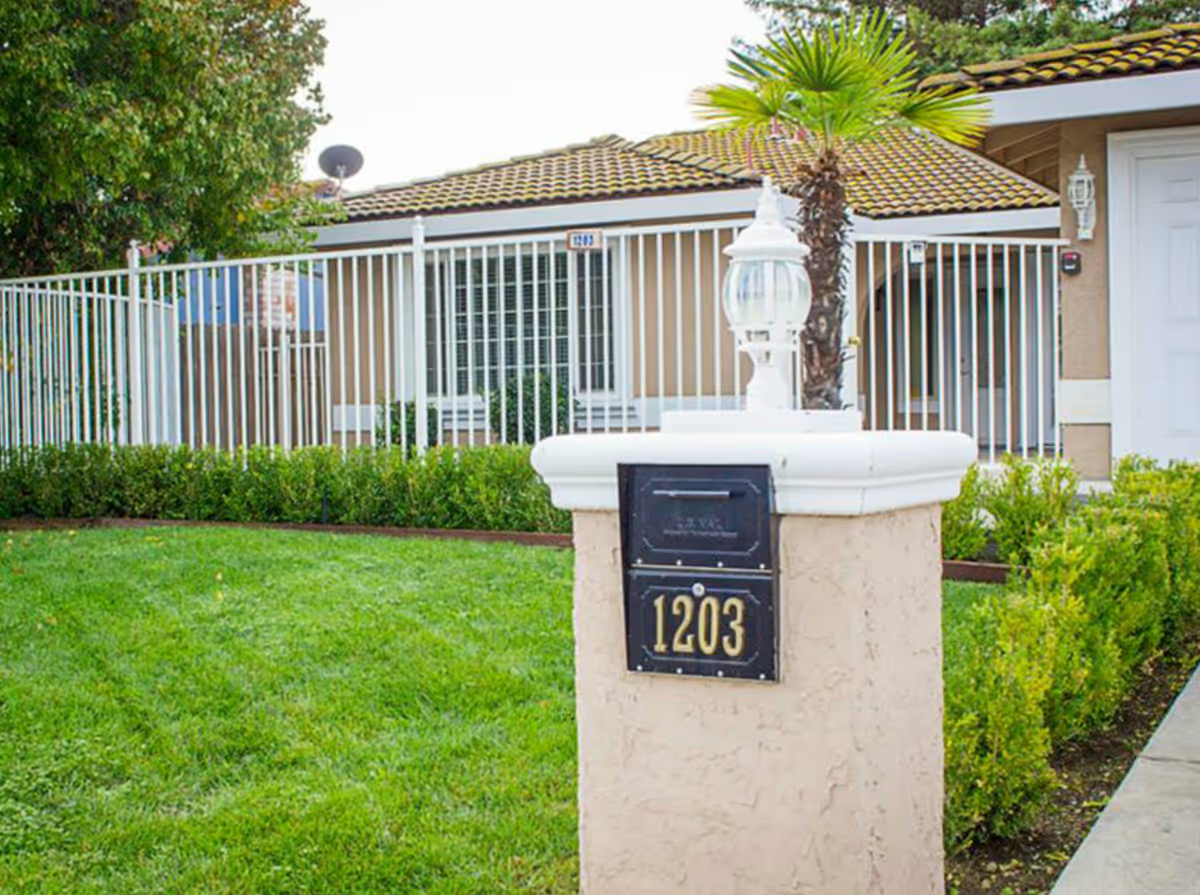
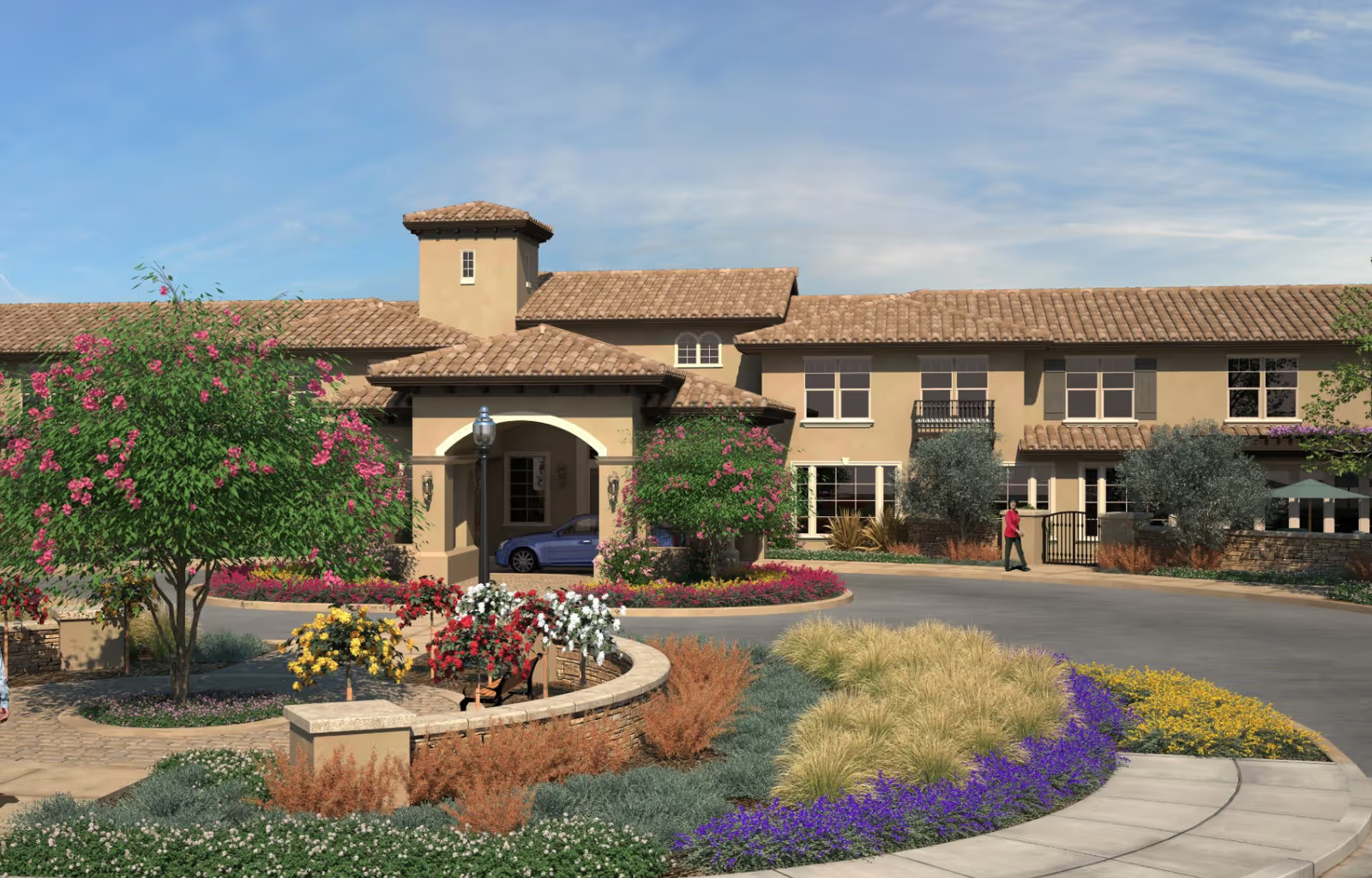
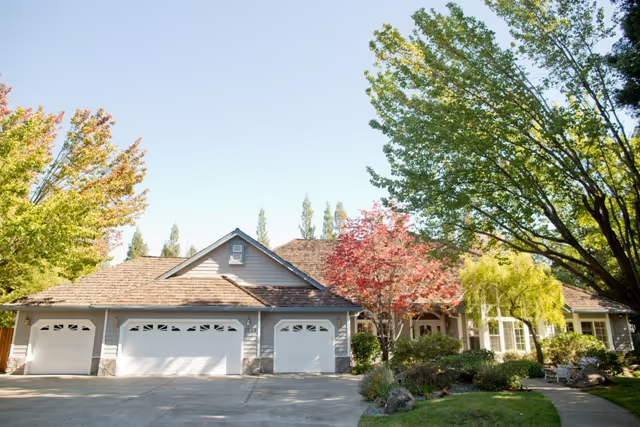
Overall impression: Vista Roseville presents as a small-to-medium, home-like assisted living community with consistently positive commentary about frontline caregiving, cleanliness, and social amenities. Many families praised the warmth and attentiveness of care partners, the community’s comfortable scale, and a range of activities and communal spaces that contribute to a lively atmosphere. At the same time, recurring operational and administrative issues are a noticeable pattern that prospective families should evaluate during tours and contract discussions.
Care and staff: Reviewers frequently highlighted compassionate, engaged care staff and specific strengths in memory-care programming. The community offers extended licensed nursing coverage and several accounts emphasize attentive nursing and hospice-friendly end-of-life care. Staff are described as knowing residents by name, providing prompt personal assistance, and creating a family-like environment. However, there are recurring concerns about medication handling and clinical documentation; some families described inconsistent adherence to medication orders or communication gaps between clinical staff and families.
Dining: Dining is generally viewed as a strength — reviewers note well-presented meals, accommodating kitchen staff, and flexibility for visitors and special meal times. Dietary accommodations are available and appreciated, though several families found therapeutic options (notably diabetic or highly restricted diets) to be limited or bland. Food quality appears to vary depending on specific dietary needs, so prospective residents with strict nutritional requirements should discuss menu options in detail.
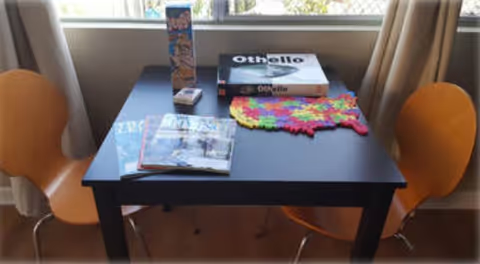
Activities and amenities: The community offers a broad activity program that includes live entertainment, exercise classes, movie nights, outings by bus, and thematic social events. Common areas such as a large library, courtyard, gazebos, and a themed activity room are repeatedly cited as positives. That said, some reviewers experienced low participation or found the activity mix repetitive; activity engagement can fluctuate depending on resident interest and staffing.
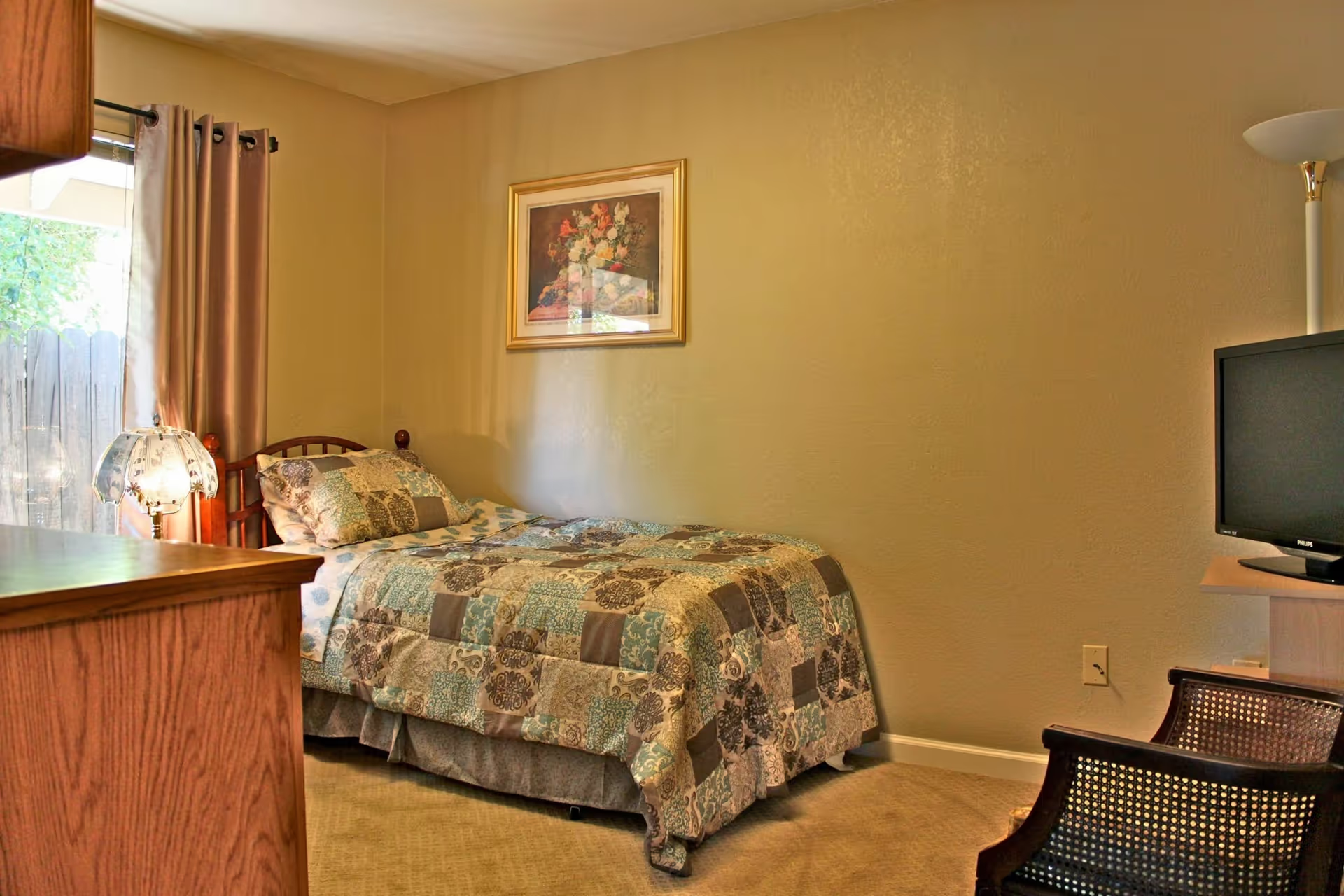
Facilities and safety: Physical maintenance and cleanliness receive consistent praise — housekeeping, maintenance responsiveness, and an odor-free environment were commonly noted. Unit sizes trend toward studio/one‑bedroom layouts and some prospective residents cited limited space and a lack of two-bedroom options. A small number of accounts raised significant safety and privacy concerns, including allegations of unauthorized room entry and an isolated serious safety incident that required emergency response; these items point to potential gaps in security protocols and incident-communication practices that warrant clarification.
Management and operations: Administrative issues are a prominent theme. Families reported inconsistent communication from management, confusing billing practices, bookkeeping errors, and leadership turnover. These operational weaknesses are the most consistent negative pattern and can affect move-in coordination, billing clarity, and follow-up after clinical or behavioral incidents. Prospective residents should request a clear explanation of billing, staffing ratios, medication-management procedures, and recent leadership changes during their tour.
Bottom line: Vista Roseville offers many strengths typical of a small, community‑oriented assisted living — personable caregiving staff, strong memory-care capabilities, clean facilities, and active social programming. Those positives coexist with operational challenges around administration, billing transparency, medication management, and the occasional security/incident-response concern. Families should weigh the strong hands-on caregiving culture and amenities against the need for clear administrative practices by asking targeted questions about clinical oversight, incident protocols, staffing stability, and fee schedules before committing.