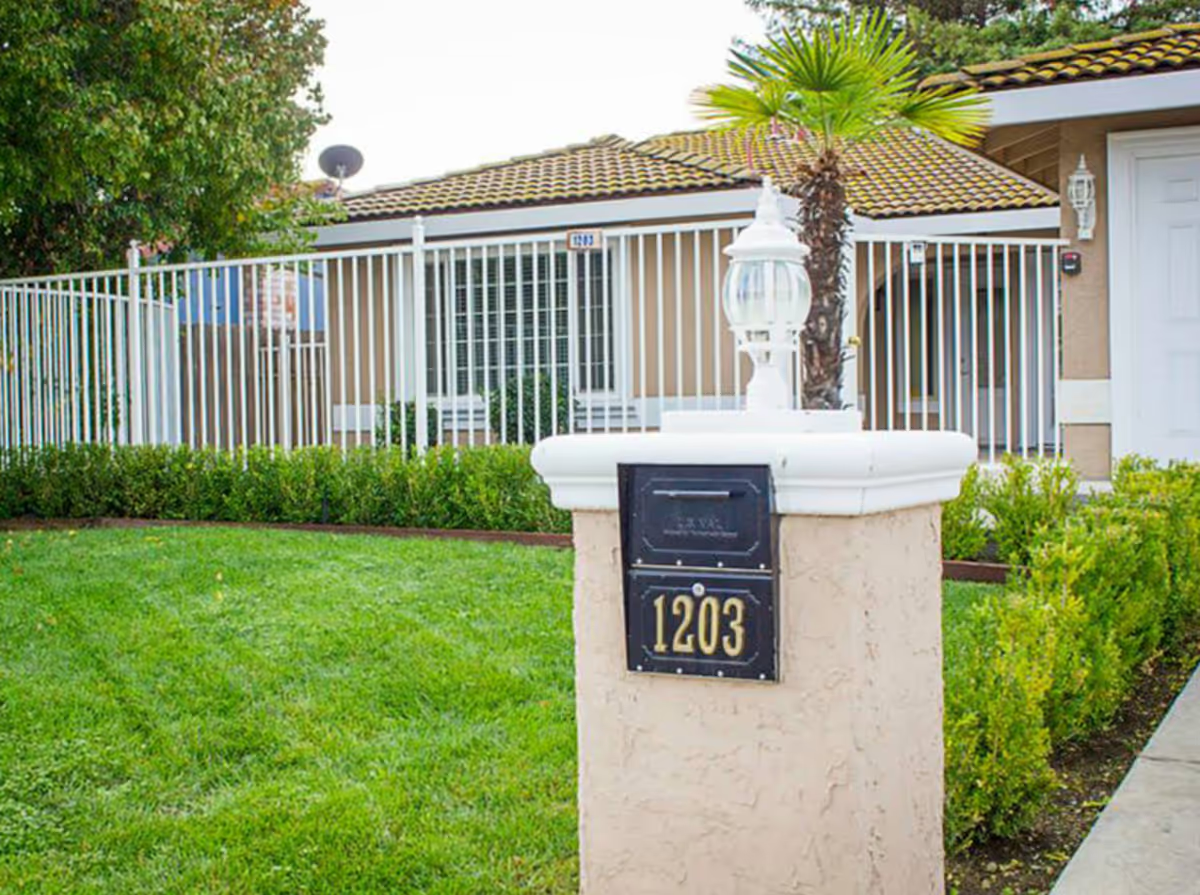
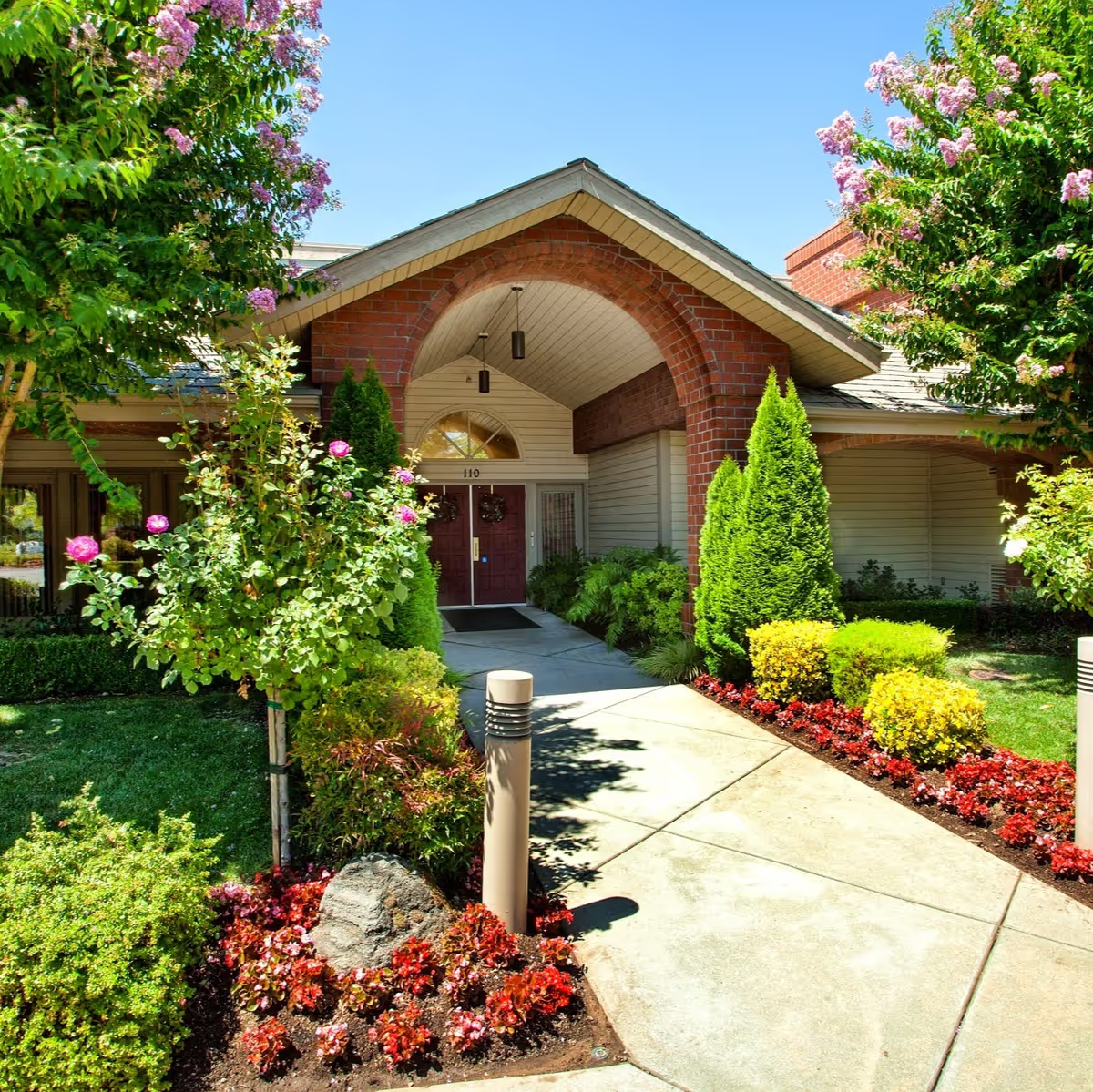
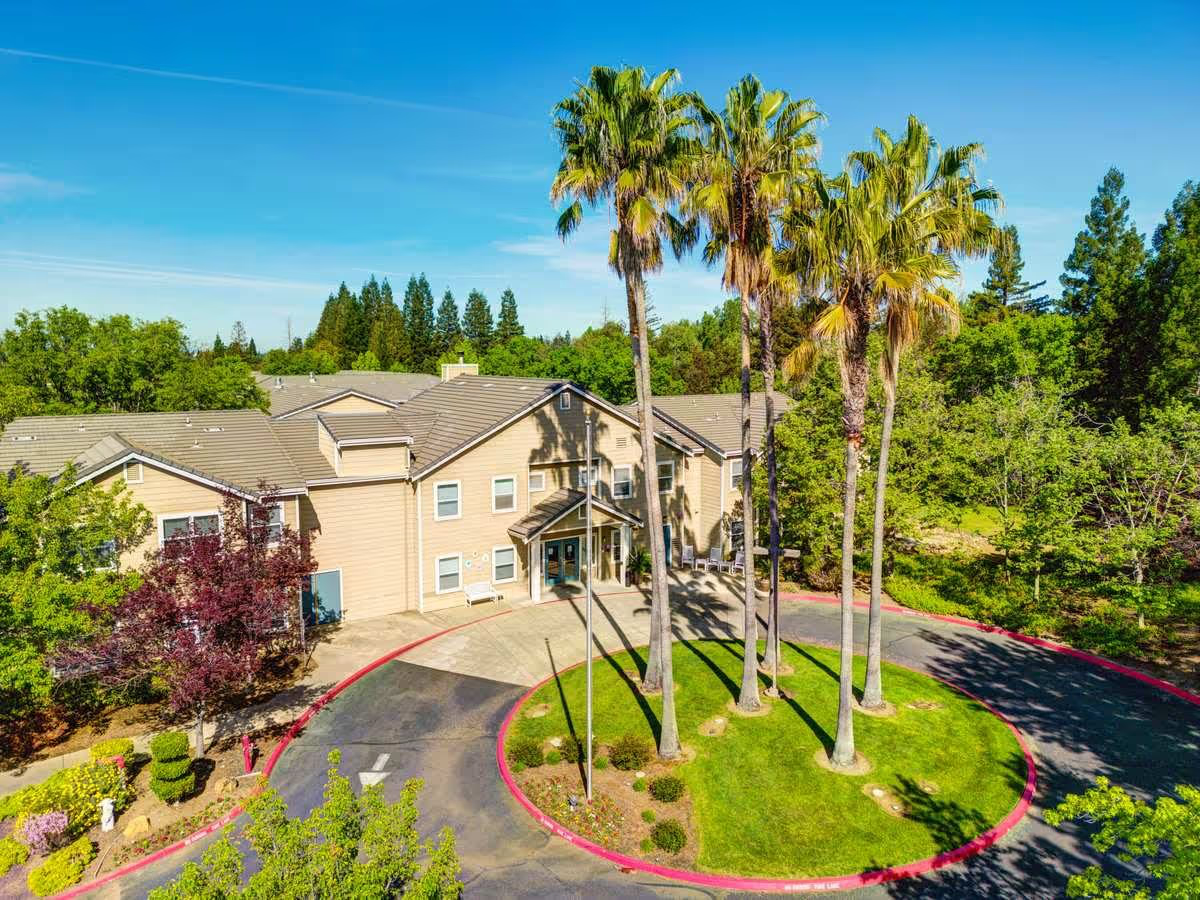
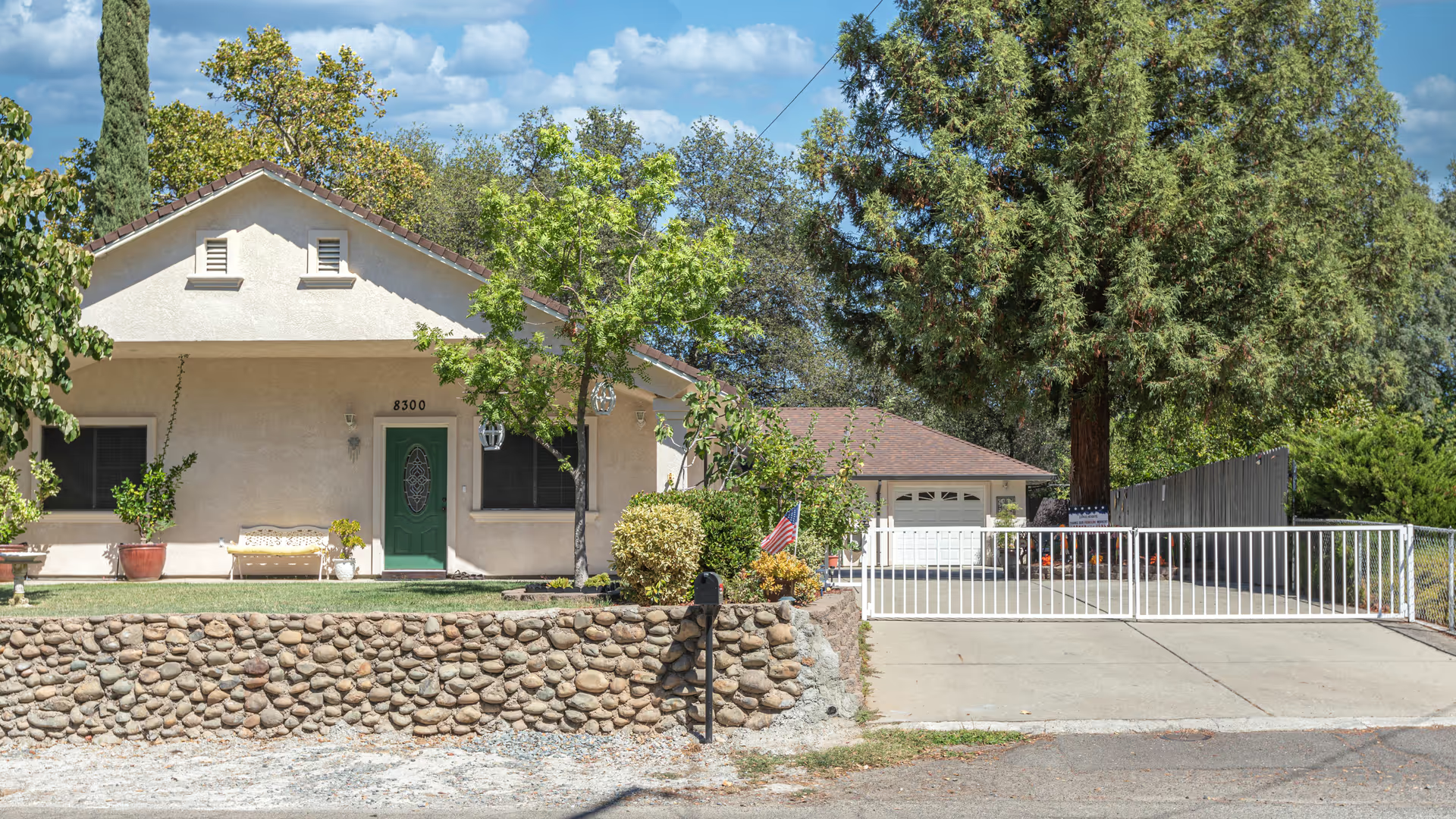
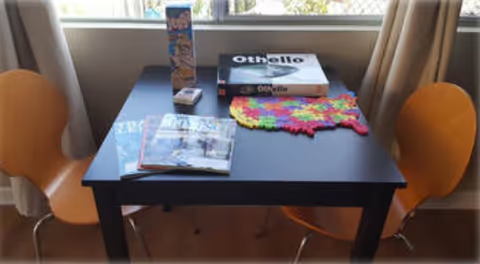
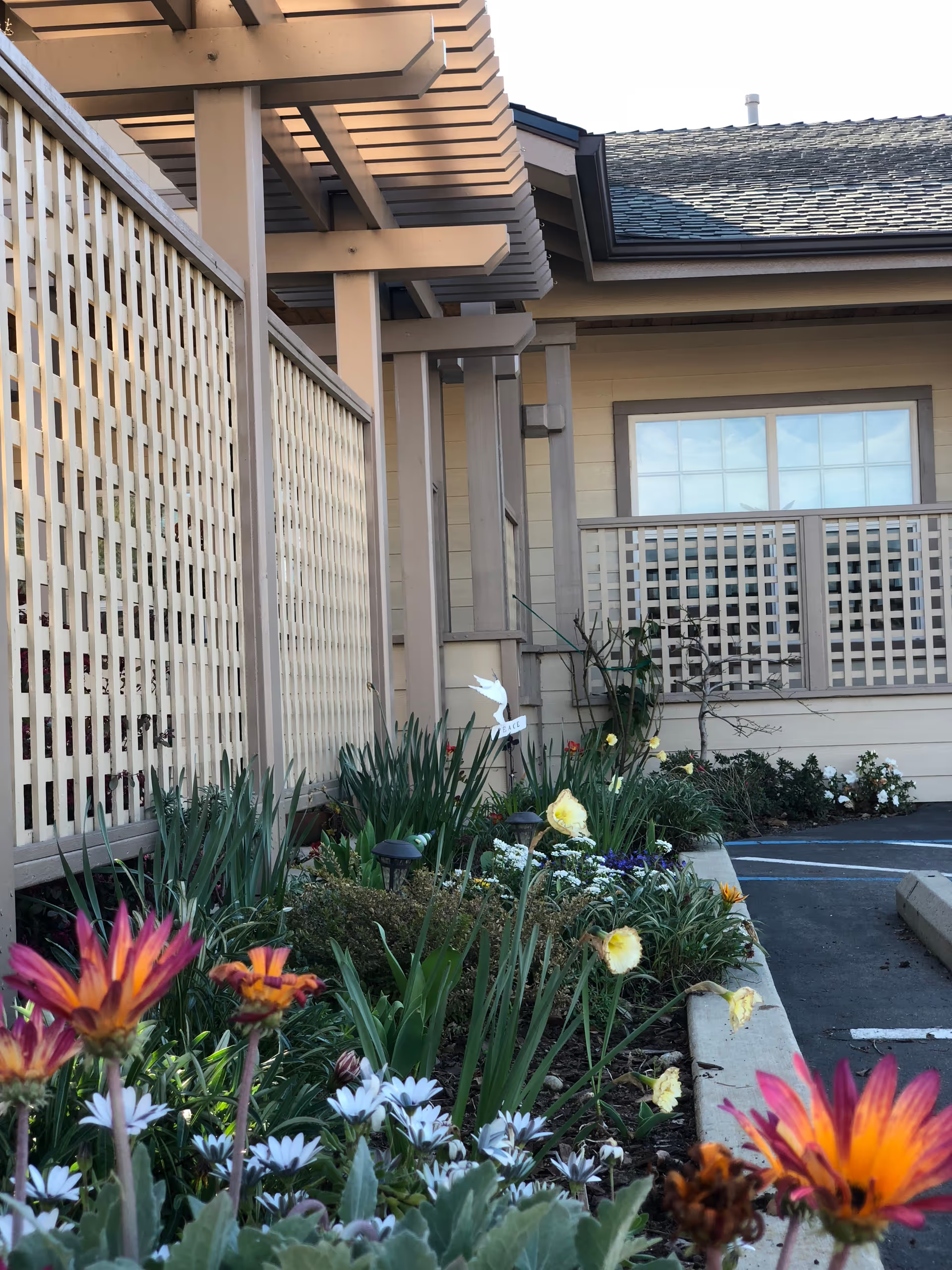
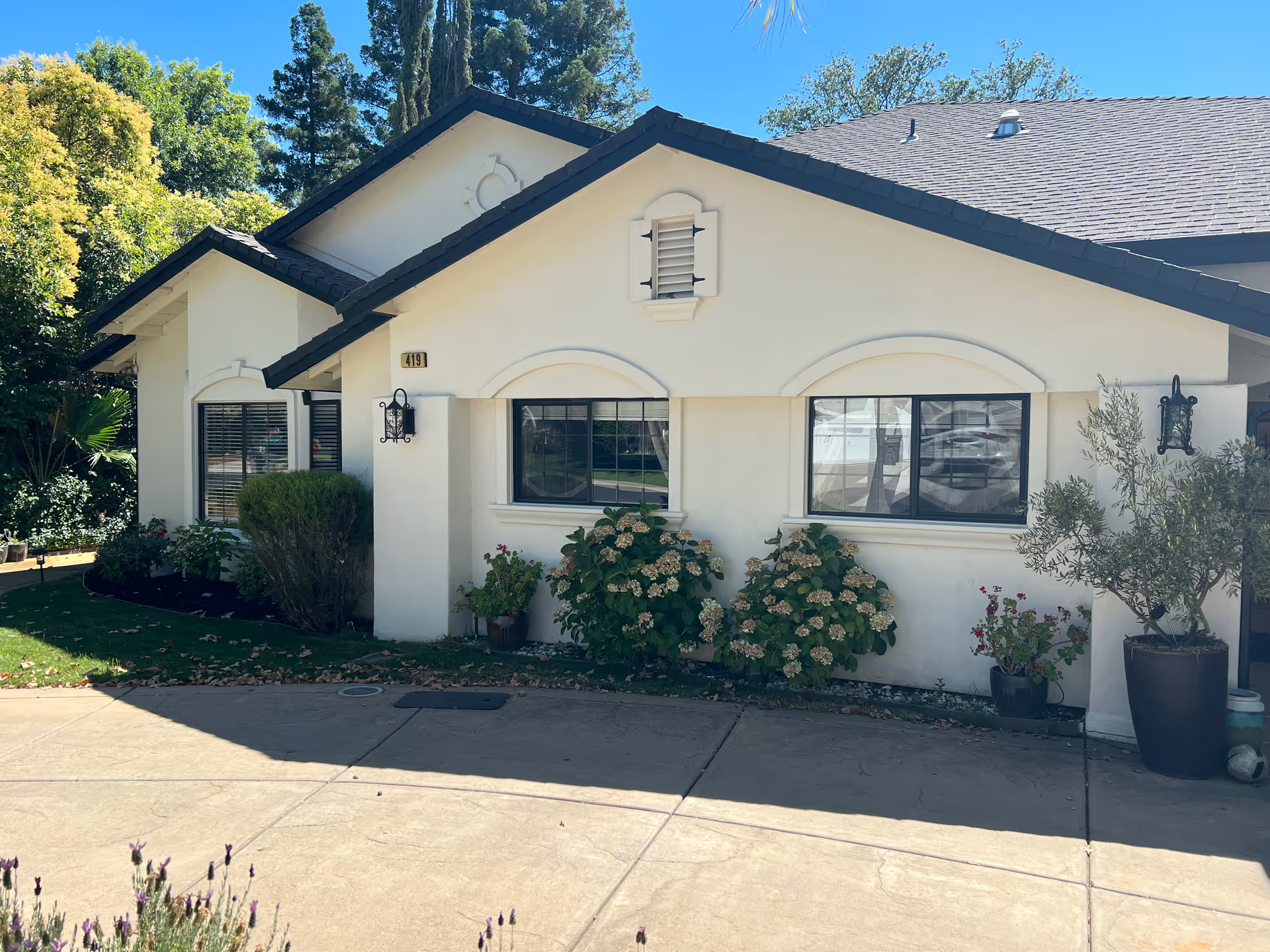
Terraces of Roseville presents as a large, well‑appointed senior living community with an emphasis on social programming, dining, and accessible outdoor space. Common areas are frequently described as bright and hotel‑like, with multiple gardens, courtyards, a tea garden, and pet‑oriented spaces that support an active, pet‑friendly lifestyle. Many reviewers highlight the facility’s scale as a benefit: a broad array of amenities (library, media/puzzle rooms, exercise areas, salon, on‑site clinical/pharmacy support) and frequent outings and special events create a lively social environment.
Staff and direct care are among the community’s most consistently praised features. Families commonly describe caregivers, nursing staff, kitchen and front‑desk personnel as compassionate, personable, and familiar with residents by name. Several accounts describe staff going beyond standard duties for families, including accompaniment and support around end‑of‑life events. The community operates a continuum of care model—independent living on upper floors with assisted living available—allowing many residents to remain in place as needs change; reviewers report this as a key convenience.
Dining is a prominent strength for many residents: a professional chef, restaurant‑style dining rooms, cafe hours, and flexible meal options are frequently noted. At the same time, food quality and menu consistency are uneven across accounts. Some residents praise outstanding meals and open‑hour breakfast/lunch options, while others describe variable taste, limited portions, or constrained choices for special diets (including vegan or other restrictions). Several reviewers also noted that some meals require ordering ahead, and that certain services carry extra fees.
The activity calendar and social life are strong. Reviewers report a wide range of daily programming—exercise classes, music, themed events, outings to local attractions, and resident‑led activities—contributing to a sense of community and engagement. Formal programs such as an ambassador system help integrate new residents. Onsite conveniences (transportation, barber/podiatry services) add to day‑to‑day livability.
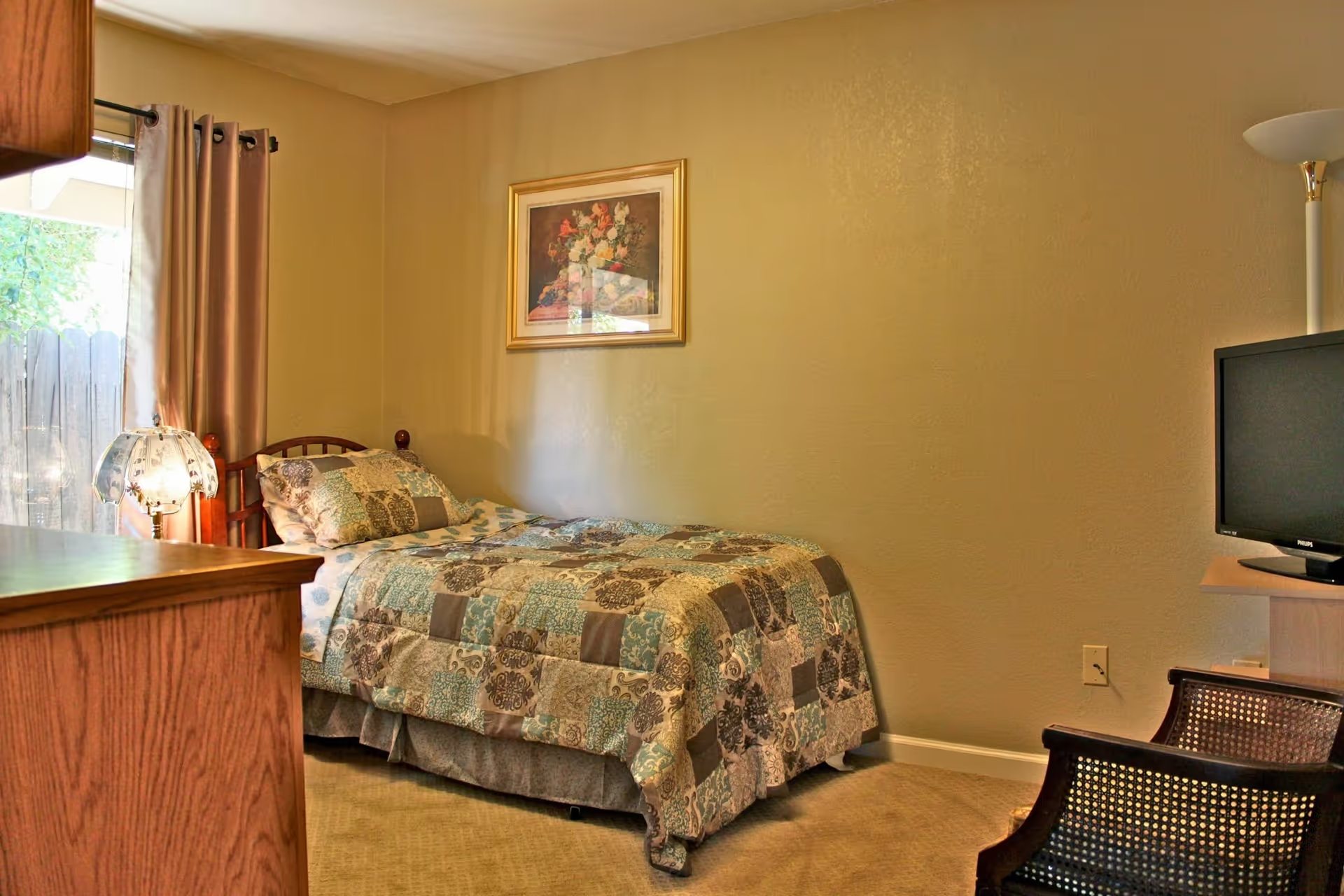
Operationally, the facility shows variability. Apartment quality ranges from newly remodeled units with modern finishes to older units needing updates; layouts and storage options vary and some studio designs have limited usability. Housekeeping and laundry service reliability is inconsistent per multiple accounts, and occasional sanitation and odor concerns in individual units were mentioned. Parking and site access can be constrained for visitors, and some outdoor doors or courtyard access points were described as heavy or difficult to operate.
Several reviewers raised staff‑coverage and management issues: periods of understaffing, turnover, and shifts in management affected service speed, dining service, and housekeeping continuity. Communication lapses and billing confusion were also cited. Clinical capability limits are important to note for prospective residents: some families were informed the community will not provide certain hands‑on medical tasks (for example, administration of injections or routine blood‑glucose checks) and mechanical lift availability for transfers may be limited. There are also references to security‑control gaps and alleged theft incidents, prompting recommendations for stronger access controls.
Overall, Terraces of Roseville is described as a socially active, well‑equipped community with many families praising staff compassion, dining, and outdoor amenities. The main tradeoffs are operational variability across units and services—particularly staffing consistency, housekeeping, clinical limitations, security measures, and apartment condition. Prospective residents and families should arrange an extended visit, observe meal service, verify clinical/task capabilities (including lift availability), review the fee schedule for extra services, and ask about current staffing levels and security measures before deciding.