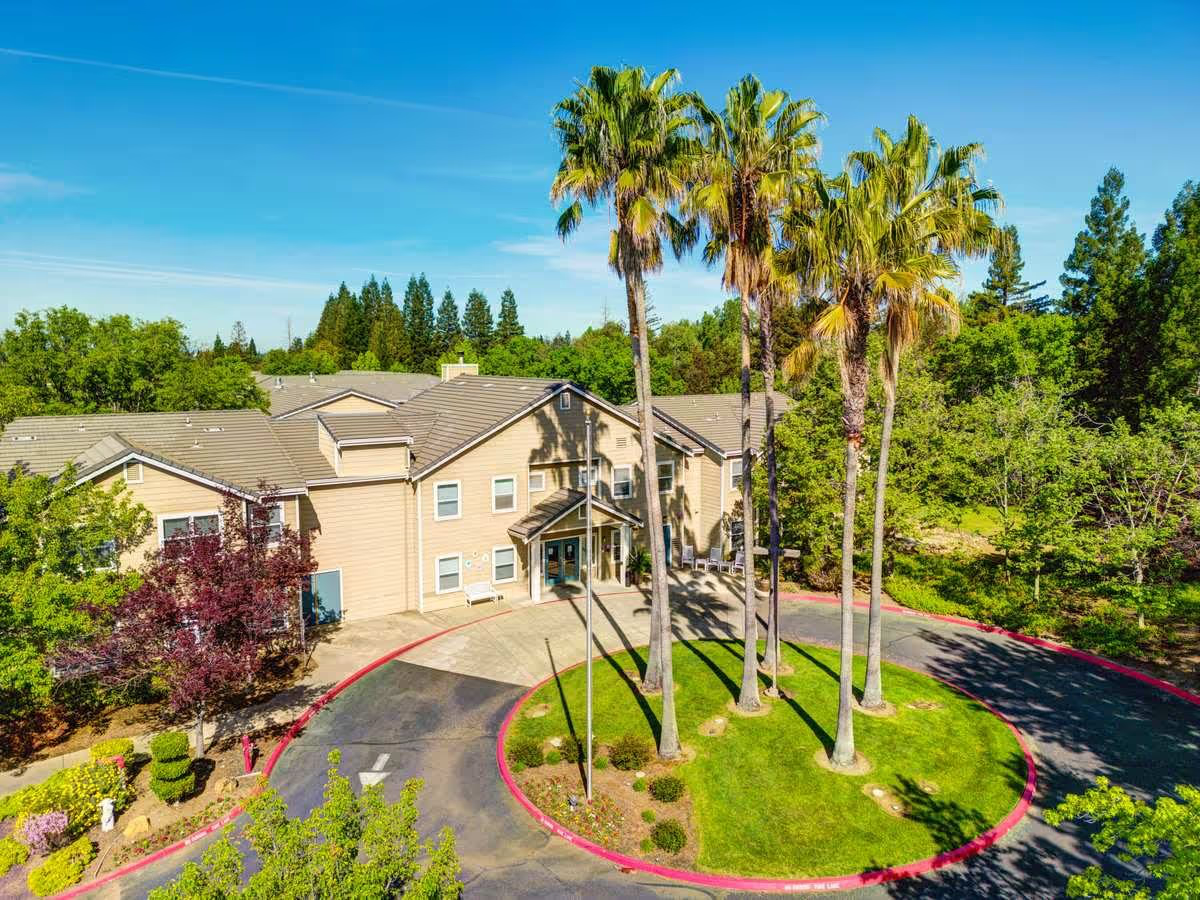
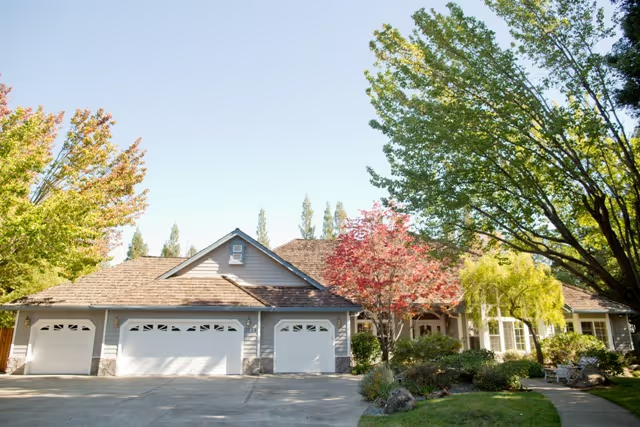
Summerfield of Roseville is repeatedly described as a small, dementia-focused memory-care community with many strengths in personalized caregiving, environmental design, and family communication. Families consistently highlight compassionate, patient staff who know residents by name, long staff tenures, and an individualized approach to memory stimulation. The facility's organization into small wings and its enclosed courtyards support a residential feel and make it easier to tailor activities and supervision to differing cognitive levels.
Clinical and daily-care experiences are generally favorable for routine needs: reviewers note attentive assistance with personal care, 24/7 nursing access, and coordinated hospice support when required. At the same time, there are recurring operational concerns around management of chronic medical conditions and medication oversight. Diabetes care practices were specifically called out as inconsistent in some accounts, and a few families described gaps in medication-management processes. These issues suggest variability in clinical follow-through rather than a uniform practice standard.
Staffing and staff conduct are central themes. Many families praise long-tenured caregivers, experienced activity leadership, and strong director involvement in resolving concerns. However, periodic understaffing is also a common theme: some accounts describe rushed caregiving, limited availability for timely assistance, and variability in aide experience. There are occasional notes about tone or communication style during family interactions, indicating that staff conduct and responsiveness can vary by shift or individual.
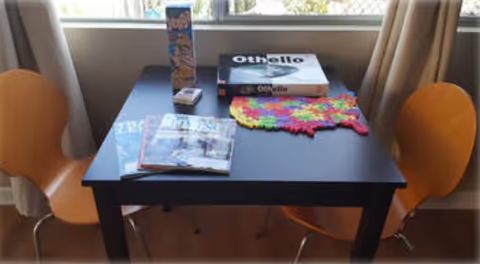
Dining and activities are strengths. Meals are described as appetizing with menu choices and frequent event dining; activity programming is robust and diverse, including music (piano), Montessori-style engagement, gardening, pet/therapy visits, and holiday events. The facility provides regular updates to families via photos and social media, which many families find reassuring. These engagement opportunities are tied to reports of improved mood and socialization for many residents.
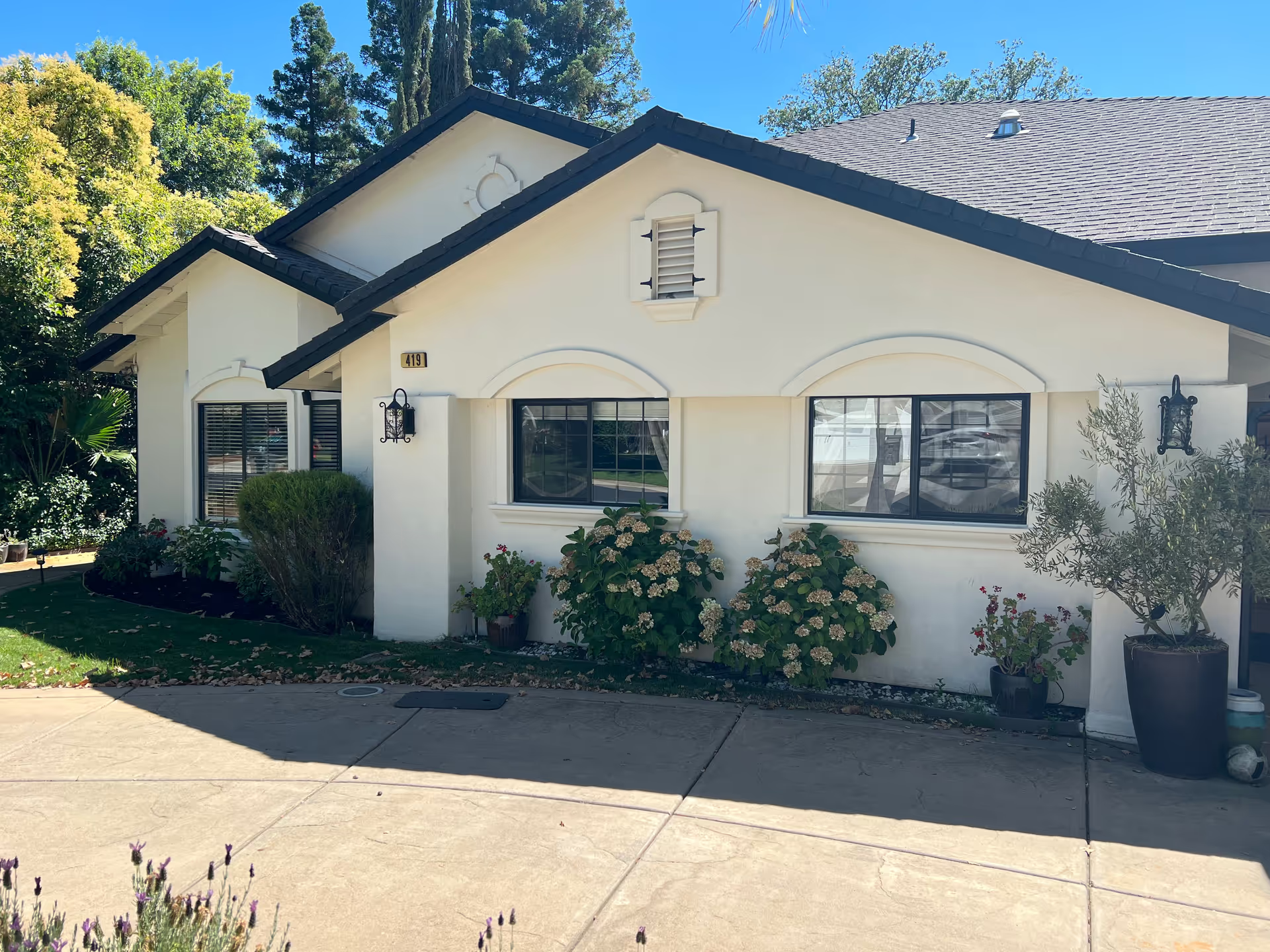
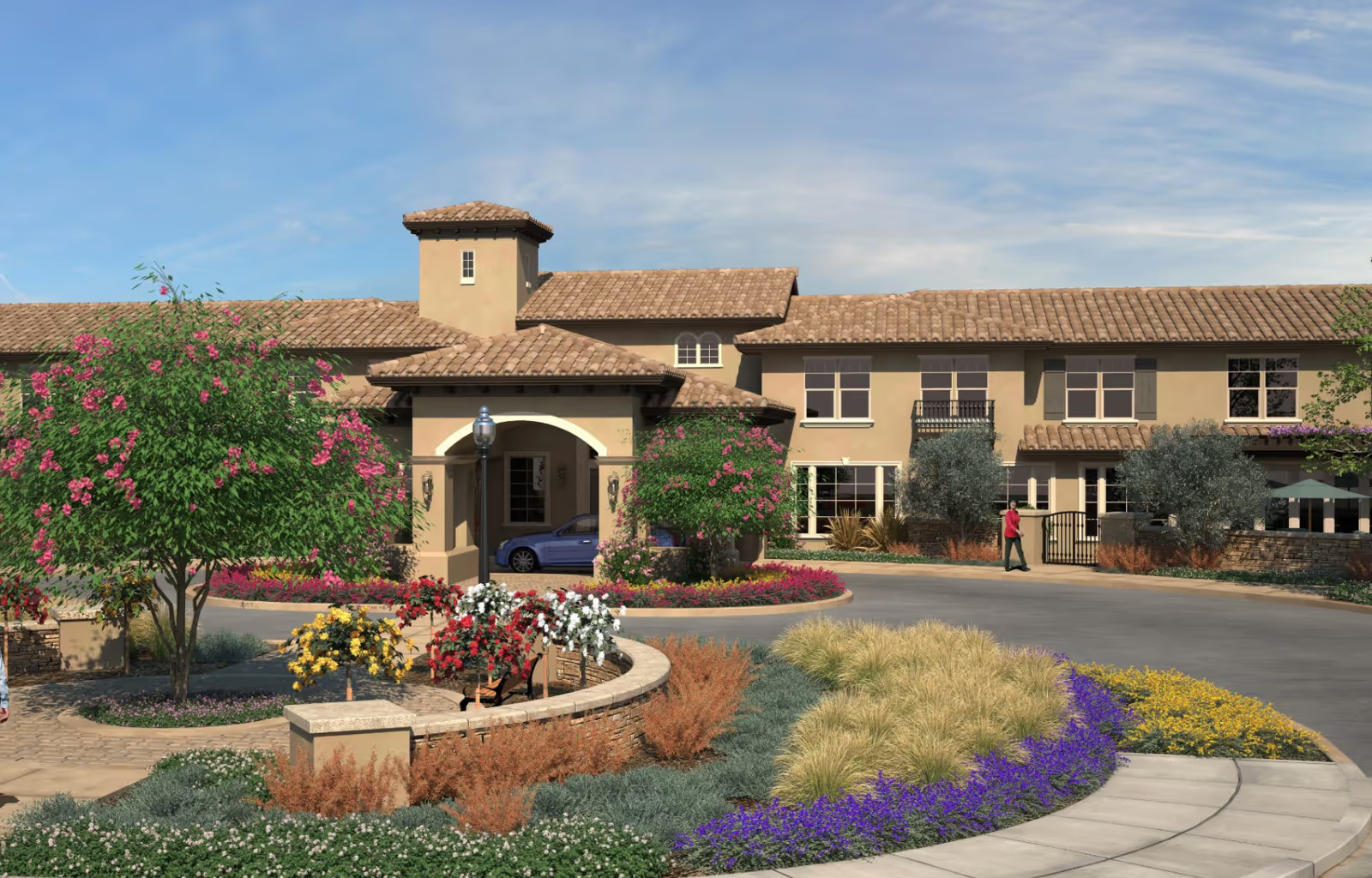
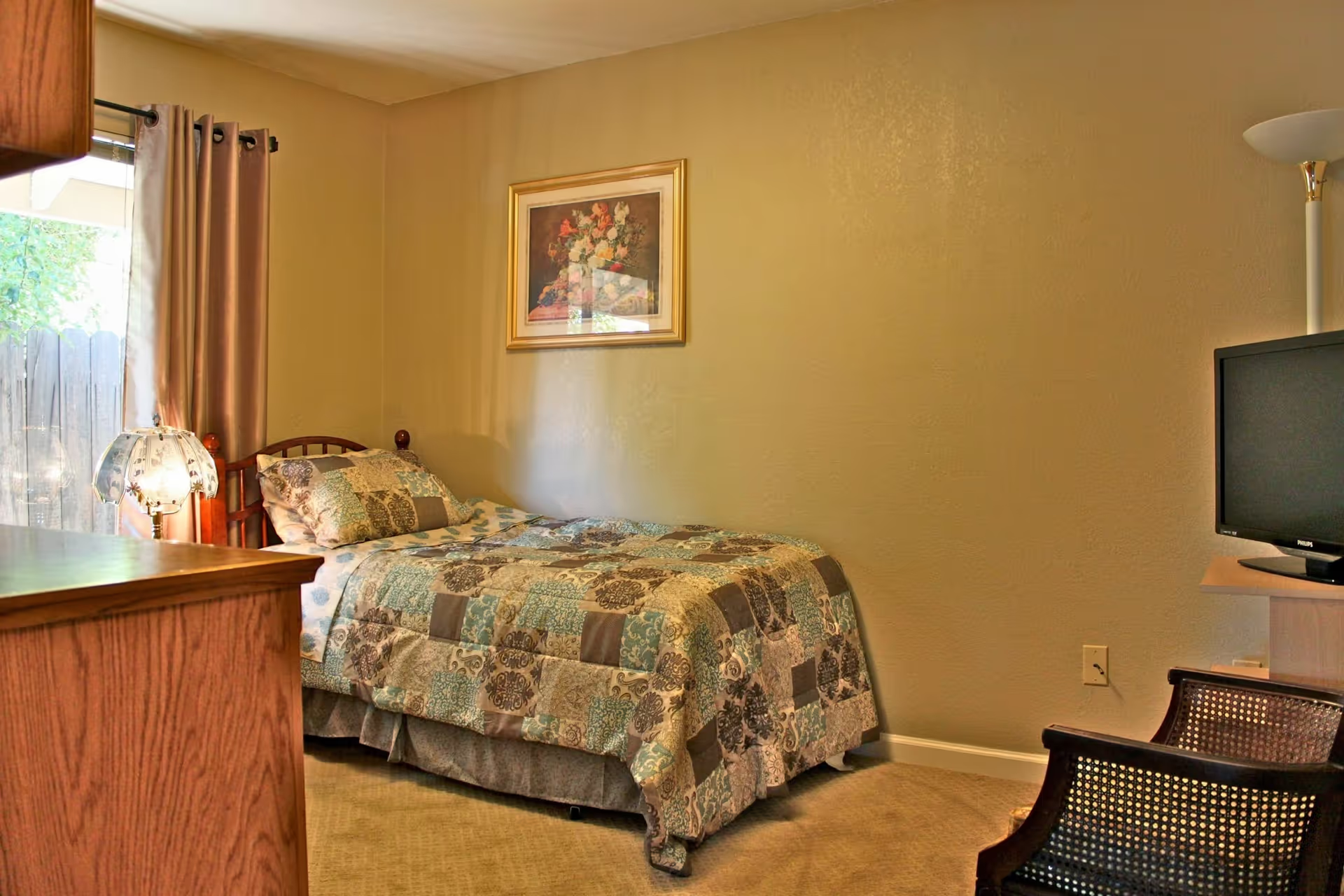
Facilities and safety features reflect a mixed picture. Positive attributes include bright, well-decorated common areas, private rooms, enclosed outdoor space, and design choices intended to reduce fall risk (centralized, staff-assisted showers). Security measures supporting differentiated wings for cognitive levels are cited as beneficial. Conversely, some reviewers noted odor concerns in certain common areas, an older or worn appearance in parts of the building, and tradeoffs between open access and room privacy that can allow other residents to enter rooms if wandering is not fully managed.
Management and cost issues appear in several comments. Families often praise proactive communication during COVID, smooth move-ins, and director-level engagement. Still, others raised concerns about admissions transparency and perceived inconsistencies between initial sales discussions and ongoing costs. Several reviews reference fee increases and out-of-pocket cost pressures, as well as occasional supply-management lapses for resident essentials. Taken together, these points suggest generally strong person-centered care with operational areas that merit monitoring: clinical consistency for complex medical needs, staffing levels and training, facility maintenance in older sections, and clear, consistent admissions and billing practices.
Overall, Summerfield of Roseville presents as a caring, dementia-specialized community with notable strengths in interpersonal caregiving, activity engagement, and family communication. Prospective families should weigh those strengths against reported operational tradeoffs — particularly staffing variability, chronic-condition management practices, bathing-location preferences, and ongoing costs — and discuss these topics directly with management during tours and care-plan planning.