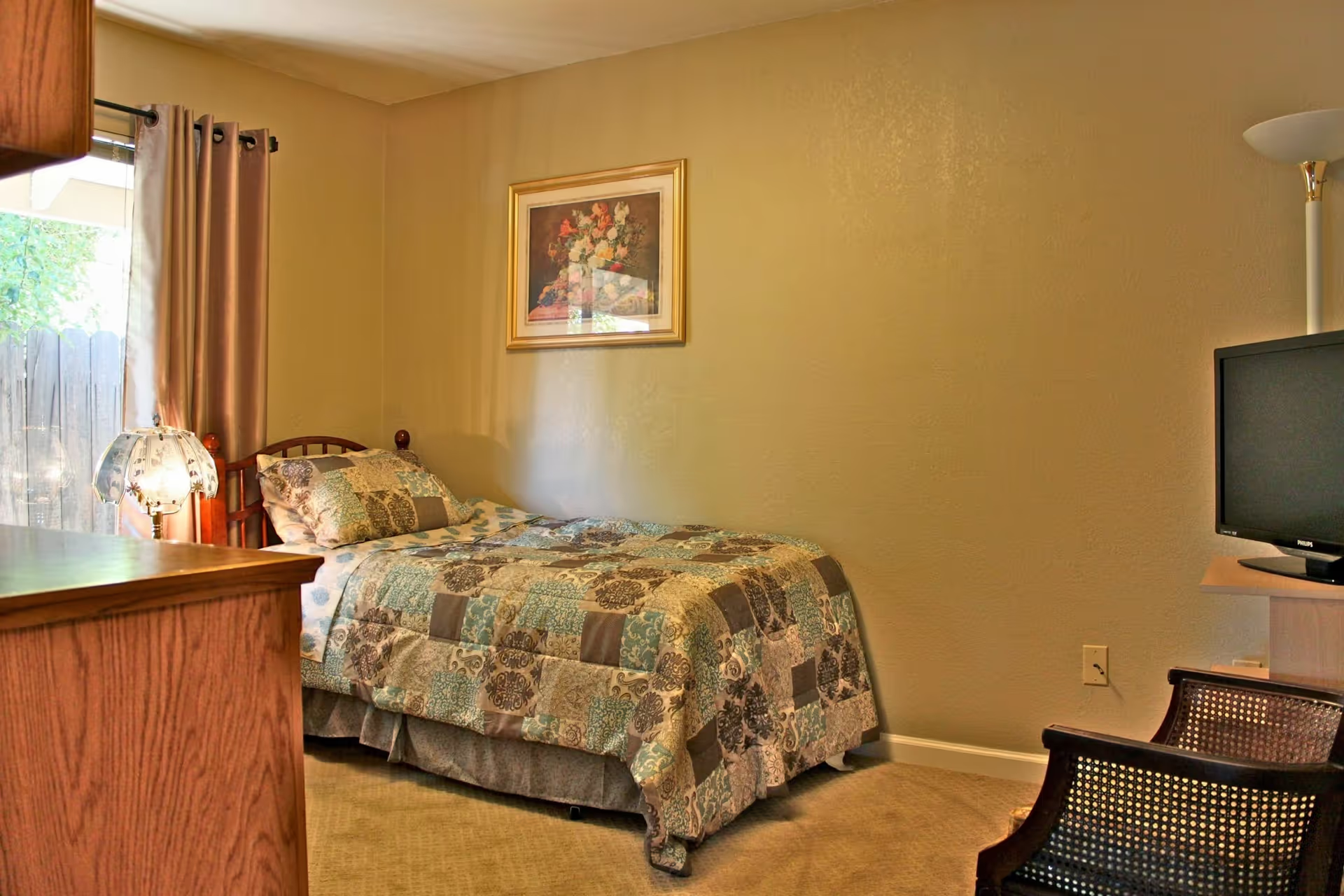
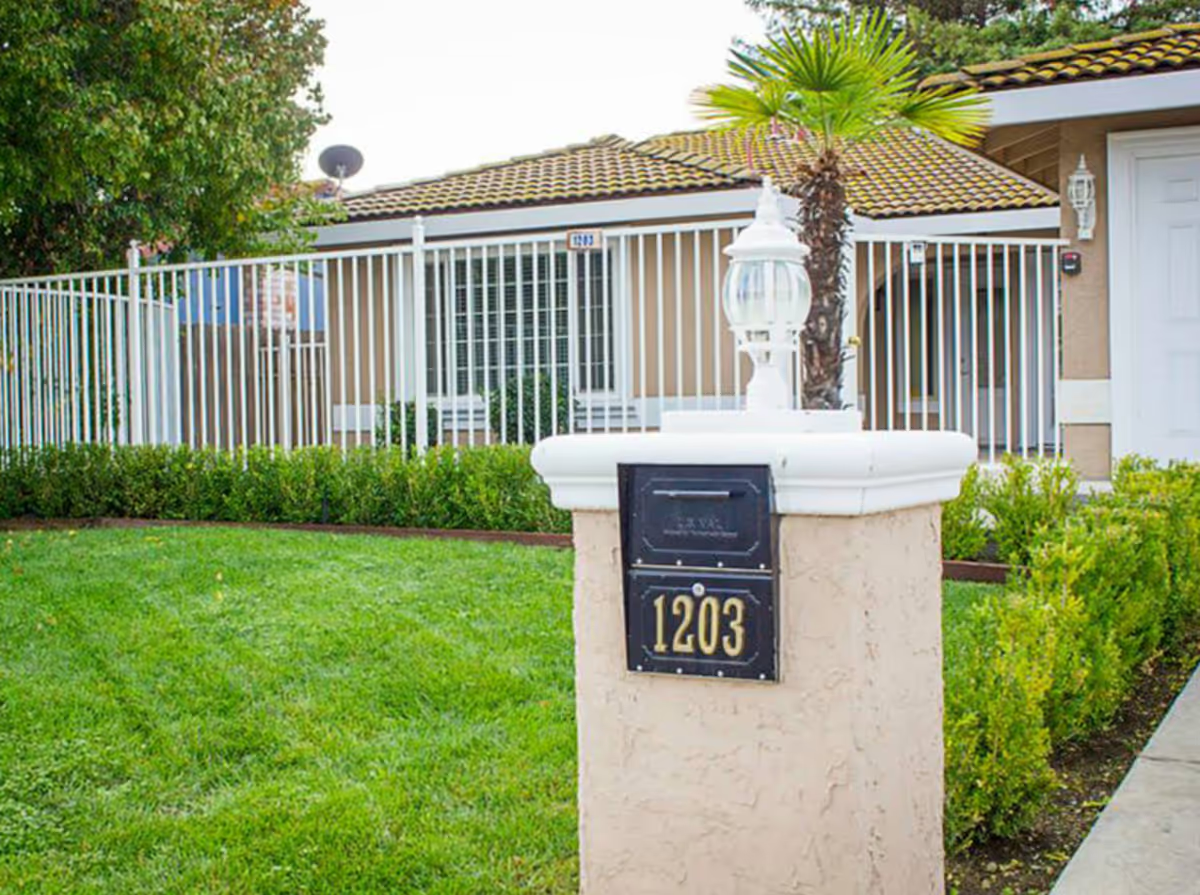
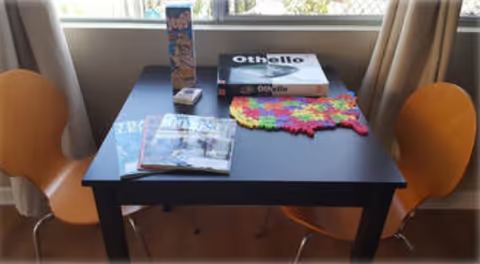
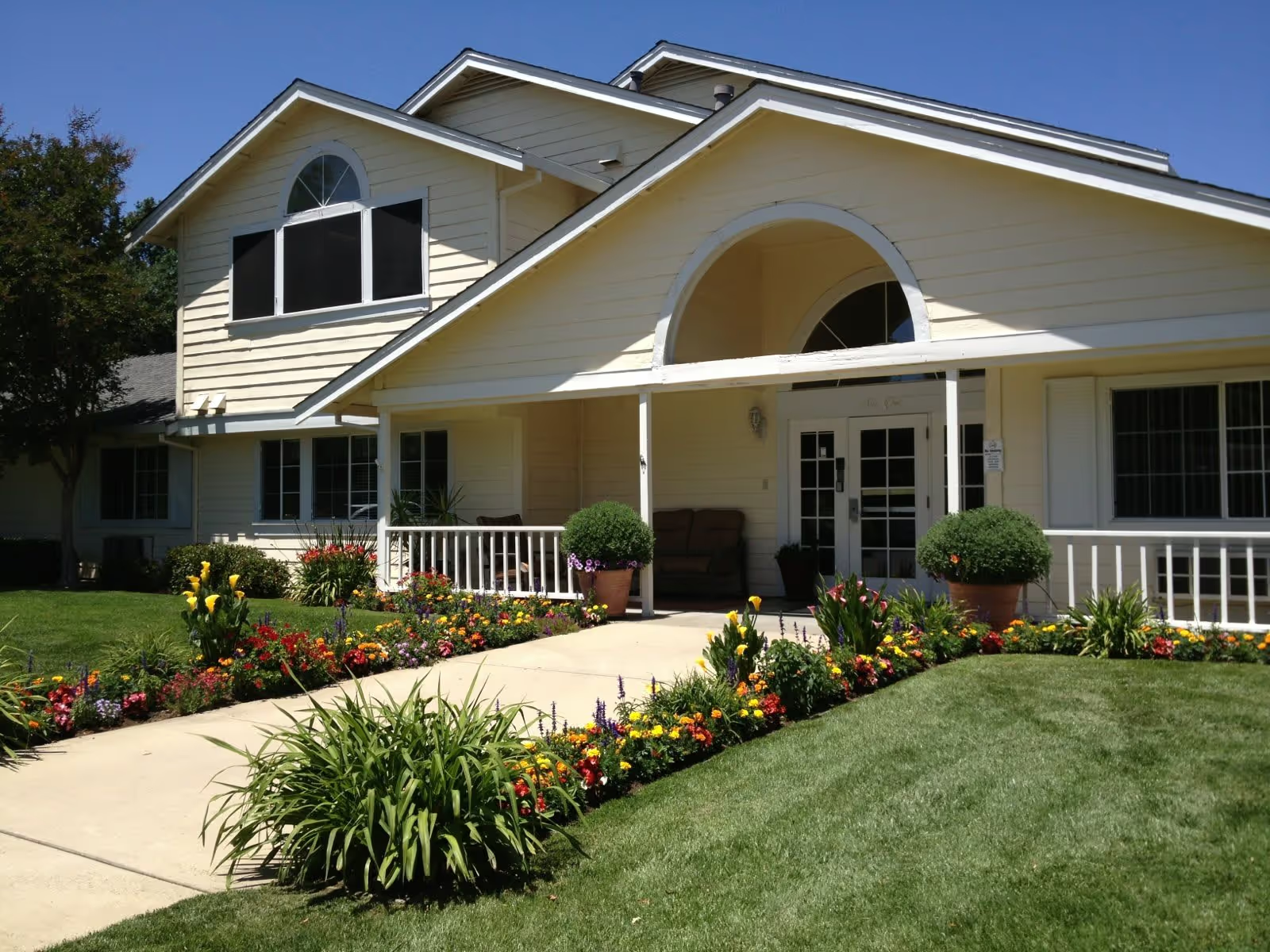
The reviews portray Citrus Pines Senior Living as a small, family-style residential facility that emphasizes personalized, home-like care. Reviewers consistently highlight a clean, bright environment and an inviting dining area; meals are described as family-style and well prepared, and nutrition is credited with measurable health improvements for at least one resident. The facility’s six-bed size and hands-on approach appear to facilitate one-on-one attention, routine-based care, and close staff–resident relationships.
Care quality is characterized as attentive and compassionate. Families describe staff who advocate for residents, maintain routines, and provide round-the-clock attention when needed. The facility emphasizes medication management and the owners have experience with larger communities, which reviewers say contributes to professional oversight. Because owners are on-site and available 24/7, families report frequent communication and a strong sense of support.
Staff are described as welcoming, professional, and invested in residents’ wellbeing; reviewers used terms like compassionate, dedicated, and family-like. The small-team model appears to foster close bonds and individualized attention, and staff involvement in daily life — meals, socializing, and monitoring — is a consistent theme. Reviewers credit staff with promoting socialization and entertainment appropriate to a smaller setting.
Facilities and amenities are noted as clean, well organized, and thoughtfully designed to feel like a home rather than an institutional setting. The community is described as bright and inviting, with communal dining that supports social engagement. Management is family-owned (mother-and-son mentioned in reviews), hands-on, and positioned as accessible and experienced; reviewers praise owners’ responsiveness and clinical emphasis.
Notable operational patterns to consider: the small size that enables personalized care also limits breadth and redundancy of services. Review details suggest limited on-site clinical and rehabilitative offerings compared with larger facilities, and the staffing model appears tightly scaled to resident census. One review described staff maintaining overnight supervision by sleeping in common areas, which indicates an informal overnight-monitoring practice families should clarify. The family-like environment and close owner involvement are strengths for many families, but they can also blur formal role boundaries and create reliance on a small team.
Overall, Citrus Pines presents as a well-maintained, warmly staffed, small residential community with strong emphasis on individualized attention, family-style dining, and owner accessibility. Prospective residents and families who value a homelike atmosphere and close staff relationships are likely to find the setting appealing; those who require a wider range of clinical or rehabilitation services, or who prefer larger institutional staffing redundancy, should discuss service scope and overnight monitoring protocols with management before deciding.