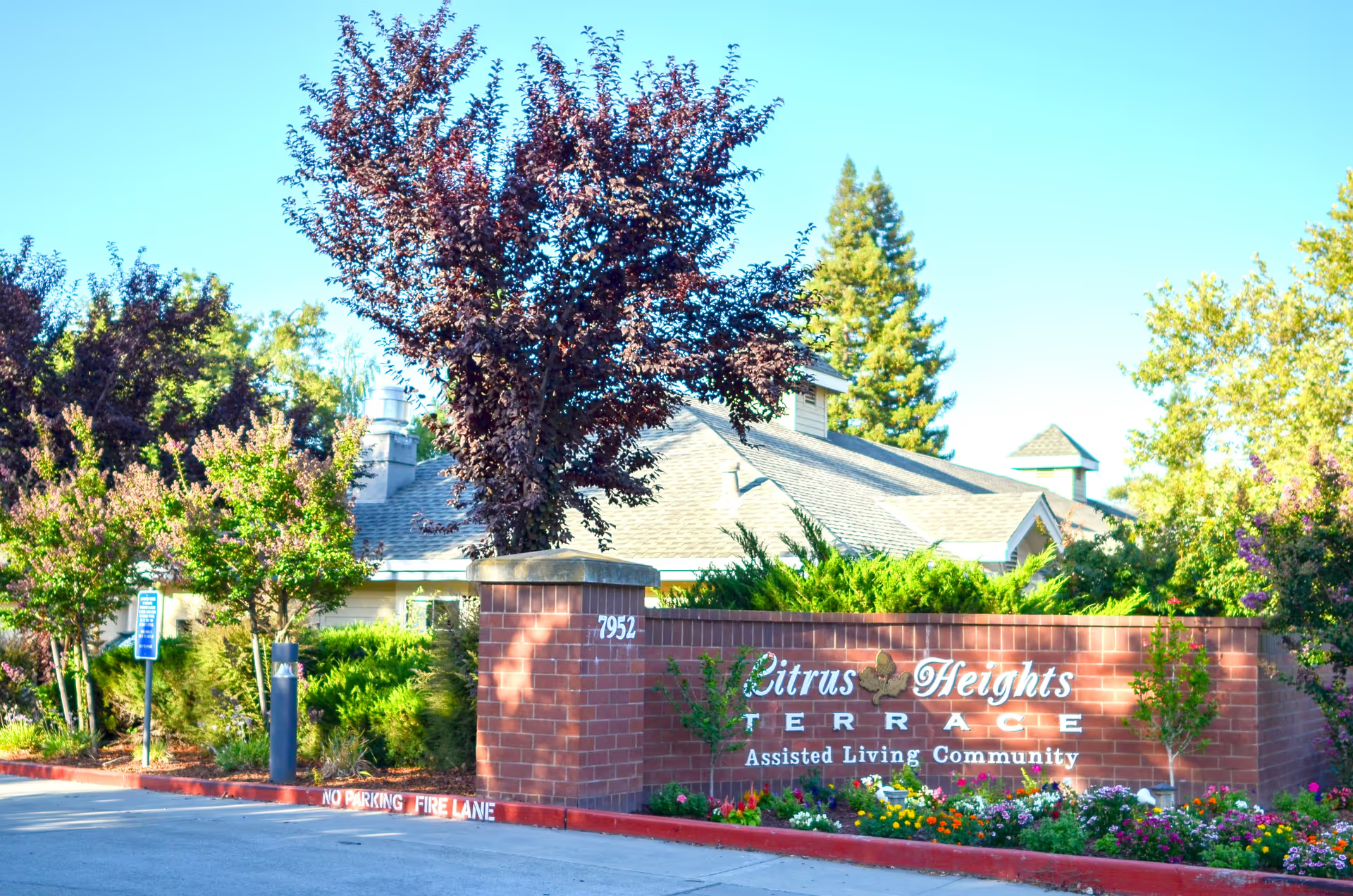
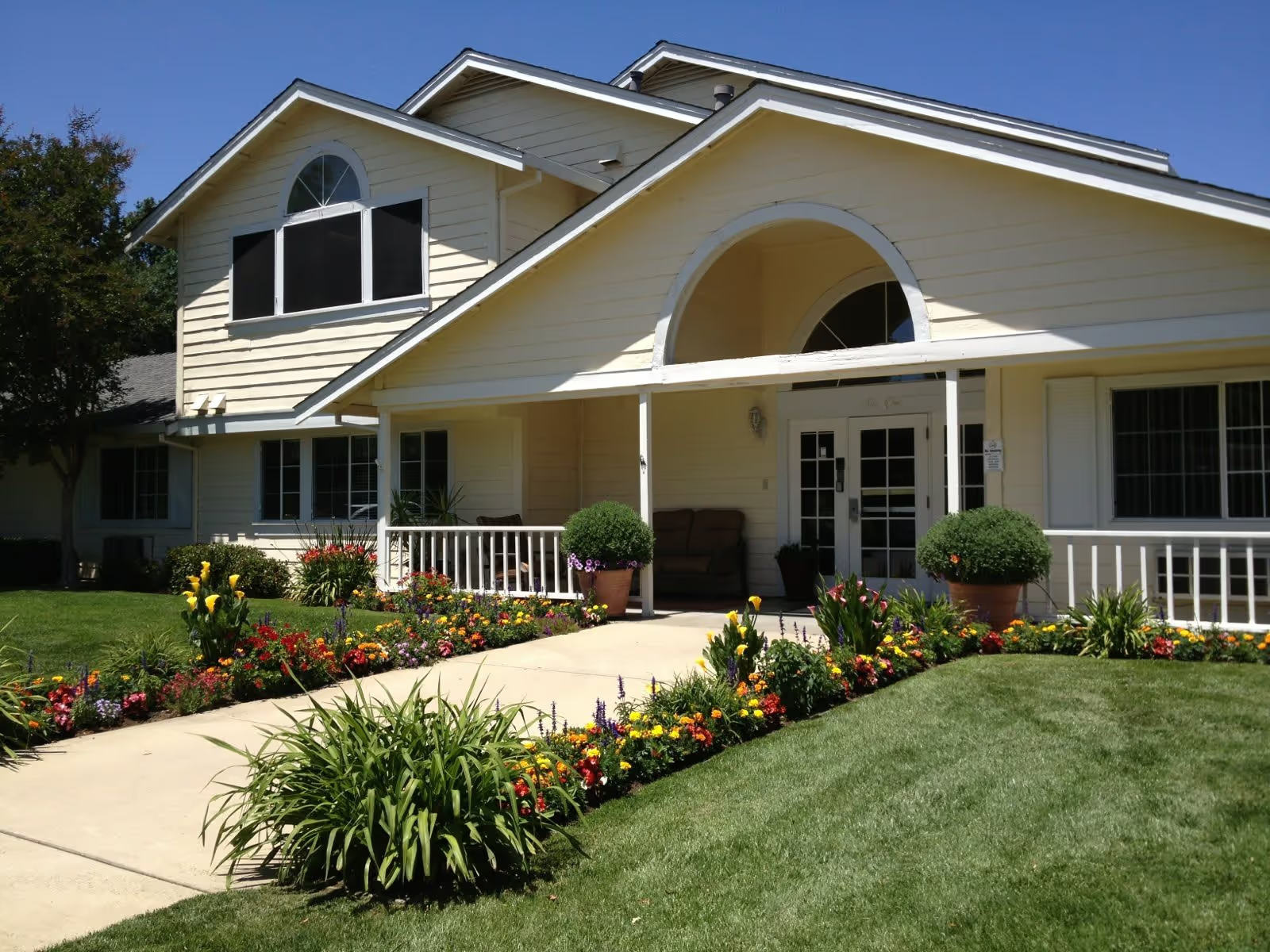
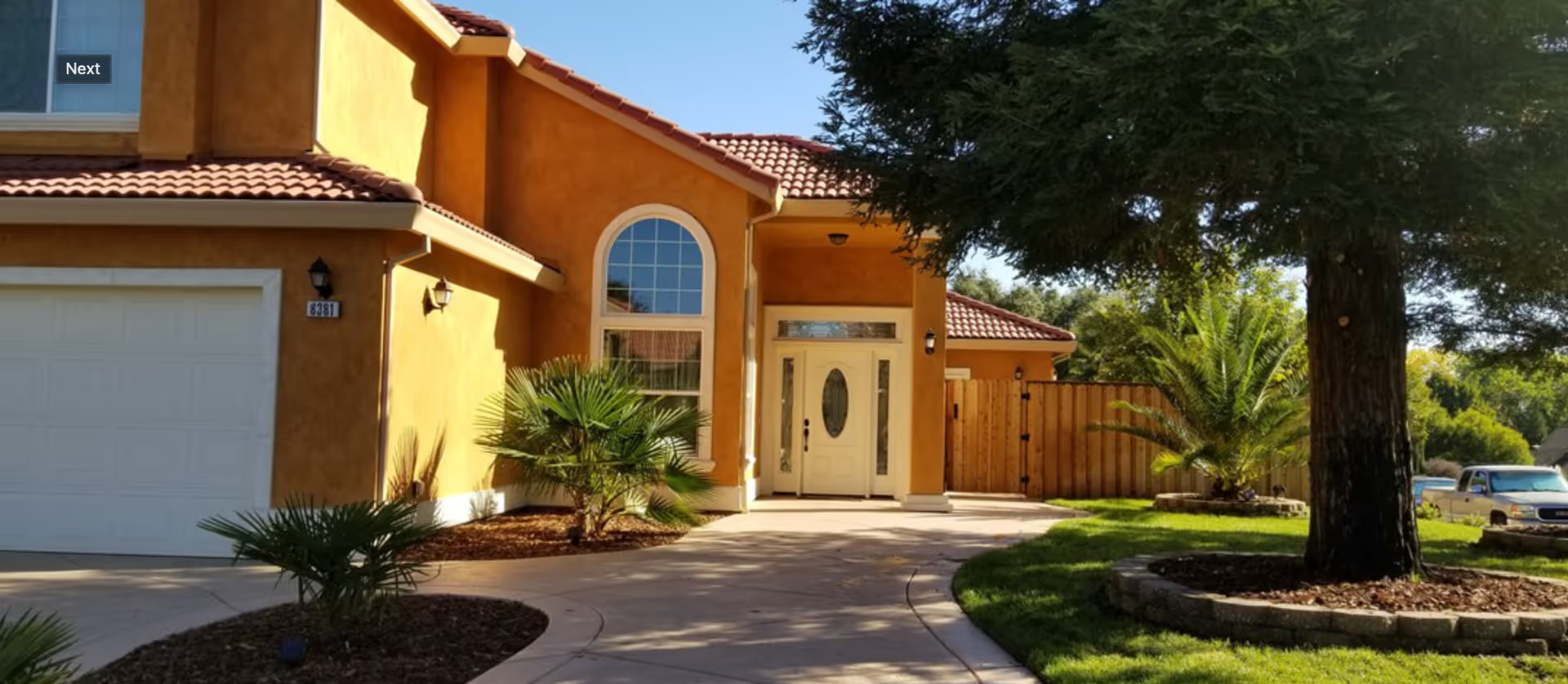
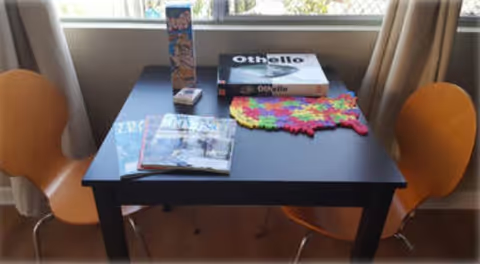
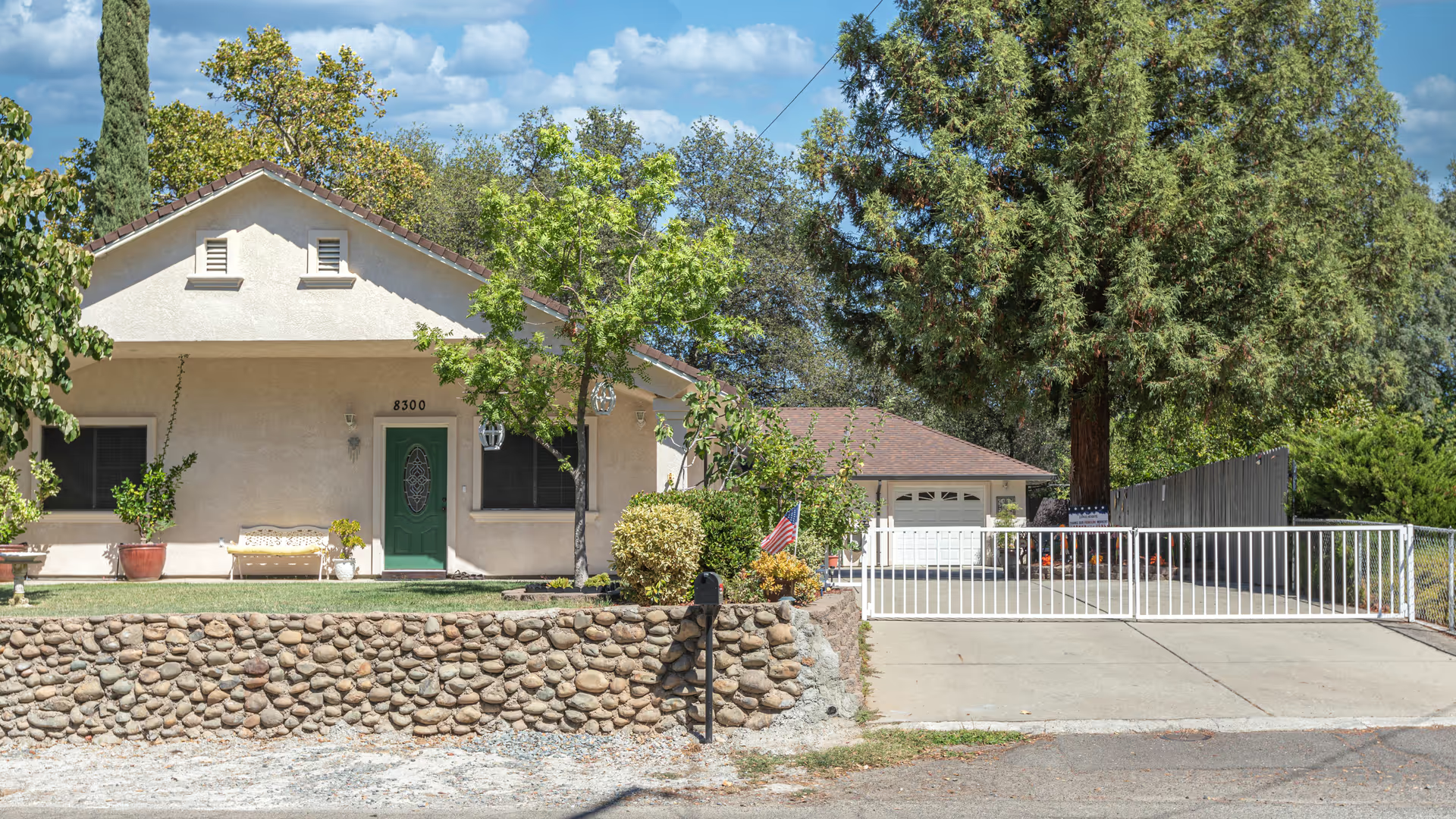
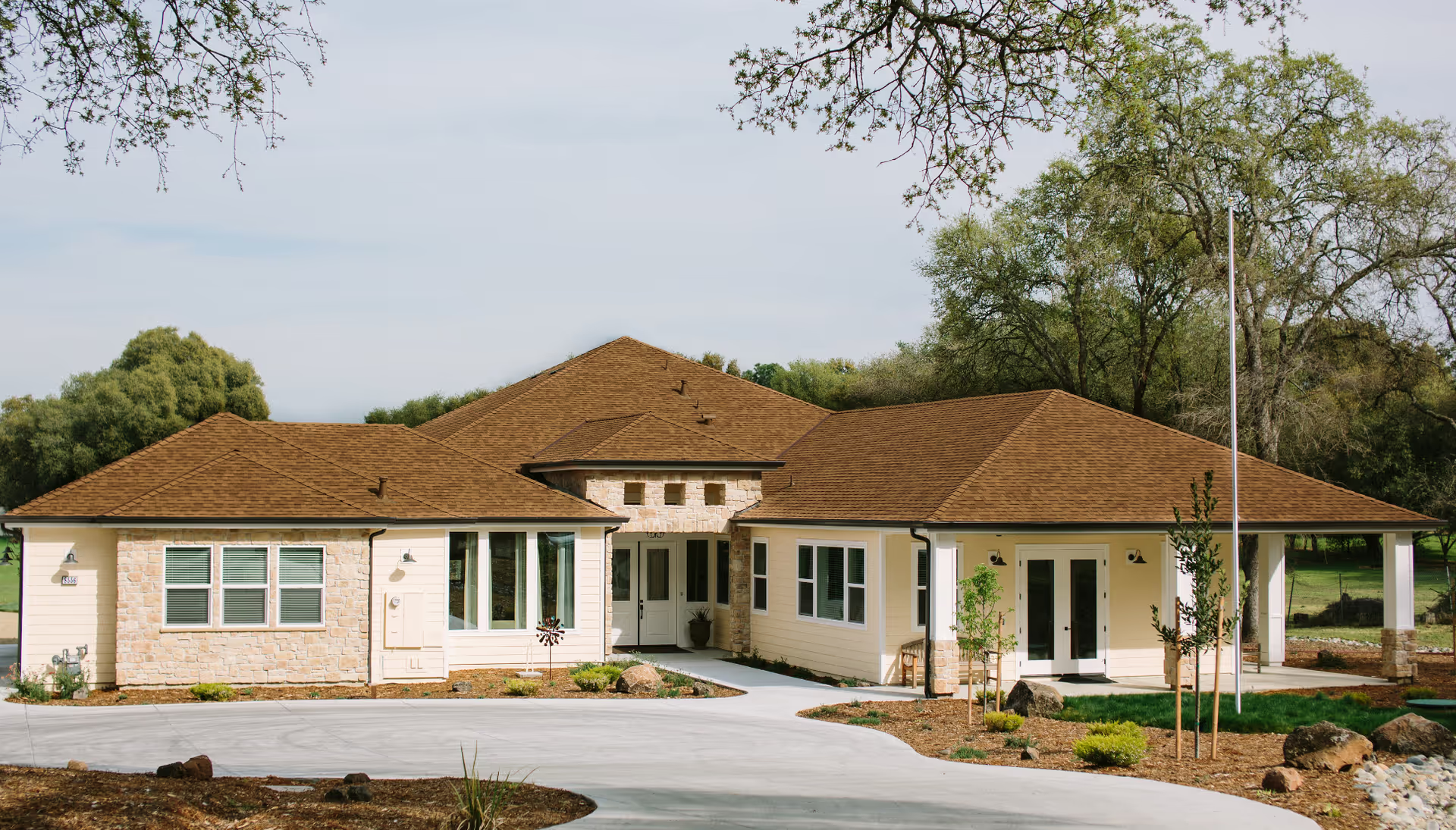
Overall impression: Reviews convey a largely positive, home-like environment where owner involvement and staff warmth are emphasized. Families and visitors frequently describe the setting as welcoming and family-oriented; reviewers highlight caring interactions and gratitude toward the owners and caregiving team. The physical environment is described as well-maintained, with private rooms that can be personalized and a pleasant dining atmosphere.
Care quality and staff: The facility is portrayed as delivering compassionate, person-focused care. The owner’s visible involvement and staff warmth are recurring strengths, and caregivers are described as attentive and respectful in interpersonal interactions. At the same time, reviewers indicate variability in staff performance and consistency. That variability suggests families should clarify staffing levels, staff training, and continuity expectations during a tour or intake conversation.
Clinical suitability and needs level: The home appears best suited to residents with moderate assistance needs who benefit from a family-style setting. Multiple comments imply limited capacity for residents who require extensive hands-on or higher-acuity clinical support. Prospective residents with significant physical-assistance or complex medical needs should verify whether the facility’s staffing model and care plans align with those requirements.
Dining and activities: Dining is a noted positive; reviewers mention good home-style cooking and a pleasant food aroma. The environment supports personalization and small-scale social interaction, including the presence of comfort animals, which contributes to a homelike atmosphere. However, engagement can be uneven for residents who are less communicative, so families may want to ask about structured activity offerings and individualized engagement strategies.
Facilities and management: Physical spaces are described as clean and well-kept, with private rooms that allow personal items and adaptive furniture (for example, lift chairs). Owner involvement appears to contribute to a strong interpersonal culture. Management strengths include responsiveness in creating a family-oriented environment, but operational gaps—especially around communication and consistency of caregiving—are apparent in some accounts.
Notable patterns and recommended follow-ups: The most consistent positives are compassionate staff, owner engagement, private rooms, and good meals. The primary operational concerns are inconsistent staff performance, communication gaps between staff and families, and limited suitability for residents needing significant hands-on clinical care. When evaluating this facility, families should ask about staffing ratios, staff turnover and training, care plans for residents with limited verbal communication, and examples of how the facility updates families about daily care and changes in condition.