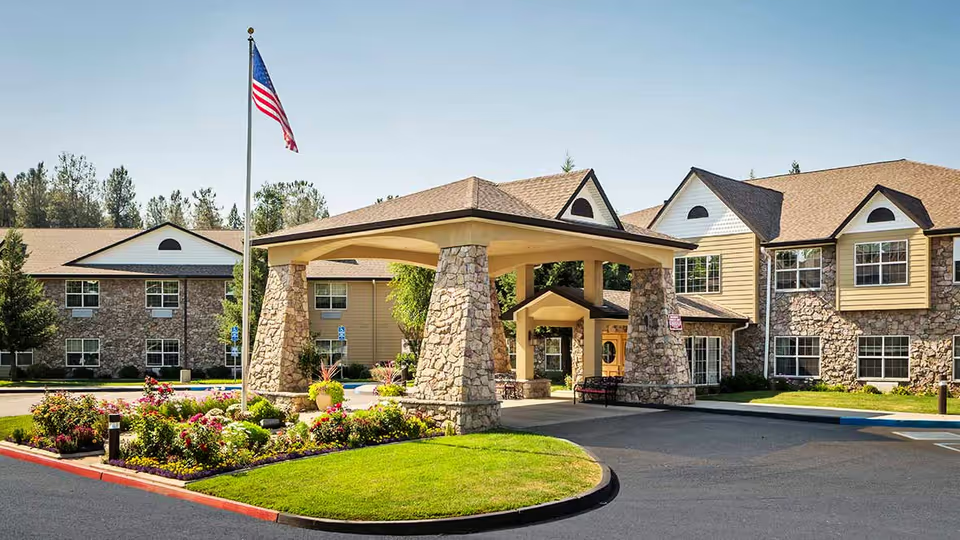
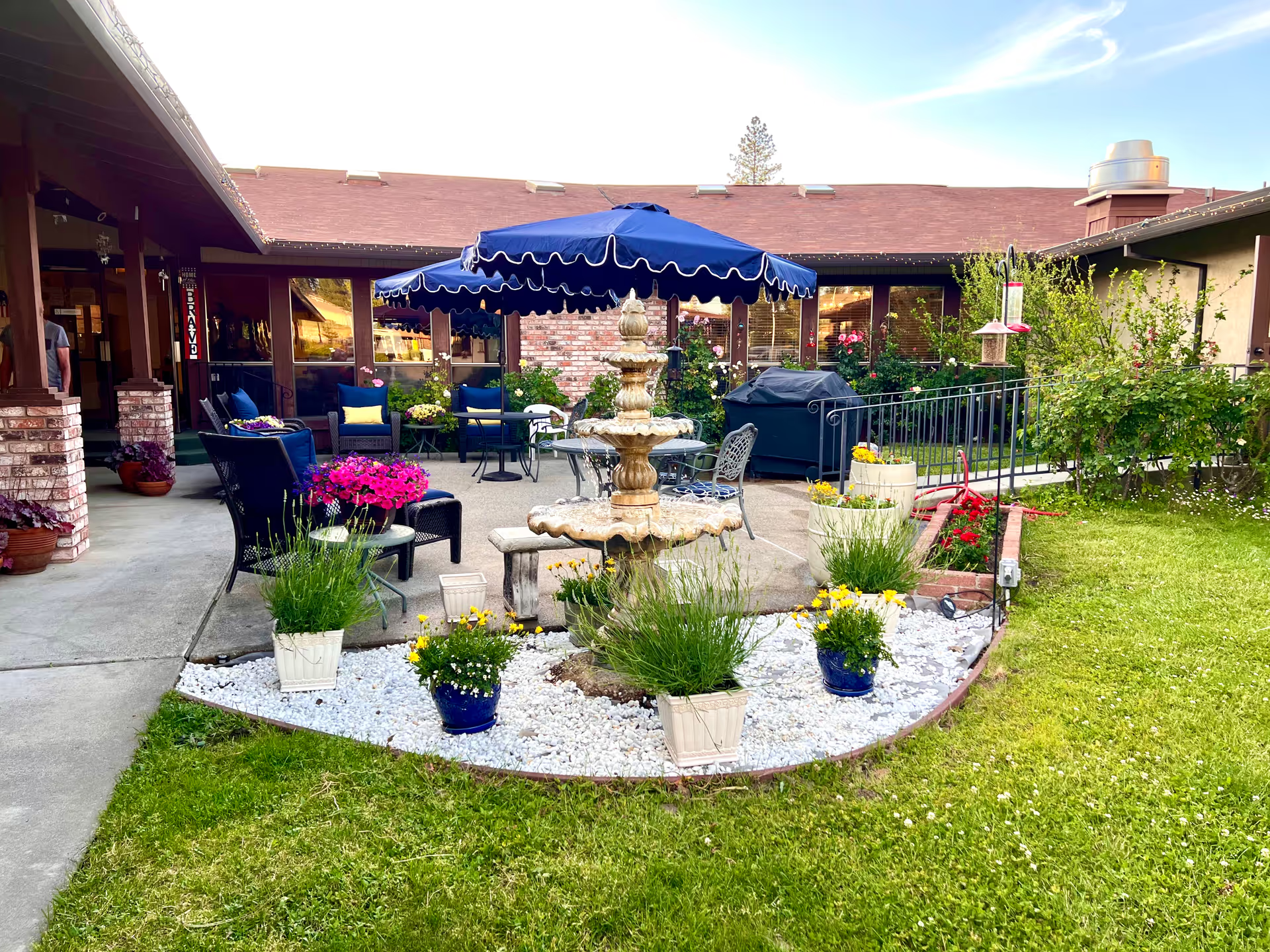
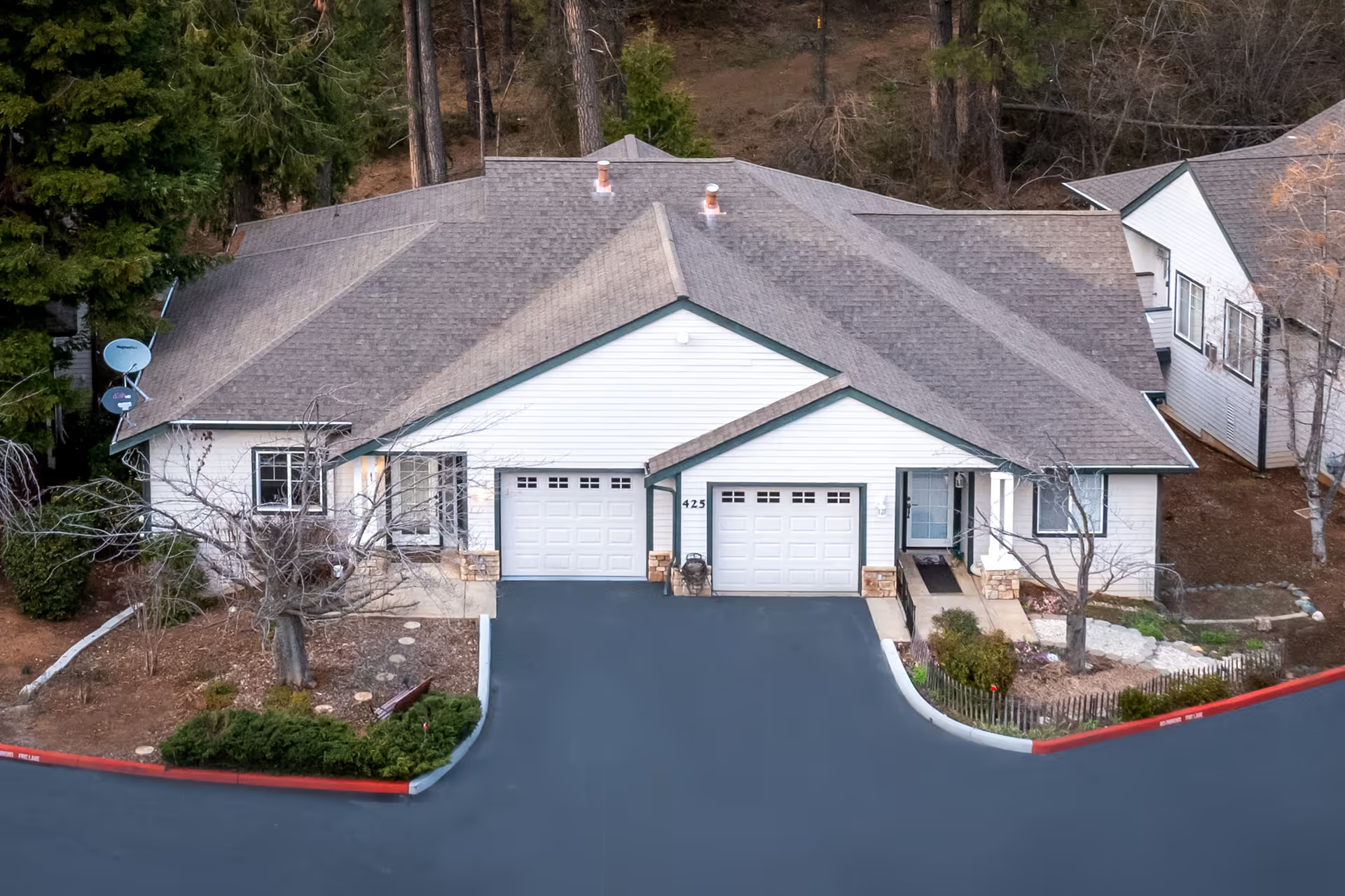
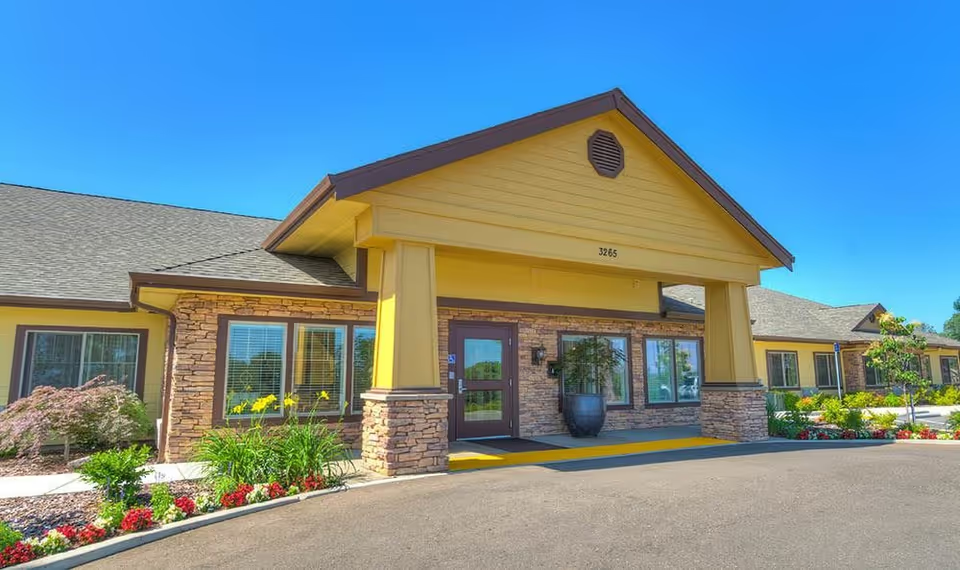
The reviews describe a facility with clear strengths and persistent operational weaknesses. Positive comments emphasize compassionate, hands-on caregivers, a supportive therapy team, and a clean, restaurant-like dining environment. Recreational programming — including crafts, exercise, puzzle tables, and courtyard spaces — is consistently noted as engaging for different ability levels. Several families praised specific staff members for attentive discharge planning, individualized attention, and overall professionalism; these elements contribute to family confidence and reports of residents feeling comfortable and well cared for.
Care quality appears mixed. Many reviewers praise CNAs and certain therapists for dignified, personal care and effective rehabilitation services; therapy continuity for cognitive diagnoses was noted positively. However, there are recurring accounts of slow or inconsistent responsiveness to call lights and toileting/assistance requests, inconsistent personal-care routines (linen and gown changes, dressing, bandage care), and delays in medication administration or clinical follow-up. Some families described infection-related hospital transfers and other serious clinical events; these instances raise concerns about clinical-incident response and infection-management protocols. In addition, there are allegations concerning billing documentation and consent practices that warrant verification through oversight channels.
Staffing and communication are prominent themes. Many reviews describe friendly, welcoming office and front-desk personnel and point to dedicated housekeepers and kitchen staff. At the same time, reviewers repeatedly mention understaffing during shifts, variable staff demeanor, and incidents where staff conduct or communication tone was a concern. Administrative responsiveness problems — voicemail overload, phone disconnections, and unreturned calls from case managers or administrators — were also common and appear to compound family frustration when clinical or safety issues arise.
Dining, activities, and facilities receive generally favorable comments: meals are often described as well planned and adaptable to dietary needs, and public spaces (dining rooms, exercise areas, craft rooms, courtyard) are appealing and well maintained. Nevertheless, a subset of reviews describes inconsistent meal quality and isolated sanitation or odor concerns in some areas, suggesting variability in day-to-day operations. Prospective residents and families frequently praised individual staff members by name for exemplary care, which indicates that positive experiences are often tied to specific employees.
Taken together, the pattern suggests a facility with strong programmatic offerings and many committed staff, but also operational gaps that can materially affect resident experience — notably staffing levels, responsiveness, consistency of personal-care routines, medication/therapy reliability, and administrative communication. Families considering admission should observe current staffing during a visit, ask for documentation about staffing ratios and clinician availability, review incident and infection-control logs as appropriate, inquire about billing and consent procedures, and request recent references from current families to verify whether the operational issues have been addressed.