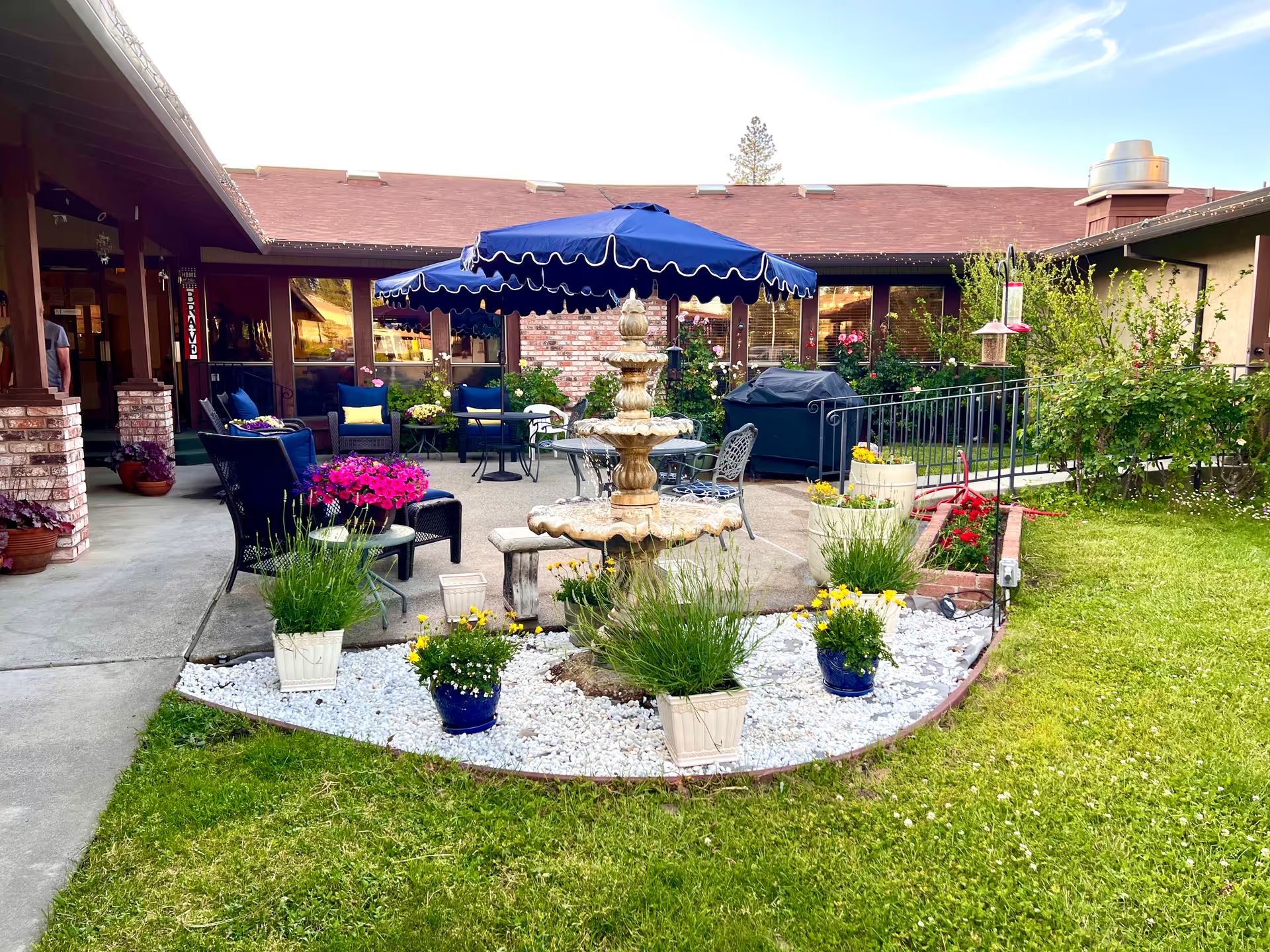
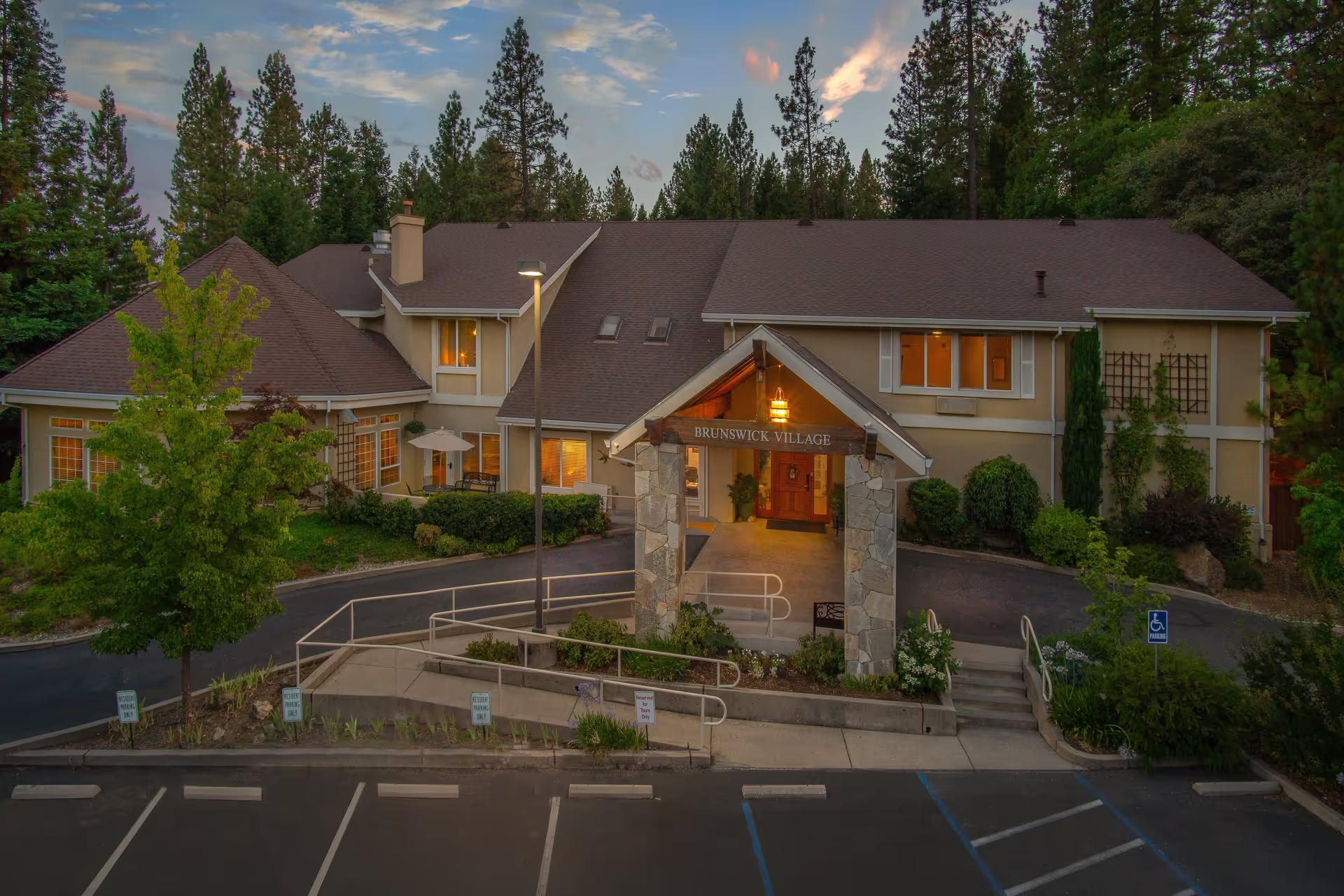
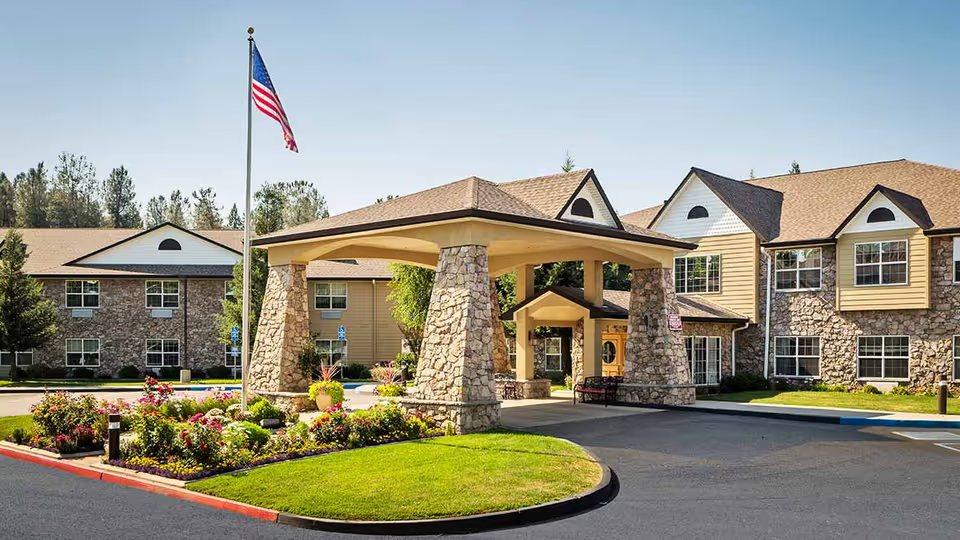
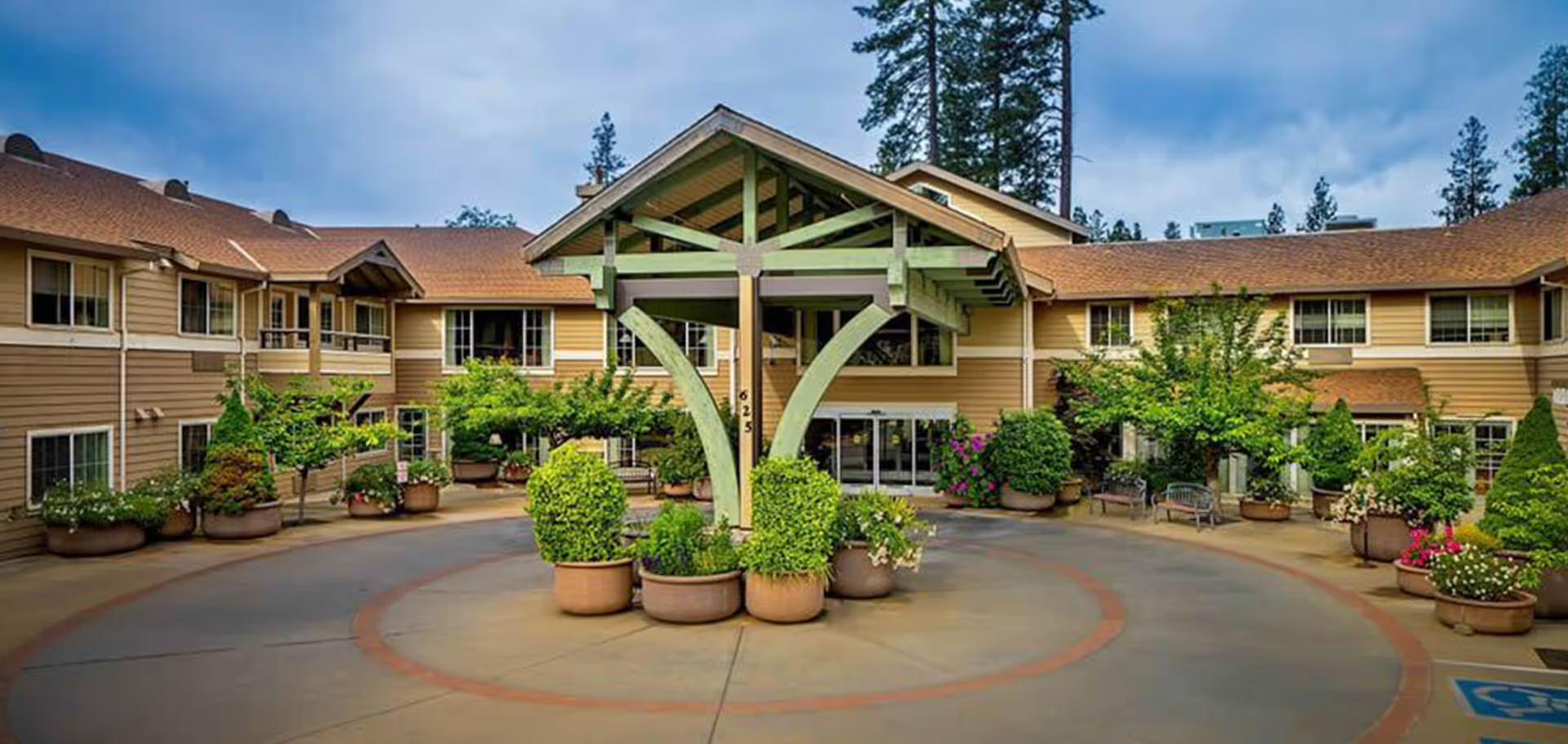
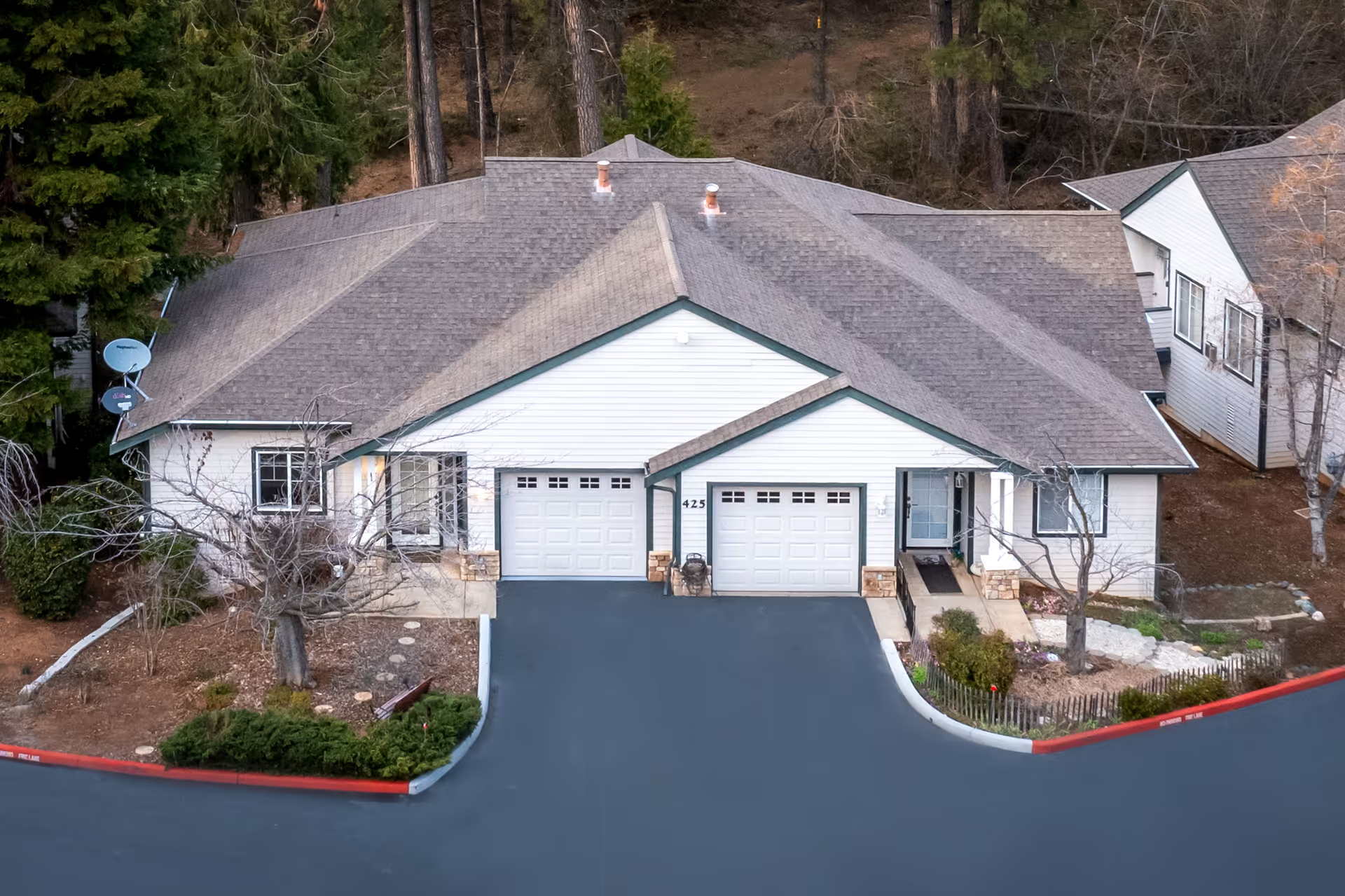
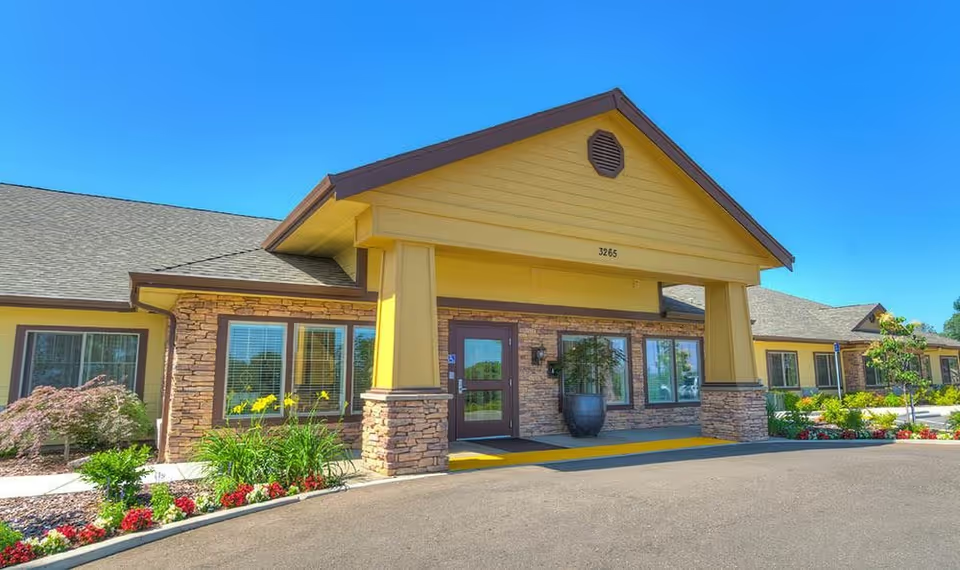
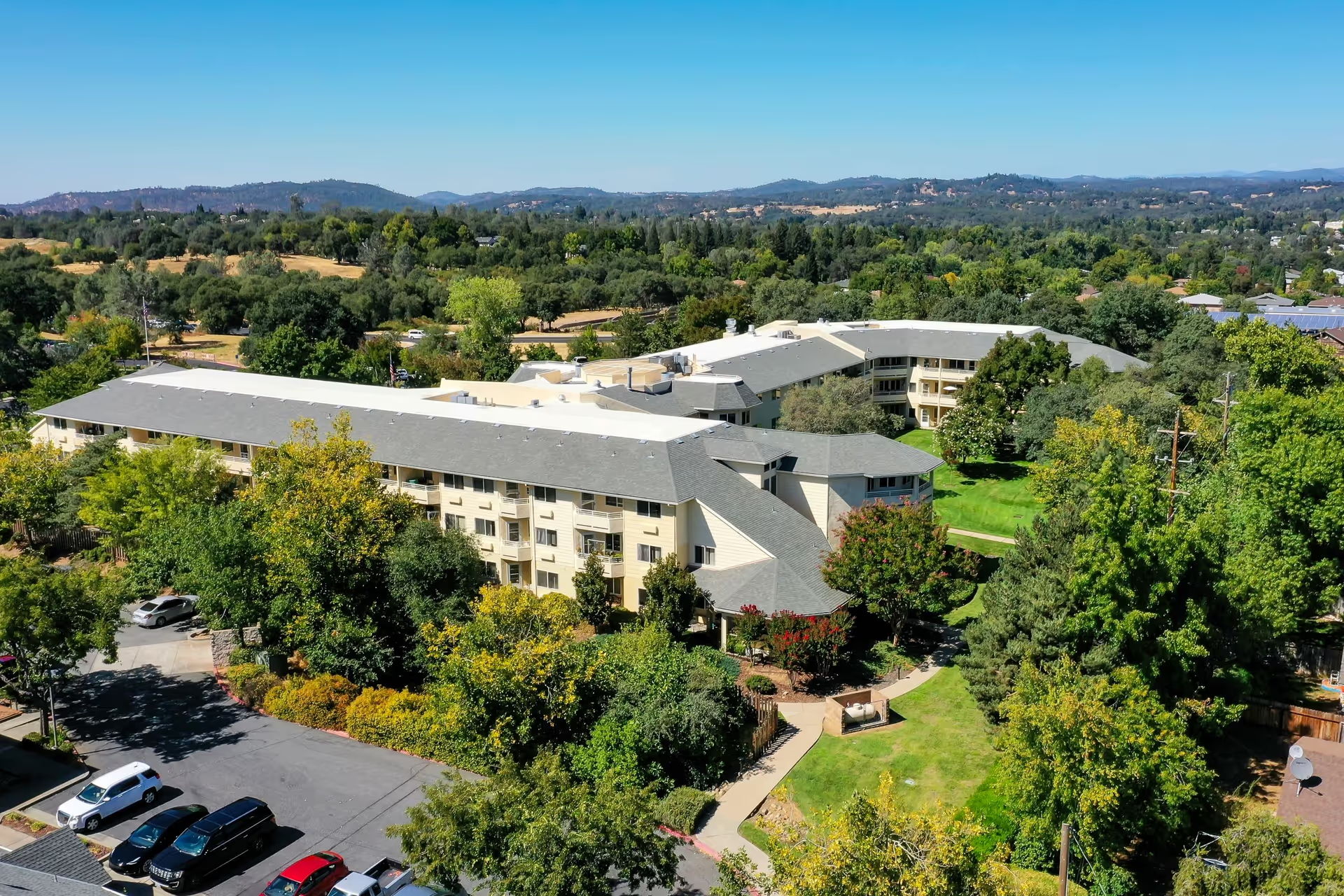
The reviews present a mixed but distinct pattern: many families describe strong clinical and rehabilitative care delivered by an engaged, long-tenured workforce, while a smaller set of accounts raise operational and conduct-related concerns. Positively, the facility is frequently characterized as clean, bright, and well organized, with a calm atmosphere and accessible outdoor space. Administrative staff are often described as forthcoming and helpful during tours and admissions. The onsite rehabilitative program and wound-care nursing receive consistent praise, and the memory-care/Alzheimer’s secure unit is noted for active programming and high demand.
Care and staff dynamics are a central theme. Numerous comments highlight compassionate, attentive caregivers, continuity of assignments, and teams that handle complex or challenging resident behaviors effectively. These strengths are paired with reports of inconsistent professional conduct from select employees, including boundary and communication issues. Reviewers also describe occasional gaps in timely clinical responsiveness (for example, delays addressing urgent care needs) and communication breakdowns between nursing shifts and families. Together these suggest strong baseline staffing and expertise, with opportunities for stronger oversight, coaching, and standardization of conduct and handoff procedures.
Dining, housekeeping, and property handling show mixed impressions. Several families commend the facility’s cleanliness, orderly common areas, and responsiveness to individualized dietary requests. At the same time, others describe inconsistent meal quality and satisfaction with food, and isolated sanitation or personal-item handling lapses during care activities. These patterns indicate generally acceptable facility maintenance with uneven reliability in specific care processes and in protocols that protect residents’ personal property.
Activity offerings are a relative strength in the memory-care unit, where families report robust programming and engagement. Outside of that unit, reviewers cite limited activities and fewer engagement opportunities for residents who are not in the secure memory program. The facility’s long waitlist for the Alzheimer’s unit reflects substantial demand but also creates access limitations for families seeking that level of care.
Management impressions are similarly mixed: administrative staff are frequently credited for clear admissions interactions and transparency, but there are also concerns around how staff misconduct and social-media-related incidents are handled. Taken together, the corpus of reviews suggests a facility with meaningful clinical and rehabilitative strengths and a generally warm, family-oriented culture, alongside operational inconsistencies in professionalism, timely clinical responsiveness, dining consistency, and certain sanitation and property-protection practices. Prospective families should consider an in-person visit, ask about dementia-specific staffing and training, observe meal service, review sanitation and personal-item handling protocols, and inquire about waitlist timelines for memory-care placement.