Overall impression: Reviews describe a facility with consistently strong frontline caregiving and a family-like culture. Many families emphasize compassionate, respectful interactions from nurses, CNAs, therapists and social services staff; clinicians are described as attentive, with physicians and nurse practitioners available regularly. The facility's smaller scale is commonly cited as enabling individualized attention and continuity of relationships, and reviewers credit staff with clinically measurable improvements such as increased mobility, weight gain, and wound healing.
Care quality and clinical services: Clinical care and rehabilitation receive frequent praise. The therapy department and wound-care teams are highlighted for effective, encouragement-based programs that helped residents progress from limited mobility to greater independence. Reviewers also cite proactive clinical management, weekly updates for families, coordinated hospice support when appropriate, and visible involvement from department leaders and physicians. Social work and discharge planning are described as accessible and supportive.
Staff and culture: A dominant theme is the facility’s warm culture: staff are described as welcoming, emotionally invested, and treating residents with dignity. Multiple mentions of staff going beyond basic duties, personalized attention, and home-like interactions suggest a strong relational environment. The activity staff and resident council contribute to an engaged atmosphere; families note outings, group activities, and volunteer opportunities that support social well-being.
Dining and nutrition: Dining experiences are mixed. Several reviews praise enjoyable meals and food that supported recovery and weight gain, while other accounts cite inconsistent meal temperature and quality. There is at least one allegation of a food-safety incident and critiques of the response to that incident; this suggests prospective families should ask about current kitchen practices, incident history, and corrective actions when evaluating the facility.
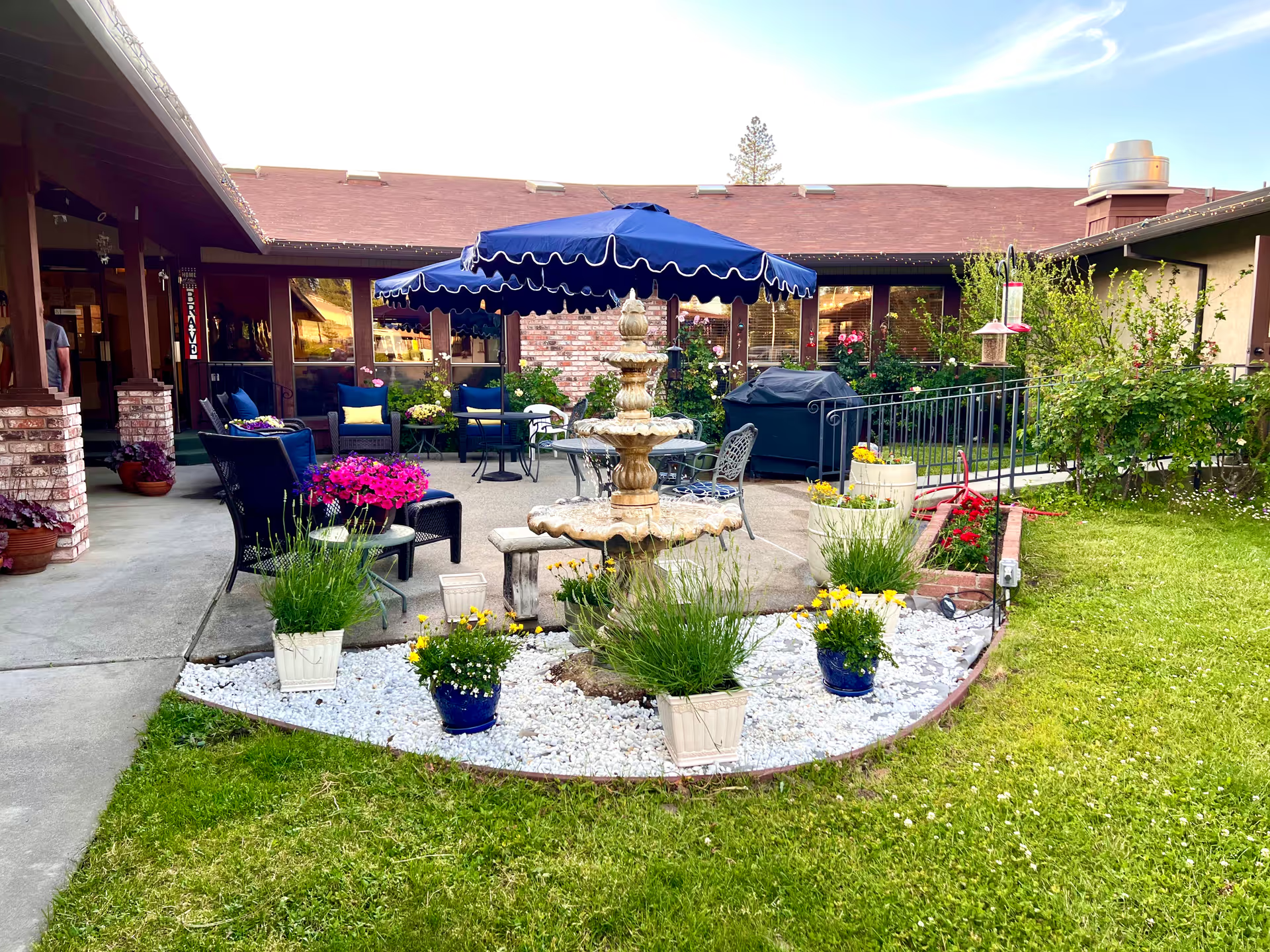
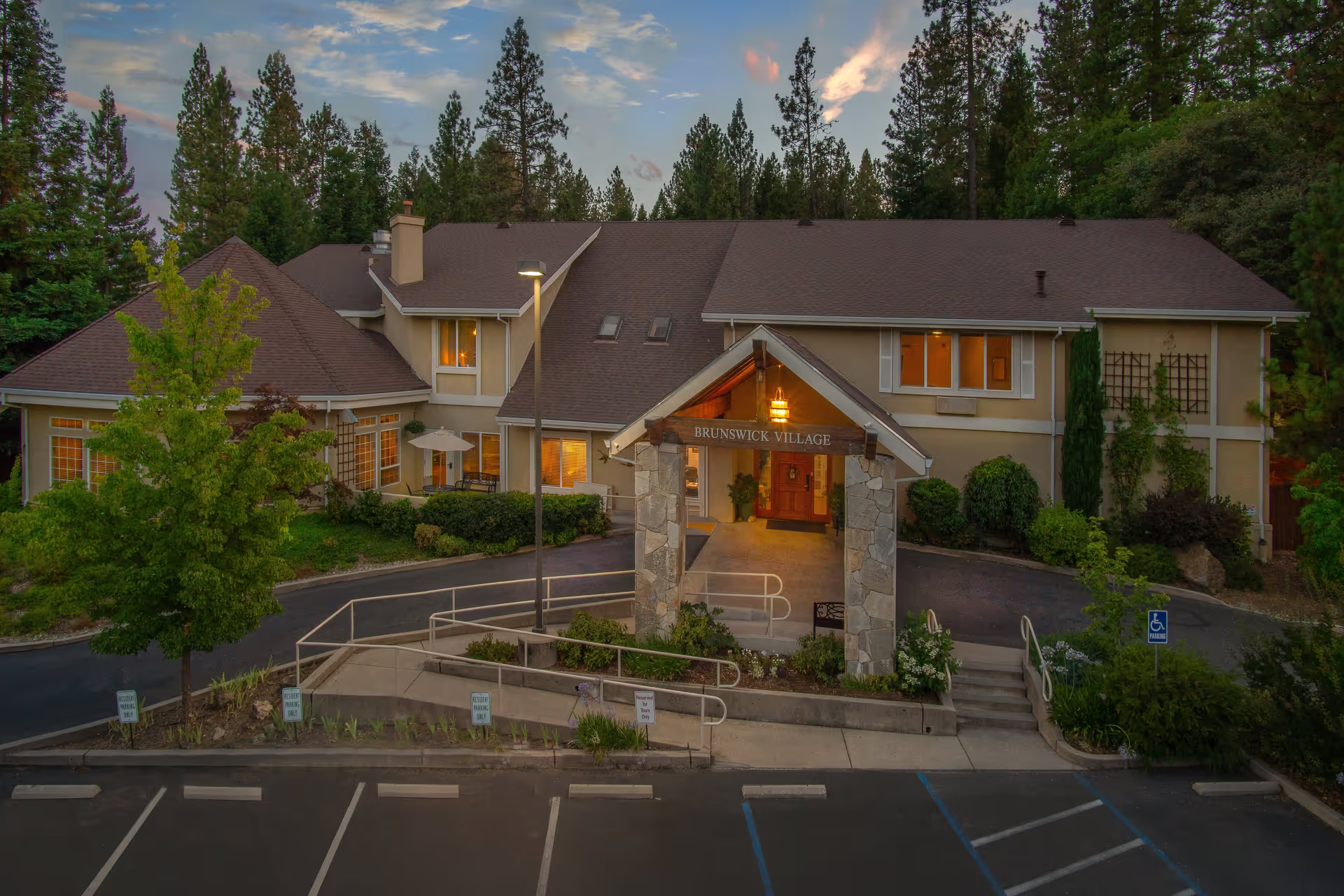
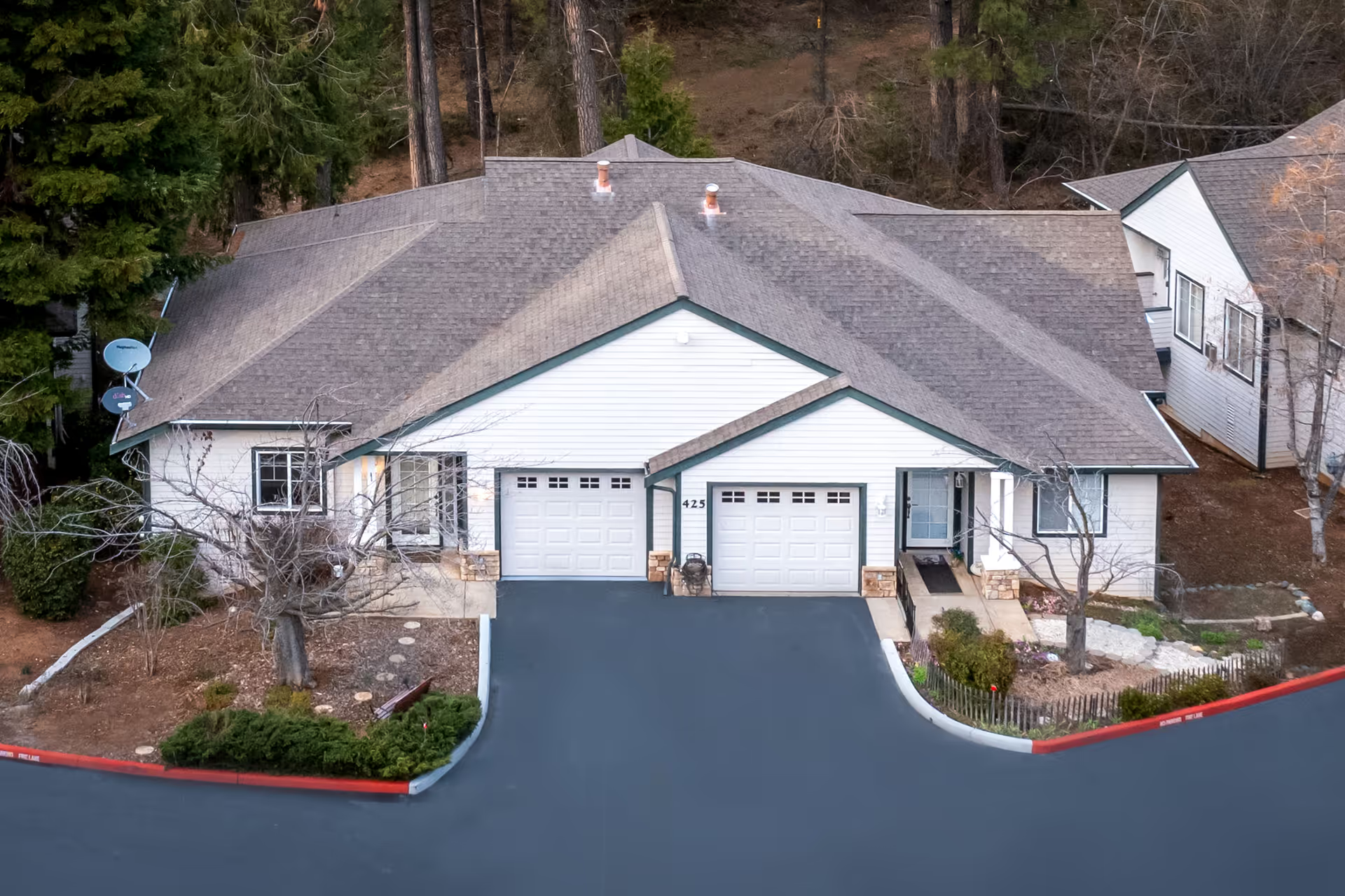
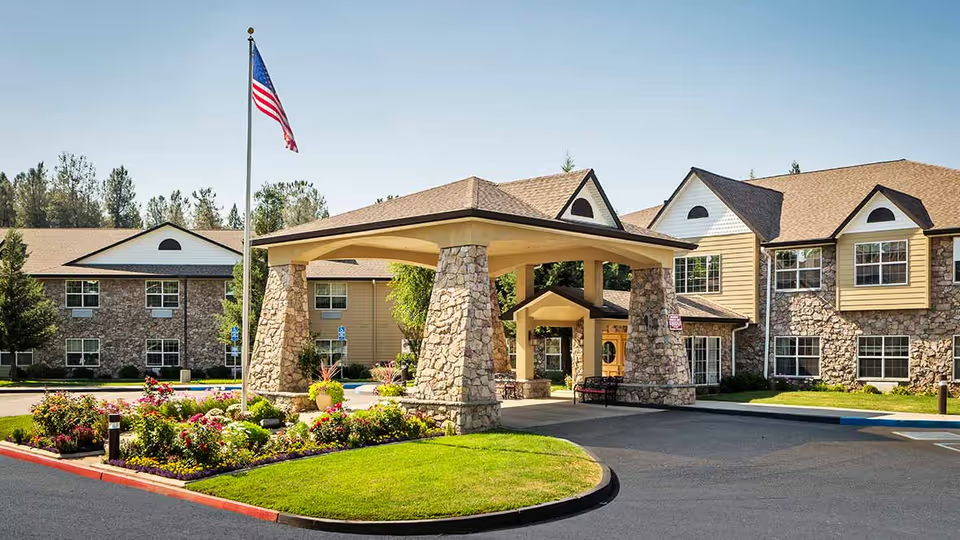
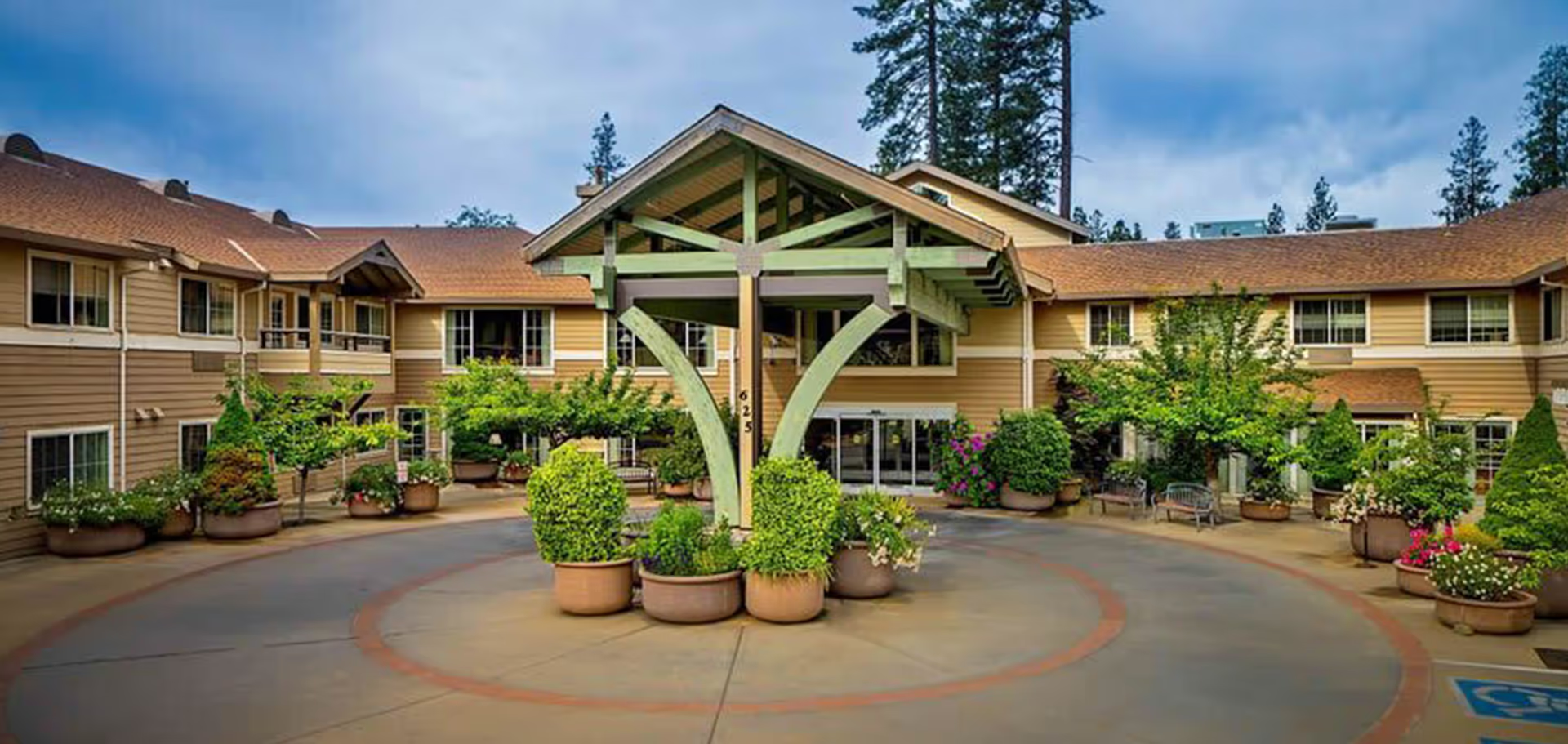
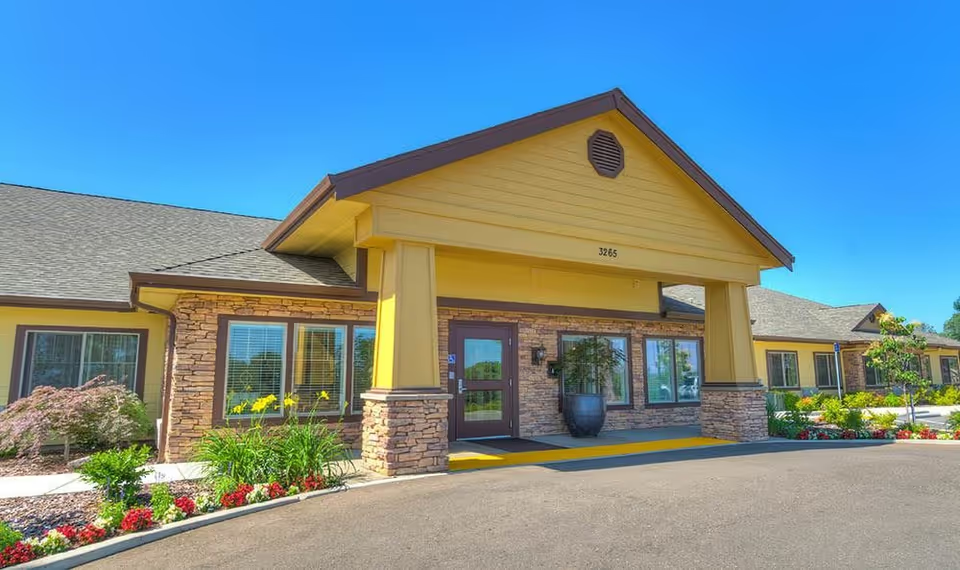
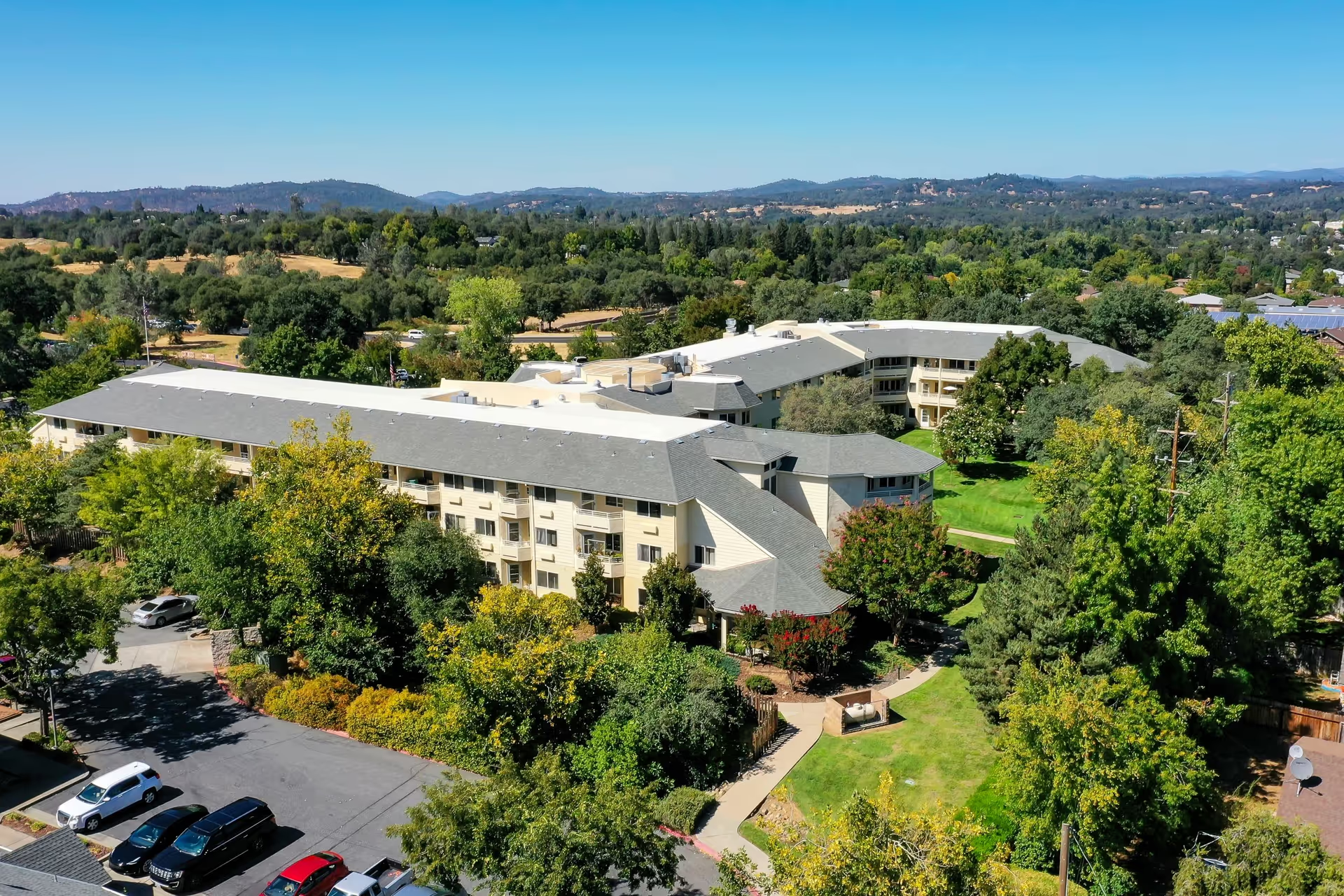
Facilities and amenities: Reviewers generally describe the facility as clean and home-like, with exercise and crafts spaces, walking areas, and a comfortable dining room. The small footprint is seen as an asset for individualized care. At the same time, some structural limitations are noted, including shared bathrooms in certain units and absence of a secured memory-care unit, which may be relevant for individuals needing private restrooms or specialized dementia care.
Management and operations: Many reviews commend proactive administrative leadership around infection control and safety protocols, and the admissions/business office is frequently described as helpful in navigating Medicare/Medicaid paperwork. Contrasting comments point to variability in management responsiveness and some gaps in staff coordination—manifesting as inconsistent communication between shifts and occasional delays in call-button responses. These operational inconsistencies appear as the primary negative pattern across reviews.
Notable patterns and guidance for families: Strengths are concentrated in relational caregiving, therapy-driven clinical improvement, and supportive social services. Operational areas to probe during a visit include call-response times, staff handoff procedures, recent dining/kitchen incident history and corrective measures, bathroom configurations for privacy needs, and availability of secured memory care if required. Overall, the balance of feedback suggests a facility that delivers compassionate, clinically effective skilled nursing care while exhibiting a few operational inconsistencies that prospective families should clarify on site.