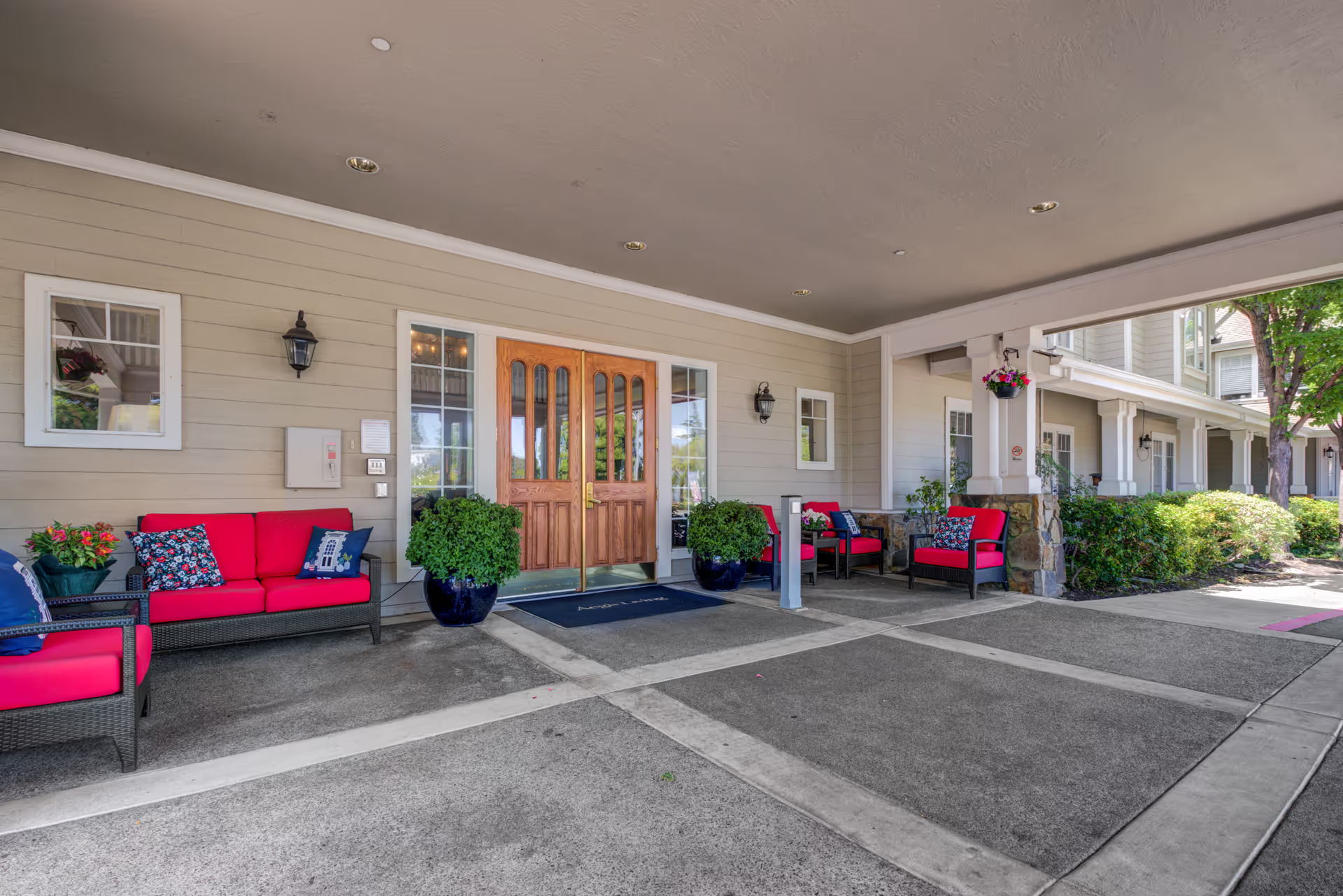
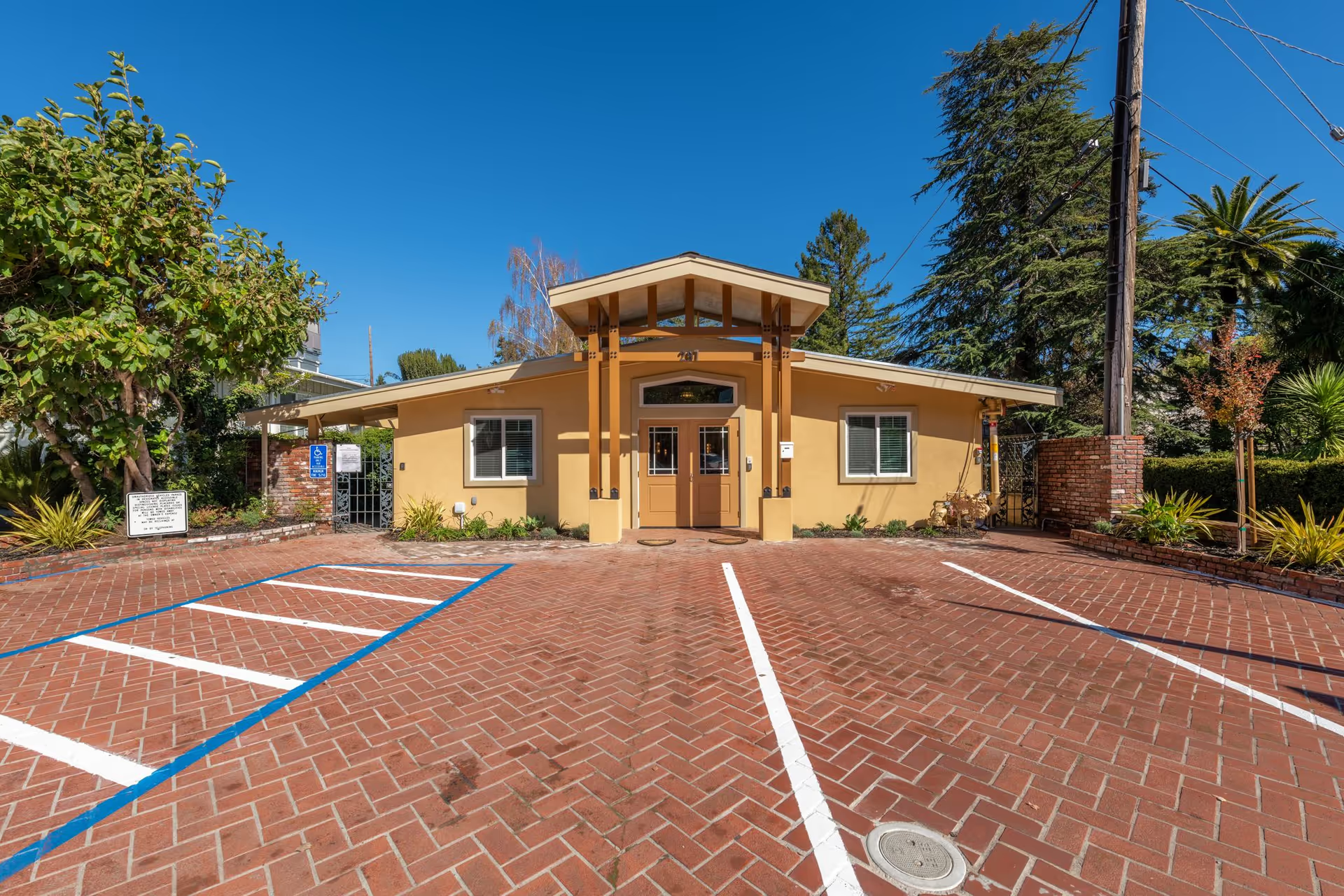
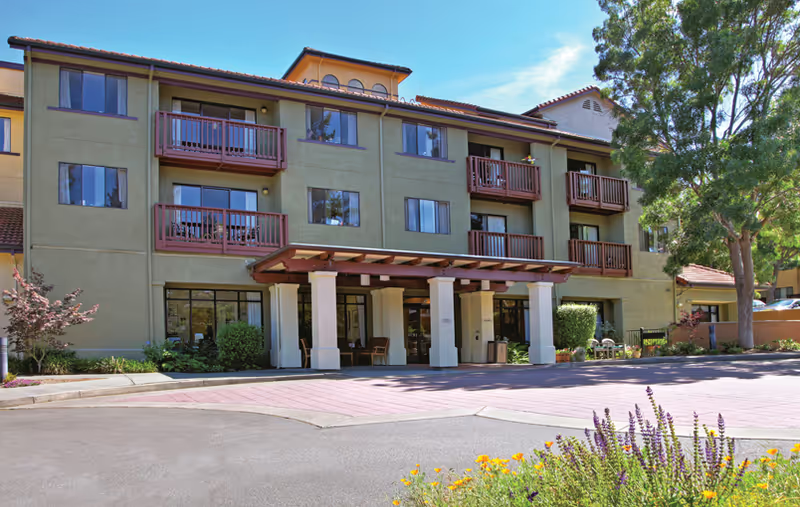
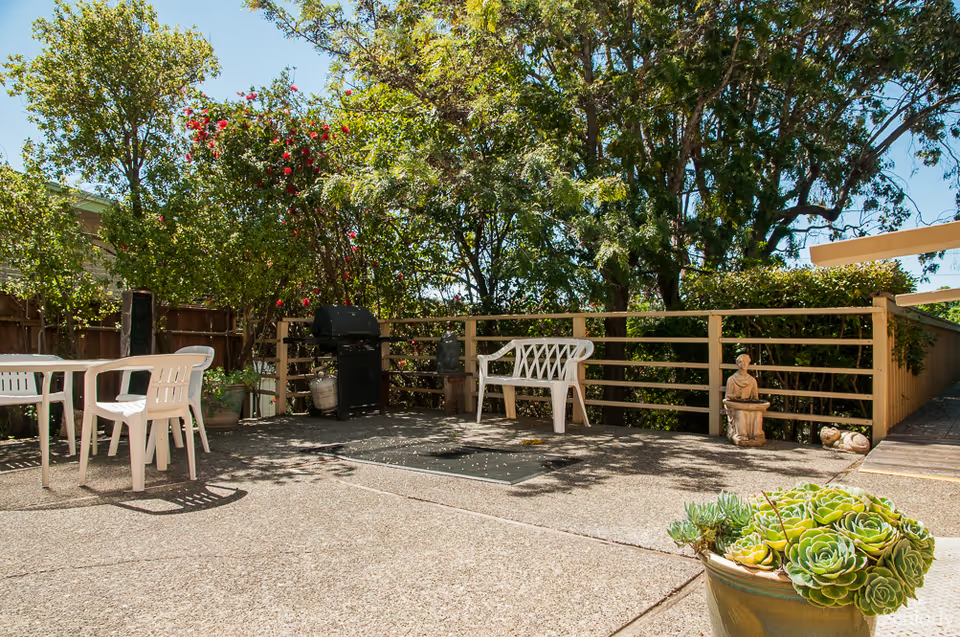
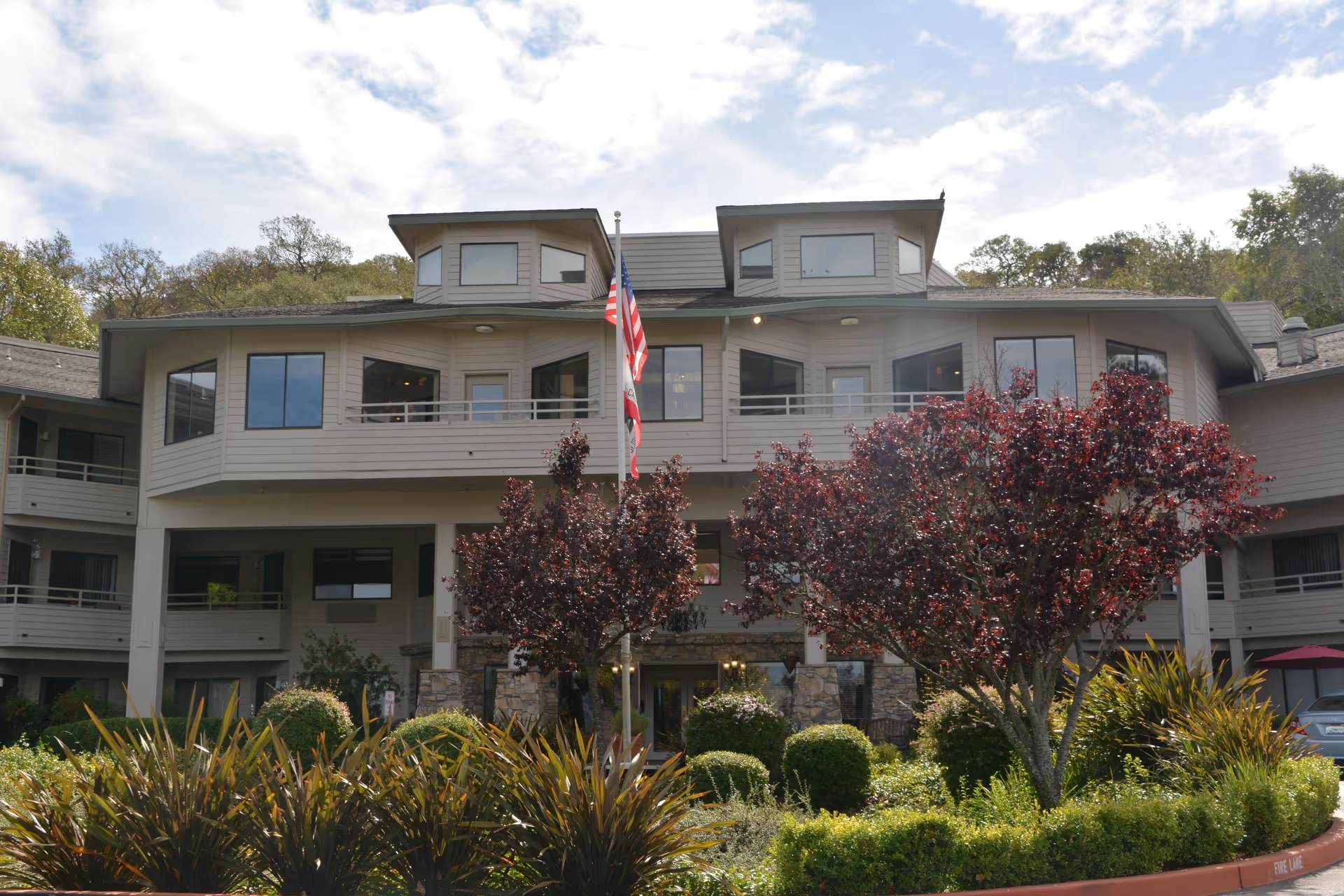
The collection of reviews portrays South Marin Health & Wellness Center as a facility with clear strengths in direct caregiving and rehabilitation, alongside recurring operational weaknesses that prospective families should assess. Many accounts emphasize compassionate, available nursing assistants and nurses, effective PT/OT services, and a rehabilitation focus that produced successful discharges home for numerous residents. On-site clinical supports such as wound-care specialists and dietitian oversight, plus proactive case management and unit leadership, contribute to positive clinical outcomes for many short-term rehab patients. Reviewers also frequently describe a clean, well‑maintained building and grounds, reasonable food with accommodations for dietary needs, and an active activities program that includes daily social and therapeutic offerings.
Staff professionalism and specific team members (nurses, therapists, social workers, and case managers) receive consistent praise for patience, motivation, and helpful discharge planning. Several families noted that therapists were especially effective at driving measurable progress and that the facility’s proximity to the hospital is convenient for post‑acute transitions. During pandemic periods, the facility implemented visible infection-control measures and visitor screening procedures that some families found reassuring.
However, experiences vary, and a number of reviews describe notable operational concerns. The most common themes are inconsistent staffing levels and variability in bedside responsiveness—call‑light response and routine assistance were satisfactory in many stays but were delayed or insufficient in others. Reviewers described gaps in emergency-response and hospital-transfer procedures in isolated but serious instances, and there are patterns suggesting uneven clinical coordination for residents with complex needs (for example, dementia-related medication management and behavioral support). Incontinence-care delays and resulting skin‑integrity concerns were mentioned and should be considered a potential risk for residents with high personal-care needs. Therapy quality was praised in many cases but described as inconsistent by others, indicating that outcomes may depend on individual clinicians and timing.
Facility-level limitations include limited private rooms and relatively small shared rooms, occasional cost and post-discharge rate concerns, and variable post-discharge follow-up. A few reviews also raised concerns about outbreak management and staff testing practices during infection events. Management presence and proactive case work were noted as strengths in many accounts, but communication and responsiveness to emergent clinical issues were uneven across reports.
For families evaluating this facility, the pattern suggests strong rehabilitation and many caring front-line staff combined with operational variability that can affect safety and continuity for higher‑need residents. Important topics to clarify during a tour or intake conversation are current staffing ratios, emergency‑response protocols and transfer procedures, dementia-specific care plans and medication oversight, incontinence and skin‑care practices, availability of private rooms, and recent infection‑control history and testing policies. These focused inquiries can help align expectations with the facility’s demonstrated strengths and the areas where reviewers indicated variability.