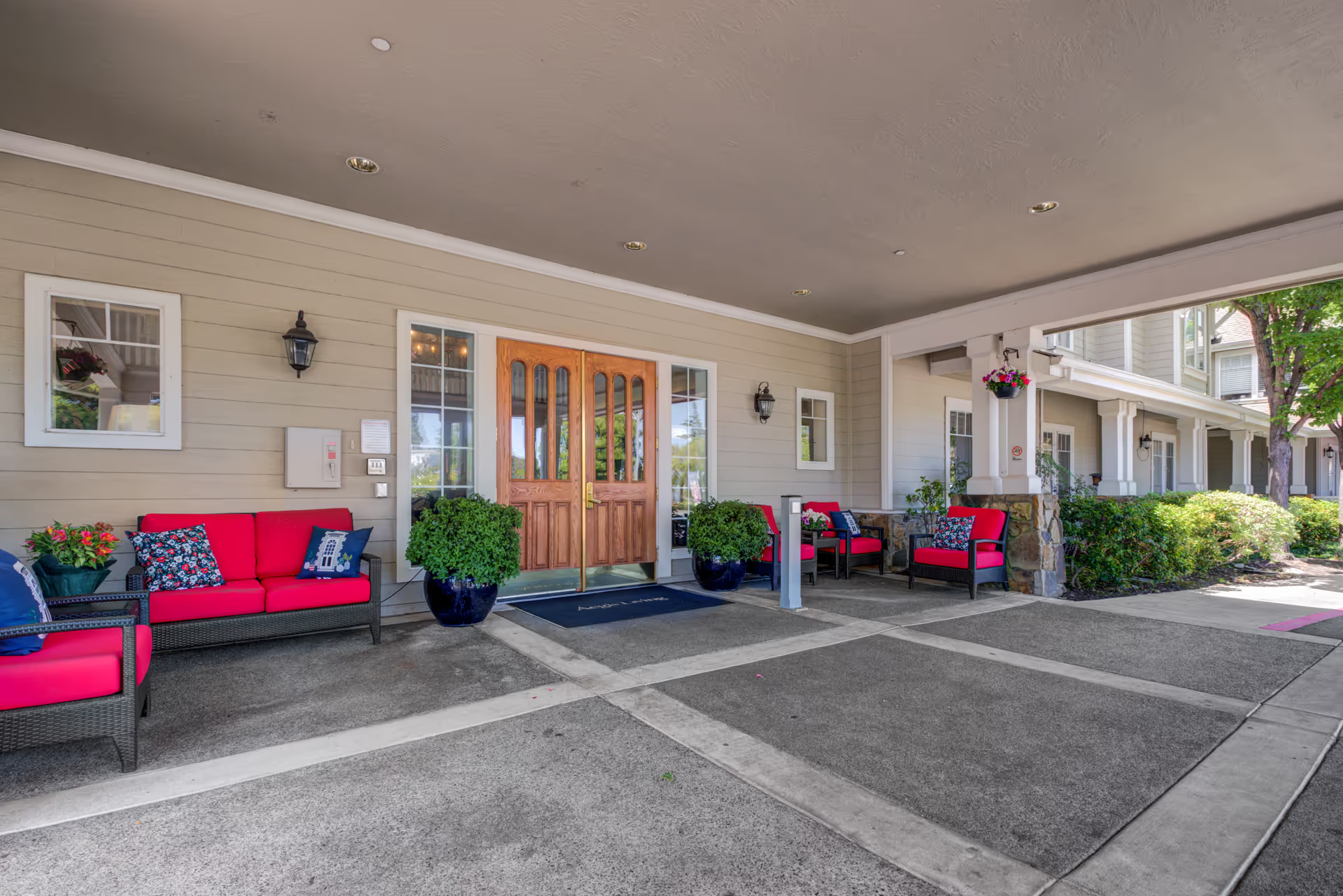
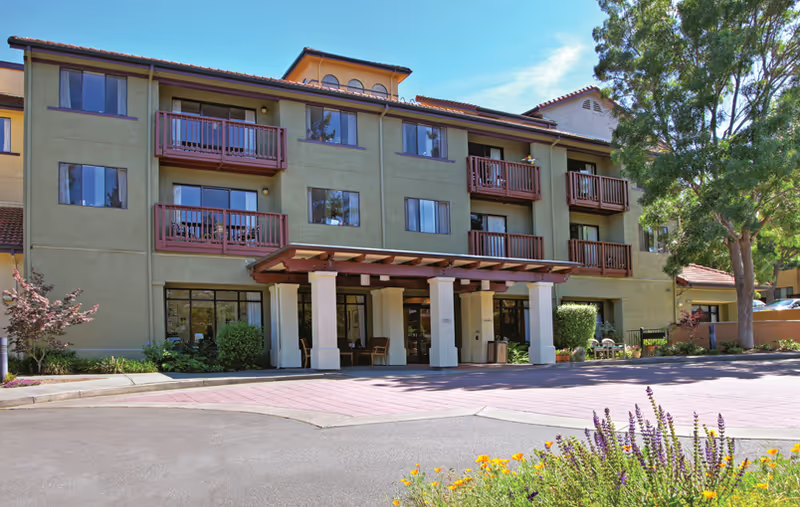
Overall impression: Marin Terrace is described as a small, home-like assisted living community with noticeable strengths in staff warmth, meals, and facility upkeep. Many accounts emphasize compassionate, engaged staff members and long-tenured cooks and caregivers, which contribute to a sense of continuity and a family-like atmosphere. The physical environment is frequently characterized as clean and recently renovated, with pleasant common areas such as a terrace overlooking a stream, large TVs in living spaces, and long hallways that support walking exercise. Room options include spacious single units and roomy semi-privates, and the dining experience—often accompanied by piano music—receives favorable mention.
Care and staff: Reviewers commonly praise the staff for attentive, respectful care and for providing prompt medical attention. The community is noted to accommodate residents with higher medical needs and offers a level of high-acuity care not typical of all assisted-living settings. Individual leaders (for example, a manager identified as Darnell and an outgoing executive director) were singled out positively for professionalism and compassion. At the same time, a pattern of staffing instability and leadership turnover is evident in some accounts; this has been linked to declines in consistency of care, departures of familiar staff, and variable team performance. Related operational concerns include limitations in family communication and episodes of reduced responsiveness.
Dining and activities: The food program is a clear strength for many residents—described as simple, tasty, and prepared by experienced cooks—with an organized dining room and pleasant presentation. Musical programming, such as piano during meals, and activity offerings like bingo and arts-and-crafts are highlights when running. However, activity availability appears variable: some descriptions indicate robust programming and social engagement, while others describe reduced or suspended activities (for example, tied to social-distancing measures or staffing changes) and an occasional lack of communal engagement in the dining room.
Facilities and safety systems: The facility’s physical plant and recent renovations receive positive feedback for cleanliness and comfort. Some units offer sliding glass doors and glass walls that enhance light and views. At the operational level, important infrastructure issues have been raised: nonfunctional resident-call systems and unreliable telephone service have been cited, which can affect timely staff response and family contact. Room configurations vary—while some residents have roomy singles, others occupy smaller rooms or semi-private units with shared bathrooms; prospective residents should review room layouts and bathroom arrangements before moving in.
Management, contracting, and care transitions: A notable pattern involves management and contracted-service stability. There are accounts of leadership changes and of external hospice or contracted agencies becoming unavailable, which created coordination challenges during transitions and end-of-life care periods. Additionally, some experiences describe admissions of residents with significant behavioral needs without sufficient behavioral-support resources, leading to stress on staff and families. These factors suggest prospective families should inquire specifically about current leadership tenure, staffing ratios, hospice partners, and behavioral-support protocols.
Recommendation for prospective families: Marin Terrace appears to offer a warm, well-maintained environment with strong meal services and many compassionate caregivers. Those prioritizing a homelike atmosphere, music and social programming, and accessible high-acuity clinical care may find it a good fit. Families should, however, ask direct questions about current staffing stability, resident-call and phone-system reliability, hospice and contracted-service arrangements, activity-program availability post–infection-control restrictions, bathroom privacy options, and approaches to behavioral-support and medication-management to ensure the community’s current operating practices meet their specific needs.