The reviews present a mixed picture: many families and visitors describe attentive, compassionate caregiving and strong rehabilitative support, while others raise serious operational and safety concerns. Positive comments focus on hands-on nursing, effective therapy outcomes (including wound healing and improved mobility), helpful social work support, and an overall clean, odor-free environment with engaging daily programming. Several reviewers named social workers and therapists as particularly helpful, and multiple accounts describe clear medication updates and friendly caregiver interactions.
Care quality appears uneven. Where care is rated positively, families highlight successful therapy plans and measurable recovery. However, other accounts indicate delays in attending to resident needs, inconsistent incontinence and bathing practices, and issues with nutrition or hydration management that required external medical attention in isolated but serious cases. There are alleged incidents involving personal-property loss and clinical deterioration; these raise questions about care continuity, clinical monitoring, and escalation protocols.
Staff behavior and supervision are recurring themes. Many reviewers praise compassionate, professional staff and a family-like atmosphere; conversely, some note unprofessional conduct, inattentive behavior at nurses' stations, and inconsistent responsiveness. Training and staffing levels are frequently cited as contributing factors to variability in care. Property-control and retrieval processes also appear weak in some accounts, creating distress for families trying to recover belongings.
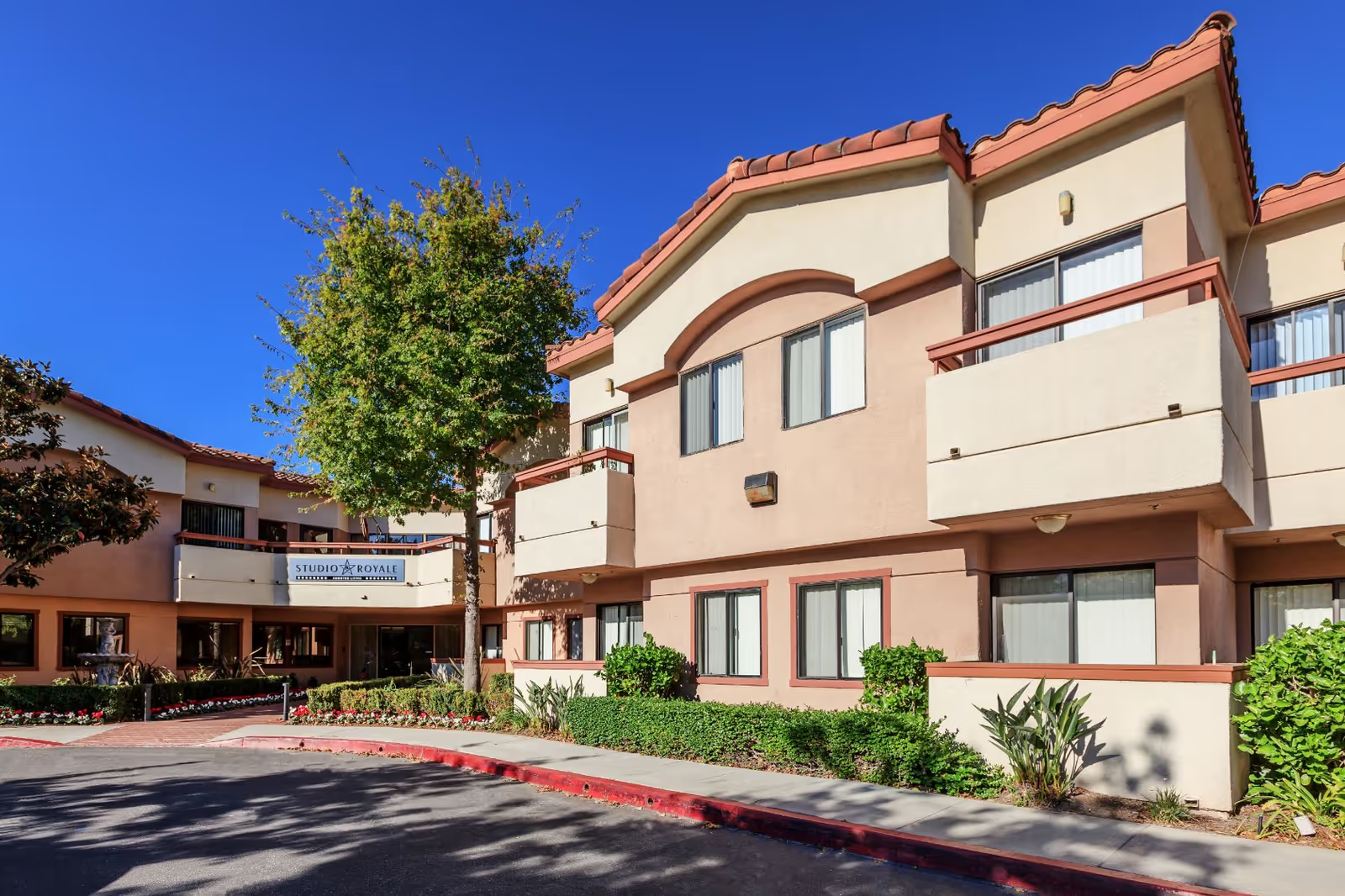
Facility spaces and daily living provisions are described positively for cleanliness and activity engagement, but reviewers also mention limitations: a small dining/recreation area and constrained communal space can impede meal service and social programming at peak times. Sanitation practices receive generally favorable remarks, though isolated cleanliness and incontinence-care issues are also described.
Management and communication show strengths and weaknesses. Some families report a responsive administrator and effective social-work coordination that smoothed approvals and transitions. Others describe inconsistent communication after clinical incidents, difficulty obtaining timely updates, problems retrieving belongings, and limited availability of leadership when concerns arise. These patterns suggest variability in administrative follow-through and family engagement practices.
What this pattern means for prospective residents and families: the facility demonstrates real strengths in rehabilitation, some aspects of nursing care, and social-work support, but also exhibits operational inconsistencies that can affect safety and satisfaction. Visitors should schedule multiple visits at different times, ask about staffing ratios and training, review protocols for clinical escalation, property management, nutrition and hydration monitoring, and confirm social-work and administrative points of contact. This approach will help determine whether the facility’s strong areas match the specific clinical and supervision needs of the prospective resident.