The reviews describe Eleanor's Residential Home as a small, privately run six-bedroom residence with a pronounced home-like atmosphere and high-touch caregiving. Care quality is characterized by low staff-to-resident ratios (including references to one-to-one care), frequent hands-on involvement from the proprietor, and regular visits from clinical providers such as physicians, dentists, and therapists. Occupational therapy access is noted as frequent (daily visits reported in some accounts) and physical therapy is provided on a scheduled basis; this suggests the facility supports rehabilitation and maintenance-level clinical needs effectively for ambulatory and moderately dependent residents.
Staff behavior and culture emerge as consistent strengths. Reviewers describe caregiving staff as compassionate, attentive, and well trained, and they highlight respectful, dignity-preserving interactions. Management presence is visible at the operational level, with the owner/director conducting tours, explaining routines, and participating in family-style events. This engagement appears to support clear family communication and personalized plans of care. A possible organizational implication is that leadership and continuity are closely tied to the proprietor’s ongoing involvement.
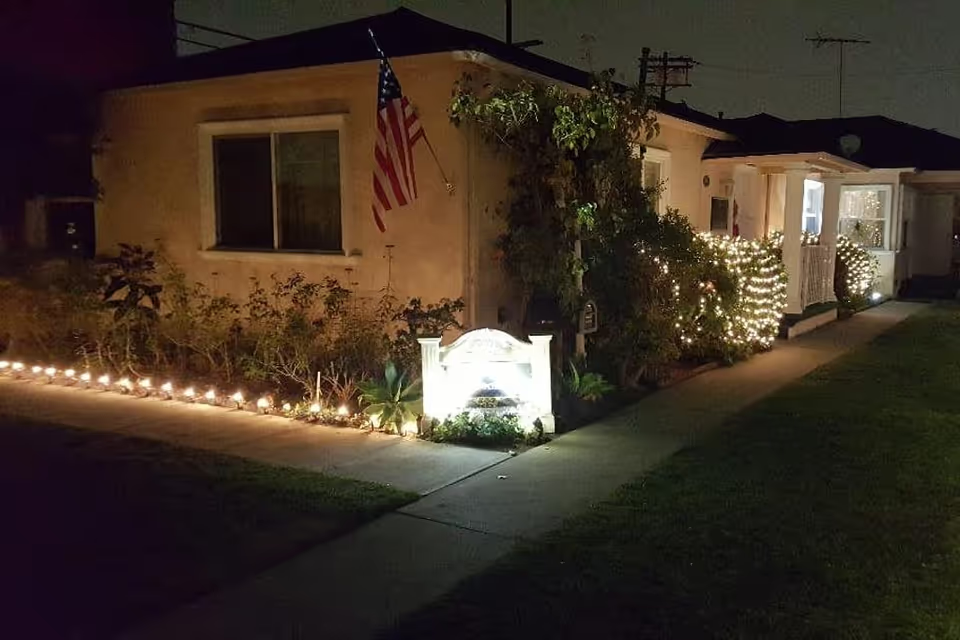
Dining and hospitality are prominent positives. Multiple accounts note homemade, high-quality meals, welcoming refreshments on arrival, birthday and Sunday-dinner family events, and festive holiday décor. The dining area is described as pleasant and suitably sized for the home setting. Activities are offered and include music, singing, therapeutic exercises, and community celebrations; however, scheduled entertainment frequency is described variably (for example, formal entertainment sessions are noted as occurring approximately twice monthly in one account), so activity intensity may be modest compared with larger memory- or activity-focused communities.
Facilities and infection control get strong praise: reviewers consistently reference an immaculate environment, bright and comfortable private rooms, and conscientious COVID-19 precautions. The small-home format is an advantage for families seeking a residential, personalized setting but also creates operational trade-offs: limited overall capacity can affect availability and social variety, and the facility’s capacity to manage high-acuity medical or intensive therapy needs appears constrained relative to larger licensed nursing environments. Prospective residents and families should weigh the benefits of individualized attention and a homelike atmosphere against potential limits on advanced medical services, bed availability, and the owner-centric management model when deciding whether the level of care aligns with long-term needs.