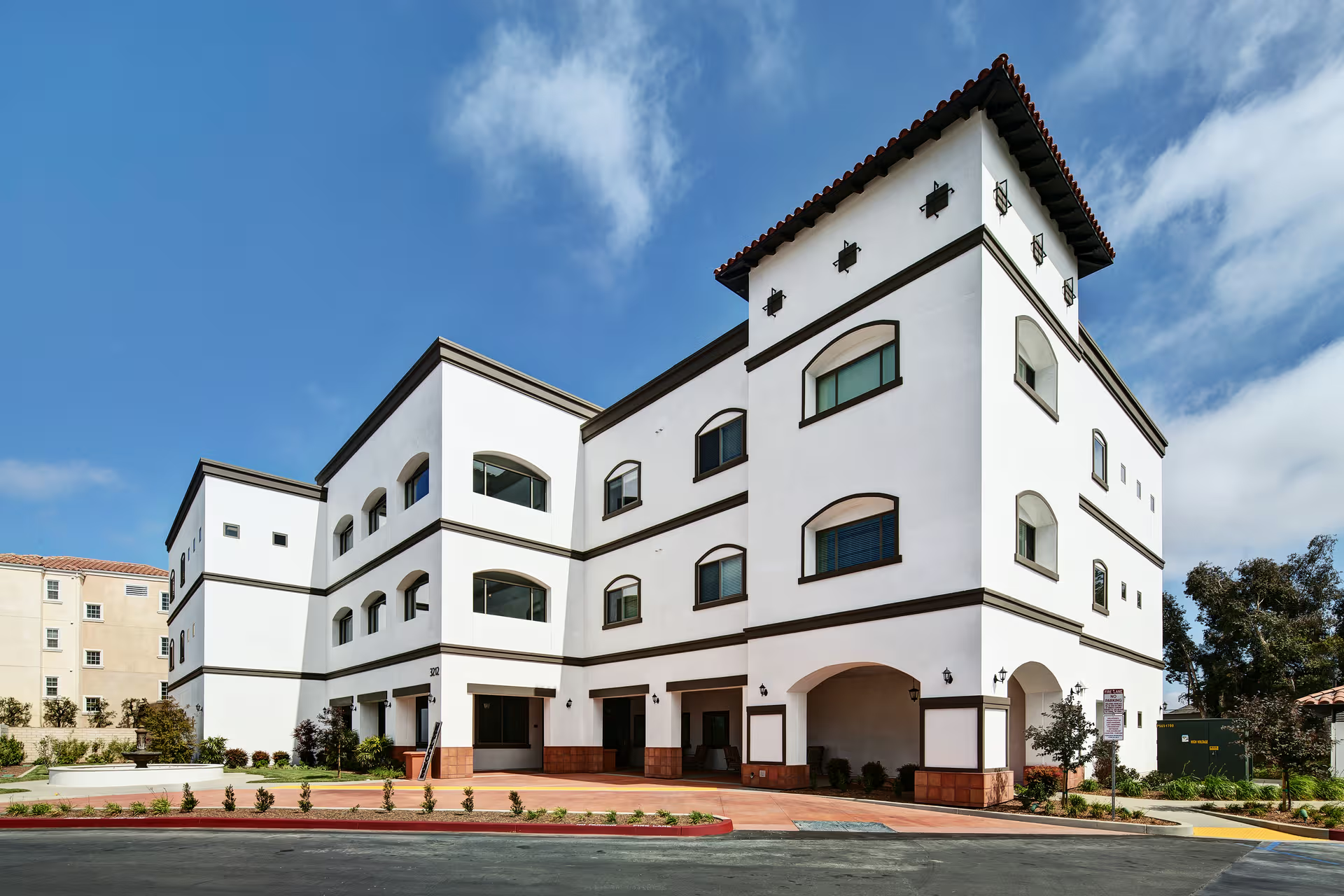
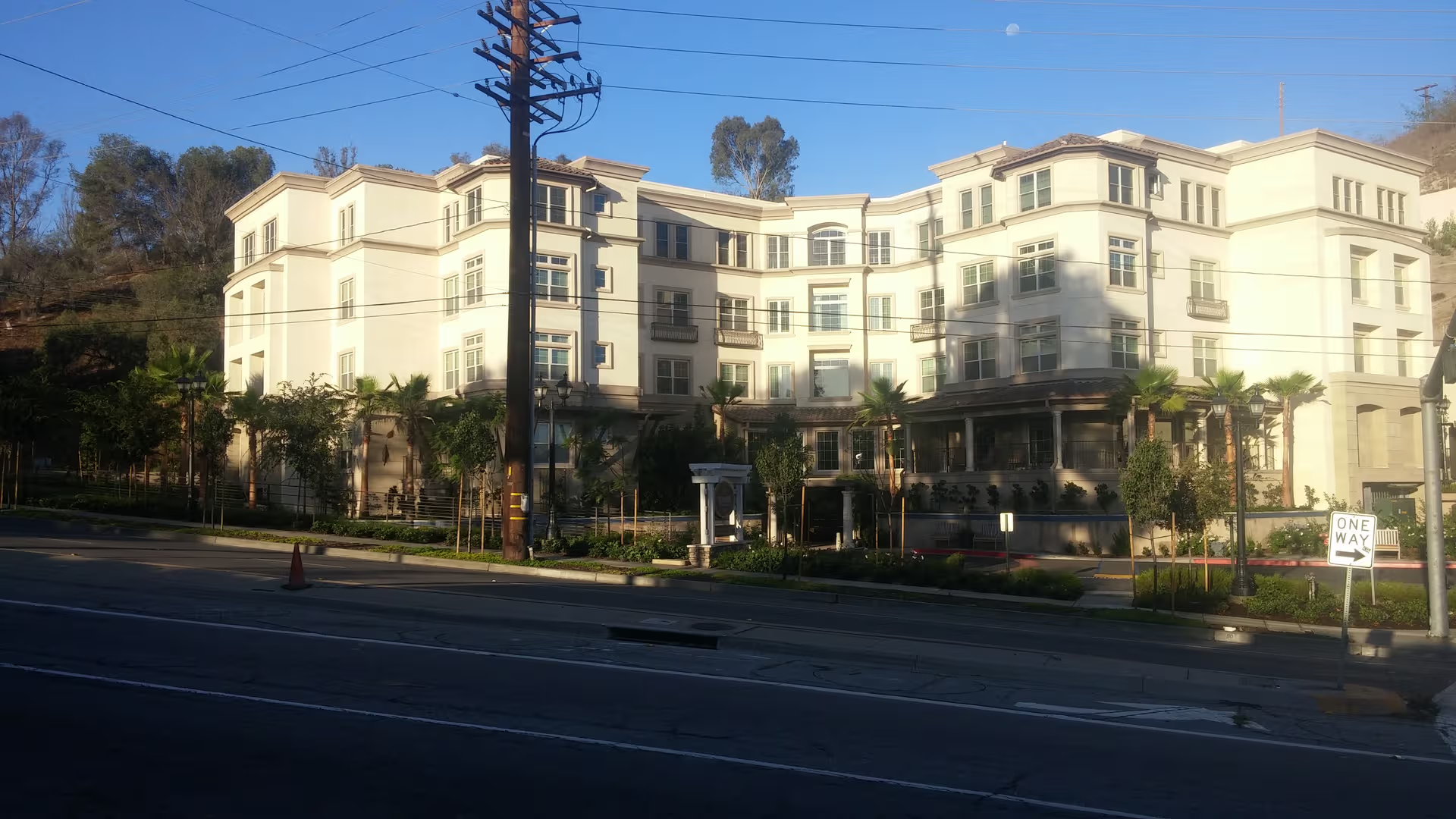
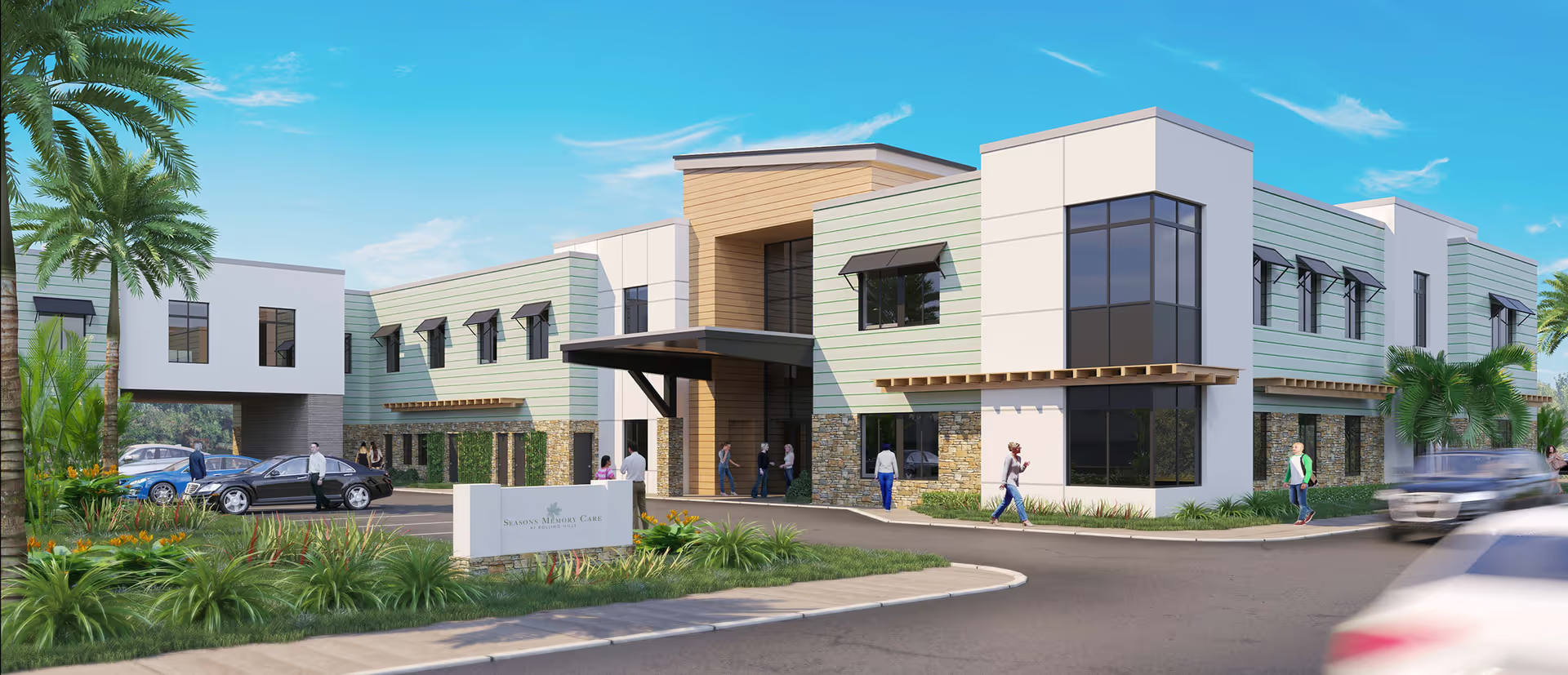
Overview Oakmont of Torrance is frequently described as a high-end, well appointed senior living community with extensive amenities: modern architecture, clean and attractive common spaces, well-kept outdoor areas, multiple dining venues (including restaurant-style dining, bistro options and 24-hour snack availability), an on-site salon, physical and occupational therapy, a movie room, and transportation for medical appointments. Many families praise an active activities program — live music, exercise classes, outings, games and specialty events — and several accounts highlight a welcoming concierge/front-desk experience and pleasant direct-care interactions that contribute to family confidence.
Care and staff Reviewer accounts present a mixed picture of clinical care. Positive comments emphasize compassionate caregivers, knowledgeable memory-care staff, and improvements in wound and incident handling under more recent leadership. Conversely, a recurring operational theme is inconsistent staffing and high turnover among caregivers, which reviewers link to variable training, intermittent gaps in clinical competency, and delays in attending to resident needs. Specific pattern-level concerns include incontinence-care deficiencies and inconsistencies in medication-management practices and diabetes monitoring. Several families noted that these weaknesses contributed to delayed responses in urgent situations and uneven daily assistance.
Dining and activities Dining and programming are strengths when well staffed: many reviews praise the quality of meals, special-event dining, and the breadth of activities that support social engagement and cognition. At the same time, reviewers report variability in food preparation and service speed, occasional long waits in the dining room, and a decline in menu consistency at times. Activity offerings are broad and often meaningful, though some accounts indicate programming tends to favor higher-functioning residents, and additional tailoring may be needed for residents with lower functional or cognitive levels.
Facilities and safety The facility’s physical plant is consistently praised: bright interiors, spacious units, accessible bathrooms, and well-maintained common areas. On-site therapy and ancillary services are a plus for rehabilitation and convenience. However, reviewers raise operational safety and sanitation issues — for example, alarm-system reliability, maintenance responsiveness during non-inspection periods, and localized housekeeping or sanitation concerns. These are described as intermittent but important given the acuity of residents.
Management and operations Comments about leadership are mixed and seem to track changes in management. Several families describe notable improvement after leadership changes, with better communication, faster incident reporting, and more visible engagement from directors and health-services leadership. Other reviews reflect prior management instability, uneven transparency (including billing and unexplained charges), and policies that restrict outside caregiver options. Cost is a common theme: the community is positioned at a higher price point, and several families expressed concern about value when operational inconsistencies occur.
Notable patterns and considerations for families Together, the reviews indicate a polarized experience: many families find Oakmont of Torrance delivers a luxury, community-oriented environment with compassionate caregivers and robust programming; others describe operational weaknesses that affect day-to-day care. Patterns suggest the facility has experienced periods of staffing and leadership instability that have improved for some residents after management changes, but that important operational risks remain in staffing continuity, caregiver training, responsiveness, dining-service consistency, sanitation oversight, medication and diabetes-management protocols, and billing transparency. Prospective residents and families should tour the property, ask specific questions about current staffing ratios, training programs, medication and diabetes policies, emergency response procedures, recent management turnarounds, and sample menus and activity schedules. Requesting recent incident-response metrics, staffing rosters for the intended care neighborhood, and written billing/fee explanations can help assess whether the community’s current operating practices meet your expectations and care needs.