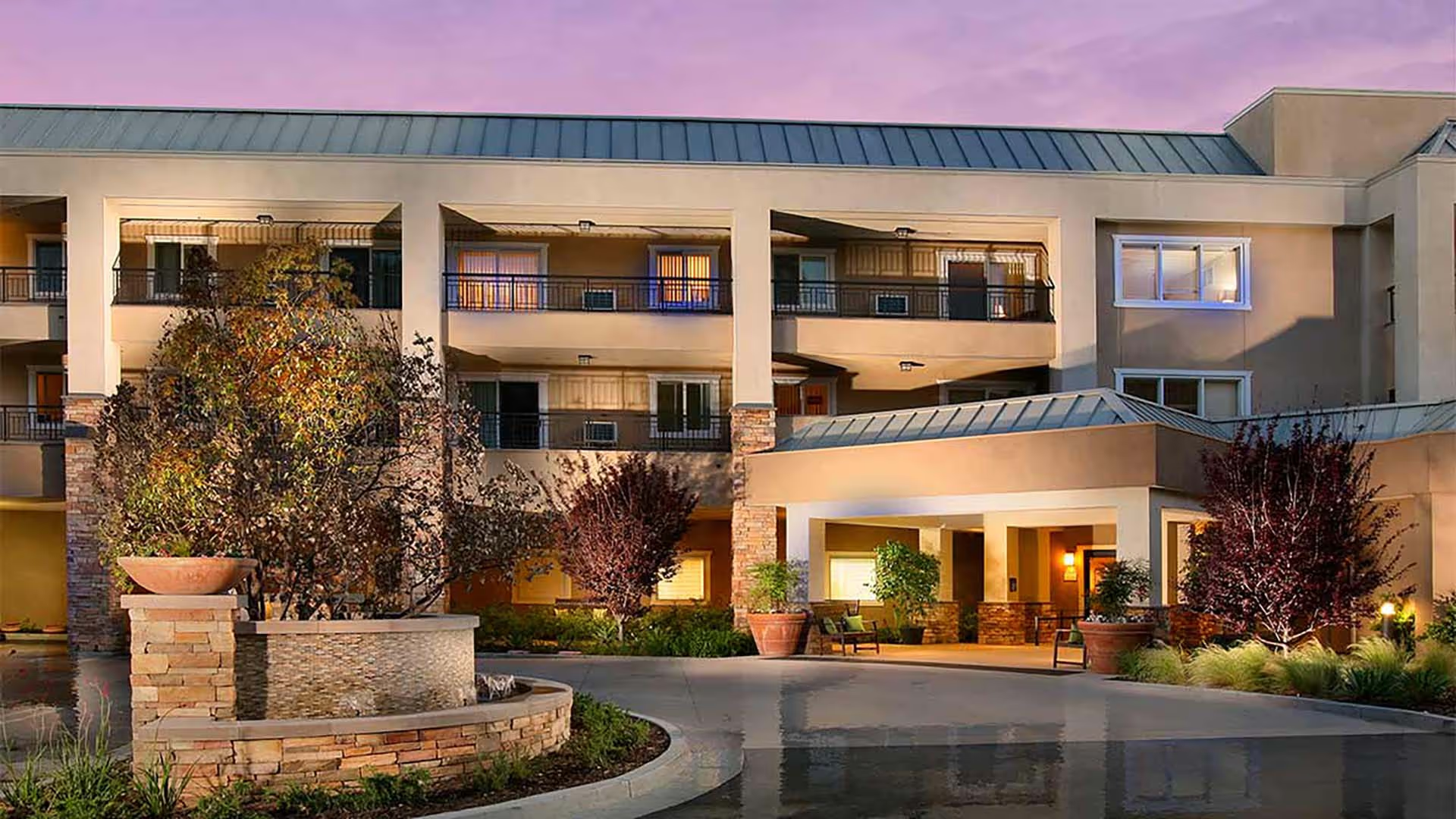
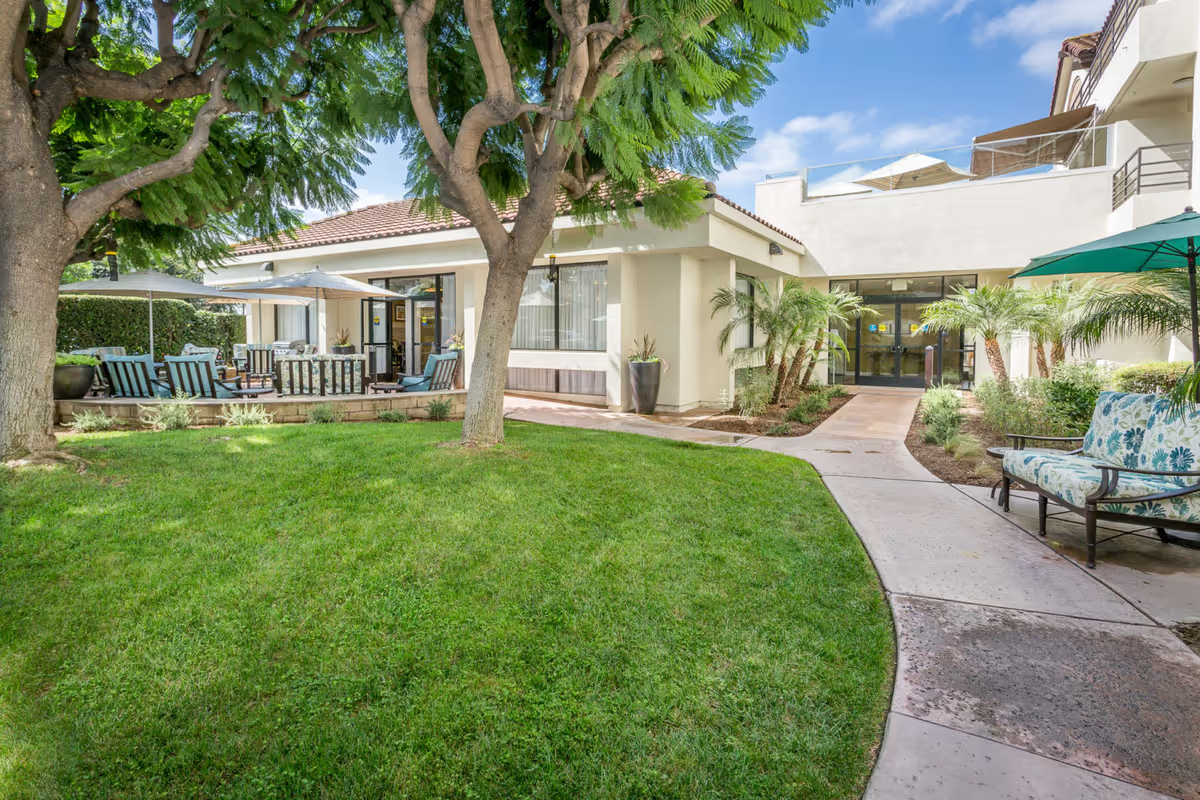
Overall impression Woodbridge Terrace is frequently described as a well-maintained, hotel-like senior community with an active social life and a broad menu of services. Reviewers consistently praise the facility’s grounds, remodeled dining venues, attractive common areas (library, puzzles/games rooms, cafe/bistro) and an active calendar that includes classes, live music, outings and exercise programs. Many families and residents highlight a warm social environment where residents make friends and participate in activities at their own pace.
Care and staffing Care quality is often characterized as compassionate and person-focused: staff are described as attentive, familiar with residents’ names and willing to provide assistance with medication, bathing, transfers and therapy. Nursing and therapy programs receive positive mentions when present. However, reviewers also describe variability in care consistency. Several operational patterns emerge as concerns: high staff turnover, intermittent delays responding to resident needs, and limited capacity to manage higher-acuity requirements (for example, complex transfer needs or incontinence support). These staffing and capability gaps appear to drive most negative care-related experiences rather than a uniform absence of competence.
Dining and meals Dining is a major strength for many residents. The community emphasizes a chef-driven program, varied menus, salad bars and restaurant-like service in remodeled dining rooms and a new bistro. Flexible dining times and private family dining are noted positively. That said, meal experience is not uniformly excellent: some reviewers cite inconsistent food quality or temperature and occasional preparation issues (e.g., vegetable doneness or uneven lunch/dinner performance). Prospective residents who prioritize consistently high culinary standards may wish to sample multiple meals and ask about kitchen scheduling and quality controls.
Activities and social life Activity programming is broad and frequently praised. Examples include nature walks, art and history clubs, language classes, volunteer opportunities, live entertainers, exercise groups and bus outings. The activity model supports voluntary participation and a variety of options, which many residents find enriching. A small portion of feedback indicates that programming can feel repetitive or not closely matched to every resident’s preferences; program consistency and engagement efforts can vary depending on staff and resident leadership.
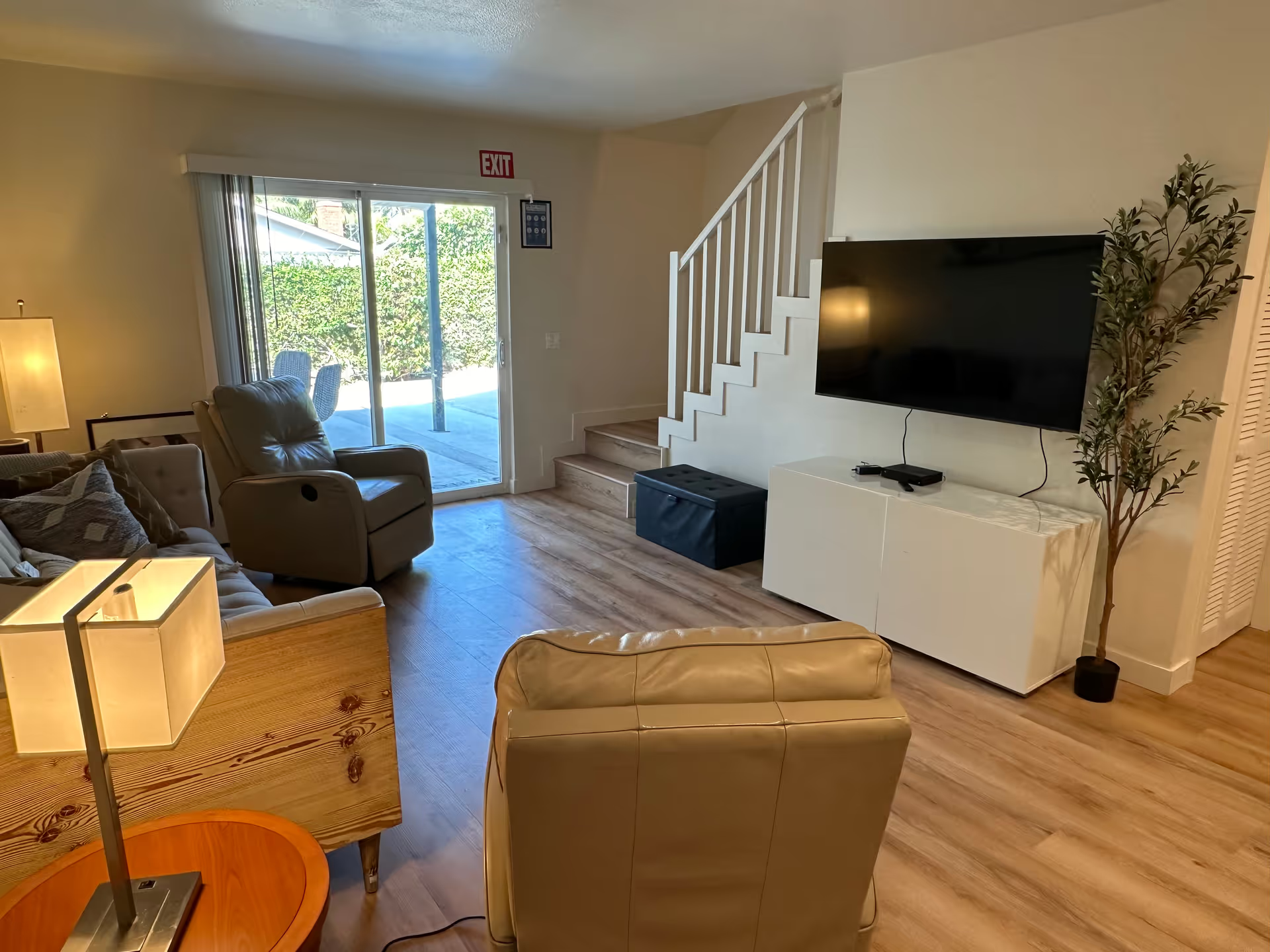
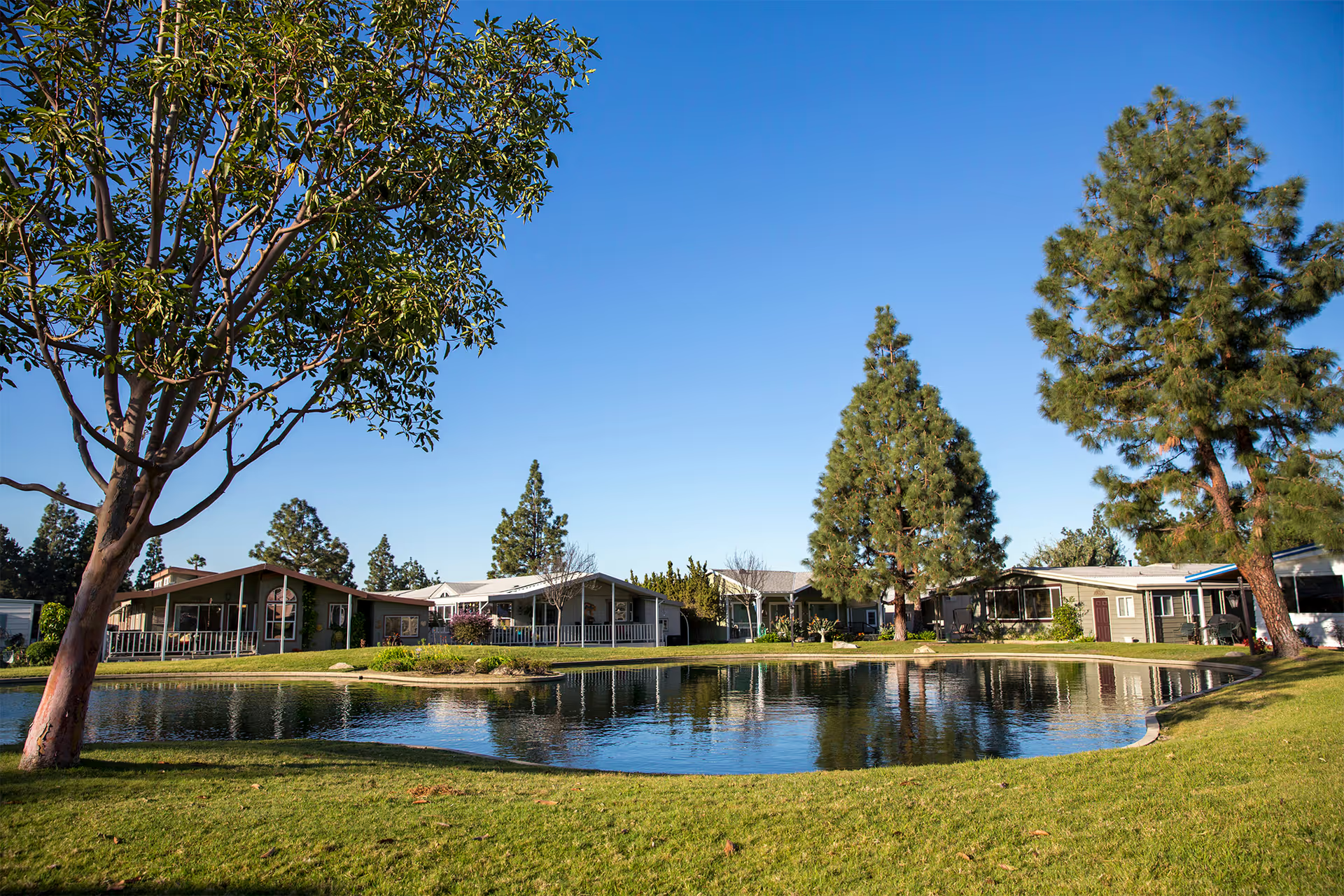
Facilities and operations Facility upkeep, cleanliness and aesthetic updates are repeatedly commended: remodels, fresh paint and carpeting, bright dining rooms and comfortable apartments are common positive notes. The campus offers walking paths, gardens and multiple communal rooms. Operational concerns include intermittent maintenance problems (e.g., plumbing or alarm issues) and limited inventory of certain unit types (few two-bedroom/courtyard-view units). Transportation is available but requires scheduling in advance; some families cited both efficient scheduling and isolated delays.
Management and notable patterns Many families describe responsive management that listens and resolves concerns; the resident council is an active governance channel. Conversely, several reviewers reported variability in leadership engagement and follow-through, and some described gaps in onboarding or communication during transitions. Financial transparency and fee structure were a concern for some families; a minority of accounts assert serious incidents, including allegations of theft and inadequate incident follow-up—these are significant claims that prospective residents and families should discuss directly with management and validate through the facility’s incident procedures and local licensing records.
Bottom line Woodbridge Terrace offers a strong social environment, attractive facilities, robust dining and a wide activity program that suit many independent and assisted living residents. The most consistent cautions relate to staffing stability, capacity for higher-acuity clinical needs, and occasional operational inconsistencies (meal quality, maintenance, billing or incident response). Visitors should tour multiple dining services, meet nursing leadership, review staffing ratios and incident procedures, and ask about availability of unit types and any additional fees to assess fit for specific care needs and budgets.