Across the reviews there is a clear mix of positive and negative experiences. Positive accounts highlight compassionate nursing staff and aides, an active activities program, and effective short-term rehabilitation services that led to good outcomes for some residents. Several reviewers described the facility as an established option for both rehabilitation and longer-term stays, and a subset of families reported improved resident happiness and better staff morale over time.
At the same time, a number of operational concerns recur. Medication management emerges as a prominent issue: reviewers describe missed doses, administration errors, and at least one account of a critical medication change with serious consequences. Communication gaps are another frequent theme — family members reported difficulty reaching staff by phone, delays in responses to routine requests, and miscommunication around discharge planning. These communication deficiencies are often linked to the perception of inconsistent staffing and variable staff responsiveness.
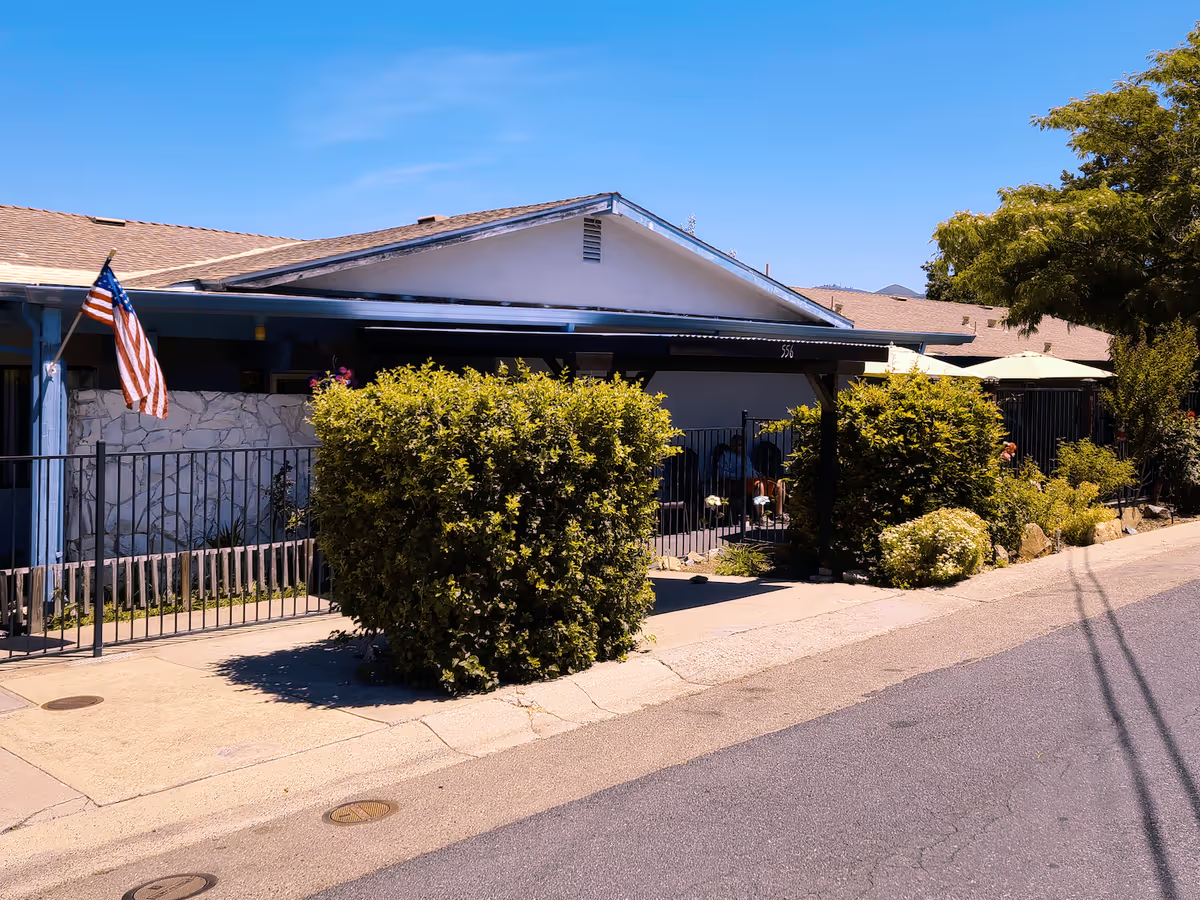
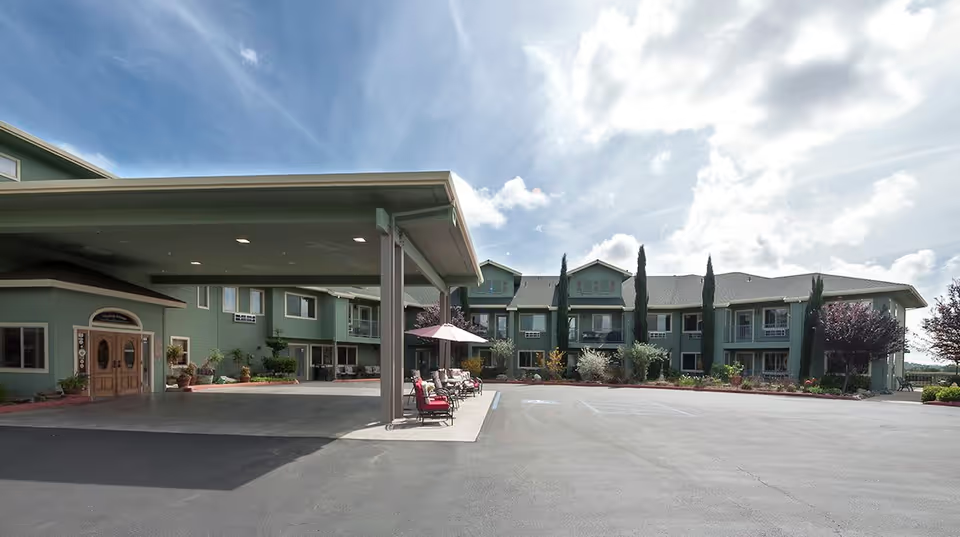
Facility and logistics issues are also raised. Multiple comments reference sanitation and cleanliness concerns in resident areas and common spaces, and an older building footprint that may be showing its age. There are also accounts suggesting limited coordination of off-site medical appointments and transfers, as well as problems with property handling during moves. Several families described needing to advocate persistently to get timely attention, and at least one report referenced escalation to external authorities in the context of an unresolved dispute.
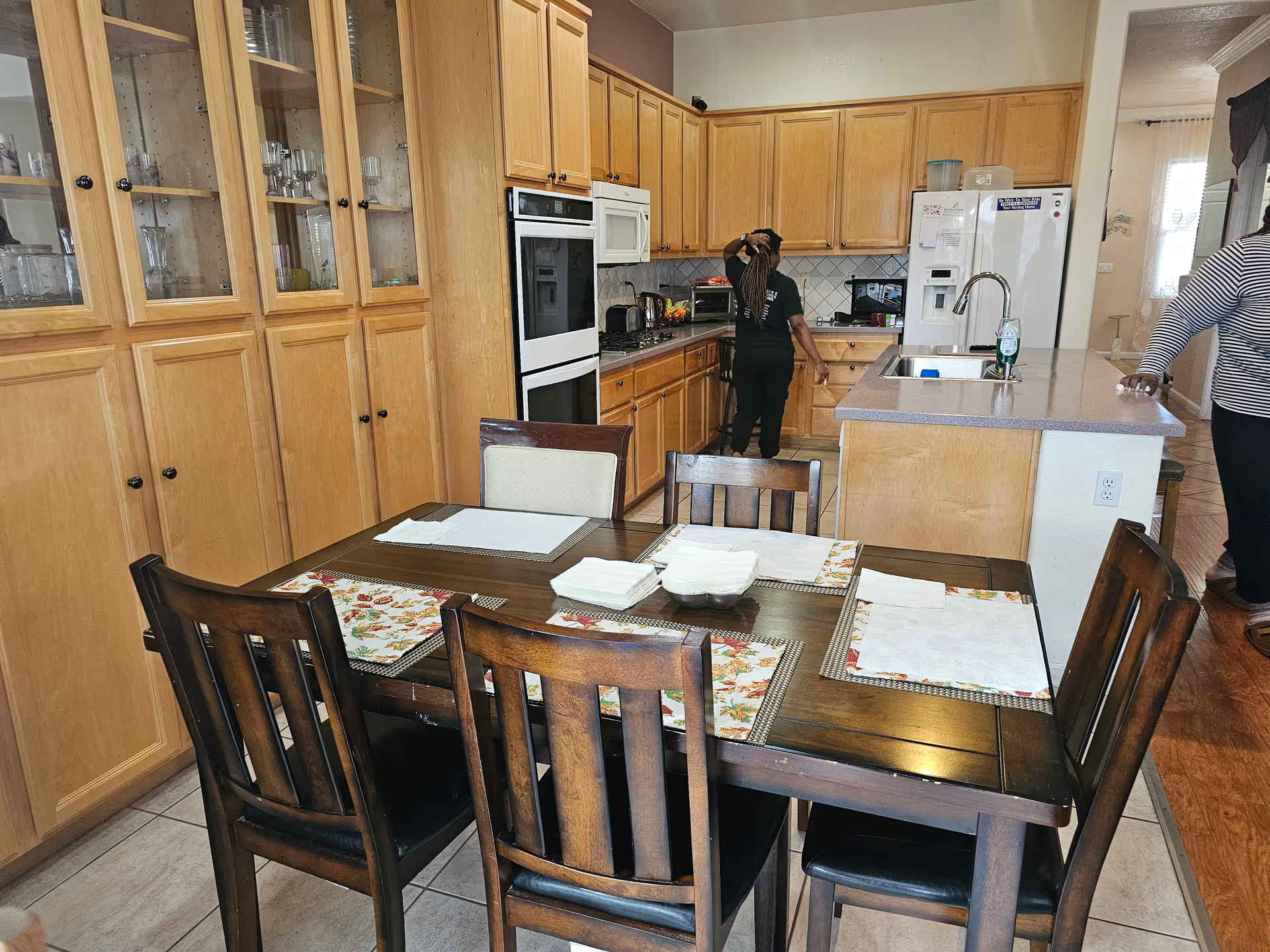
Dining and activities appear to be relative strengths: reviewers noted acceptable meal quality and praised the activities program. Staffing and personnel quality are described in mixed terms — many families praised kind, attentive caregivers and nurses, while others described unprofessional conduct by certain staff members. There are indications that management has taken steps in some cases to address problematic staff and improve morale, but reviewers also note ongoing challenges with consistency and communication.
For prospective residents and families, the pattern suggests that outcomes may vary considerably depending on unit, shift, and specific caregivers. Key areas to evaluate in person include the facility’s medication reconciliation and administration protocols, staffing ratios and turnover, cleaning and infection-control procedures, the process for coordinating off-site medical care, and written plans for discharge, property handling, and family communication. Asking for documentation of recent corrective actions and observing mealtimes and an activities session can help form a balanced impression.