WindChime of Marin Memory Care elicits strongly mixed impressions. A large portion of feedback highlights strengths consistent with a small, dementia-focused community: staff frequently described as compassionate and resident-centered, a robust activity program (including music therapy, art classes, and outings), clean and recently updated interiors, secure outdoor garden spaces, and private rooms with pleasant views. The facility positions itself as a specialized memory-care environment with on-site nursing services, established infection-control procedures, and hands-on admission support that some families say helped with hospital-to-facility transitions.
Care quality is uneven across accounts. Many families praise caring direct caregivers and activity personnel who engage residents and accommodate dietary needs. At the same time, there are recurring operational concerns tied to staffing patterns and clinical consistency: reviewers raised issues about inconsistent bathing and incontinence-care timeliness, occasional medication-management errors, and variable laundry/housekeeping follow-through. Several accounts also describe delays in responding to resident needs during busy periods, which some families interpreted as gaps in day‑to‑day care reliability.
Dining and activities are frequently cited as strengths when staffed and scheduled: the dining room and meal presentation receive positive comments, and the activities calendar is described as full and purposeful. However, reviewers also noted irregularities in meal frequency and continuity at times, and a few observers could not view programming due to timing or logistical constraints during visits. Activity leadership and individualized programming are strong selling points for families seeking an engaged memory-care setting.
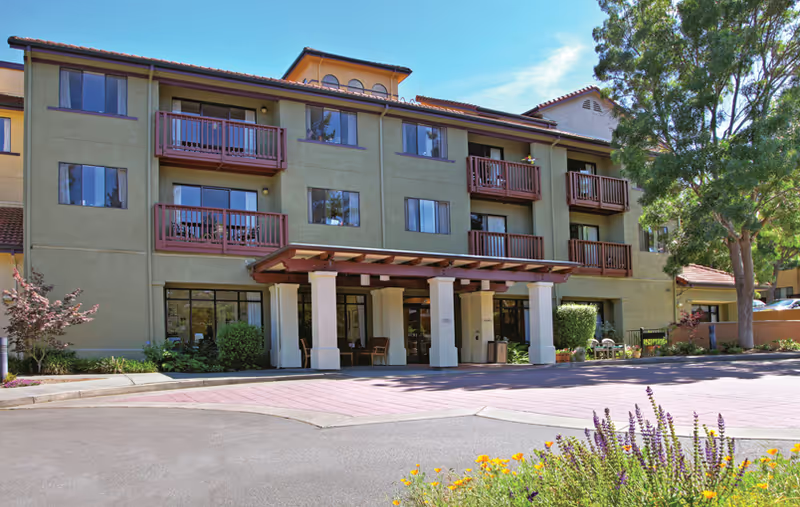
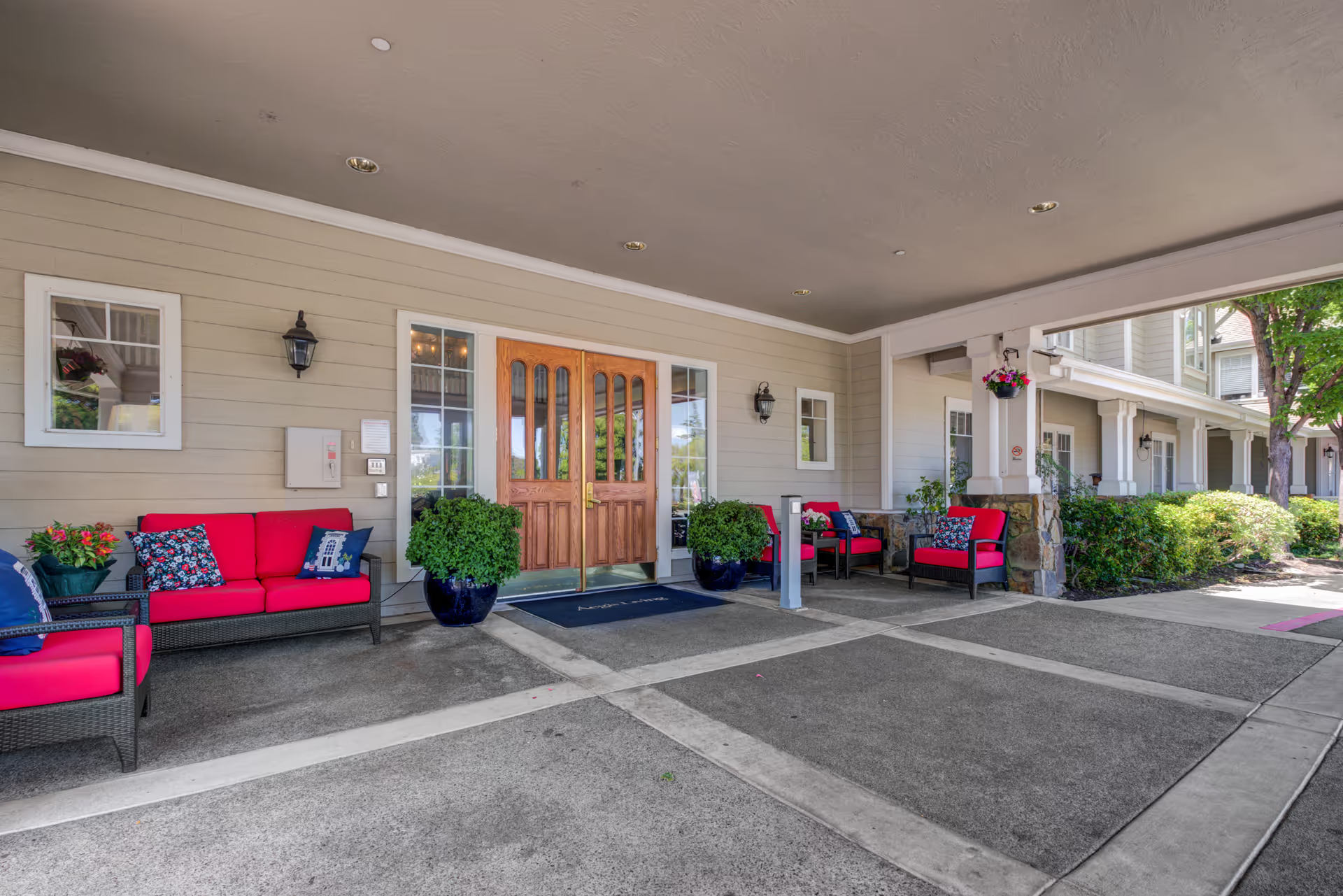
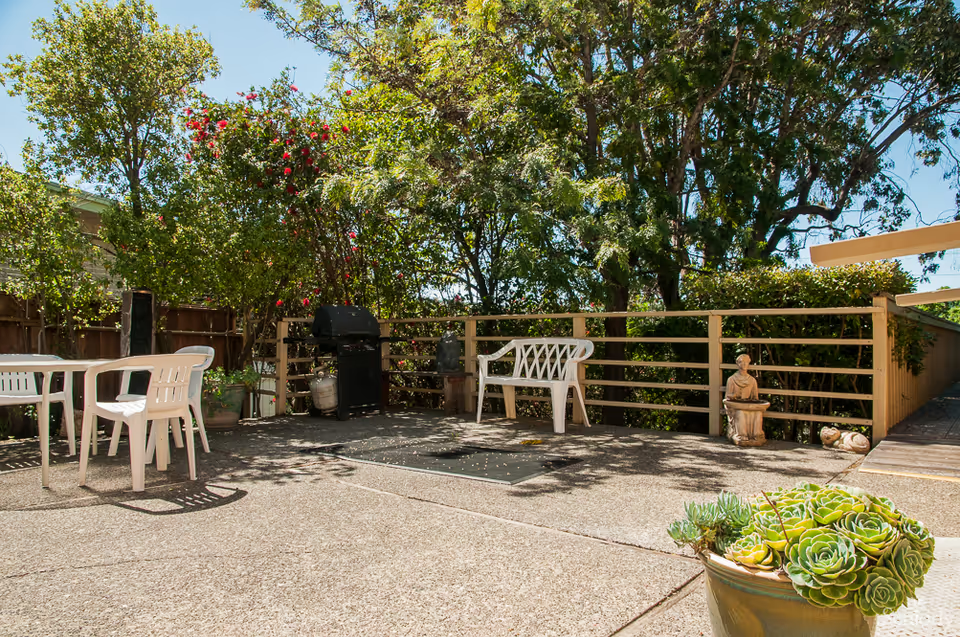
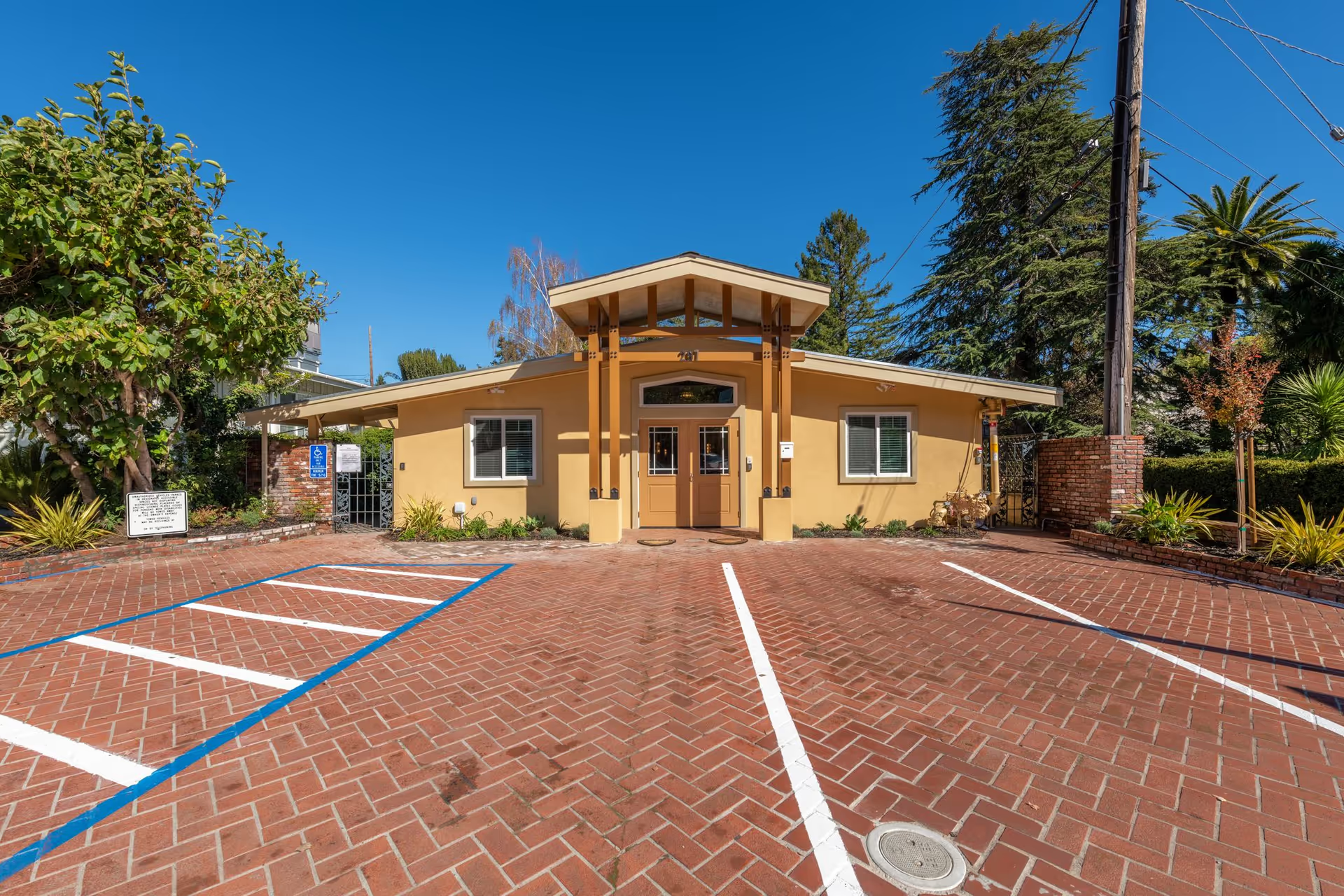
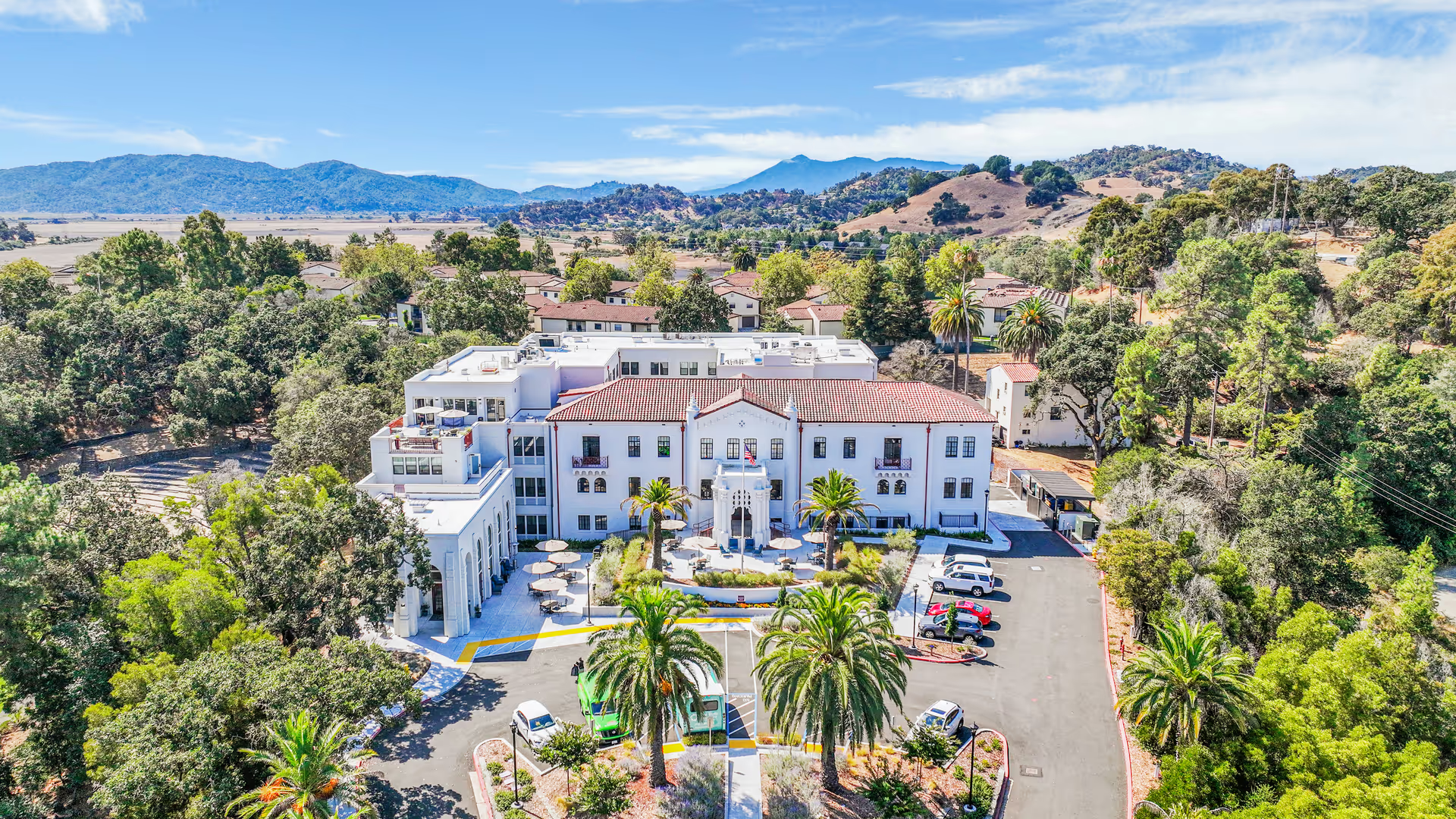
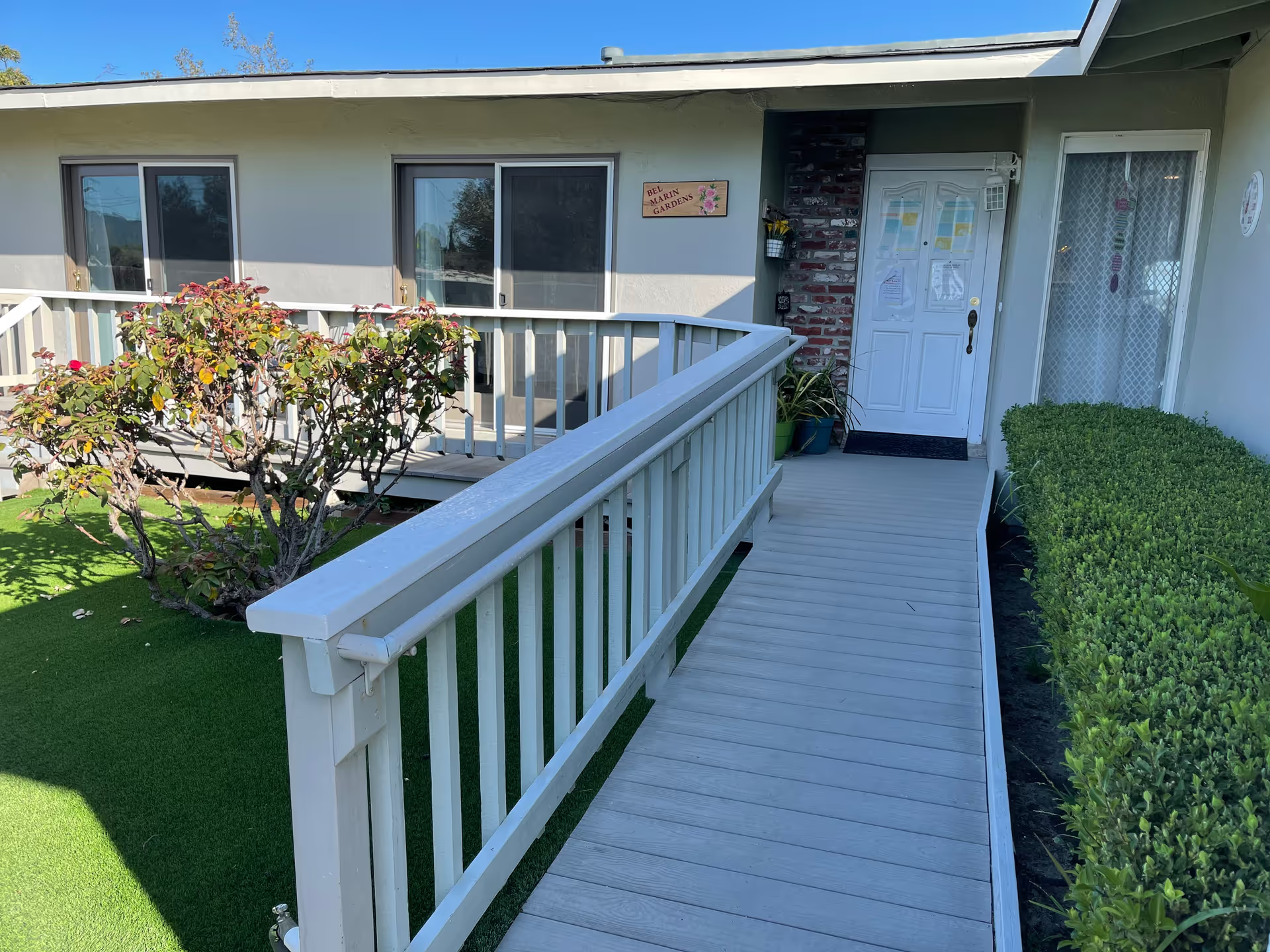
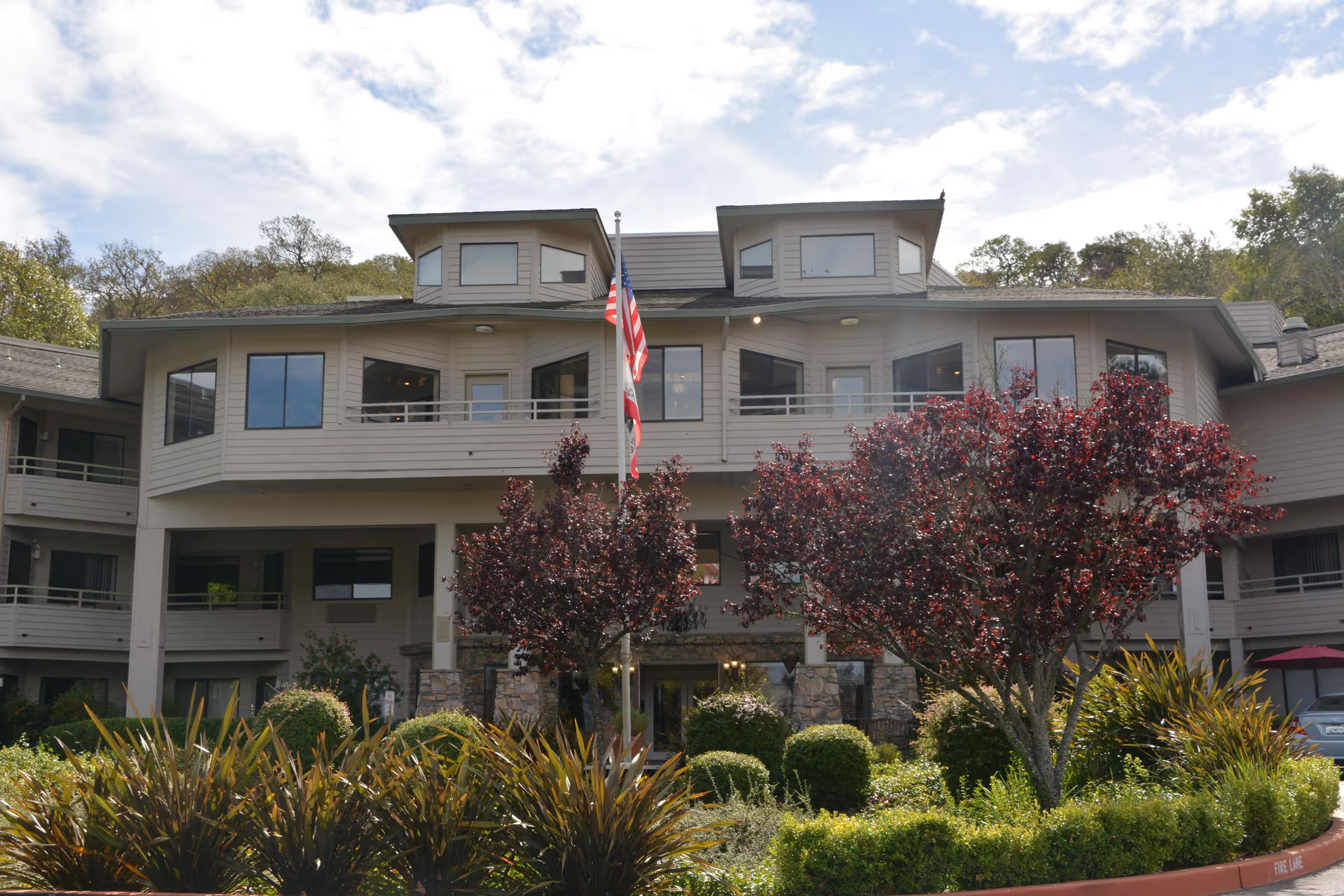
Facility and environment feedback is largely positive regarding cleanliness, recent renovations, lighting, and outdoor spaces. That said, multiple reviewers raised practical concerns about building suitability for advanced cognitive impairment — items such as window security features, certain egress pathways, and room climate control reliability (notably air-conditioning failures) were described as problematic in some rooms. These issues affect perceived resident comfort and safety for a subset of residents.
Management, communication, and administrative practices are the most polarizing themes. Several families reported responsive, helpful managers who communicated well and resolved issues quickly. Conversely, a number of reviewers described unresponsive leadership, high staff turnover, inconsistent follow-through, and opaque billing or community-fee practices. There are also serious governance concerns in some accounts, including allegations of inaccurate documentation and problematic staff conduct; these items were raised with strong emotion by affected families and suggest the need for careful inquiry during any tour or placement decision.
Notable patterns: the community shows clear strengths as a small, activity-rich, dementia-focused provider with many dedicated frontline caregivers. Yet the positive experience appears fragile in the presence of staffing instability and uneven management practices — when leadership and staffing are stable, families report very good outcomes; when they are not, operational lapses become apparent. Prospective families should weigh the facility's dementia specialization, atmosphere, and programming against reported variability in clinical consistency, climate maintenance, and administrative transparency. During evaluation, consider observing care at multiple times of day, asking for current staffing ratios, reviewing medication-administration and incident-handling protocols, and clarifying billing and contract terms to assess fit and risk tolerance.