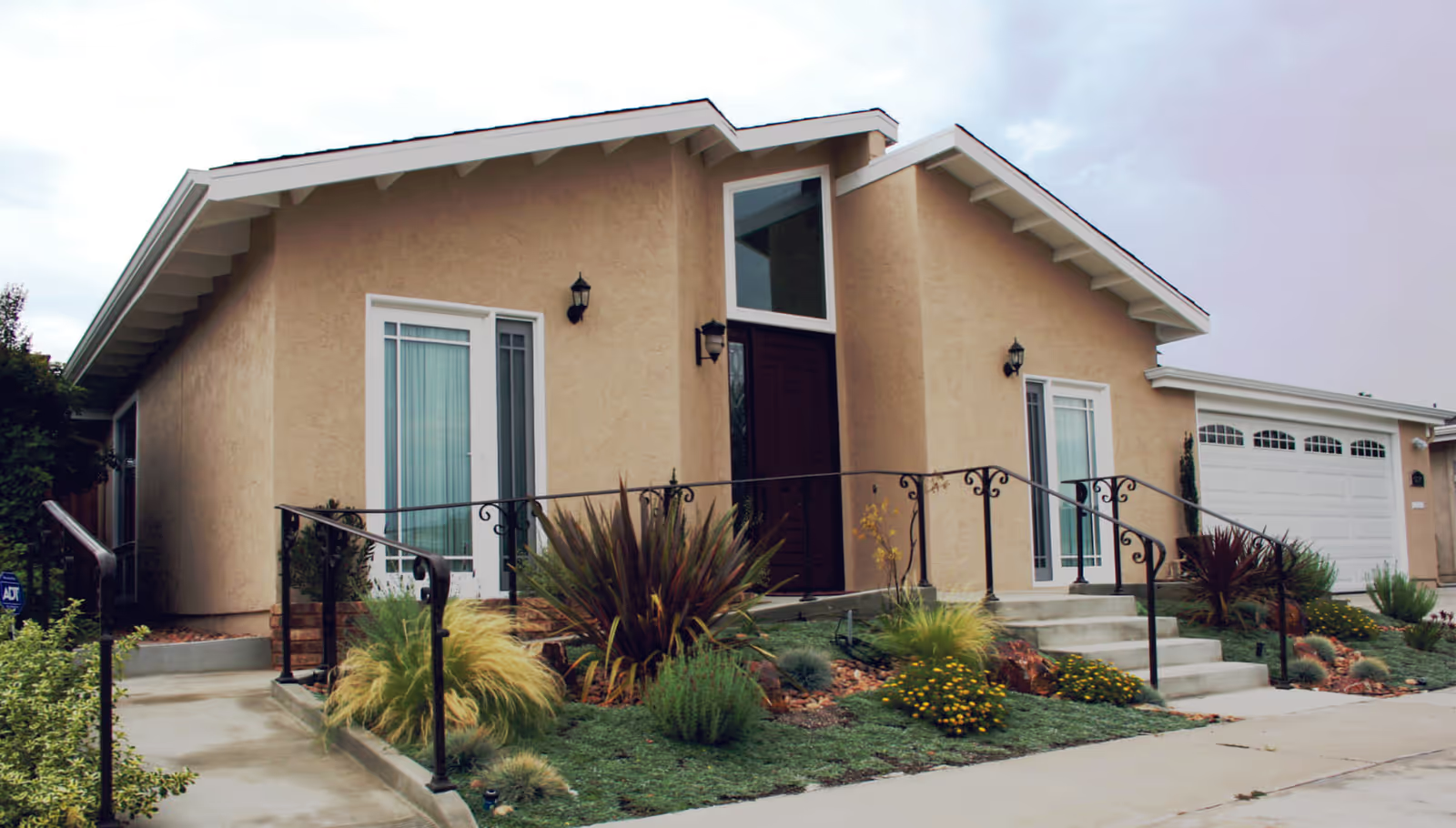
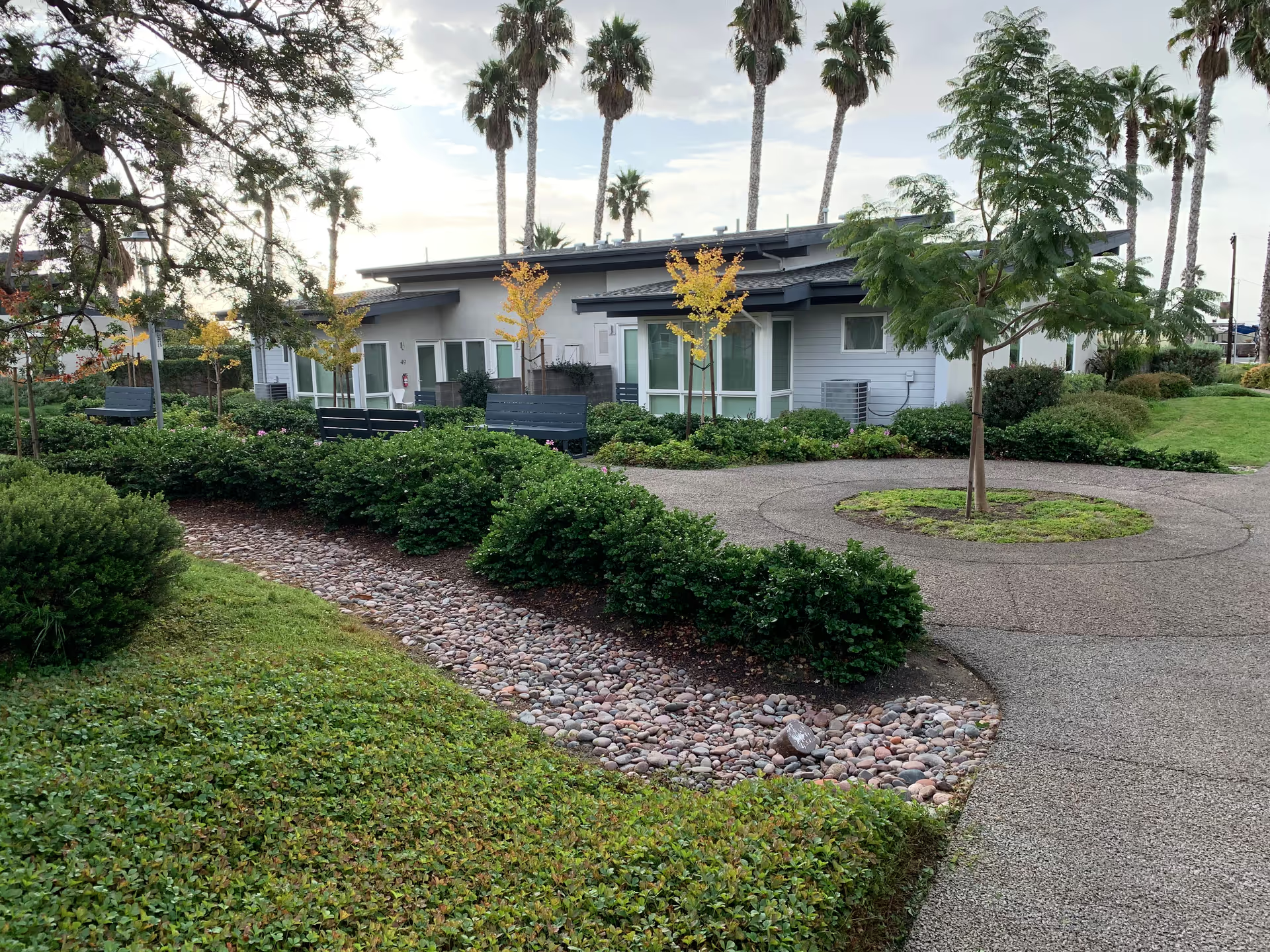
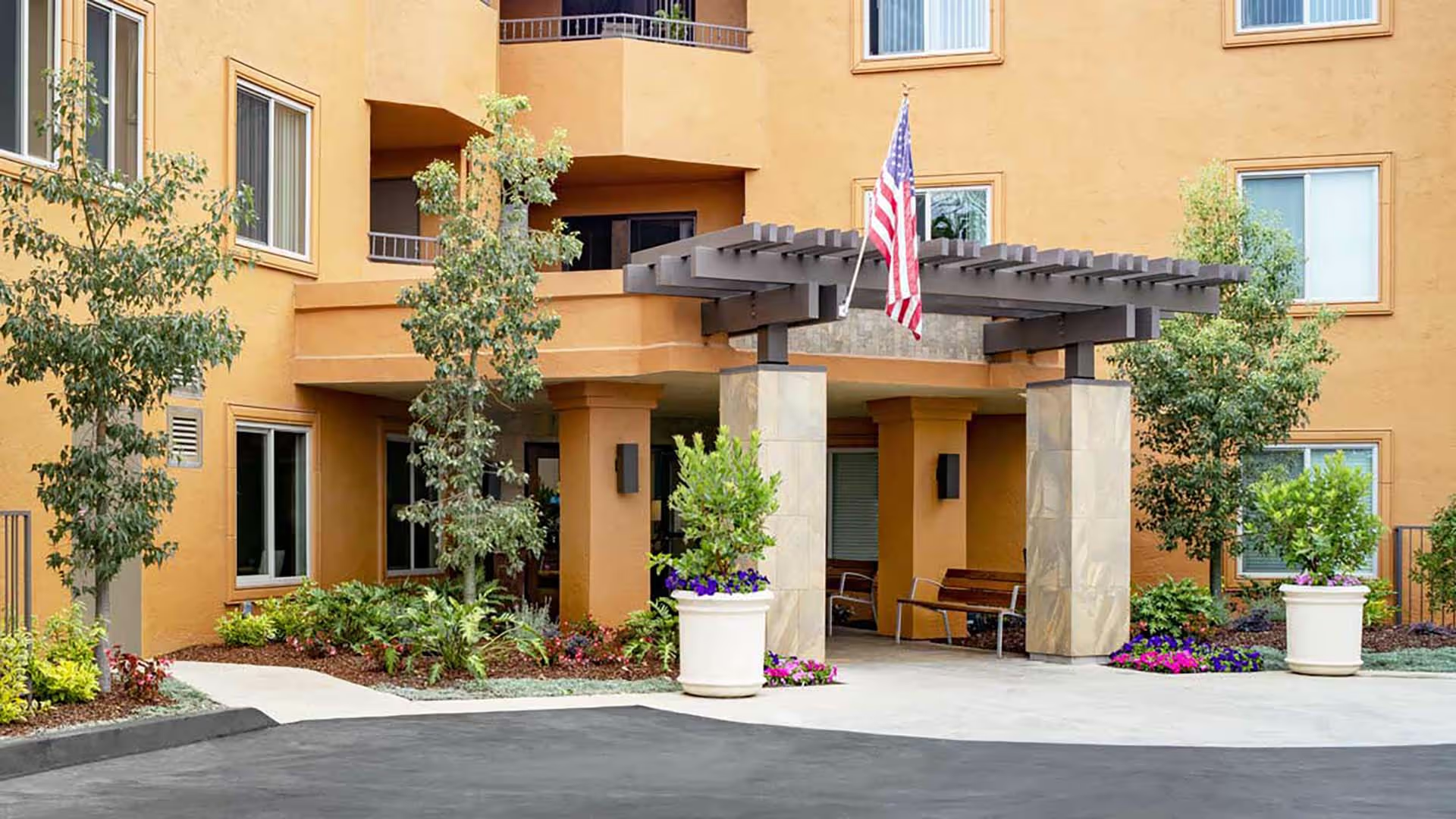
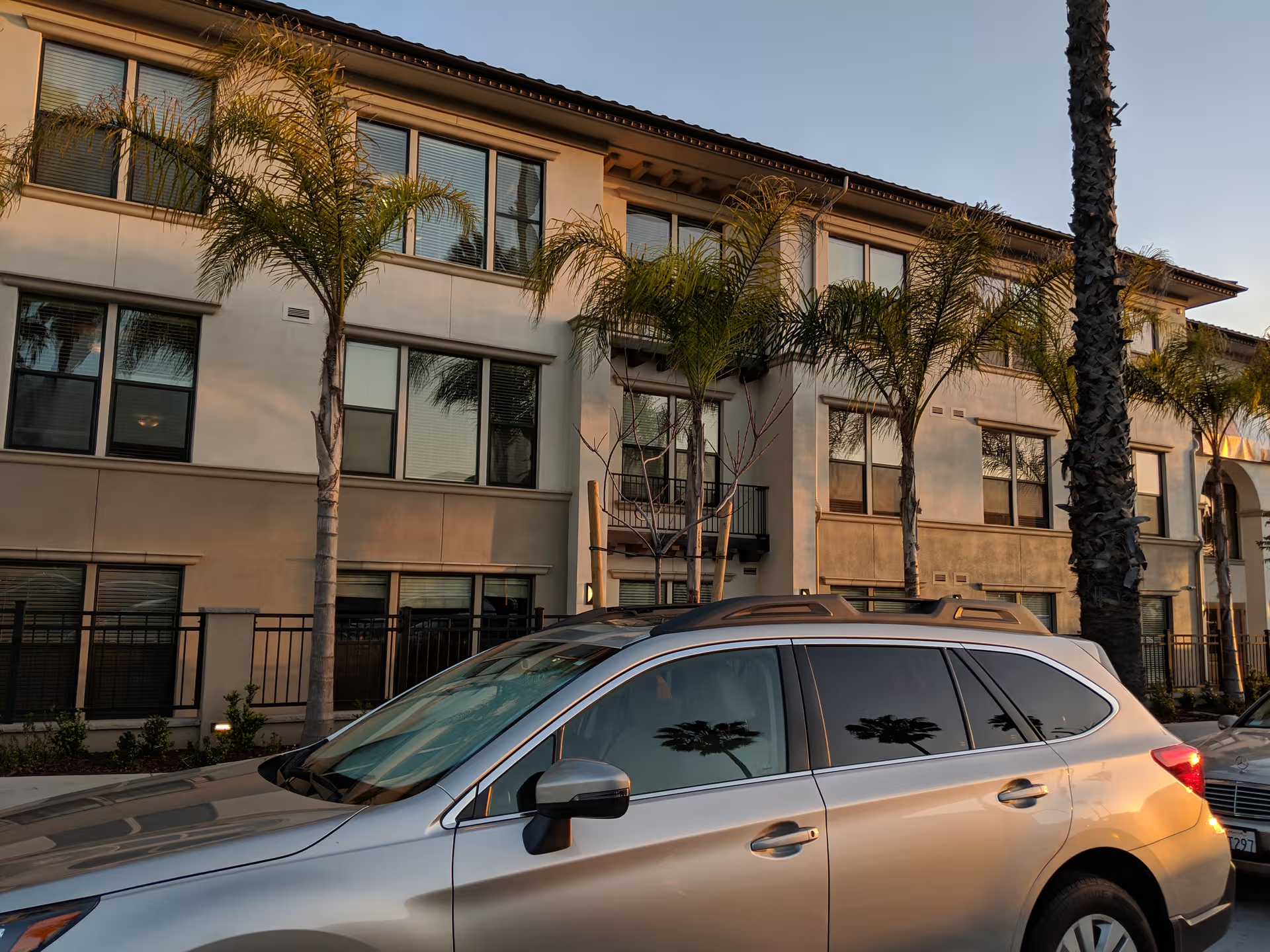
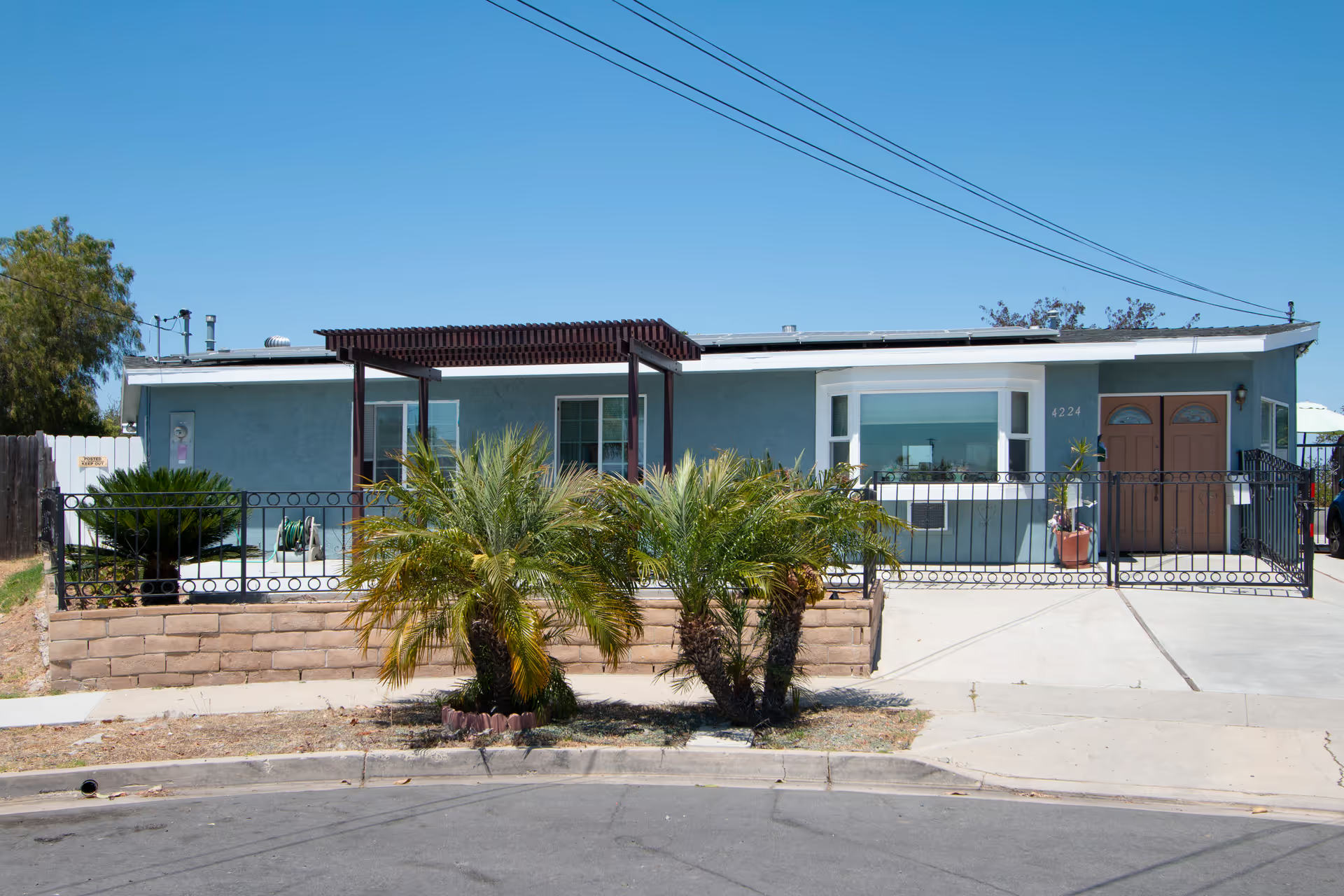
Casa de Mañana is consistently characterized by its prime oceanfront location and well-kept grounds. Reviewers emphasize the property's scenic setting, proximity to La Jolla Village and beach access, and attractive common areas such as a large dining room, library with ocean views, courtyard, and manicured gardens. The campus includes multiple building types—older, historic structures and newer villas—yielding a mix of apartment sizes and layouts from compact one-bedrooms to full kitchens and patios.
Care and staffing are frequently cited as strengths. Many reviewers describe staff as attentive, friendly and knowledgeable, with around-the-clock nursing and medical availability on site. Families and residents note compassionate interactions, proactive social support, and staff dedication to resident happiness. At the same time, there is variability in staffing patterns (notably weekend coverage) that some reviewers linked to reduced in-person programming or transactional admissions experiences.
Dining receives mixed evaluations. The community operates restaurant-style meal service with multiple options, buffets, room service and an overall resort-like dining environment. Some residents and families described the food as excellent with good variety, while others found meal appeal inconsistent or not gourmet. Dining is a central social feature—reviewers highlighted a pleasant dining room, attentive dining staff, and occasions such as themed nights—yet perceptions of consistency and value differ.
The activities program and on-site amenities are clear strengths. Casa de Mañana offers an extensive calendar that includes cultural lectures, concerts, theater outings, national park series, music and theme nights, and outdoor trips such as whale watching. On-campus amenities include a wellness center, pool and hot tub, theater, library, and on-site stores and services (dry cleaning, transportation, shops). Reviewers reported the programming helps residents stay active, social and intellectually engaged.
Facility condition and operations show a mixed picture. Common areas and landscaping are frequently described as immaculate and attractive, but unit interiors are often described as dated, small, and in need of modern updates—some units lack individual thermostats and have older appliances. Several reviewers noted maintenance gaps such as lighting and door-security issues, which suggest uneven responsiveness to building upkeep. The campus layout—multiple buildings across a street and newer structures opposite older ones—can create a nonconsolidated living experience for some residents.
Cost, management and policy considerations are prominent. The community is perceived as high-end with correspondingly high monthly fees and reported price increases; some reviewers questioned value relative to cost. Additional charges for small items and a perceived pressure to donate to an affiliated foundation were also noted as concerns. Admissions and tour experiences ranged from highly informative and personal to transactional with limited follow-up, indicating variability in customer-facing processes.
In summary, Casa de Mañana presents as an upscale, activity-rich coastal retirement community with strong social and clinical offerings and a largely praised staff. Its distinguishing strengths are the oceanfront setting, broad amenities, active programming and available higher-acuity services. Prospective residents and families should weigh these positives against elevated and increasing costs, mixed unit conditions, occasional maintenance and staffing variability, and dining consistency when assessing fit and value for their individual needs.