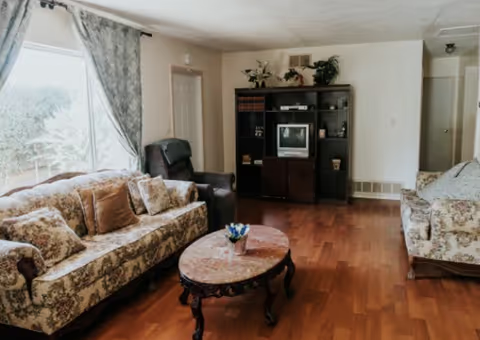
Little Flower Haven presents as a small, mission-oriented, nonprofit residence with a strong faith-based identity and long local tenure. The facility is family-owned and has been operated for more than 25 years, and governance by a religious order contributes to a predictable culture and care philosophy. That culture is reflected in repeated comments about individualized care plans and a family-style, supportive atmosphere.
Care and staffing are among the facility's strongest features. Staff are consistently described as compassionate and attentive, willing to go above and beyond routine tasks, and they cultivate a close, family-like relationship with residents. These characteristics suggest a continuity of caregivers and a resident-focused approach to daily assistance and social needs.
Dining and activities show mixed signals. The dining room and meal presentation are frequently described positively, and there appears to be an active activities program that many residents find engaging. At the same time, dining quality is inconsistent across accounts; while some describe good food and attractive presentation, others cite concerns about meal quality that have prompted consideration of relocation. Prospective residents should sample multiple meals and ask about menu rotation, special-diet handling, and quality-control practices before deciding.
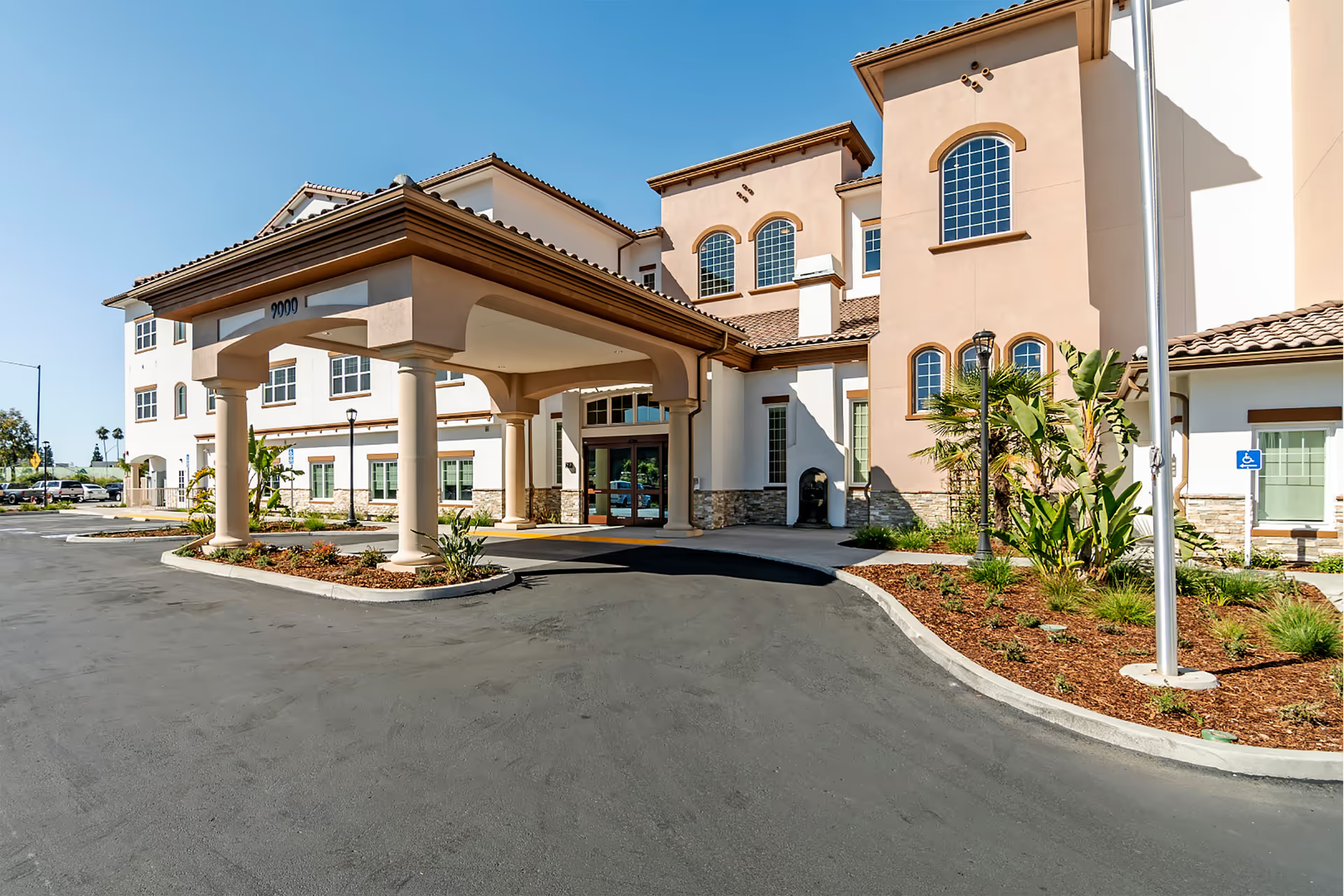
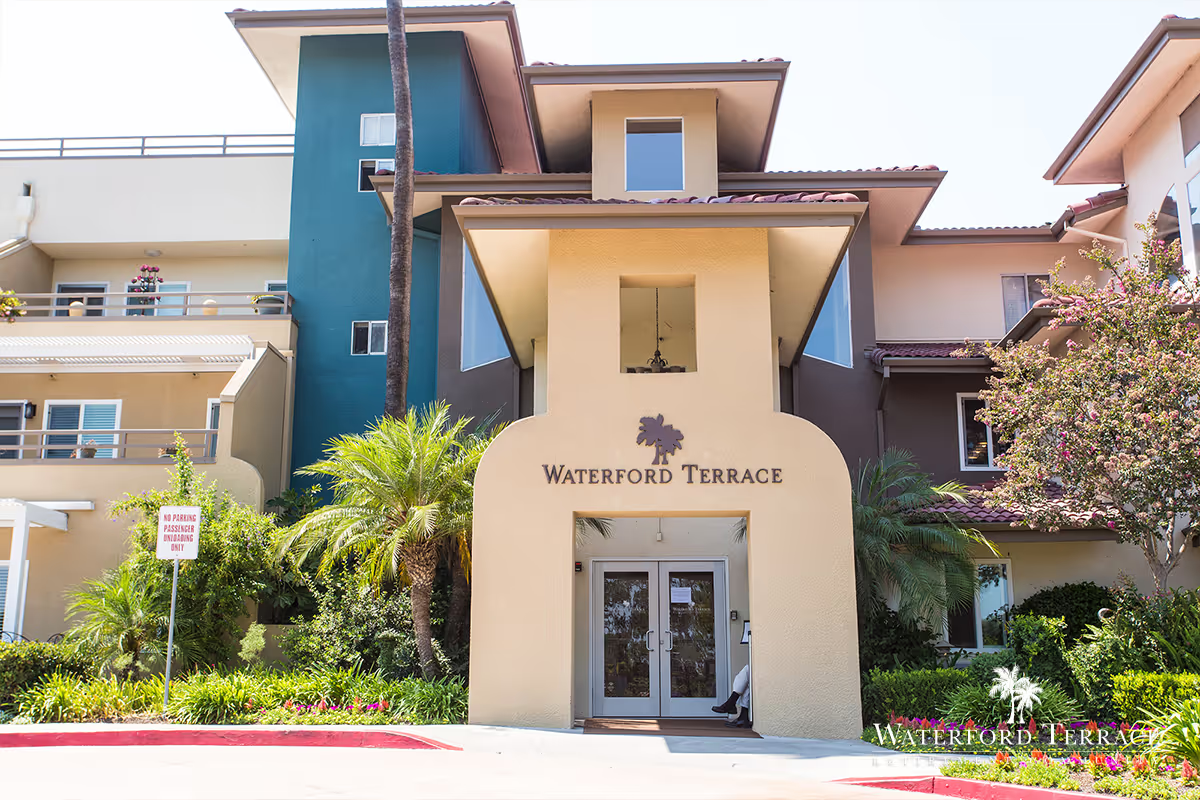
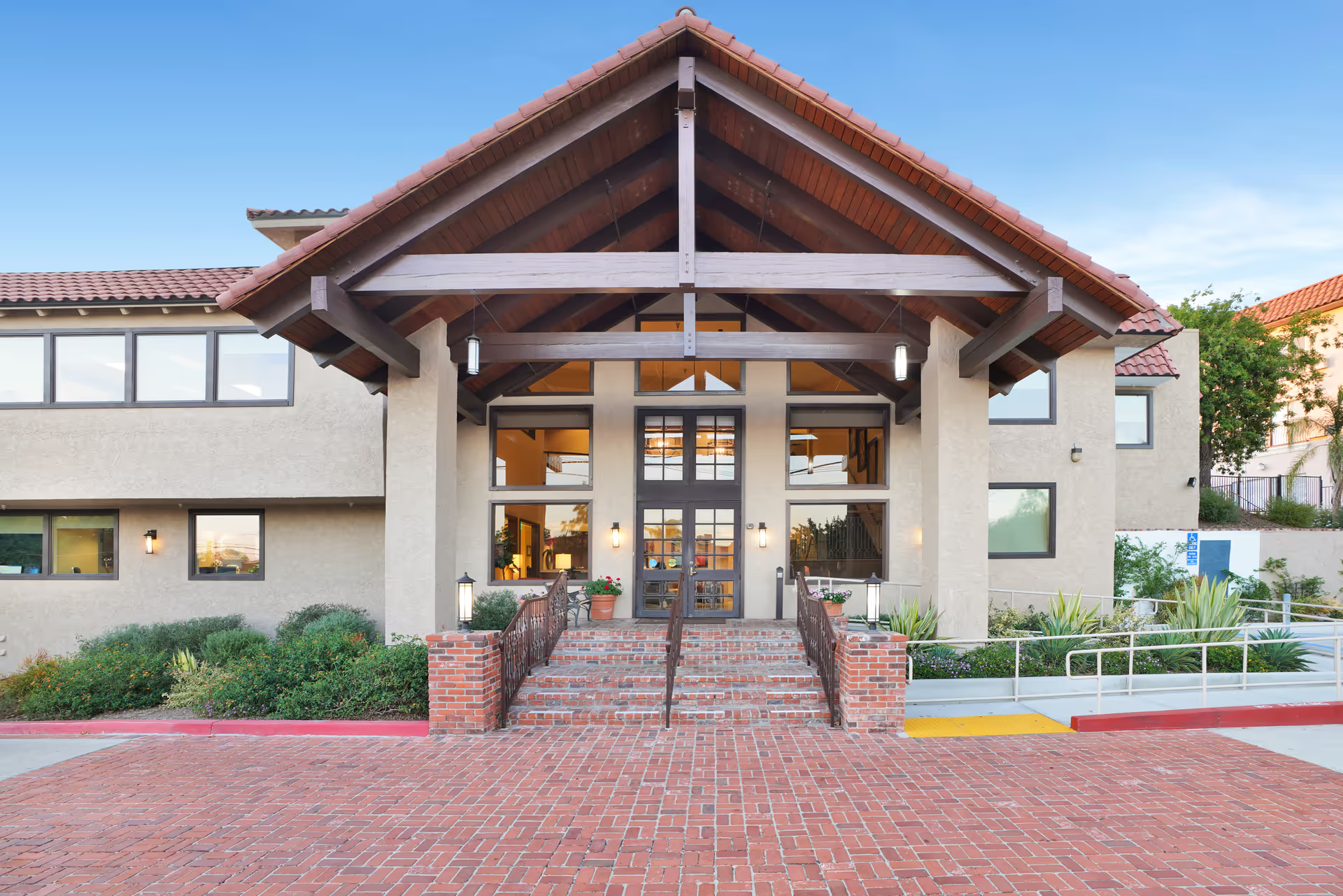
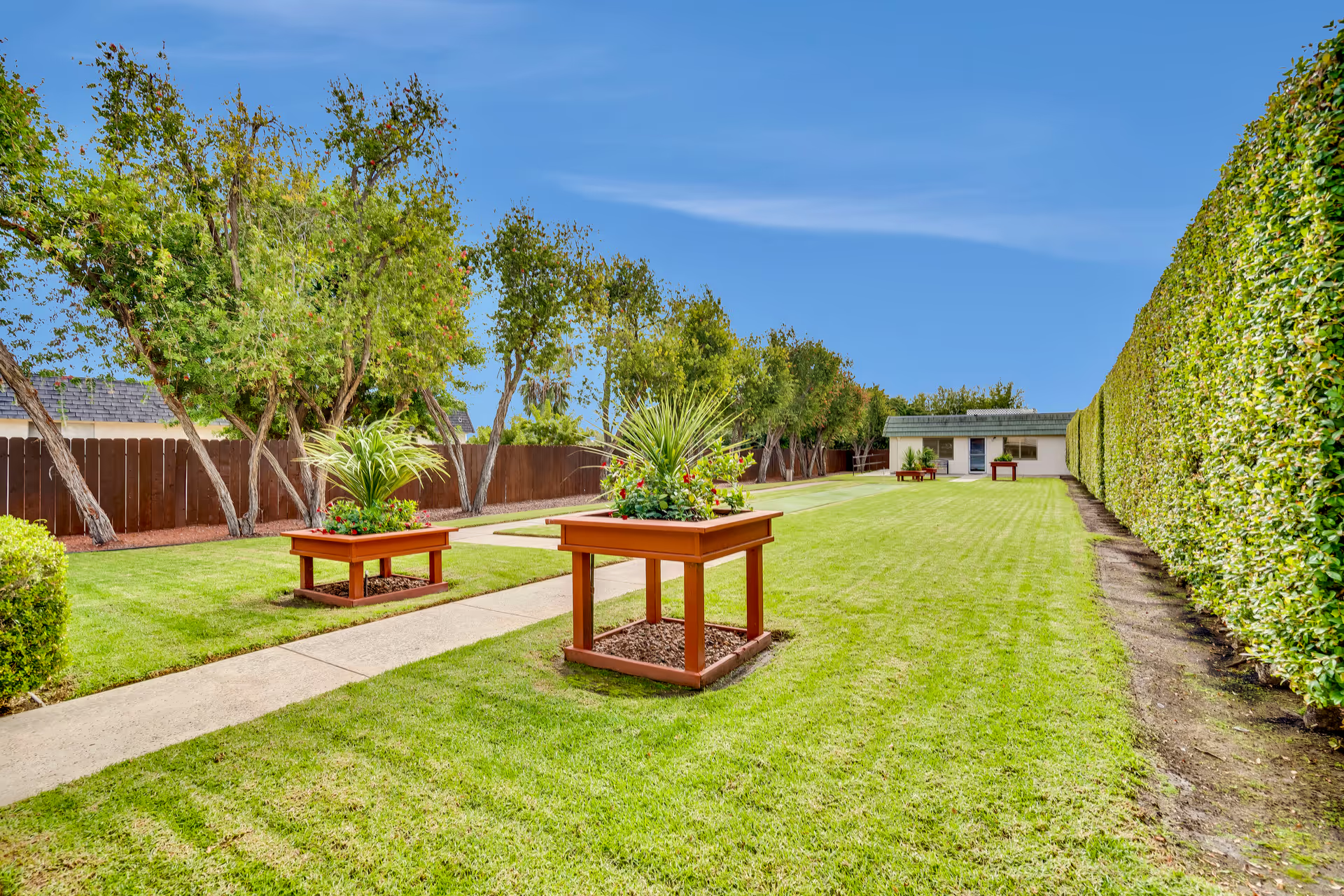
The physical plant is an important consideration. The building is older, with limited recent renovations and constrained capital resources. Common areas are generally clean and the dining room is pleasant, but rooms are small with limited storage. Housekeeping services appear basic; certain ancillary services (for example, ironing and specific bed-making practices) may not be provided to the level some families expect. Accessibility is another operational limitation: movement for residents using mobility aids is constrained in parts of the facility, and some building layouts limit where walkers and similar devices can be used freely.
Management and finances influence the resident experience. As a nonprofit with faith-based oversight and long-term family ownership, Little Flower Haven emphasizes mission-driven care and affordability. That model supports compassionate staffing and reasonable pricing but also appears to limit capital investment in facility upgrades and expanded services. The result is a trade-off between personalized, attentive care and an older, more austere environment with operational constraints.
Recommendation: Prospective residents and families should weigh the facility's strong interpersonal care culture and affordability against the physical limitations and variability in dining and housekeeping services. A visit that includes meeting caregiving staff, sampling meals, inspecting a prospective resident room (with any intended furniture), and discussing mobility needs and housekeeping expectations will help determine fit.