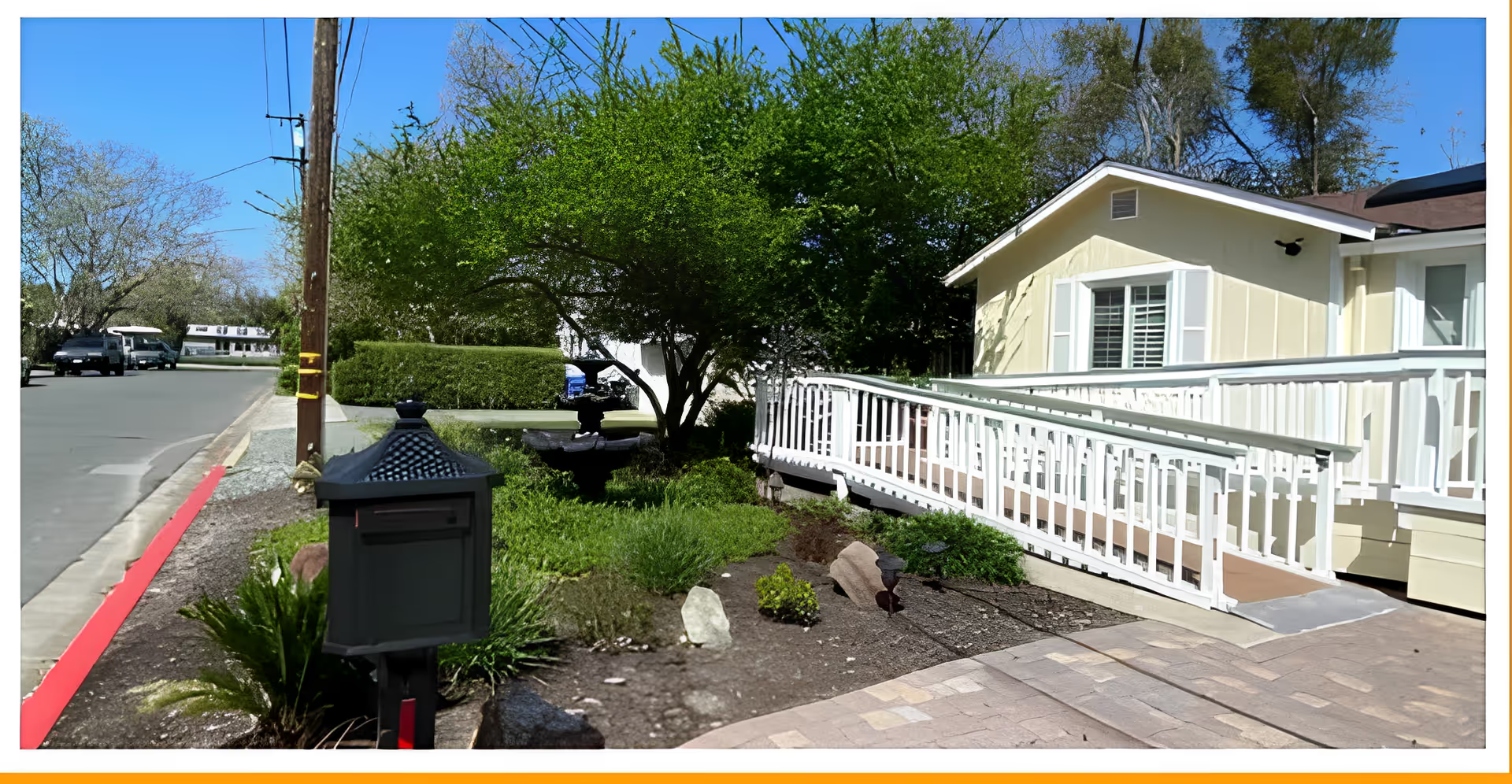
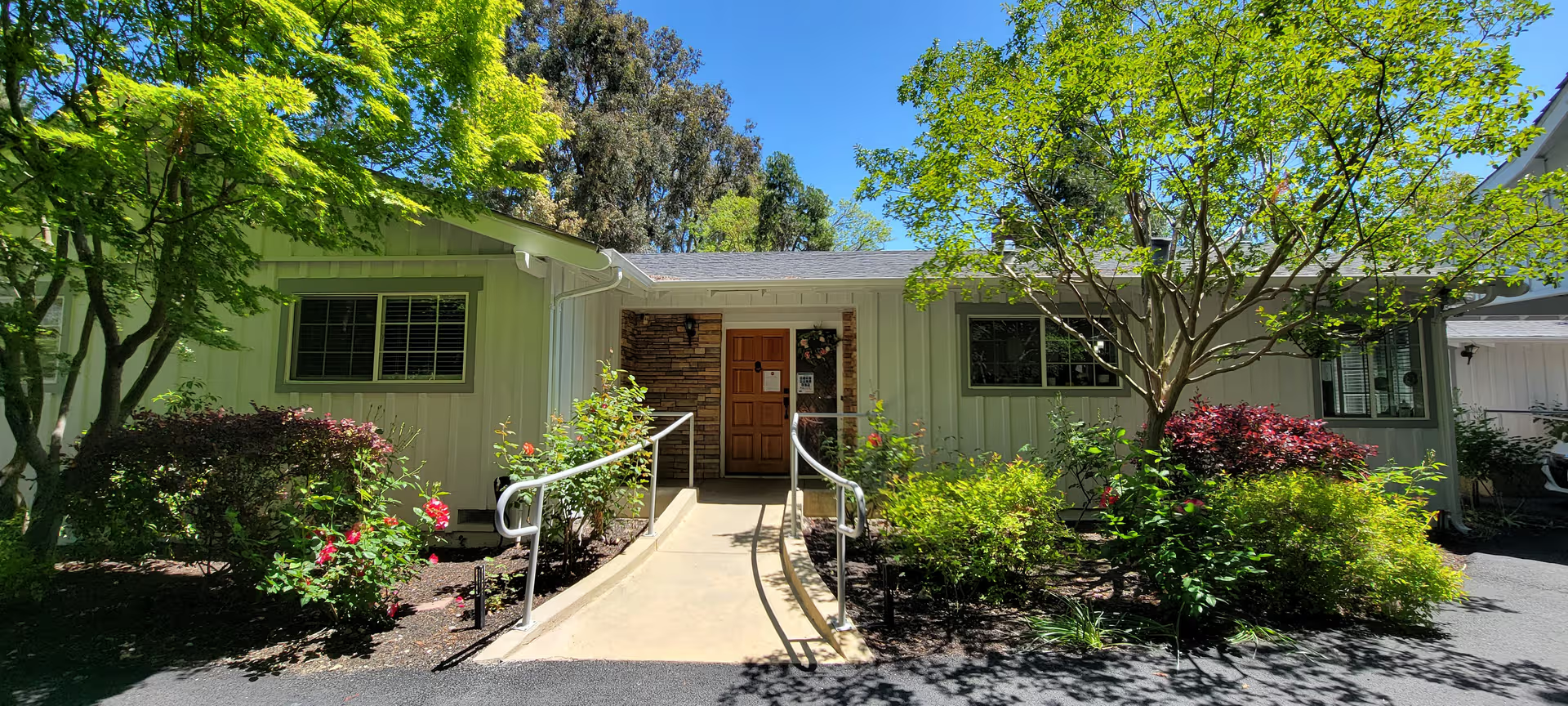
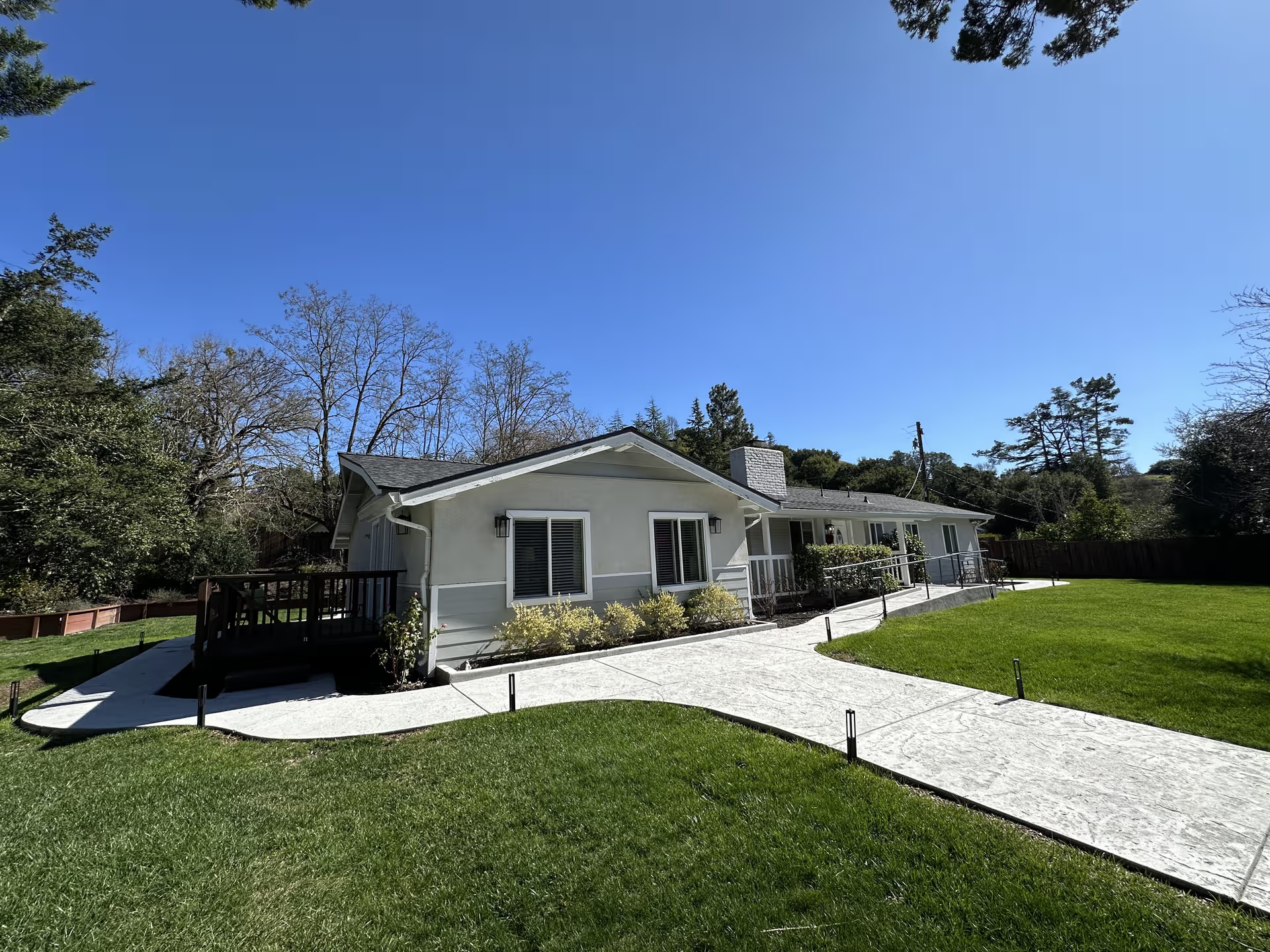
Hidden Valley Care Home presents as a small, residential-style facility that many families find welcoming and personal. The home’s size (seven beds) and staffing model support a home-like environment and frequent direct interaction between caregivers and residents. Reviewers consistently describe respectful, person-centered care and attentive nursing presence; these elements appear to be core strengths that contribute to observed resident progress and generally positive short-stay experiences.
Care and staff: Care quality is characterized as compassionate and attentive, with caregivers described as responsive and respectful. The facility’s small scale enables frequent, individualized contact with staff, and reviewers specifically noted supportive hospice and end-of-life interactions. Nursing attention is highlighted as a positive factor, particularly for residents with higher acuity or mobility limitations.
Dining: Dining impressions are mixed. Several reviewers praised the food—describing certain meals and entrees as high quality and flavorful—while others noted that meal quality can be uneven. This suggests variability in daily meal execution or menu consistency rather than a uniformly high or low standard.
Activities: The facility provides activities and occasionally arranges external programming to engage residents. However, some reviewers noted limited visibility or consistency in on-site activity offerings, which may reflect the trade-offs of a very small household setting where formal activity staffing is less robust than in larger communities.
Facilities: Physical accommodations are generally described positively. Rooms are noted as spacious and wheelchair-accessible, with large windows and access to outdoor spaces such as a deck and backyard. The environment supports family visits and pet visitation, which families valued for social and emotional continuity.
Management and administration: A recurrent operational theme involves administrative processes and managerial presence. Reviewers referenced billing delays and limited visible management involvement, indicating potential gaps in administrative follow-through and oversight. These appear to be organizational issues rather than direct care deficiencies, but they can affect family experience and trust.
Overall patterns: The overall impression is of a small, lower-cost home that emphasizes individualized, compassionate caregiving and a family-friendly atmosphere. Strengths center on staff–resident relationships, physical accessibility, and occasional high-quality meals and activities. Areas for improvement include standardizing meal quality, increasing the consistency and visibility of activity programming, and strengthening administrative and managerial communication and follow-through to reduce billing and oversight gaps. Prospective families should weigh the benefits of close personal attention and home-like amenities against the potential for variability in services typical of a small residential setting.