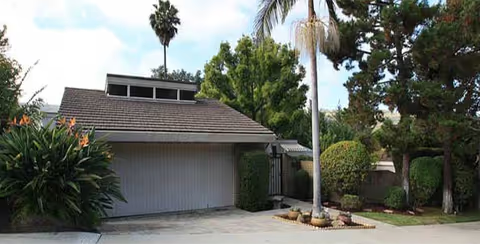
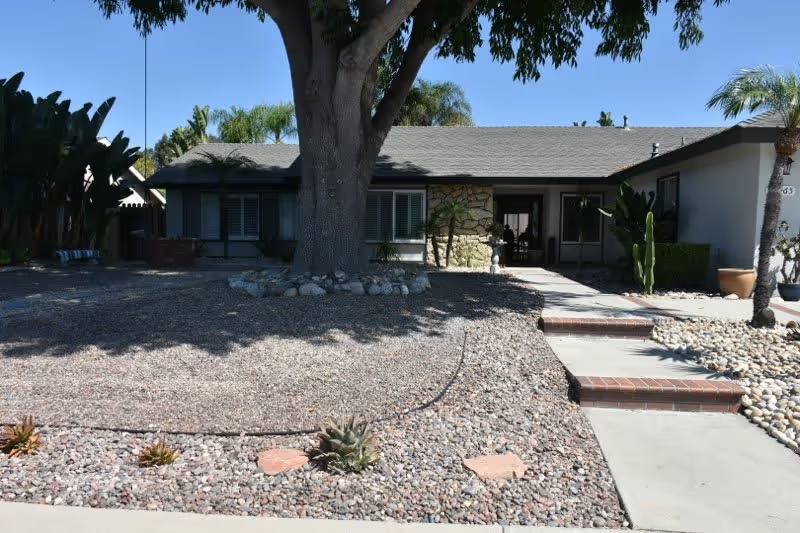
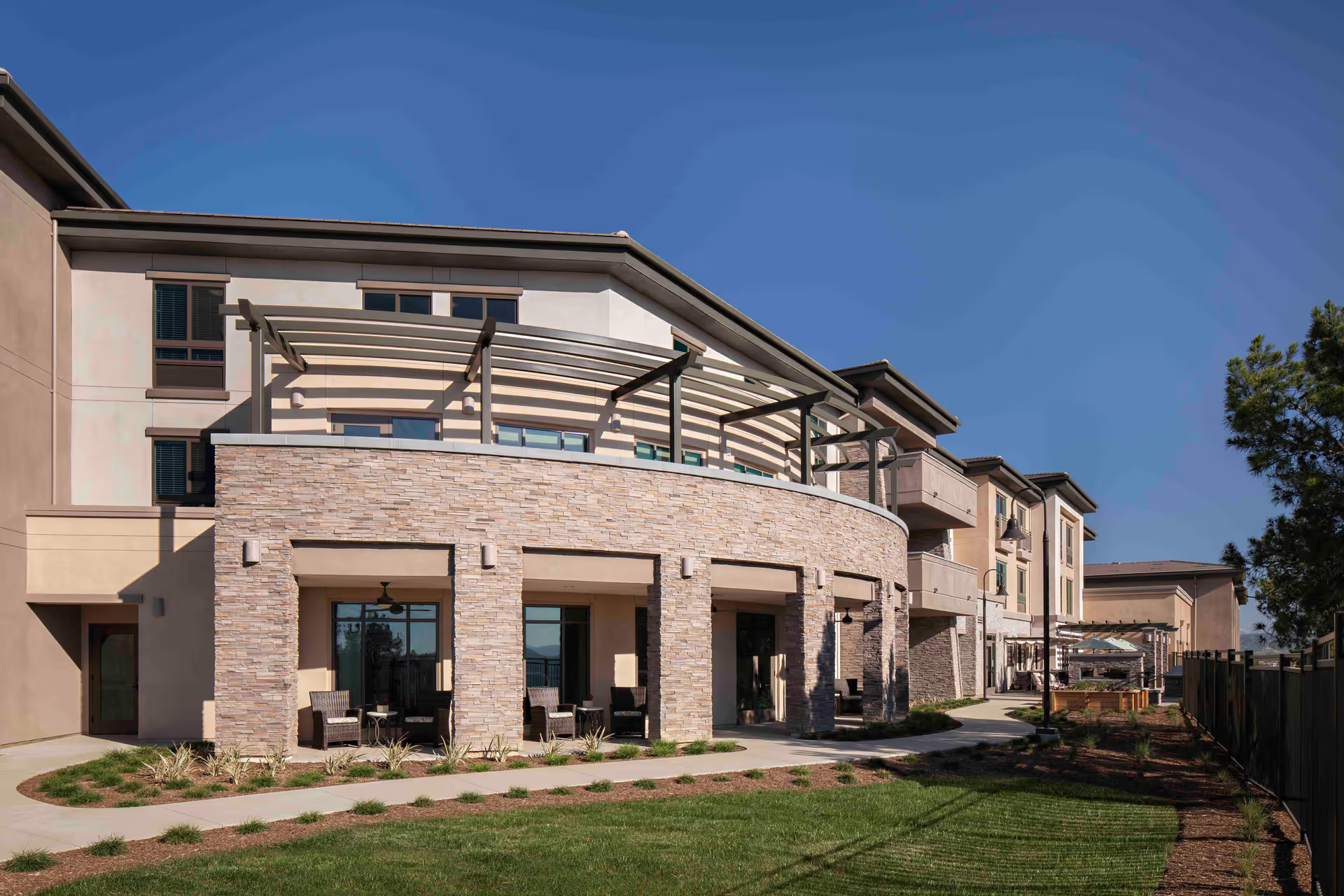
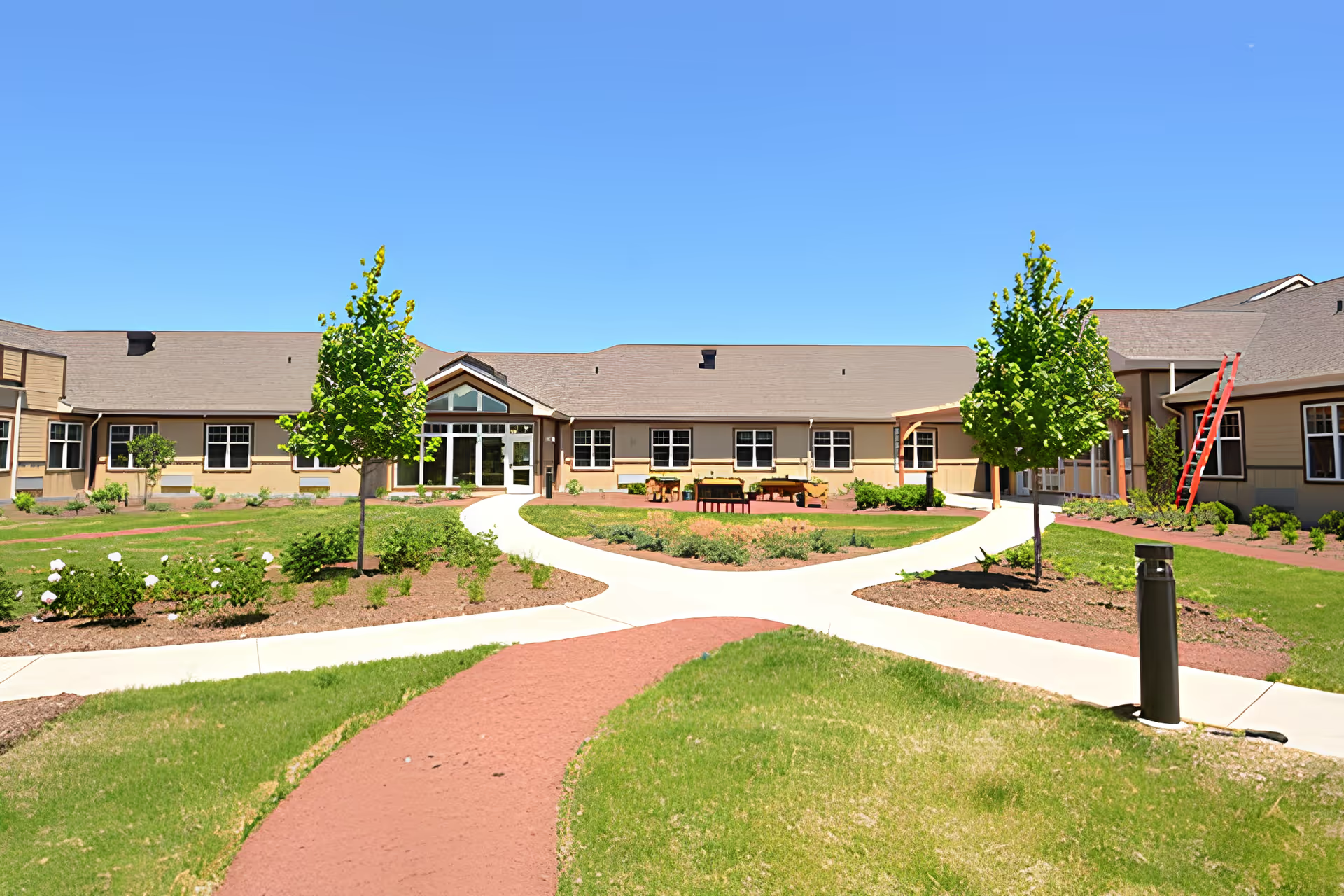
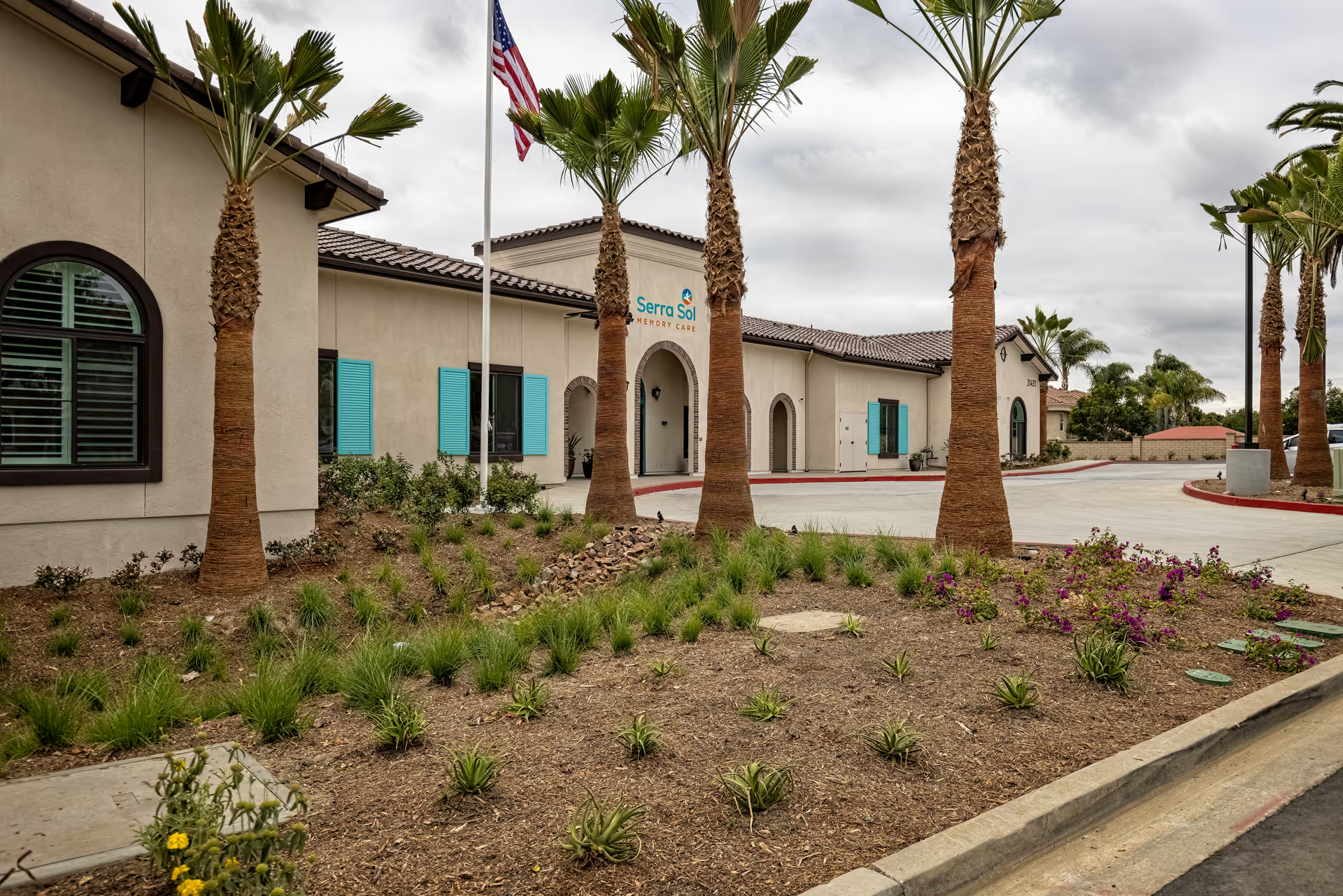
Overall sentiment in these review summaries is mixed but leans positive for day-to-day assisted living services and the environment. Multiple reviewers emphasize a small, intimate, home-like setting with one-on-one personal care and attentive staff. The facility is described as very clean with a restaurant-like dining environment; reviewers specifically note that meals are nourishing and that residents (one reviewer specifically mentioned a father) are fed well. Additional positive details repeated across summaries include proactive communication from management (director calls and issue alerts), quick responsiveness from staff, a safe neighborhood location, and a spacious backyard. Reviewers also mentioned that the facility handled COVID-related circumstances proactively.
Care quality shows a clear bifurcation in the reviews. On routine, everyday care the facility is praised: staff are described as caring and attentive, and the personal, one-on-one approach appears to support residents’ daily needs and dining. However, a very serious negative theme appears in one summary concerning end-of-life care and clinical management. That reviewer reported being misled about the level of care available, ineffective pain management, and that a nurse was not present until the morning of the resident's death. The account indicates the patient experienced significant pain and that the family felt end-of-life care was inadequate. This is a substantial and alarming concern that contrasts sharply with the otherwise positive descriptions of daily care.
Staff and management receive generally favorable comments for communication and proactivity. Several summaries highlight prompt outreach and that the director personally follows up when issues arise. This suggests a management style that monitors and reports problems to families, and the staff are repeatedly described as attentive. These positive impressions around responsiveness and communication are among the facility’s strongest themes.
Facility, dining, and environment are consistently praised. Reported strengths include a clean, home-like atmosphere, a restaurant-style dining setup, and meals that appear to be both palatable and nourishing. The outdoor space and neighborhood safety are other commonly cited positives, which contribute to an impression of a comfortable, pleasant setting for assisted living residents.
Notable patterns and caveats: most comments reflect satisfaction with routine assisted living services, cleanliness, staffing attentiveness, and dining. However, there is at least one serious, specific report of inadequate clinical care at the end of life, including poor pain control and lack of nursing presence during a critical period. That report also alleges being misled about the facility’s level of care, implying possible discrepancies between what families were told versus the clinical support actually available. Taken together, these summaries suggest that while Sunrise Garden Assisted Living performs well in creating a clean, home-like environment with personal attention and good communication, there may be limitations or inconsistencies in clinical capabilities or staffing for high-acuity needs, particularly around end-of-life situations.
For prospective residents and families, the reviews point to clear strengths to expect (personalized daily care, cleanliness, good dining, proactive management) but also signal the importance of verifying clinical and end-of-life care policies. Specific items to confirm with the facility would include the precise level of care they contractually provide, nurse staffing patterns (including night coverage), pain management protocols, and how the facility handles hospice or higher-acuity needs. The mixed feedback means families can reasonably expect strong daily support and communication, but should directly address and document expectations around medical coverage and end-of-life care before admission.