The set of reviews for Trabuco Hills Post-Acute describes a facility with highly mixed performance across clinical care, staffing, amenities, and management. Many accounts highlight strong rehabilitative services: robust PT/OT programs, well-equipped therapy spaces, and a rehab-focused culture that produced measurable functional gains for some residents. Multiple families praised attentive, compassionate CNAs and nurses, clear therapy updates, supportive social-work engagement, and an overall calm environment with outdoor garden areas. Several reviews specifically noted effective collaboration with hospice when needed and reliable 24/7 RN coverage.
At the same time, there are recurring operational concerns that prospective families should consider. Staffing consistency and response times are frequent issues — delayed call-light responses, slow bathroom assistance, and staff shortages were commonly described. Linked to staffing, reviewers reported variable clinical competency and training among nursing staff, inconsistent medication administration and tracking processes, and gaps in physician availability or on-call coverage. These patterns contributed to family concerns about wound prevention and monitoring, delayed or inconsistent vital-sign checks, and uneven documentation of care plans.
Dining and activities show a split profile. Several reviewers praised large meal portions, tasteful catering on special occasions, and an active activities program (games, music, outings, hairdresser by appointment, ice cream Fridays). Conversely, other reports described repetitive menus, high-sugar beverage options, meal removals before completion, substitutions that did not match dietary requests, and occasional dissatisfaction with food temperature and variety. Activity offerings appear present and visible, but pandemic-related restrictions and staffing limits were cited as reasons some residents engaged less than desired.
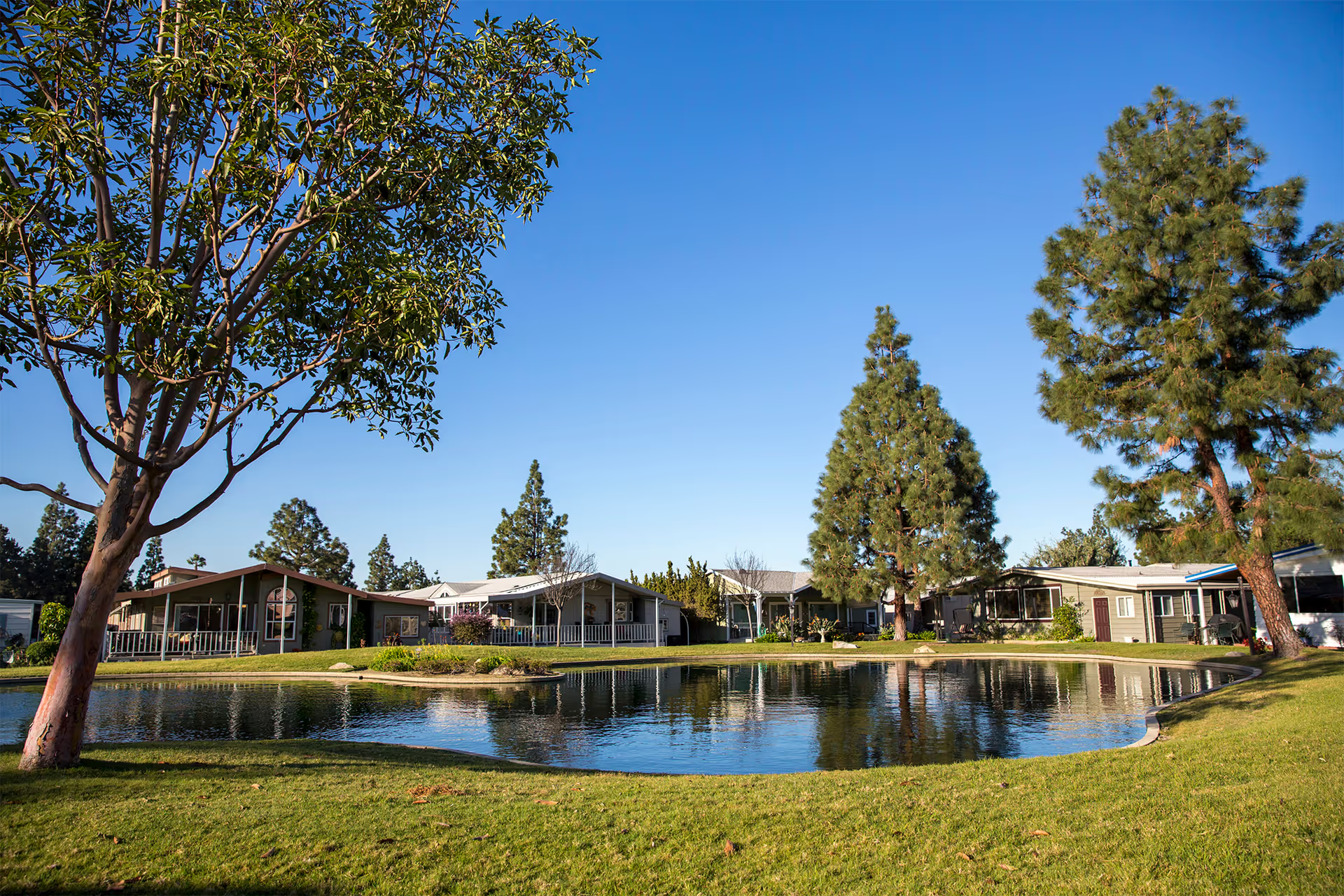
Facility condition and management impressions are similarly mixed. Many families described clean, quiet units with good air quality and comfortable common areas. Others identified areas in need of renovation — aging flooring and finishes, intermittent sanitation concerns, inconsistent laundry/linen handling, and isolated pest-control concerns. Administrative responsiveness also varied: some reviewers praised clear communication, timely progress reports, and supportive leadership; others described poor follow-up, confusing paperwork handling in emergencies, and perceived weak advocacy on behalf of residents.
Notable patterns include the coexistence of strong rehabilitative and compassionate caregiving reported by many, alongside operational vulnerabilities tied to staffing, clinical oversight, documentation, and infection-control practices. A small number of reviews included serious allegations and concerns following a resident's death or severe clinical outcomes; these are outlier but significant and emphasize the need for due diligence. Prospective families should ask targeted questions during tours and admissions: staffing ratios and training protocols, on-call physician coverage, pressure-injury prevention measures and wound-care documentation, medication-administration and laundry procedures, weekend therapy availability, and the facility's pest-control and sanitation logs. Verifying these operational details and requesting current care plans, staffing schedules, and recent inspection reports can help determine whether the facility's strengths align with an individual resident's clinical needs.