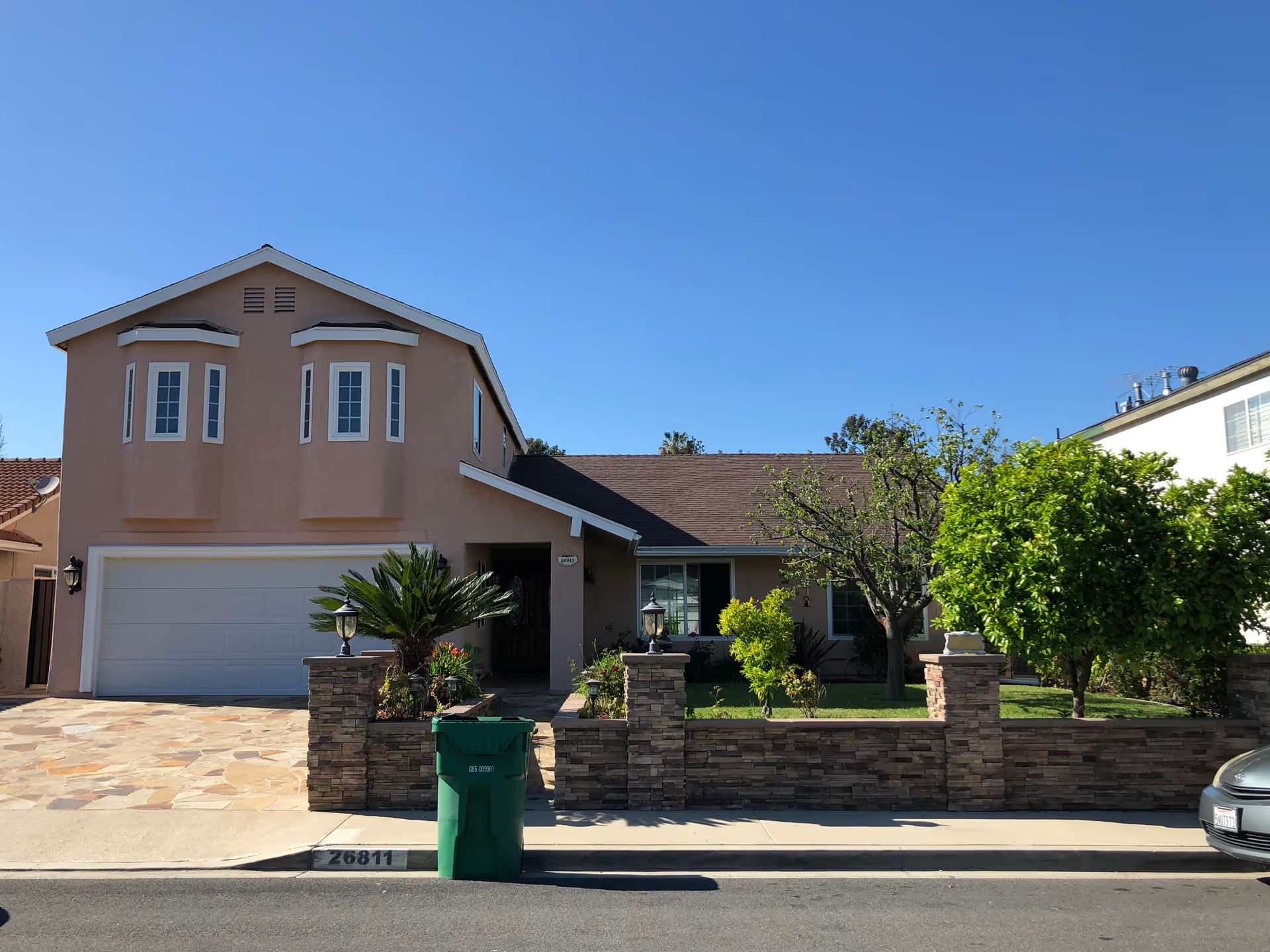
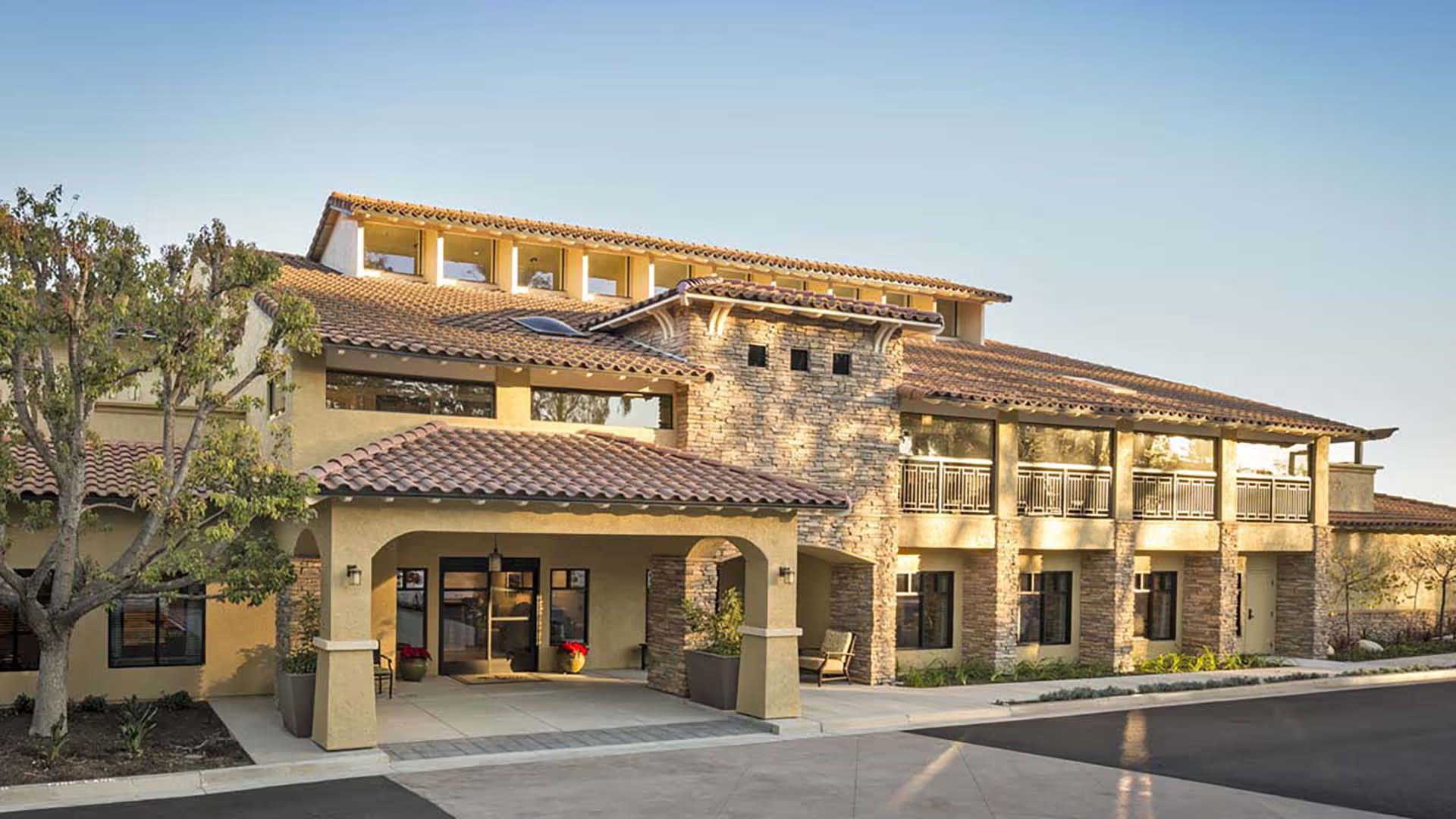
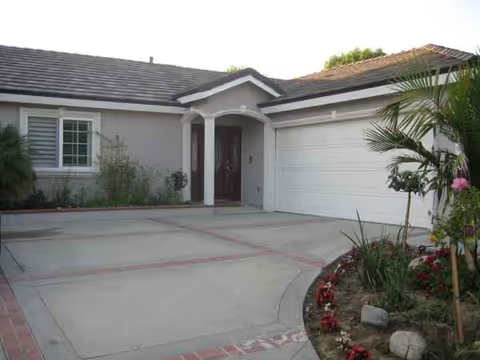
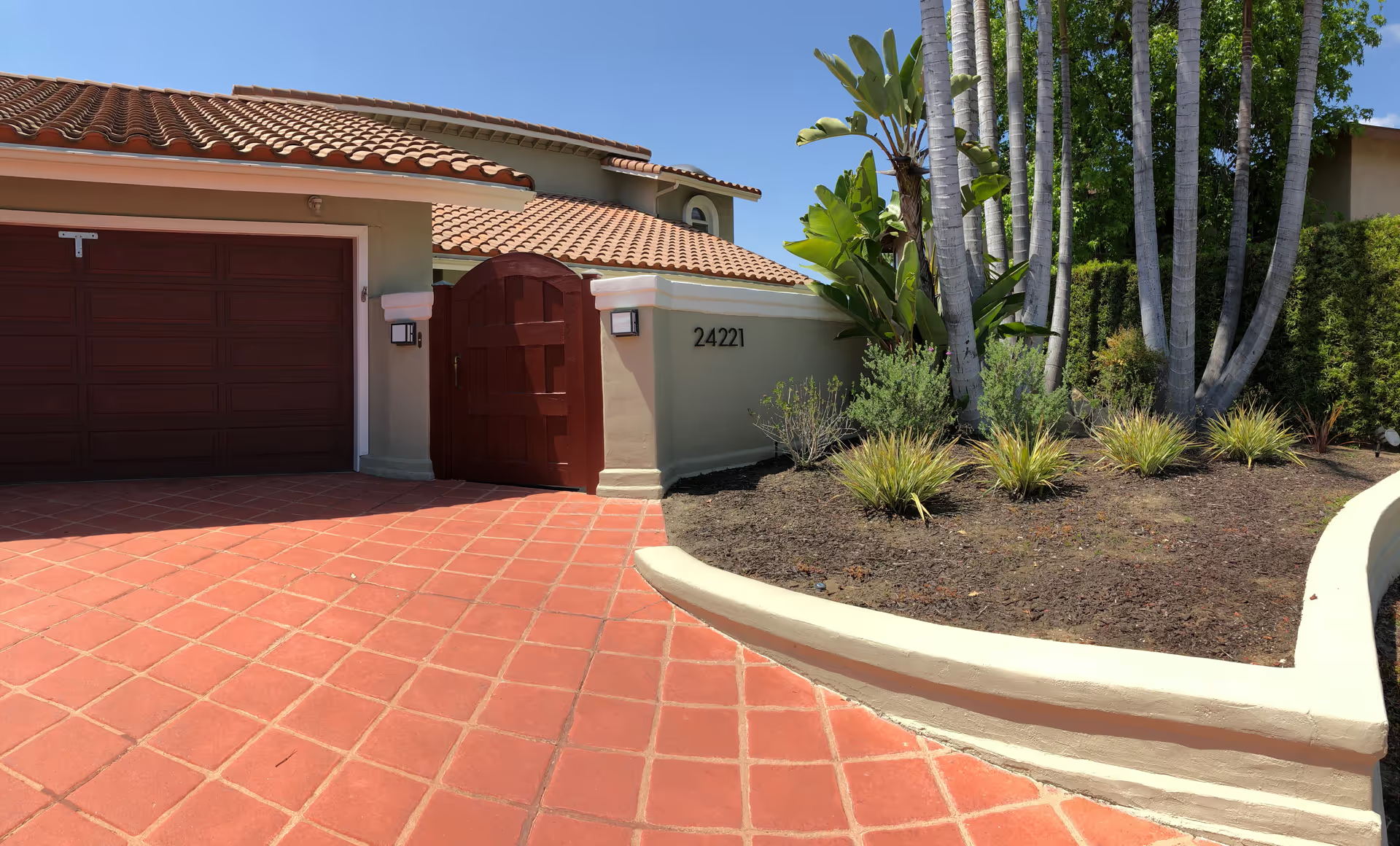
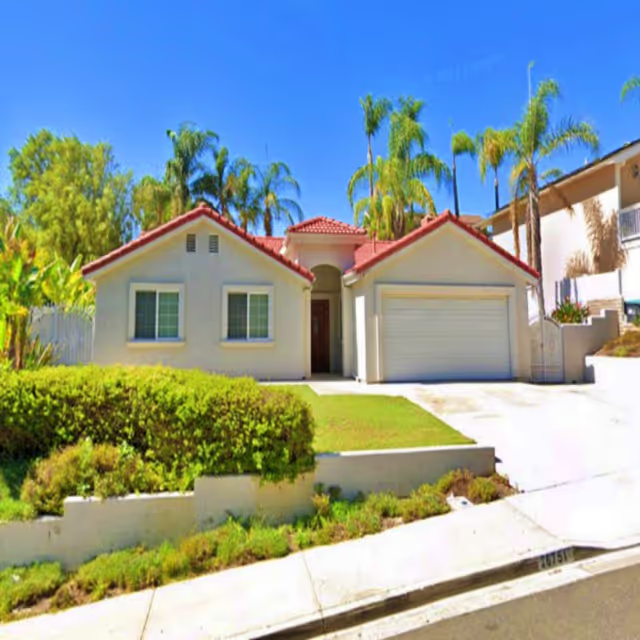
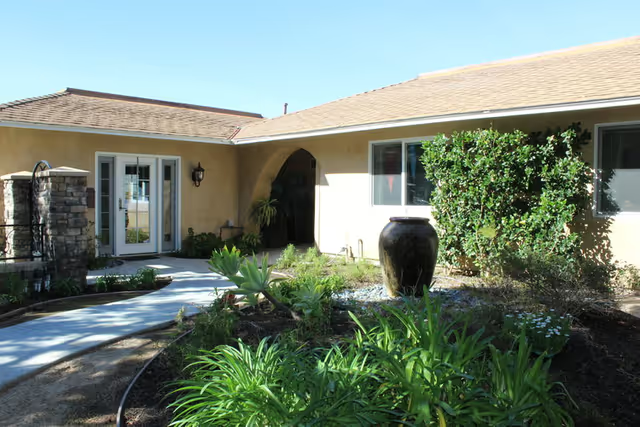
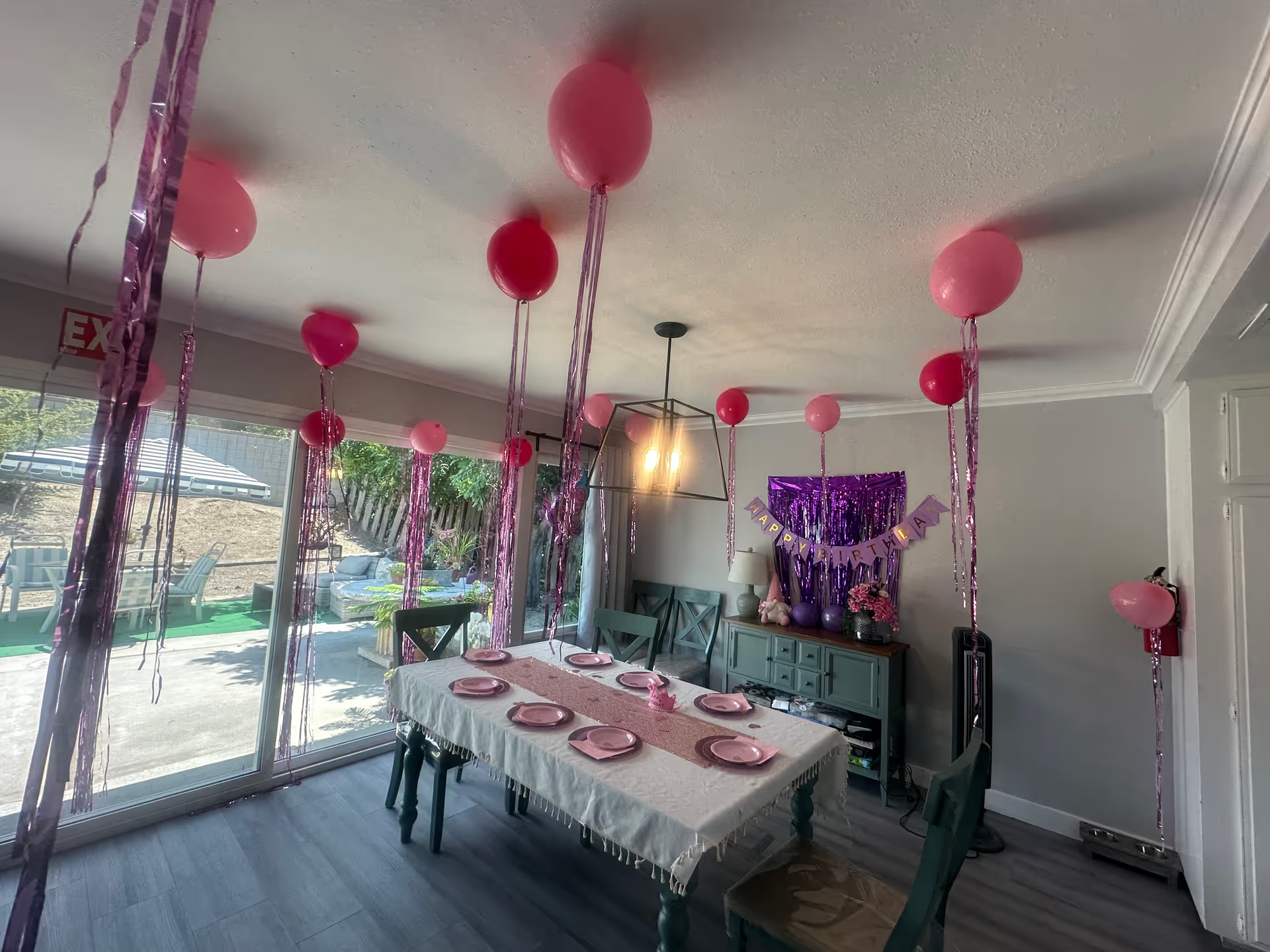
Active Senior Home Care is described consistently as a small, home-like assisted living environment with a strong emphasis on personalized, family-style care. Families highlight a clean, well-maintained interior and mostly private rooms with en-suite bathrooms, creating a residential rather than institutional feel. Reviewers emphasize that the setting is cheerful and social; residents are described as alert, engaged, and comfortable in the environment.
Care quality and staff conduct are central strengths in the reviews. Caregivers and management are characterized as attentive, compassionate, and skilled at delivering individualized attention. The owner/manager is frequently noted as hands-on and responsive to family requests, and staff are described as going "above and beyond" with one-on-one support. Several accounts describe smooth transitions for new residents and a perception of safety and security that provides families with peace of mind.
Dining and activities receive positive mention. The facility offers home-cooked meals with flexibility to accommodate special requests, and family members report that food quality and menu adaptability are strengths. Programming emphasizes low‑key, engaging activities: music and opera videos, hair styling, volunteer visits, and opportunities for social interaction that contribute to a lively, homey atmosphere.
Facilities are small but clean and orderly. Outdoor seating areas such as a porch and backyard space are available for residents. Maintenance and sanitation are reported as high priorities; reviewers use terms like "spotless" and "well-maintained." However, the small-house model also introduces operational limits: communal space is limited, and the facility’s layout can constrain larger-group activities or expansive common areas.
Notable operational patterns and considerations for prospective families: review descriptions vary regarding clinical and overnight staffing. Multiple statements indicate limited on-site nursing and absence of dedicated nighttime clinical personnel, with a bell system for overnight assistance; other descriptions reference 24-hour care. Because of this variability, families should confirm the facility’s staffing model, clinical coverage, and response protocols for night-time needs before placement. Language access is another practical consideration—Spanish-speaking staff appear limited—so families with limited English proficiency should inquire about language support. Overall, the prevailing sentiment is highly favorable: reviewers recommend the facility for families seeking a small, attentive, home-like assisted living option, while advising prospective residents to verify clinical coverage and communal-space suitability for their specific needs.