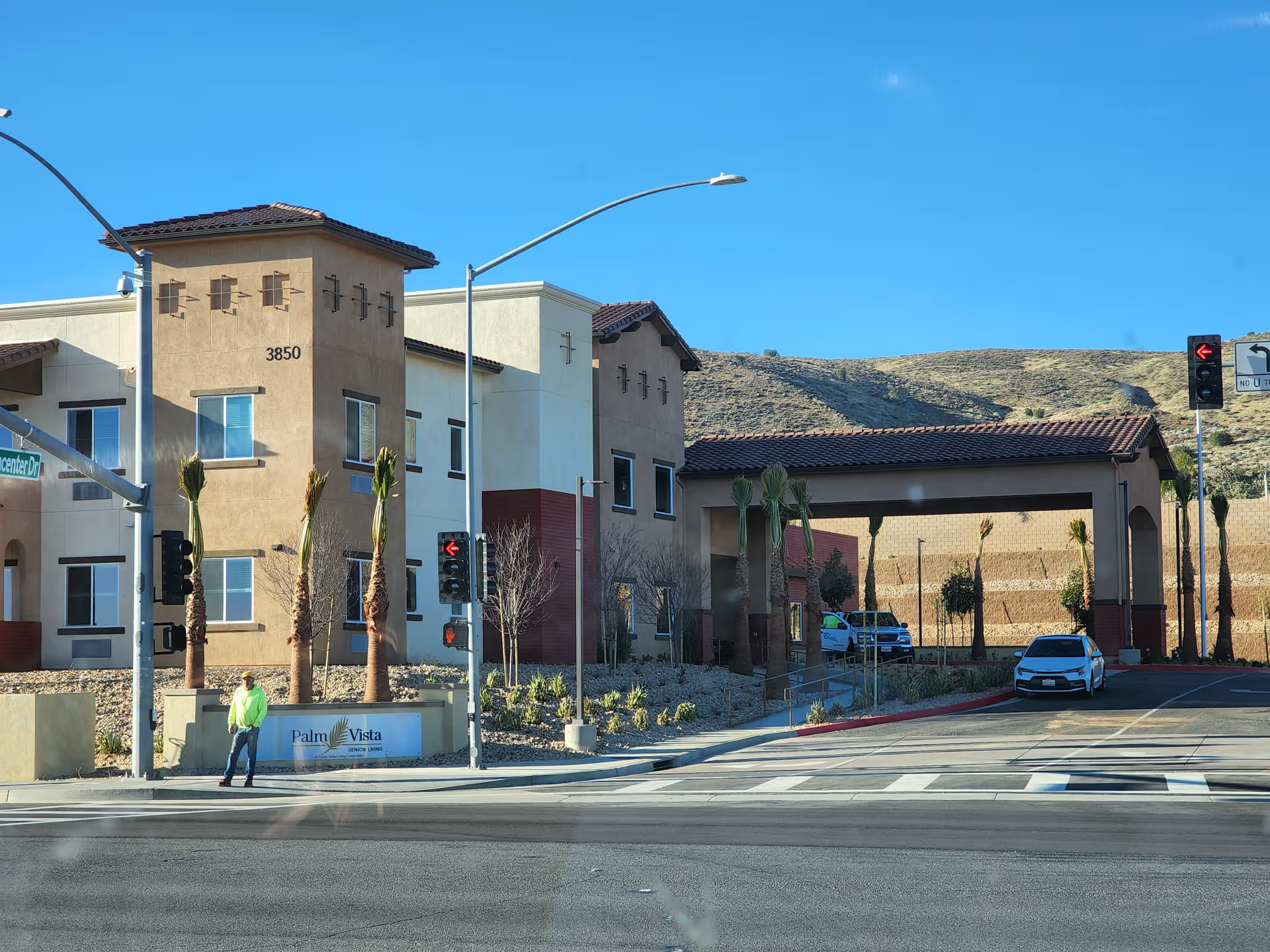
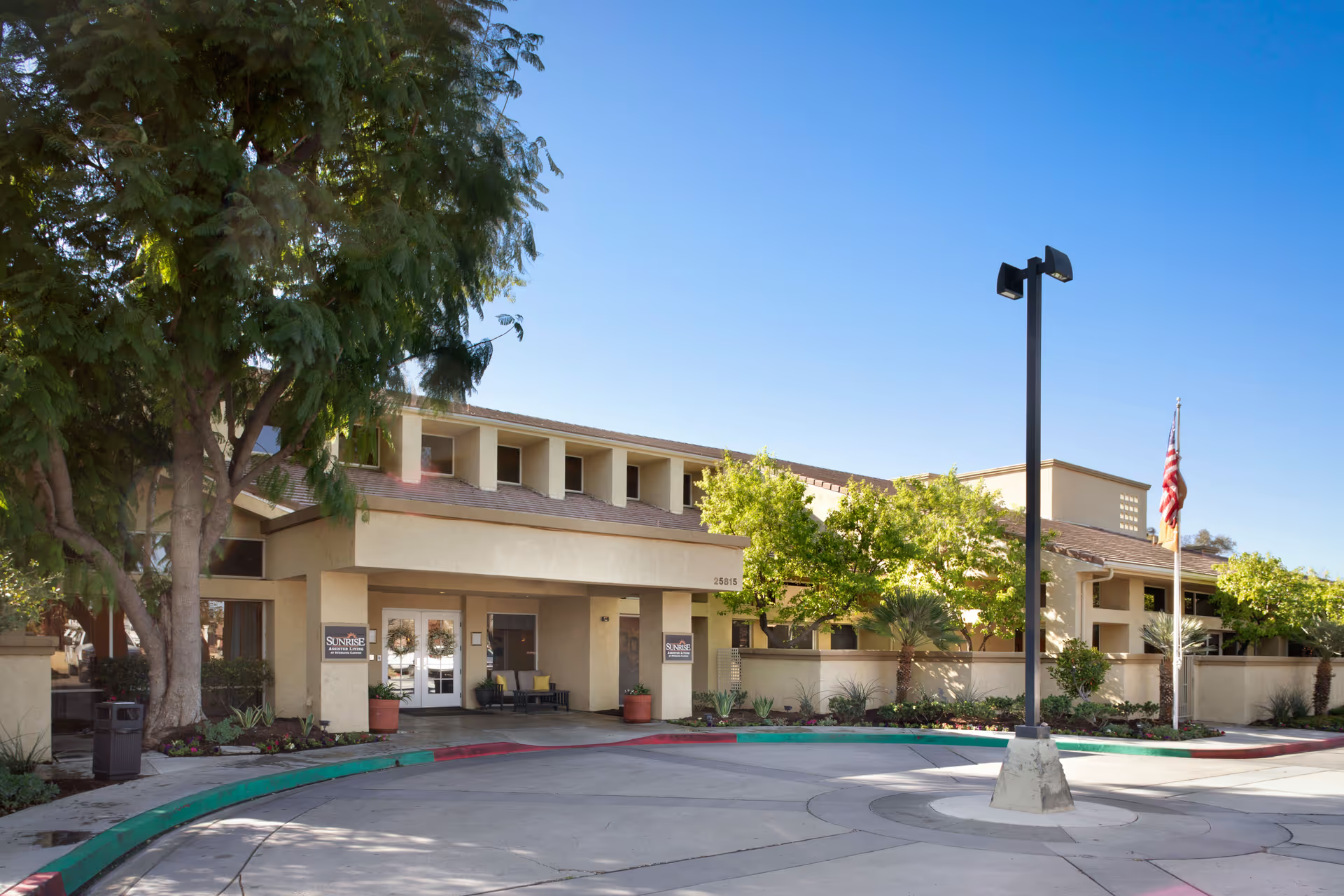
Overall sentiment in the supplied reviews is strongly positive. Reviewers repeatedly emphasize that Evergreen Elderly Care Living is clean, comfortable, and welcoming, and that it creates a homelike atmosphere for residents. Cleanliness and an appealing physical environment are noted more than once, with specific mention of bright, airy apartments and a generally well-kept facility. The environment is described as pleasant, and reviewers also remark that the community has nice residents, suggesting a congenial social setting.
Care quality and staff performance are the most prominent themes. Multiple reviewers use words such as compassionate, friendly, capable, and wonderful to describe the caregivers and staff. Several comments highlight one-on-one care and individualized attention, which indicates staff responsiveness to residents’ personal needs. Reviewers also describe residents being treated like family and feeling safe and well cared for — statements that point to an emotionally supportive caregiving approach as well as confidence in staff competency. The combination of ‘‘capable’’ and ‘‘compassionate’’ in the reviews suggests both clinical or practical competence and a warm interpersonal style.
Health support and daily routines are covered positively. One review specifically mentions physical therapy support, indicating availability of rehabilitative services or assistance with mobility and recovery needs. Daily life features mentioned include games, TV time, and scheduled quiet time, implying a balance of recreational and restful programming. These activity notes, together with the comment that staff provided one-on-one care, suggest staff are attentive to both social engagement and individualized routines.
Dining and safety emerge as additional strengths. ‘‘Loved the food’’ appears in the summaries, which is an explicit and relatively uncommon compliment in senior living reviews; this signals that dining quality is an appreciated aspect of the community. Safety and being ‘‘well taken care of’’ are mentioned alongside the phrase ‘‘peace of mind,’’ which frames the facility as offering reassurance to family members and contributing to a sense of security for residents.
Notable gaps and caveats: the supplied reviews contain no explicit negative comments or detailed criticism, so there is no recorded feedback about weaknesses such as cost, wait times, medical emergency response, staffing levels across shifts, or management responsiveness. Nor do the summaries mention specific clinical outcomes, medication management, or specialized memory-care programming, so those areas remain unaddressed by the available feedback. Because the dataset is limited to positive highlights, prospective families should recognize this sampling bias and consider asking targeted questions on areas not discussed (e.g., staffing ratios, handling of medical emergencies, care plans for complex conditions, visiting policies, and exact activity schedules).
In summary, the reviews reflect a facility that is clean, welcoming, and staffed by friendly, compassionate, and capable caregivers who provide individualized attention and supportive daily programming. Dining and safety are cited as strengths, and reviewers repeatedly convey trust and peace of mind about their loved ones’ treatment. While the feedback is uniformly positive, the absence of any critical comments means prospective decision-makers should still perform direct inquiries and tours to confirm aspects not mentioned in these reviews.