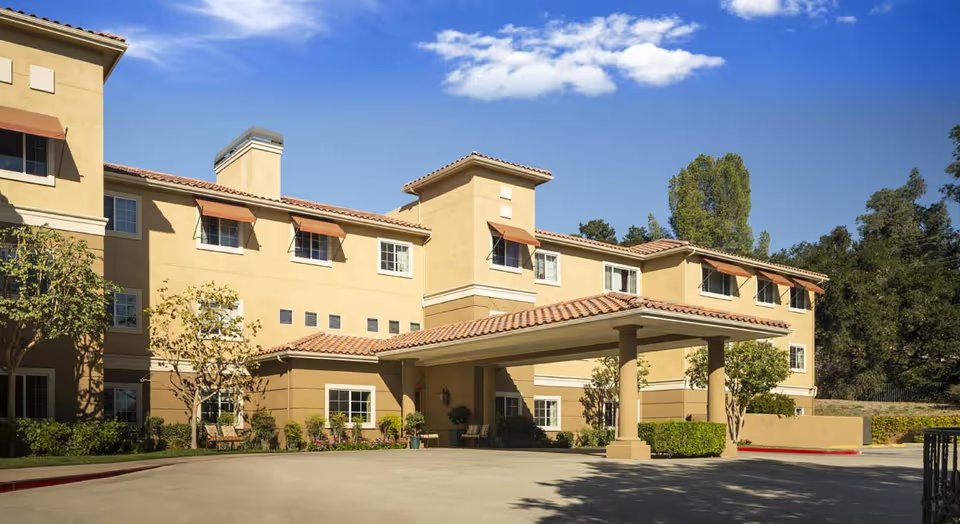
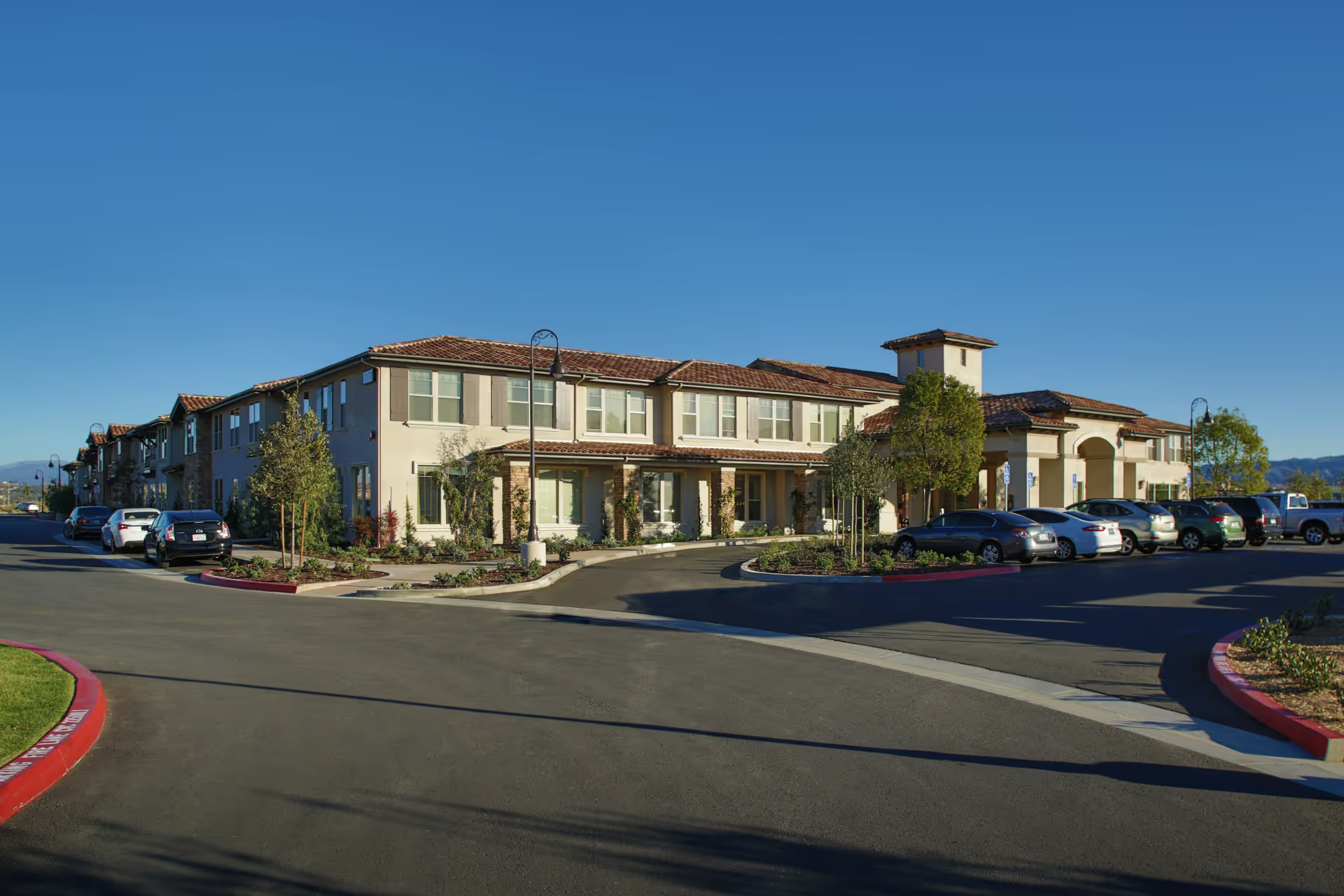
Overall impression: Sunrise at Sterling Canyon is frequently described as a warm, activity-rich community with many families praising the staff, social programing, and apartment features. Reviewers commonly highlighted compassionate caregivers, extensive activities (chair exercise, walking groups, music, clubs, and frequent entertainers), and a lively dining-room atmosphere. Apartments are often described as spacious with balconies or kitchenettes, and the grounds and outdoor seating receive positive mention. On-site amenities such as a salon, library, and maintenance support are appreciated, and the community’s proximity to services and a hospital is viewed as convenient.
Care and clinical services: Many families and residents describe strong direct care — attentive aides, prompt nursing in numerous accounts, and good coordination with outside physicians. Memory-care programming and specialized engagement for residents with dementia are cited as particular strengths. However, a minority of reviewers raised significant clinical concerns, including delayed personal-care assistance and questions about medication handling and incident response. Those accounts suggest potential gaps in clinical-incident protocols and family communication during adverse events. Prospective families should ask about staffing ratios, medication-administration procedures, and clinical-incident escalation during tours.
Staff and management: Staff behavior is a frequent positive: residents are often greeted by name, caregivers are described as compassionate, and sales and liaison staff are generally seen as helpful. At the same time, there are patterns of uneven management performance — billing inconsistencies, unresolved administrative questions, and perceptions of cost-cutting that have affected service consistency. Several reviewers contrasted strong frontline staff with frustrations around administrative responsiveness. Asking for a written breakdown of fees, typical billing timelines, and the community’s process for resolving family concerns is advisable.
Dining and nutrition: The dining program receives mixed-but-leaning-positive feedback. Many residents praise the variety of menu choices, accommodation of dietary restrictions, and a pleasant dining-room environment. Others describe variability in day-to-day food quality, occasional blandness, slow service, or changes in service practices. Families should review sample menus, dietary accommodation processes, and typical meal-service hours during a visit.
Activities and engagement: Activity offerings are a clear strength — organized exercise, arts and crafts, music nights, clubs, outings, and frequent live entertainment create a consistently active environment. Memory-care activities and sensory programs are noted as engaging. Some residents would like even more offsite trips and more male-targeted activities; transportation limits can occasionally constrain outings.
Facilities and maintenance: Many reviewers find the community clean, well-kept, and welcoming, with attractive outdoor spaces. That said, parts of the building are described as older and in need of refreshing; reviewers noted uneven maintenance in some areas, bathroom accessibility limitations (small showers, dated fixtures), and occasional odor concerns in common areas. Maintenance response is generally praised when issues are raised, but the facility’s age means prospective residents should inspect unit finishes and bathroom configurations closely.
Notable operational patterns: Recurring operational issues include staffing shortfalls that can affect timeliness of care, inconsistent housekeeping in some units, administrative/billing communication gaps, and limited transportation availability for appointments and weekend needs. There are also isolated but serious negative accounts that families should probe further — these point toward the importance of clarifying incident response, clinical oversight, and family-notification procedures up front.
Bottom line and practical advice: Sunrise at Sterling Canyon appears to offer strong day-to-day social engagement, attentive frontline caregivers, and a generally pleasant living environment, making it a good fit for families prioritizing activities and social connection. Before committing, families should ask specific, operational questions about staffing ratios, medication-management protocols, housekeeping schedules, sample menus and meal-service practices, transportation availability, visitor parking, and the community’s approach to billing disputes and clinical incidents. Viewing units of the desired type, meeting nursing leadership, and requesting recent inspection or staffing data will help assess whether the community’s strengths align with an individual resident’s clinical and logistical needs.