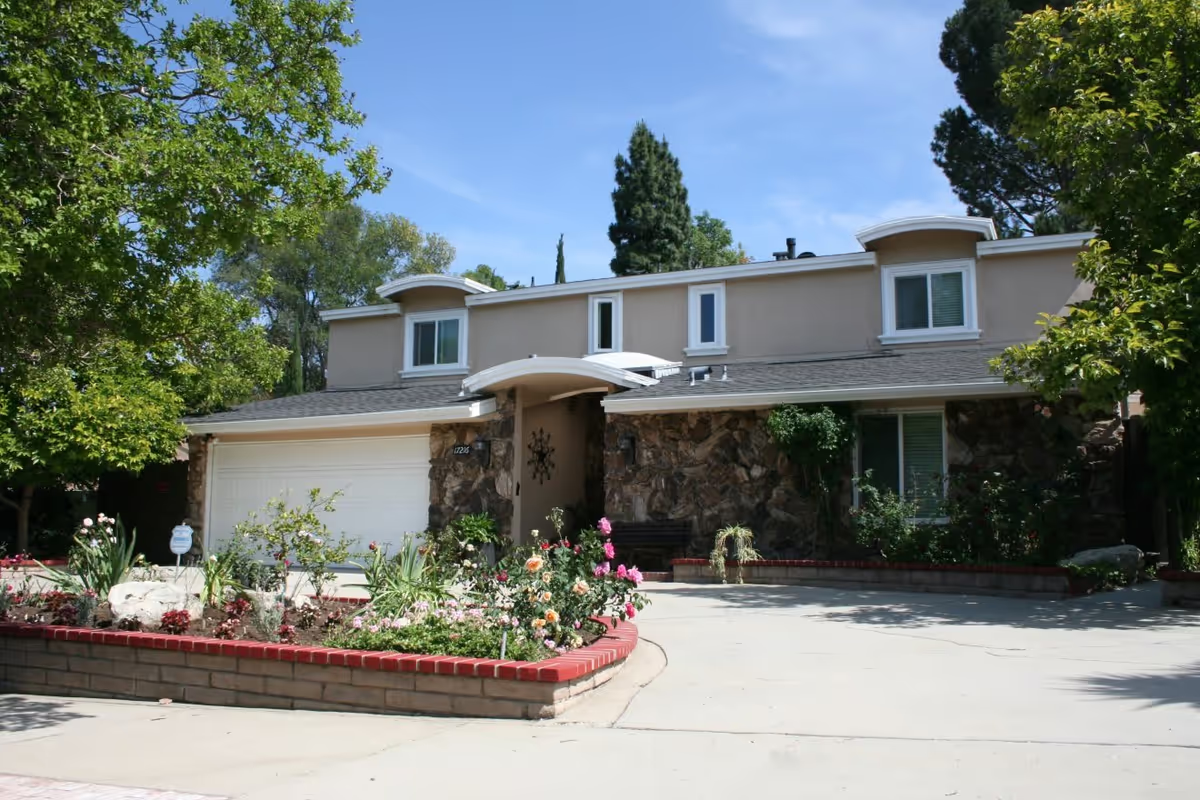
Castlemere Senior Homes is consistently described as a small, family-style board-and-care with an emphasis on personalized, compassionate attention. The facility’s small census (five residents maximum) and involved ownership create a homelike atmosphere that many families find reassuring; reviewers frequently note welcoming common areas, bright rooms, a pleasant backyard, and private rooms that open directly to the exterior. Cleanliness, a modern aesthetic, and adherence to infection-control/COVID protocols are repeatedly cited as strengths.
Clinical and caregiving quality are central positives. Reviewers highlight experienced nursing staff, attentive caregivers, and competent medication administration. Several families described calm, compassionate end-of-life transitions and caregivers who treated residents like family. Communication with families is portrayed as strong and responsive; the owner and staff are described as accessible, flexible with visitors, and attentive to family needs.
Dining and daily living receive favorable comments: reviewers mention balanced meals, a well-regarded meal plan, and a generally hospitable, visitor-friendly environment. The facility’s small size supports individualized care plans and quick responsiveness for routine needs, which many families preferred over larger facilities.
Areas for consideration relate mainly to operational limits that stem from the home’s small scale and staffing model. There are recurrent concerns about overnight coverage and monitoring, including extended periods when direct supervision appears limited. Nighttime toileting policies and incontinence-care practices were described in ways that suggest protocol gaps and potential infection risk, and the residence does not offer en-suite private bathrooms for all rooms (shared hallway bathrooms are used). Programming and activities are another weakness: structured or organized activity offerings appear minimal.
Overall, Castlemere presents as a well-kept, intimate option that excels at personalized, compassionate caregiving and family communication, and that can be especially appropriate for short-term stays or end-of-life care. Prospective residents and families should weigh those strengths against operational limits related to overnight monitoring, toileting/incontinence protocols, lack of en-suite bathrooms, and limited activity programming—factors that could affect suitability for residents with higher-acuity or specific overnight supervision needs.