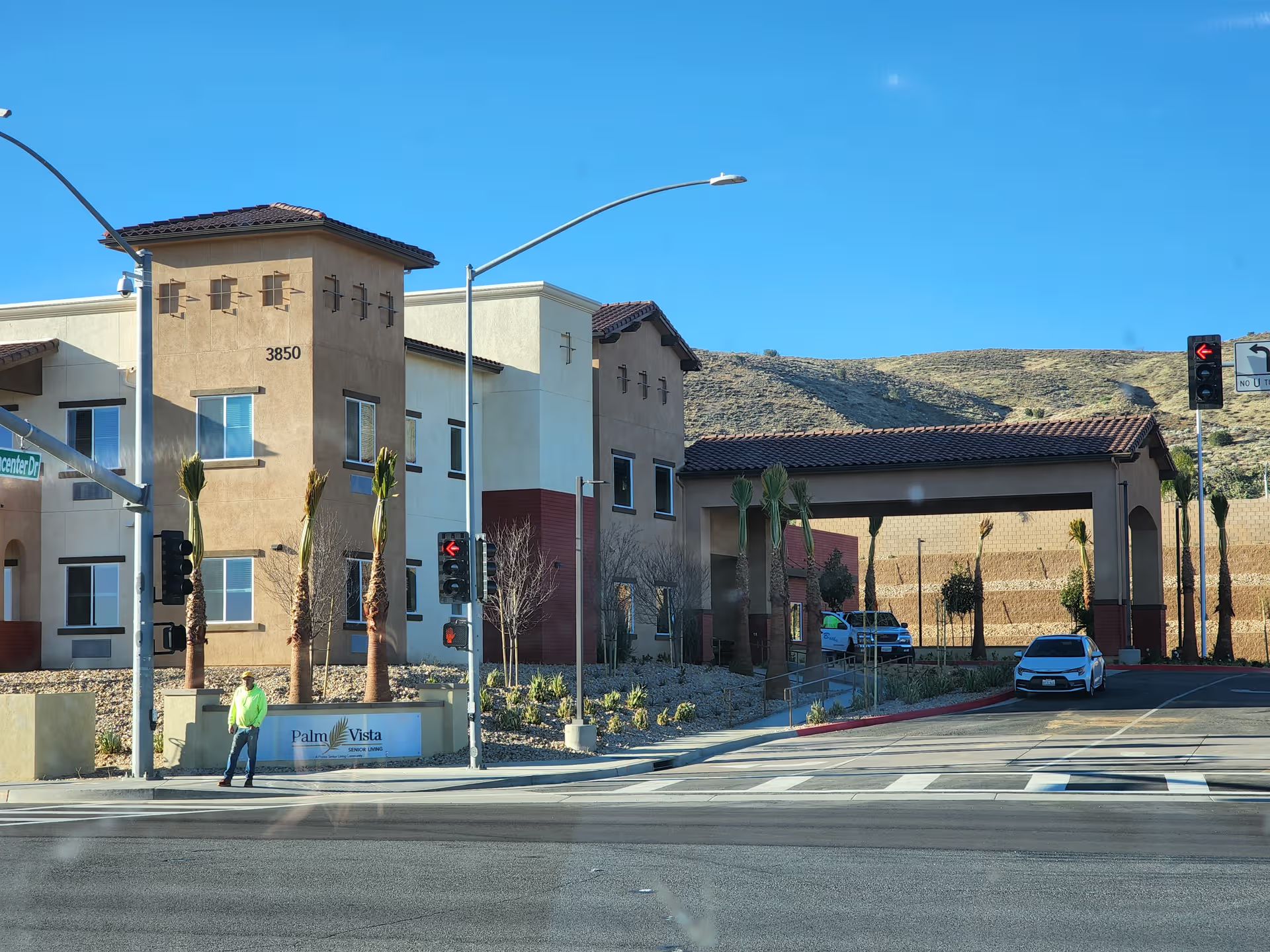
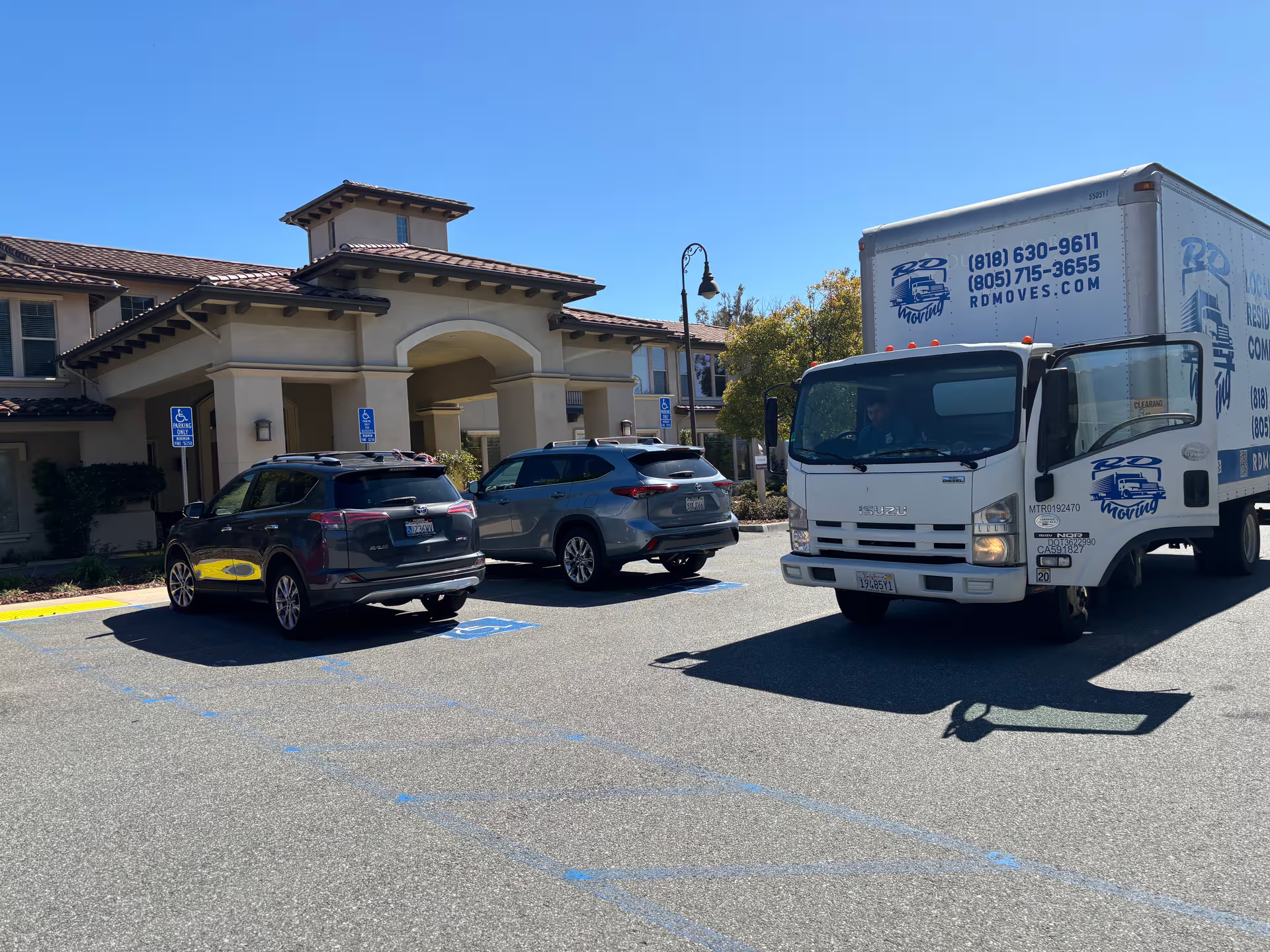
Overall impression: The reviews portray Forever Love Home Care, Inc. as a small, home-style residential option that emphasizes personalized, compassionate care. Families consistently describe a warm, welcoming environment with a high degree of hands-on attention. The home-like setting appears to be well maintained, with reviewers highlighting cleanliness, comforting common spaces, and an inviting atmosphere.
Care and staff: Care quality is a dominant theme. Caregivers are described as attentive, respectful, patient, and emotionally supportive; several comments note that staff ‘‘treat residents like family’’ and ‘‘go above and beyond’’ for individual needs. The operation provides 24-hour caregiving and explicit dementia-focused support, with frequent mention of responsive communication with family members and clear coordination during transitions from hospital to home.
Dining and daily life: Dining is framed as a strength — meals are characterized as home-cooked, flavorful, and tailored to resident preferences. Reviewers note individualized meal preparation and a focus on nutritious, appealing food. Social life includes family-style celebrations for holidays and birthdays and a visitor-friendly policy that supports regular contact with relatives.
Activities and visitation: The environment supports social interaction and family involvement; holiday/birthday events and frequent visitor access are noted as positive aspects. The small, home-like scale appears to encourage personalized social routines rather than large-group programming.
Facilities and management: The facility is consistently described as meticulously clean and well run. Management communication is portrayed as honest and supportive, particularly during health-related events. The overall tenor of reviews suggests a high degree of caregiver continuity and individualized attention from named staff members.
Notable patterns and considerations: While strengths are clear, prospective families should weigh limitations typical of a small residential model. The setting likely provides limited on-site clinical and rehabilitative therapy compared with larger skilled nursing or rehabilitation centers, and its small capacity may restrict placement availability. The quality of care appears closely tied to a core caregiving team; continuity is a benefit when the team is intact but could create variability if turnover occurs. Finally, programming emphasizes family-style social events — families seeking an extensive schedule of formal therapeutic activities or varied large-group programs may wish to confirm the facility's activity roster and therapy options. Prospective families should ask about specific clinical services, staffing continuity, activity schedules, emergency protocols, and placement/cost details to ensure alignment with their needs.