Overall impression: Reviewers describe a facility with clear strengths in hands-on care and a pleasant physical environment, alongside recurring operational weaknesses that families should weigh during placement decisions.
Care and clinical services: Multiple accounts praise the bedside care—nurses and CNAs are frequently described as compassionate, professional, and focused on resident recovery. The facility’s wound-care capabilities and rehabilitative emphasis receive particularly positive mention, and several families noted improved outcomes during stays. Conversely, reviewers also noted variability in clinical experience: some described long waits to see clinicians, limited onsite specialty or diagnostic services (for example, no x-ray availability and reliance on generalist physicians), and uneven perceived value in certain medical encounters. These patterns suggest reliable basic and post-acute care strengths combined with constraints for more complex diagnostic or specialty needs.
Staff and management: Staff conduct is a clear mixed area. Many reviews highlight friendly, accommodating, and supportive staff who engage residents positively. At the same time, communication and responsiveness from front-line staff and administrative teams are recurring concerns—calls not returned, inconsistent follow-up, and at least one description of challenging customer-service interactions. Reviewers advised careful documentation and active family advocacy when coordinating care, which indicates opportunities for management to improve internal communication protocols and customer-service training.
Dining and activities: Dining and programming are cited as strengths. Meals are described as nutritious and appealing in appearance and taste, and the activities team is credited with keeping residents engaged and making the day more enjoyable. These elements appear to support quality of life and recovery for many residents.
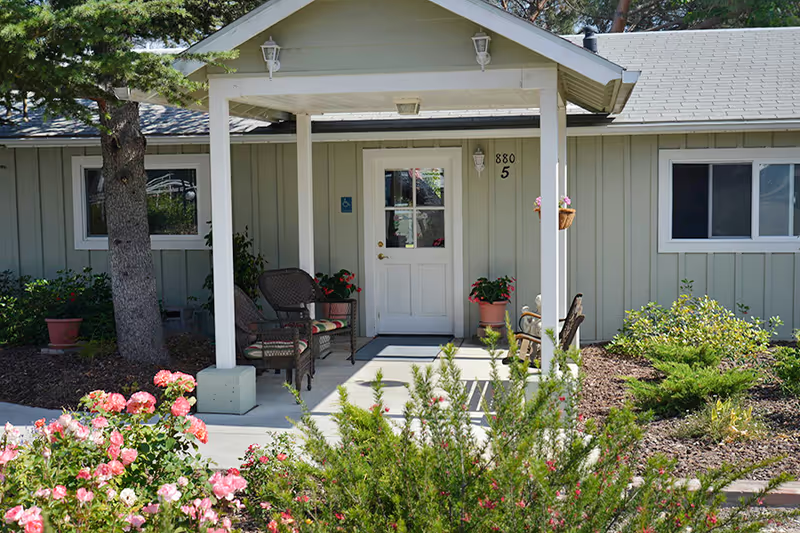
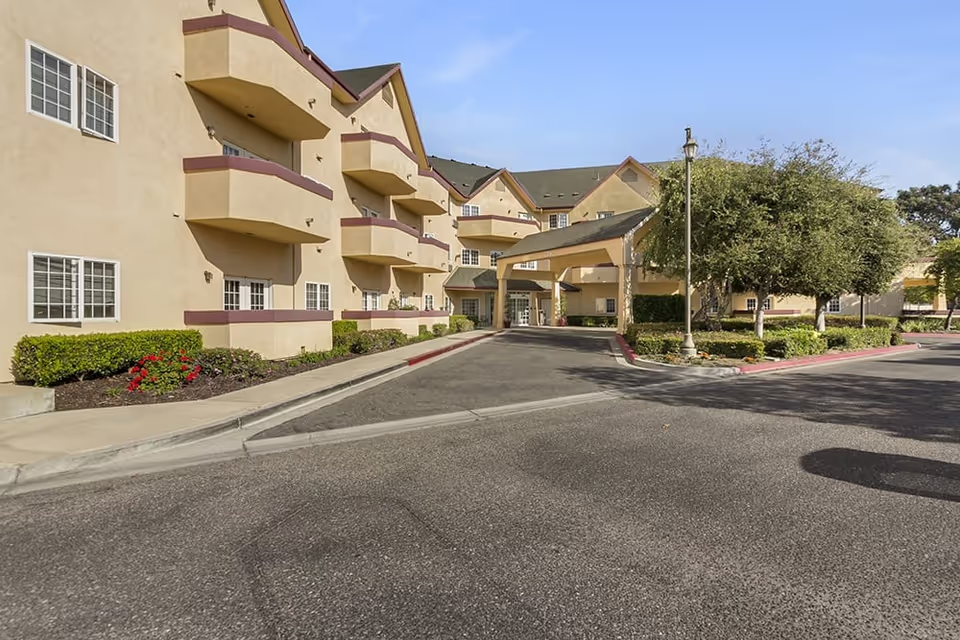
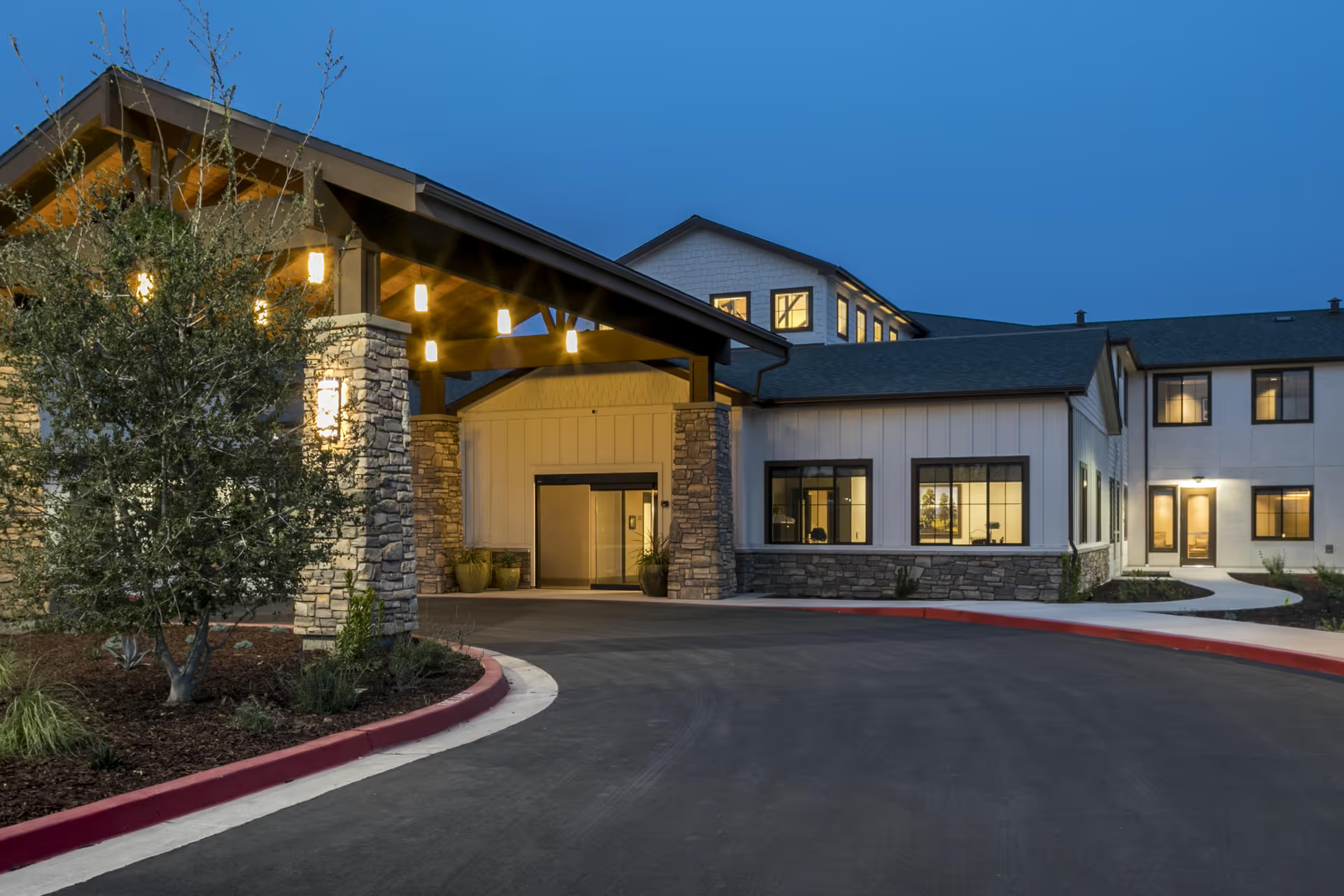
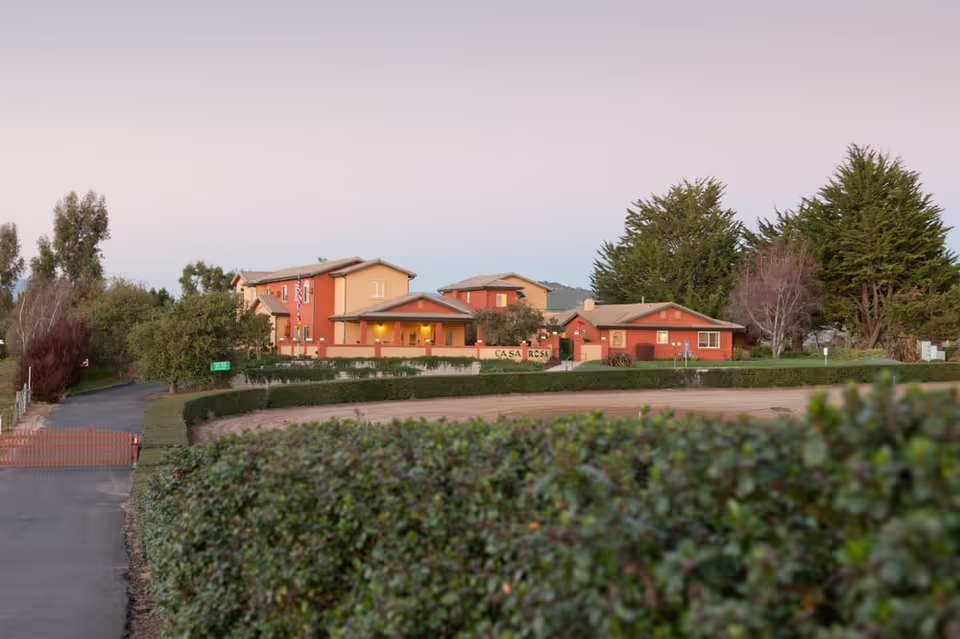
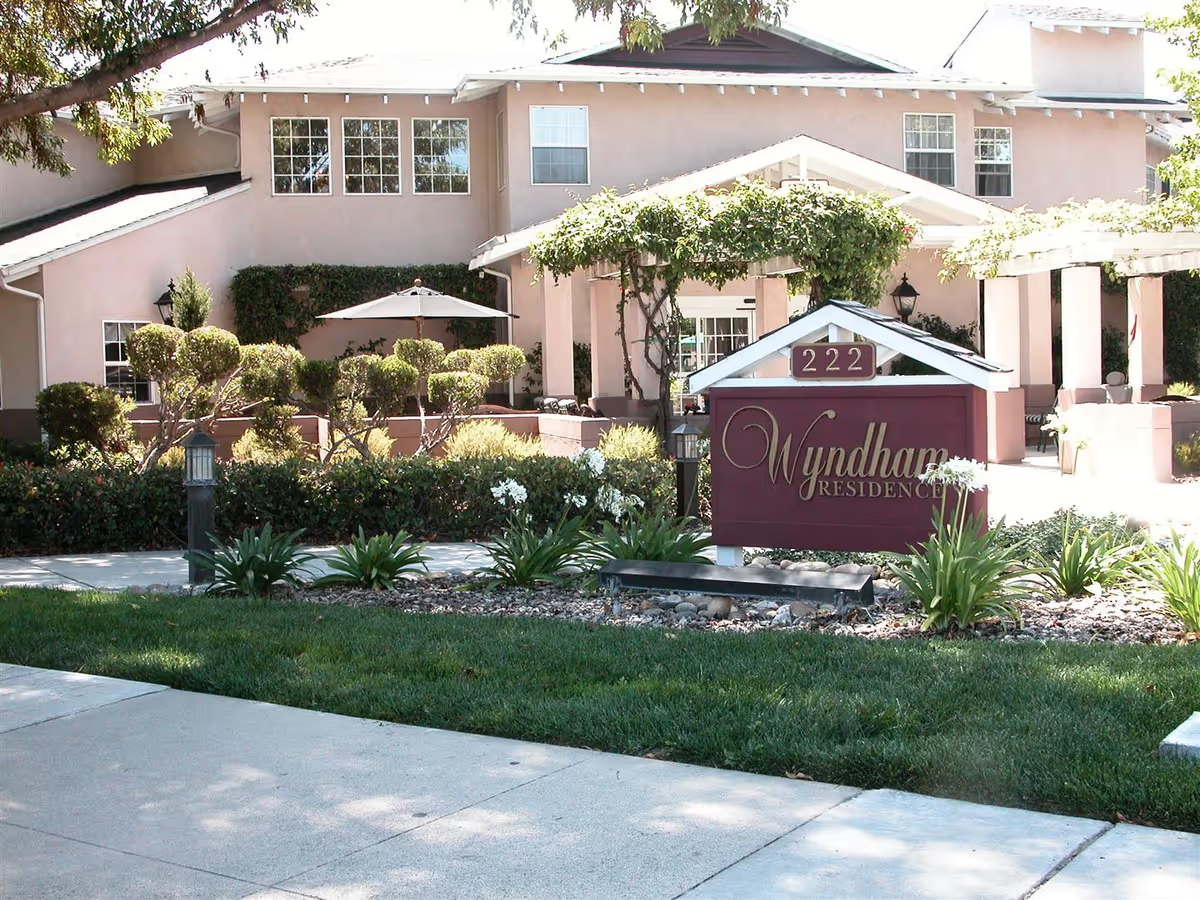
Facilities and environment: The physical plant is frequently described as clean, bright, and well-maintained, with no pervasive odor concerns and generally positive impressions of common areas. A few comments describe a “droopy” or low-energy atmosphere in particular areas of the facility, which may reflect variability by unit or time of day rather than a facility-wide condition.
Notable patterns and practical implications: The dominant positive theme is strong, compassionate caregiving—especially in nursing, CNA support, wound care, and rehab-focused services. The dominant negative themes are operational: inconsistent responsiveness, customer-service gaps, lack of pricing clarity, and limited onsite diagnostics. Prospective residents and families should balance the facility’s hands-on clinical strengths and engaging activities against these operational considerations. For those needing advanced diagnostics or frequent specialist access, the facility’s limited onsite services may require arranging outside appointments. Families may also want to confirm billing practices and expected out-of-pocket costs up front and establish clear communication channels with staff and management during a stay.