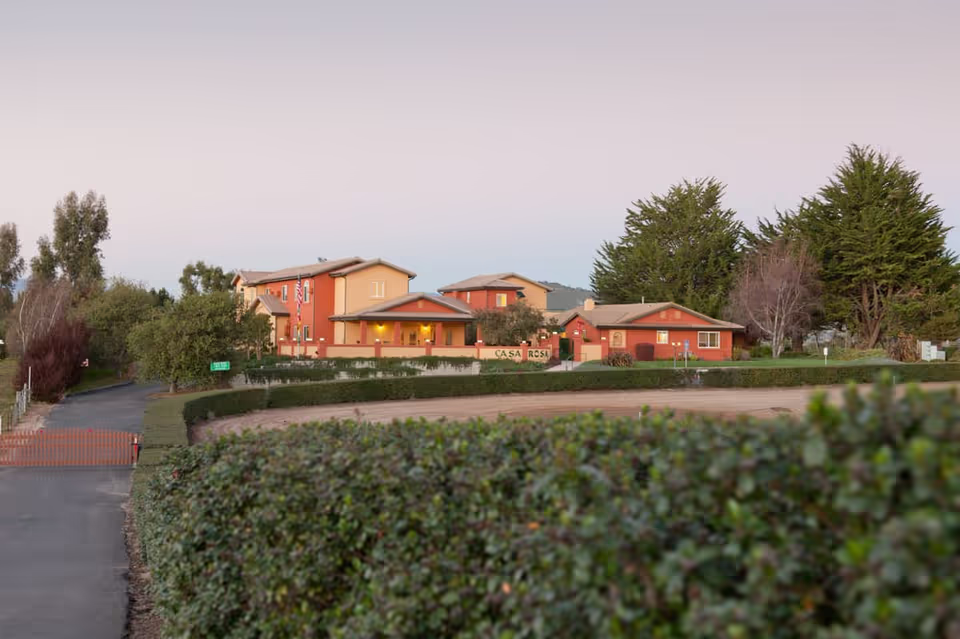
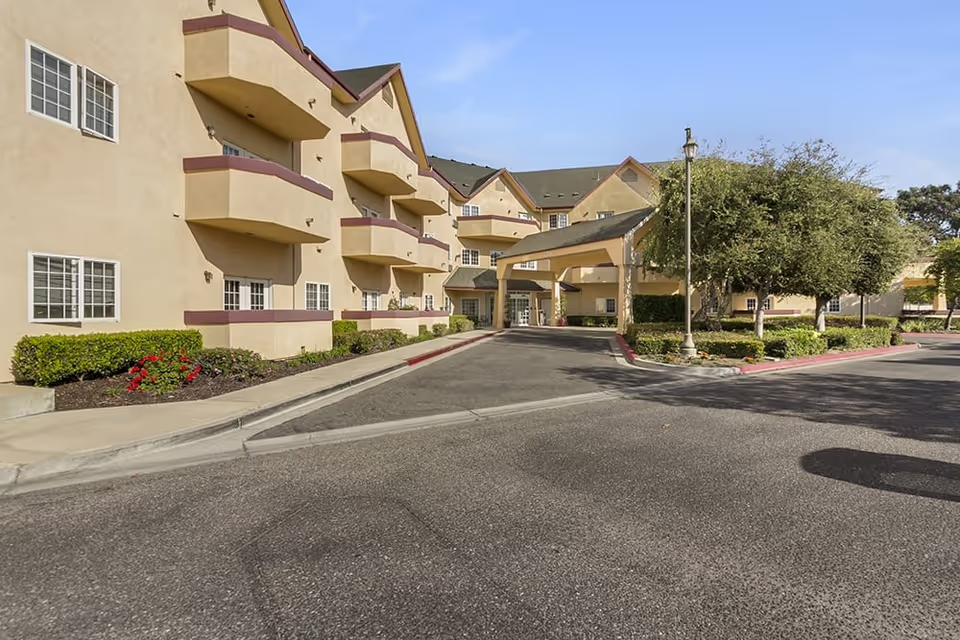
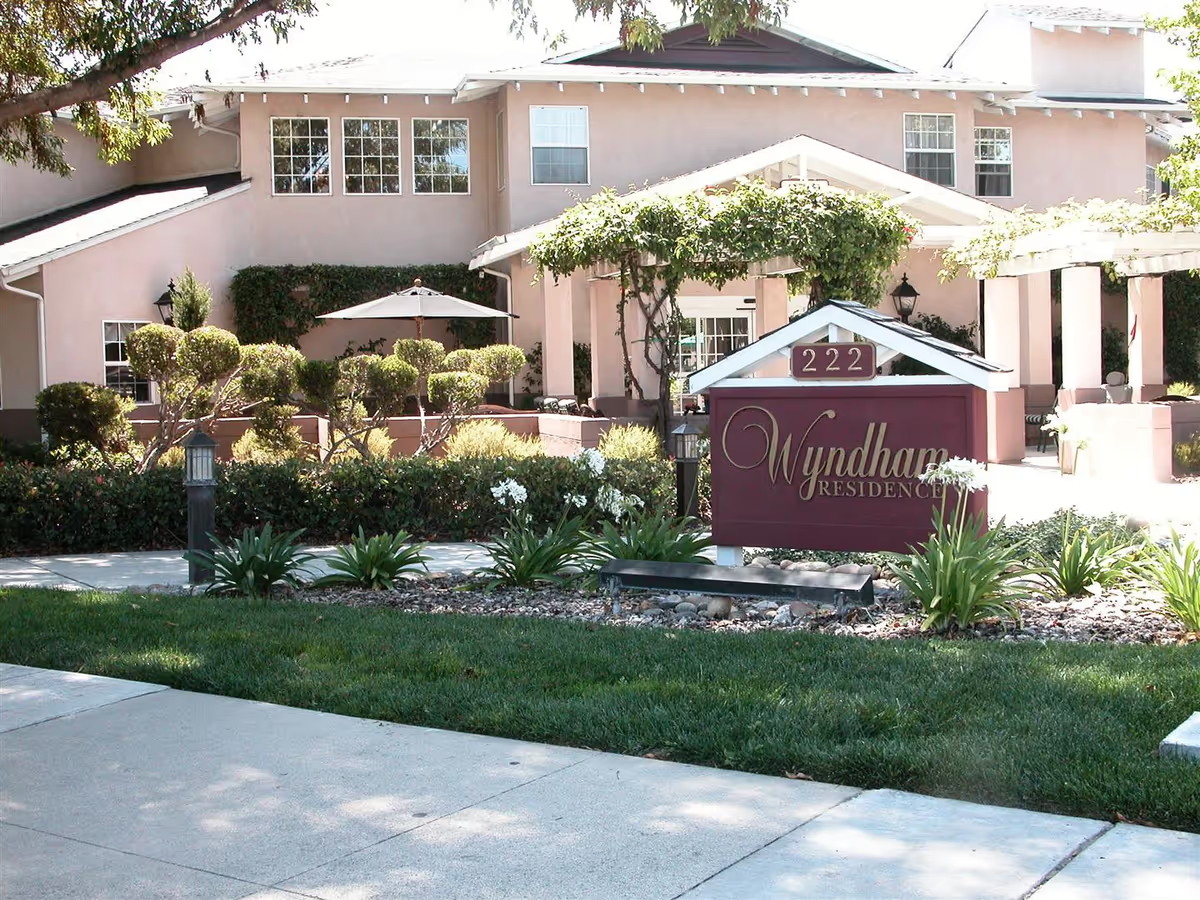
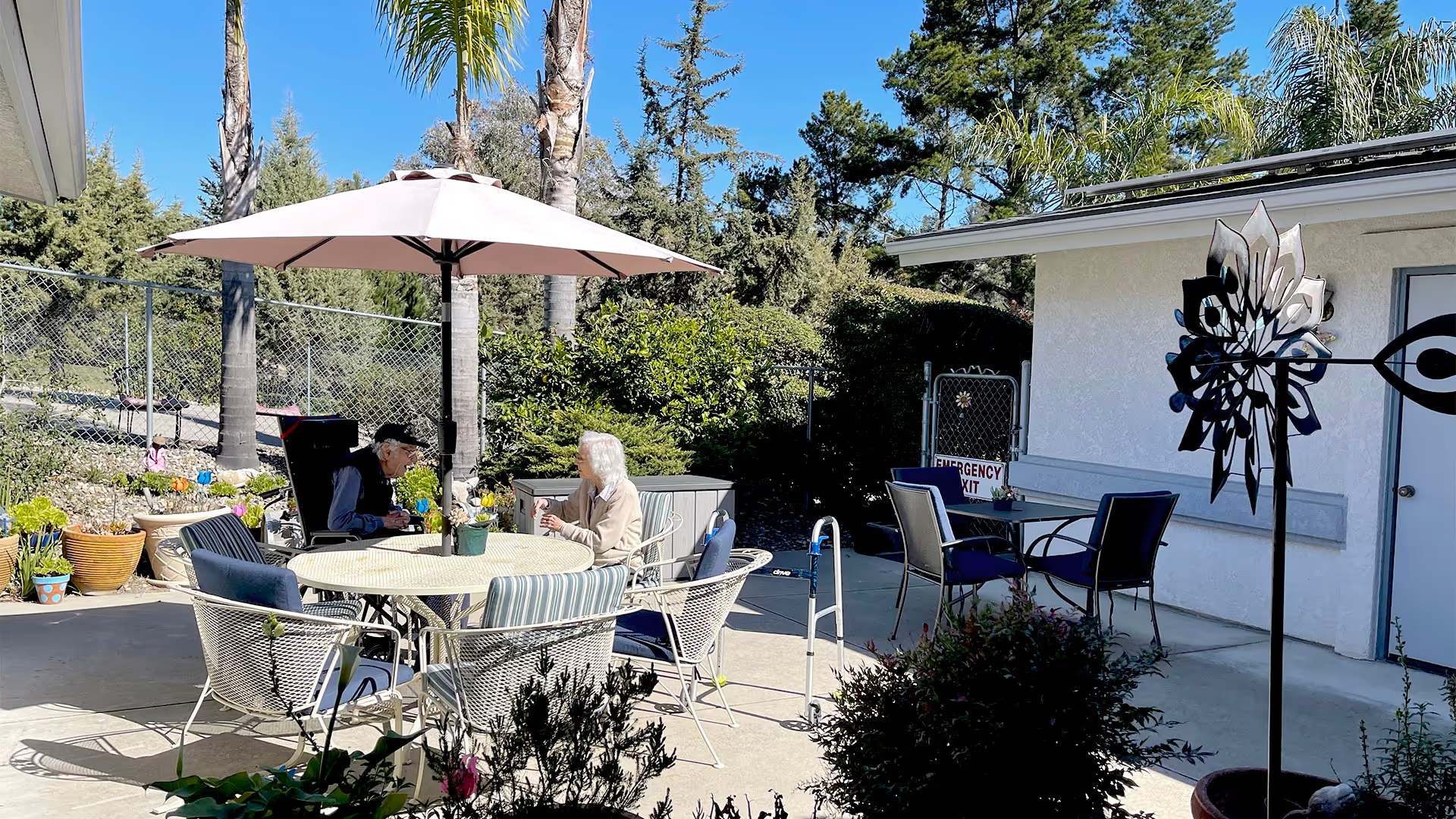
The Oaks at Nipomo elicits strongly mixed impressions. Many reviewers emphasize a newly built, clean, and well‑appointed physical environment: bright common areas, accessible corridors and elevators, pleasant courtyards and gardens, a bistro/cafe, and a range of amenity spaces such as a theater, library, salon, and fitness areas. Families frequently praise onsite therapy services (PT/OT/ST), a lively activities program, restaurant‑style dining options, and a community atmosphere that feels welcoming and family‑oriented.
Care quality descriptions vary across reviews. A sizable portion of comments describe warm, attentive caregivers, strong memory‑care leadership, effective therapy teams, and smooth move‑in and transition support. These accounts highlight good family communication, engaged activity staff, and observable resident socialization and mobility gains. Counterbalancing those accounts are repeated operational concerns: reviewers cite inconsistent staffing levels and high turnover that appear tied to underpaid or overextended caregivers. Those staffing issues are described as producing delays in attending to resident needs and uneven day‑to‑day care responsiveness. There is also at least one serious allegation of unauthorized access to medications; more generally reviewers raise questions about medication‑management controls and the availability of licensed nursing oversight on site.
Dining and housekeeping receive both praise and criticism. Positive comments note a flexible, extensive menu, on‑demand cooking, and a pleasant dining atmosphere. However, other reviewers report long dining‑room wait times, restricted serving hours, missed meal opportunities, and inconsistent food quality. Housekeeping is likewise inconsistent in reviewers’ accounts: some describe a well maintained environment, while others note gaps in cleaning and room services.
Activities and therapy are consistently cited as strengths. The facility appears to offer a broad program of social, cognitive, and physical activities, frequent events, memory‑care outings with additional staff support, and active encouragement of resident participation. These programs are often linked to improved socialization and mobility for residents.
Management and communications show a similar split. Several reviewers single out community relations and administrative staff by name for helpfulness, clear communication, and attentive follow‑up. Conversely, there are recurring comments about sales or marketing promises that were not fully honored, unclear transportation information, fee increases, and at least one account of an unaccommodating corporate representative.
Notable patterns: the feedback divides into two distinct clusters—many highly positive experiences focused on environment, activities, and caring staff, and a smaller but consequential set of operational criticisms centered on staffing consistency, clinical oversight, medication safety, dining reliability, and security of personal belongings. Prospective residents and families should balance the facility’s physical and programmatic strengths against these operational risk areas.
Practical recommendations for family visits: observe a meal service and the dining room flow; ask for written descriptions of clinical staffing (nurse coverage, medication‑administration protocols, and how medication access is controlled); request turnover and staffing‑ratio information; inquire about housekeeping schedules and contract specifics for salon or extra services; confirm memory‑care private‑room availability and policies for roommate configurations; and request written disclosures on fees, concessions, and transportation arrangements. Reviewing state inspection reports and speaking with current families can also help clarify which pattern—consistently positive care or the operational concerns noted—best reflects daily life at the facility.