Overall impression: Reviews describe a facility with clear strengths in clinical rehabilitation, a generally compassionate direct-care workforce, and an active programming environment, alongside recurrent operational and communication weaknesses. Many families praised the physical and occupational therapy teams, attentive CNAs and nurses, and an activities program that includes music therapy, chapel services, and social events. At the same time, there are recurring process and safety concerns that prospective residents and families should evaluate directly.
Care and staff: The facility receives frequent positive remarks for its therapy services and for staff who provide individualized, patient-centered care. Reviewers commonly cited effective PT/OT, supportive nursing behavior, and staff who take time to know residents and pursue functional goals. However, multiple accounts indicate inconsistent responsiveness to call requests, delays in attending to personal-care needs, and variability in medication timing and monitoring. Several comments described documentation or charting errors and raise questions about clinical-incident response and family communication; one reviewer raised a serious clinical concern (including an allegation of a wound-care complication) that suggests the need for careful follow-up when evaluating clinical safety and oversight.
Dining and activities: Dining is frequently highlighted as a strength — described as restaurant-style with menu options tailored to dietary needs and examples of well-presented meals. Activities programming is another positive area, with daily offerings, music, and social engagement that families found reassuring. That said, reviews also note inconsistencies in meal temperature, presentation, and portion management; these operational inconsistencies can affect the day-to-day dining experience for some residents.
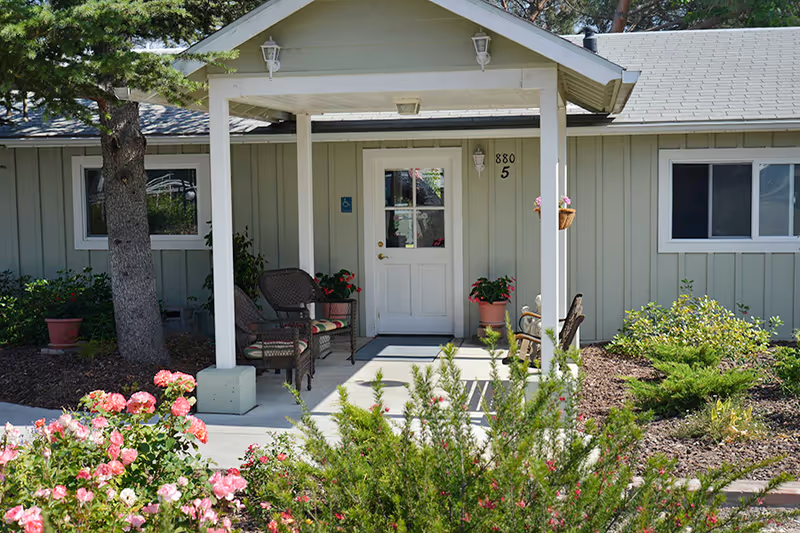
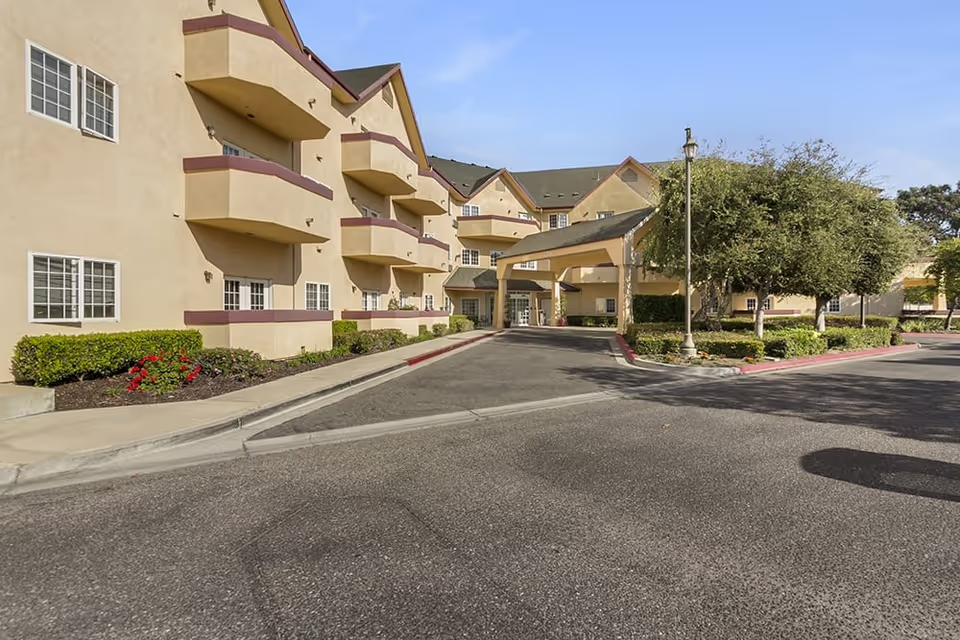
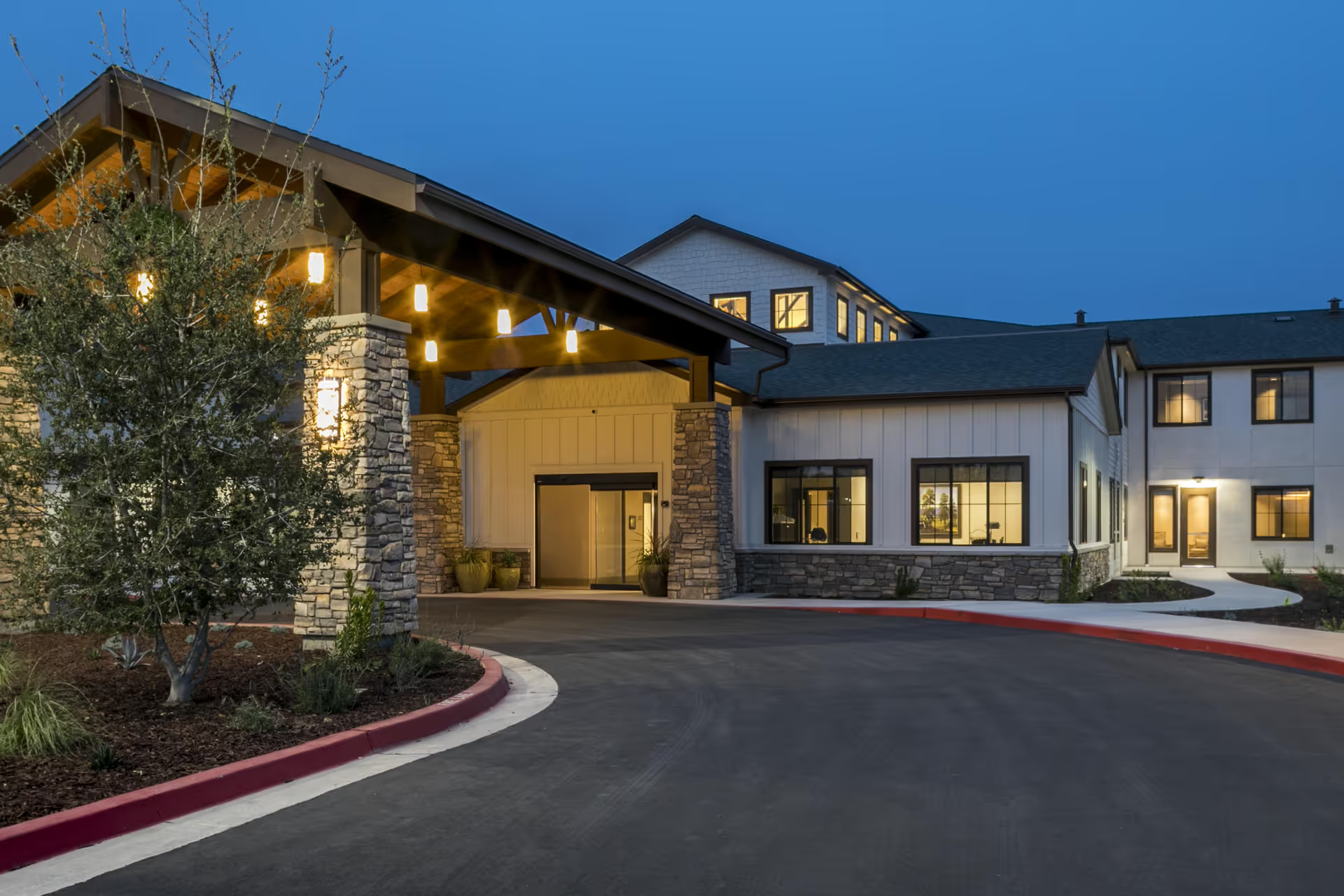
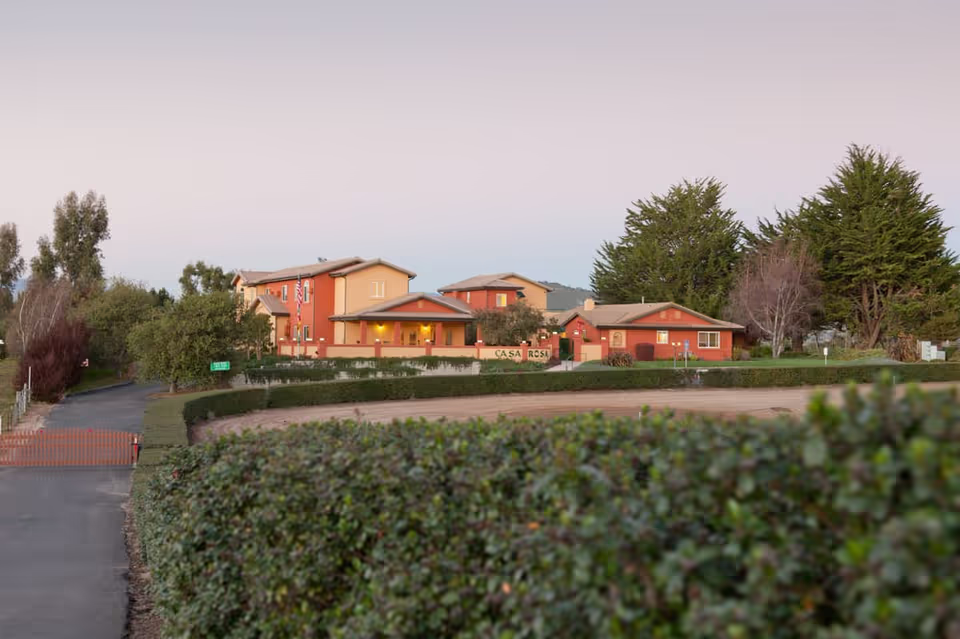
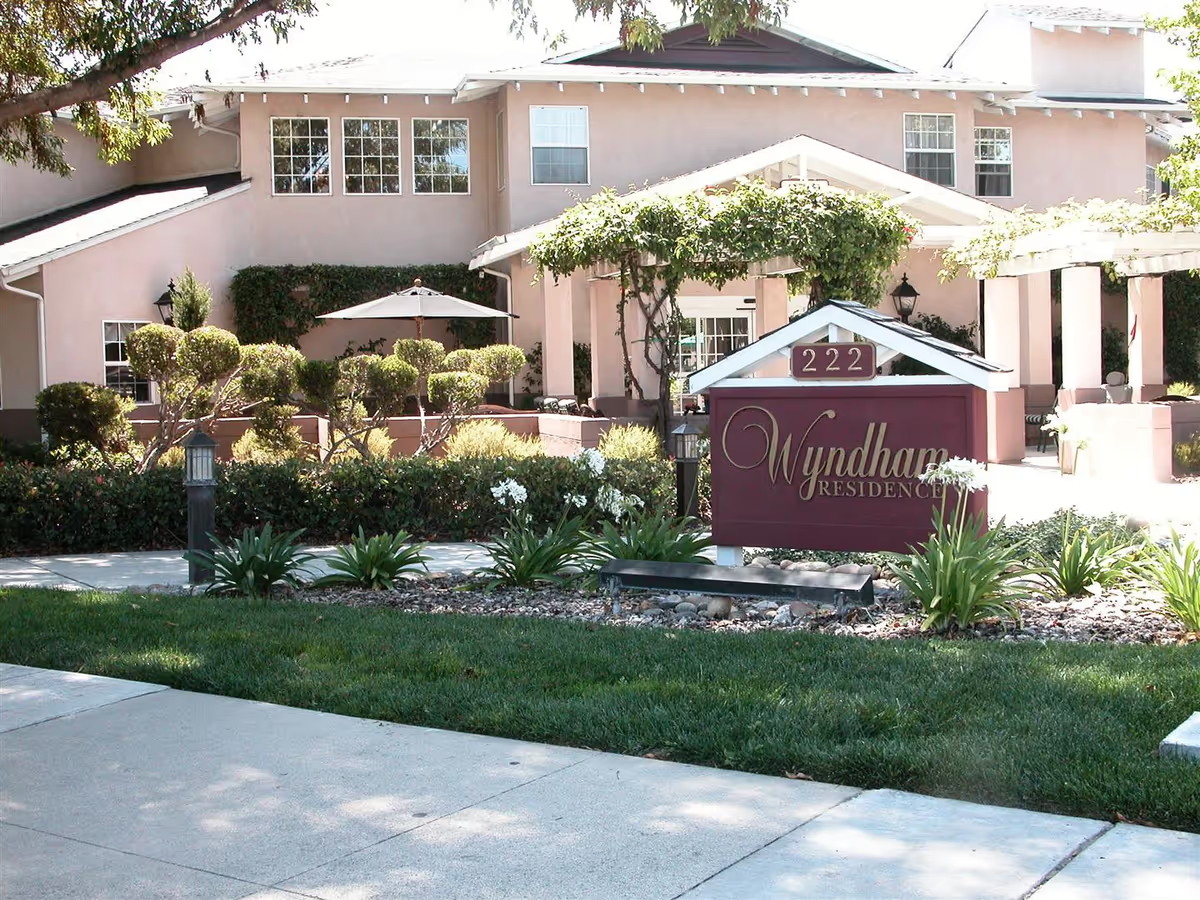
Facilities and amenities: Common areas and the building shell are often characterized as clean and inviting, with features such as a small gym, barbershop, and chapel. Memory-care and hospice units are noted as available and comforting for families needing those services. Conversely, reviewers describe variability in room conditions (shared-room configurations, limited private rooms, smaller TVs, and occasional odor concerns in specific rooms or bathrooms). Equipment and supply management issues were raised (for example, unavailable therapeutic devices or supplies), and some families reported practical inconveniences like disconnected landlines or limited bedside supplies.
Management and operational patterns: Administrative performance is described as mixed. Some reviewers praised supportive management and clear communication; others found administration invisible, slow to respond, or inconsistent in tone with families. Admissions and onboarding processes were occasionally described as inefficient, and the phone/internal communications system was cited as a barrier to timely family contact. Understaffing was a common theme linked to delays in care, missed routine attention, and heavier workloads for available caregivers.
Notable patterns and guidance: The dominant strengths are therapy quality, many compassionate direct-care staff, and an active activity/dining program. The dominant concerns are operational: staffing levels, responsiveness, medication/documentation practices, and variable room sanitation and equipment availability. Prospective residents and families should consider an in-person visit focused on staffing ratios during the anticipated stay, medication and wound-care protocols, room options (private vs. shared), supply/equipment availability, and examples of how the facility communicates with families after clinical incidents. Asking to meet therapy leaders, inquire about recent staffing and quality metrics, and review a sample care plan and incident-response process will help clarify whether the facility’s strengths align with individual needs.