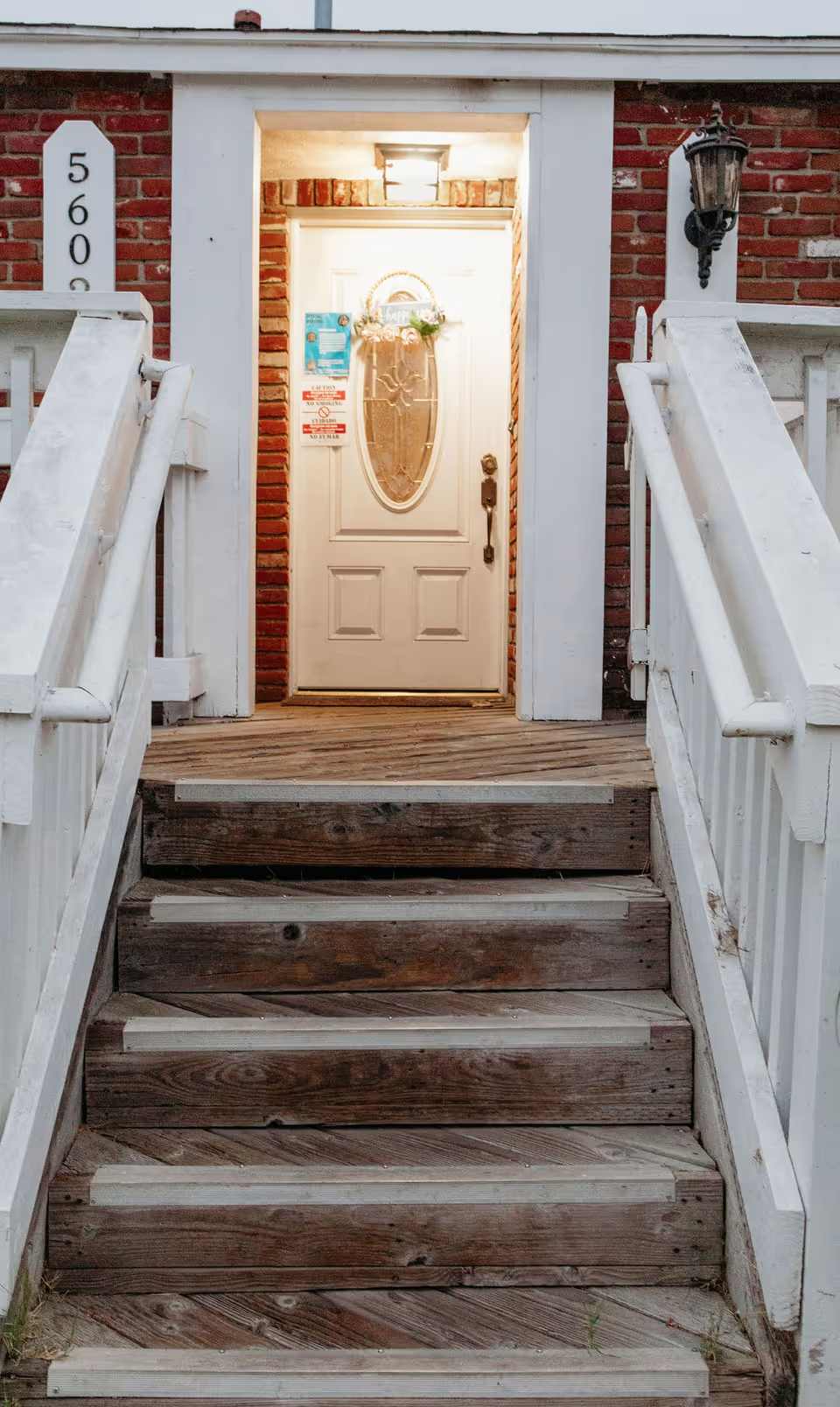
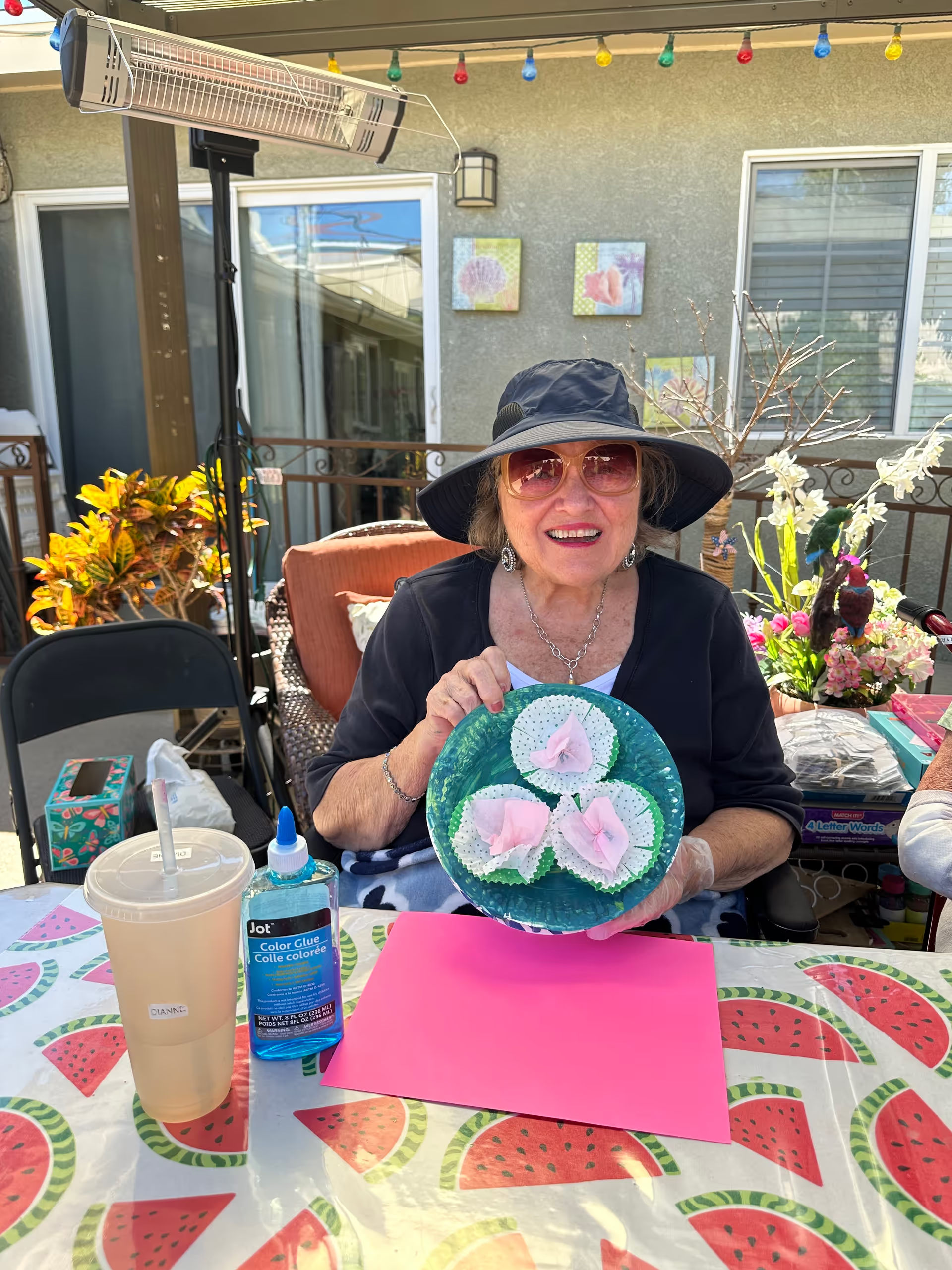
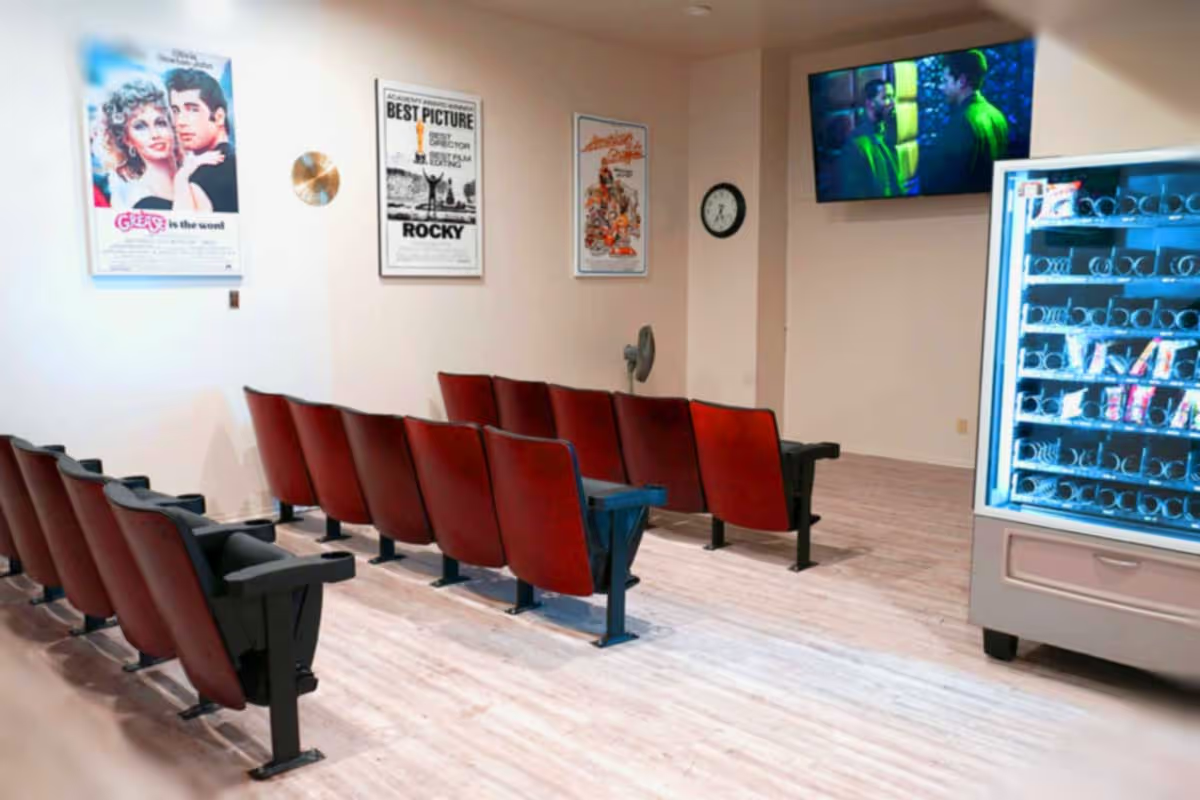
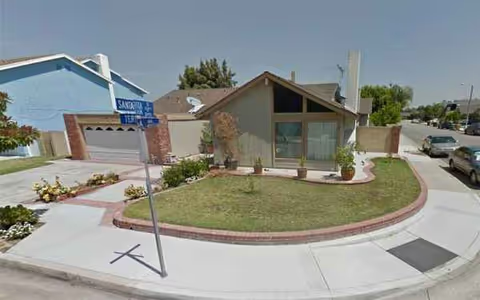
Douglas Residential Care presents a mixed picture across the reviews provided. Several families highlight a small, home-like environment with clean communal spaces, a large welcoming den, and English-speaking, friendly caregivers who provide attentive and personalized care. Some reviewers describe the staff as skilled and committed, and recent changes in ownership were characterized as pleasant and accommodating. Pricing perceptions are mixed, with comments ranging from reasonable to high; capacity appears limited and placement policies may be inflexible.
Care quality appears variable. Positive accounts emphasize individualized attention and the absence of aggressive behavior among residents. However, other accounts raise substantive operational concerns: medication-management and monitoring practices are questioned, and families describe situations where they had to manage medications or supplies themselves. There are also descriptions of service discontinuities—periods during which contracted services were not provided—indicating potential gaps in care continuity that prospective families should investigate.
Staffing and management feedback is also mixed. Reviewers cite friendly, accommodating caregivers and a responsive new owner, while others report issues with staff conduct, administrative tone, and perceived worker competence. Several comments point to a lack of visible clinical oversight; reviewers specifically noted the absence of a consistently present registered nurse. Administrative processes were described as burdensome by some families, including extensive paperwork, extra charges, and difficulties around refunds and billing disputes.
Facility condition reports are varied. Many reviewers describe the property as clean with minimal odor concerns, but others point to maintenance needs such as repainting and replacement furniture. Resident rooming constraints were mentioned—some rooms are small and shared—and there is at least one note about limited climate control (no central air). These mixed observations suggest variability in unit-level upkeep and comfort.
There is little substantive information about dining and activities in the available summaries; the small residential scale implies more limited programming compared with larger assisted-living communities, and prospective families should ask specifically about meal plans, dietary accommodations, and activity schedules during a visit. Equally important are questions about clinical oversight, medication protocols, staffing levels and training, billing practices, and how the facility handles service interruptions.
Overall, Douglas Residential Care offers strengths typical of small residential homes—personalized attention, a home-like common area, and moments of highly attentive care—while also showing recurring operational issues in medication management, billing transparency, staffing consistency, and facility maintenance. Prospective residents and families should perform an in-person assessment focused on clinical oversight (RN presence and medication policies), documentation and billing practices, staffing ratios and training, and room-by-room maintenance to determine whether the facility’s current practices meet their needs.